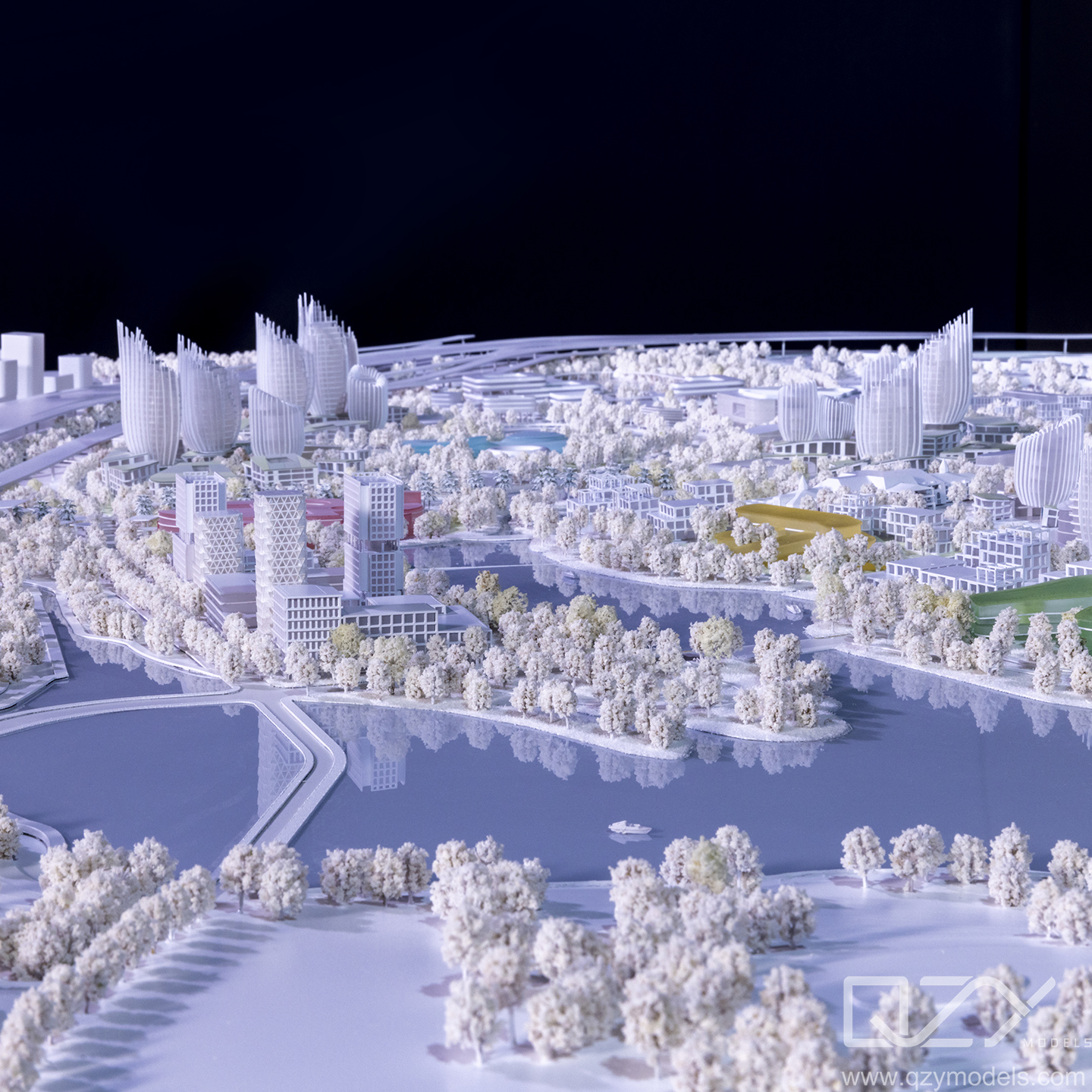
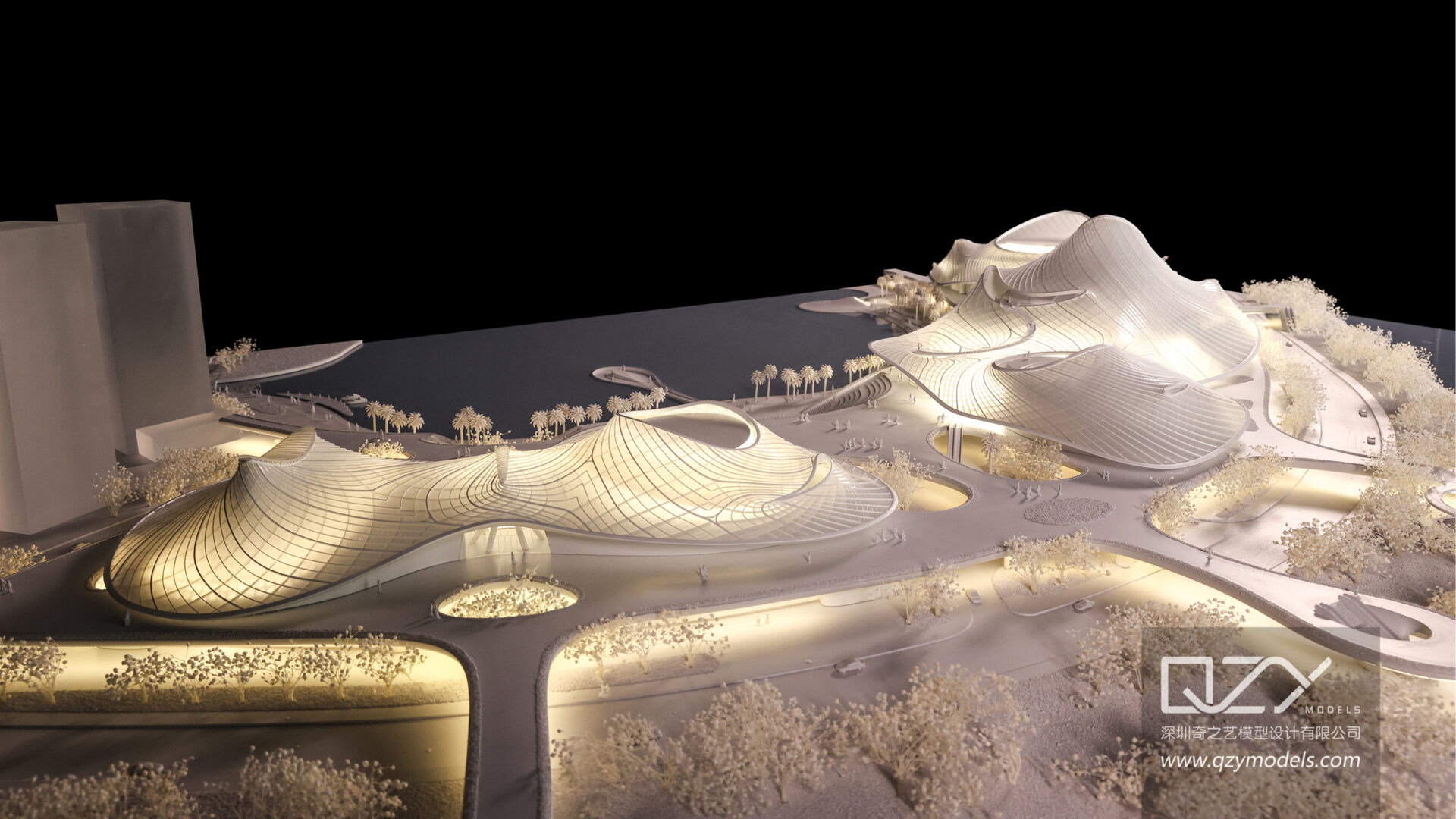
The best materials for model houses combine workability, durability, and realism, enabling precise architectural representation. Popular choices include basswood, balsa, foam boards, acrylic, and cardboard, each selected based on project scale, purpose, and finish. Expert model makers like QZY Models strategically blend materials to achieve detailed, visually striking, and long-lasting models for clients worldwide.
What Materials Are Commonly Used for Model Houses?
Common model house materials include basswood, balsa wood, foam boards, acrylic sheets, and cardboard. Basswood offers a fine grain and sturdy finish for structural elements. Balsa is lightweight and easy to cut, ideal for prototypes. Foam boards allow rapid shaping and layering, while acrylic provides transparent or glossy surfaces. Cardboard is cost-effective for early-stage models or interiors.
Architects and professional model makers choose materials depending on project requirements. Basswood supports detailed trim and facades, foam boards are excellent for landscaping or furniture layers, acrylic sheets highlight windows and external features, and cardboard remains popular for rapid prototypes. QZY Models often combines these materials to balance precision, durability, and visual impact.
How Do Model House Materials Affect Detail and Durability?
Material choice directly influences the intricacy and longevity of models. Hardwoods like basswood allow precise carvings but are fragile. Foam boards and cardboard are easier to manipulate yet less durable. Acrylic is strong with a polished finish but requires careful handling. Combining materials ensures both realism and structural integrity.
Professional model makers select materials that support accurate architectural representation. Basswood is ideal for intricate facade details, foam provides a lightweight and versatile base, and acrylic strengthens transparent or exterior features. QZY Models expertly blends materials to maximize detail while maintaining robust models suitable for exhibitions and client presentations.
Why Are Eco-Friendly Materials Gaining Popularity in Model House Construction?
Eco-friendly materials are favored for sustainability, reduced environmental impact, and safer work environments. Recycled foam, sustainably sourced wood, and biodegradable adhesives minimize ecological footprints while maintaining quality and appearance.
QZY Models integrates eco-conscious materials into their workflow. Recycled foam reduces waste, certified wood supports sustainable forestry, and water-based adhesives decrease toxic emissions. This approach aligns with modern architectural ethics while producing durable, high-quality models.
Which Specialized Materials Enhance Realism in Model Houses?
Specialized materials such as wire mesh, textured clay, colored foam sheets, and miniature landscaping components heighten realism. Wire mesh mimics fences or screens, clay sculpts organic forms, and colored foam adds vibrancy to furniture or terrain.
Achieving realistic models depends on structural and supplementary materials. Wire screens replicate surface textures; flexible clays allow topography and detailed facades; colored foam represents fabric or glass; miniature trees and water elements bring landscapes to life. QZY Models demonstrates mastery in blending these materials to create highly convincing models.
How Do Material Choices Influence Model Building Techniques?
Material properties determine construction methods, including cutting, gluing, layering, and painting. Hardwoods require precision cutting and careful assembly. Foam boards support fast adhesive bonding. Acrylic needs solvent glues and polished edges for professional finishes.
Understanding material behavior guides building techniques. Basswood and balsa require sharp blades and careful sanding. Foam boards utilize low-tack adhesives for quick assembly. Acrylic demands specialized adhesives for secure bonding. Expert model makers, including QZY Models, optimize methods for each material to ensure seamless and visually compelling results.
How Can QZY Models’ Expertise Elevate Material Use in Model Houses?
QZY Models leverages decades of experience to select and manipulate materials for maximum visual impact, accuracy, and durability. Their approach ensures each model meets client expectations for design fidelity and presentation quality.
Since 2013, QZY Models has delivered thousands of architectural and industrial models globally. Their team evaluates scale, environment, and client goals to recommend optimal materials, from sustainable woods to innovative composites. Every cut, bond, and finish reflects their craftsmanship, establishing QZY Models as a trusted partner for world-class architects and developers.
Which Emerging Materials Are Shaping the Future of Model Houses?
Emerging materials such as 3D printed resins, biodegradable composites, and smart materials enable complex shapes, interactive features, and environmentally sensitive models. These innovations expand possibilities beyond traditional materials.
3D printing allows intricate components impossible to achieve manually. Biodegradable composites offer sustainable durability, and smart materials respond to environmental stimuli, adding interactivity. QZY Models integrates these materials strategically, enhancing model sophistication and aligning with modern architectural trends.
| Material | Key Benefits | Typical Uses | Durability |
|---|---|---|---|
| Basswood | Fine grain, sturdy, smooth finish | Structural framework, trim | Moderate (fragile edges) |
| Balsa Wood | Lightweight, easy to cut | Early prototypes, detailing | Low |
| Foam Board | Lightweight, easy to shape | Bases, landscaping, furniture | Low to moderate |
| Acrylic Sheets | Transparent, smooth finish | Windows, signage, facades | High |
| Cardboard | Economical, versatile | Early mock-ups, interiors | Low |
What Are QZY Models Expert Views on Material Selection?
“Material selection is the backbone of any successful architectural or industrial model. At QZY Models, we recognize that each project demands a unique blend of materials reflecting its design complexity, client vision, and durability requirements. Our team meticulously sources premium and sustainable materials, ensuring every model not only looks impeccable but also endures handling and presentation,” says Richie Ren, Founder of QZY Models. “Innovating with eco-friendly and advanced materials, we continue to push the boundaries of model making, making clients’ visions tangible with precision and elegance.”
What Are Best Practices for Working with Model House Materials?
Best practices include selecting the right cutting tools, adhesives, and layering techniques. Proper finishing with paints or sealants enhances aesthetics and longevity. Maintaining a clean workspace and handling materials safely ensures optimal results.
Model makers should use sharp blades, material-specific adhesives, and sanding tools for smooth edges. Layering creates realistic textures, while paints enrich visual appeal. QZY Models enforces strict quality protocols to uphold professional standards across all projects.
How Can Technology Complement Traditional Model Materials?
Technology like 3D printing and laser cutting enhances precision and allows complex designs alongside traditional materials. Digital planning reduces errors, optimizes material use, and improves workflow efficiency.
Integrating digital tools with classic materials achieves intricate details unattainable by hand. Laser cutting ensures accurate wood and acrylic components, and 3D printing produces repeatable custom parts. QZY Models blends these technologies with craftsmanship for innovative, highly detailed models.
| Technique | Materials Best Suited | Benefits | Considerations |
|---|---|---|---|
| Hand Cutting | Wood, Foam, Cardboard | Precision, control | Time-consuming |
| Laser Cutting | Wood, Acrylic | Speed, accuracy | Requires equipment |
| 3D Printing | Resins, Composites | Complex shapes, customization | Material cost, learning curve |
| Layering & Gluing | Foam, Wood, Paper | Texturing, stability | Skill-dependent |
Conclusion
Choosing the right materials is critical to achieving detailed, durable, and visually compelling model houses. Combining traditional and emerging materials, following best practices, and leveraging technology ensures models meet professional standards. QZY Models’ expertise demonstrates how strategic material selection transforms client visions into tangible, high-quality models suitable for exhibitions, presentations, and global architectural projects.
FAQs
Q: Can recycled materials be used for model houses?
Yes, recycled foam, cardboard, and sustainably sourced wood are effective for eco-friendly models without compromising quality.
Q: How long does it take to build a detailed model house?
Simple models may take days, while complex, highly detailed projects can require several weeks.
Q: Which adhesives are suitable for different materials?
Wood glues for wood, solvent cements for acrylic, and PVA or hot glue for foam and cardboard work best.
Q: Are 3D printed parts durable enough for models?
Yes, resins and composites designed for physical modeling provide strong, long-lasting components.
Q: How can model house durability be maintained?
Apply protective coatings, handle models carefully, and store them properly to preserve structure and finish.