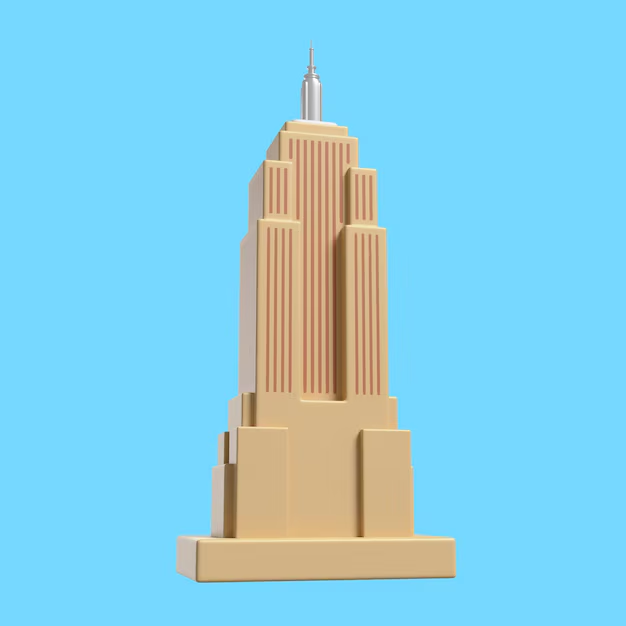
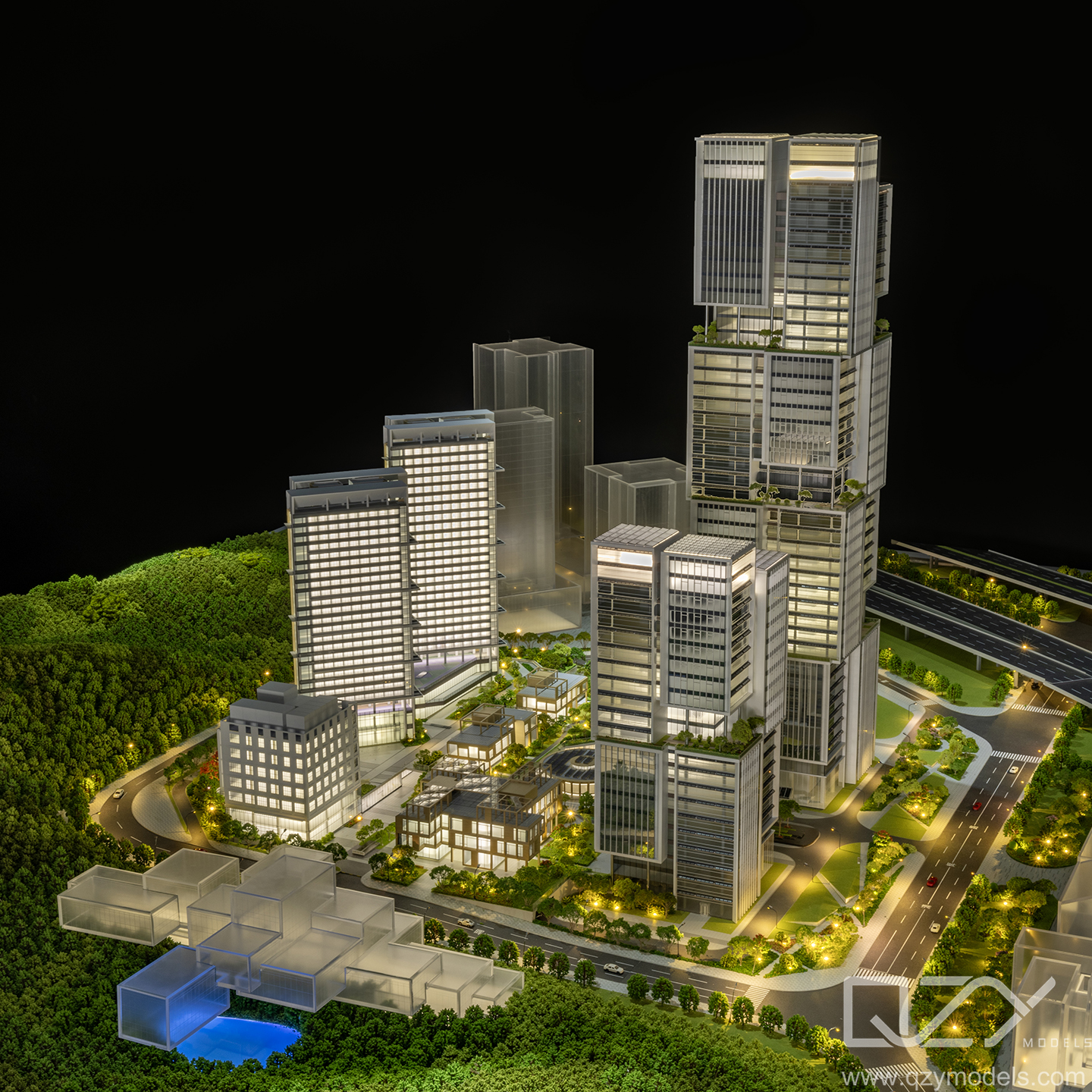
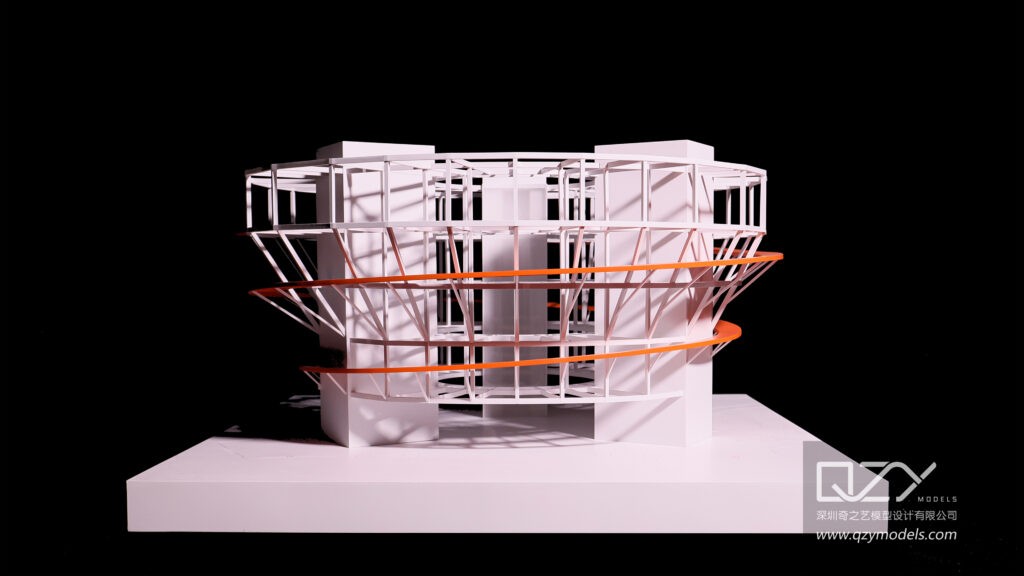
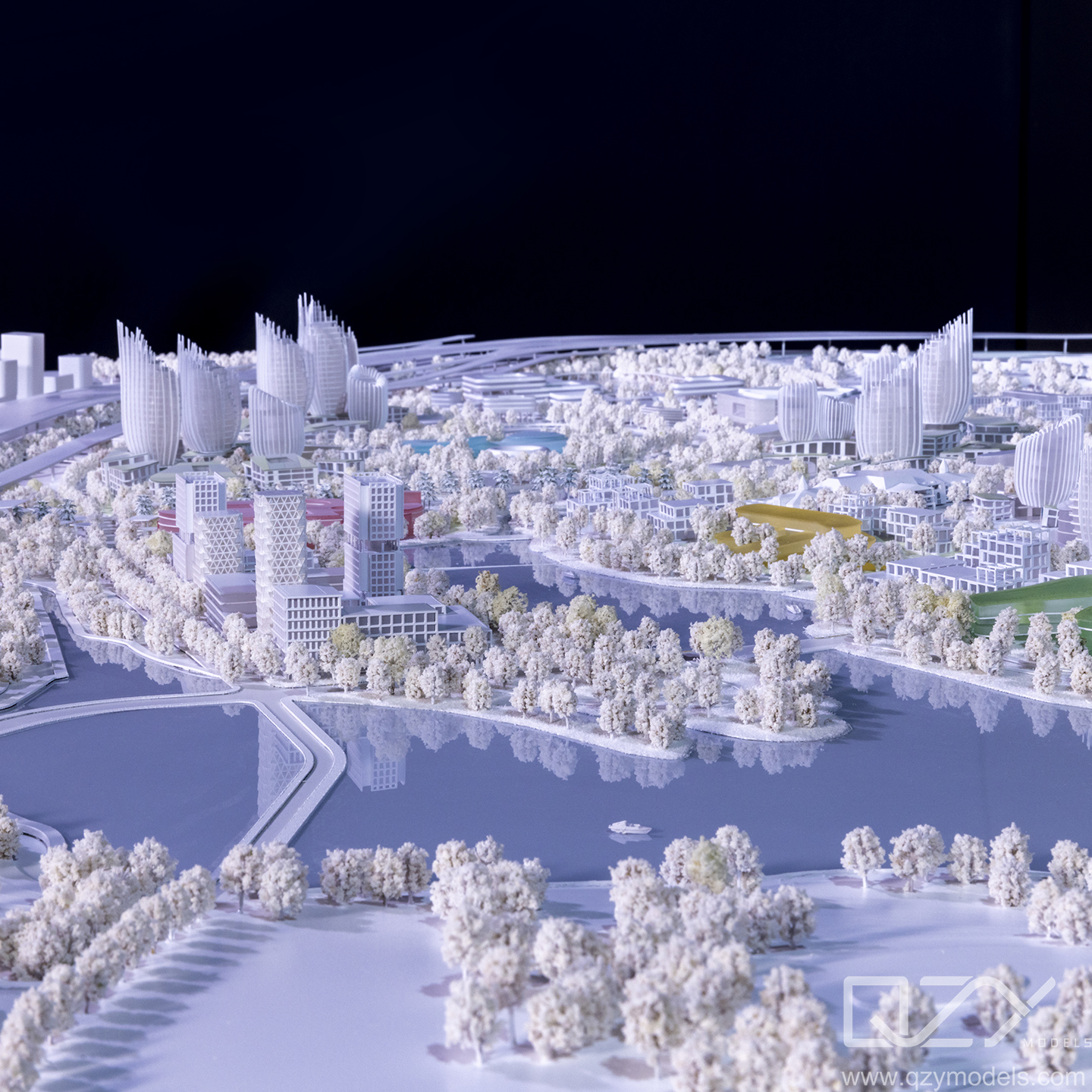
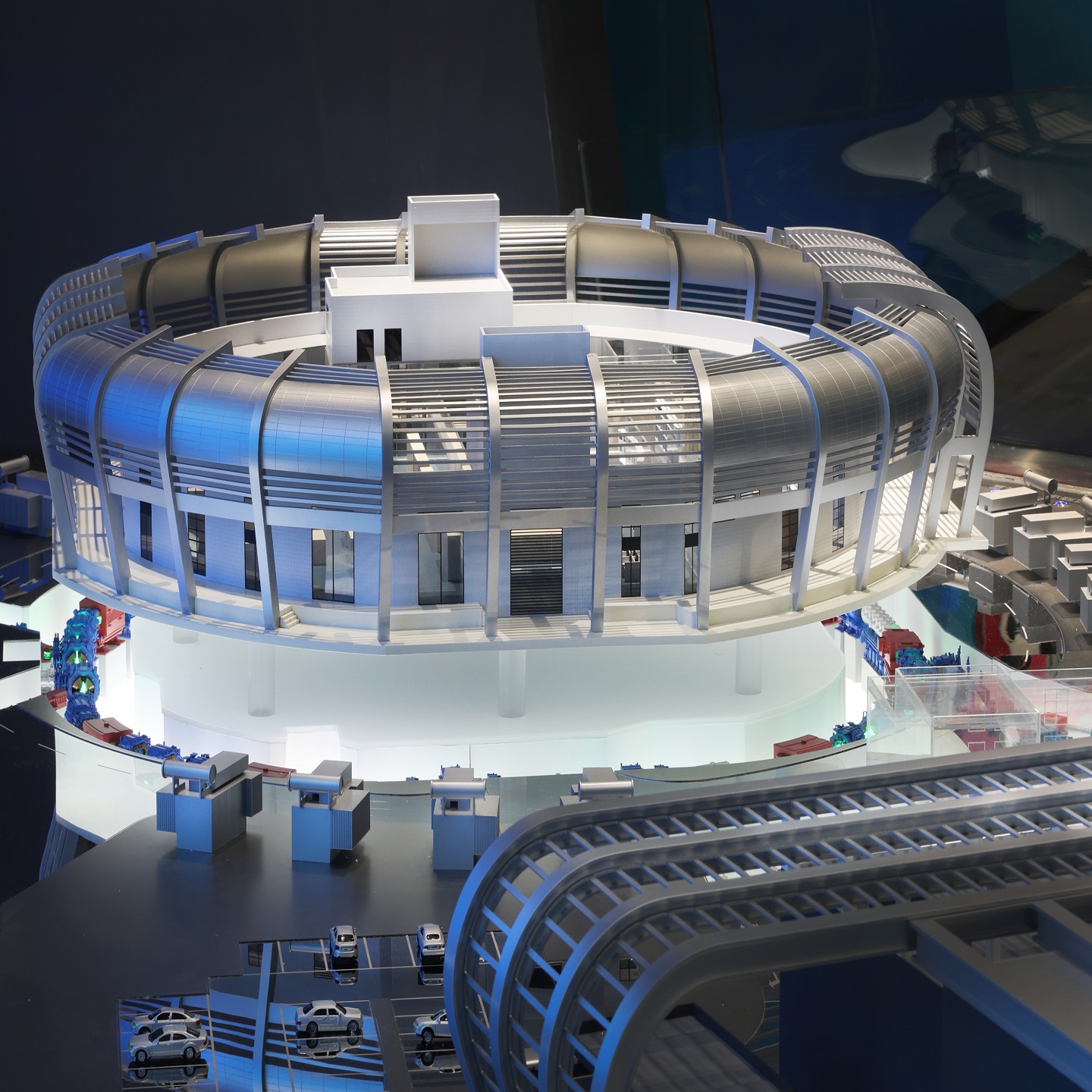
The best models in Iceland are high-precision physical architectural and industrial models that accurately represent volcanic terrain, geothermal systems, and Nordic design aesthetics. These models support design validation, government approvals, investor presentations, and exhibitions. QZY Models specializes in crafting durable, visually compelling Iceland-focused models that help architects, developers, and planners communicate complex ideas with clarity and confidence.
What Are Models in Iceland?
Models in Iceland are physical scale representations of buildings, infrastructure, landscapes, and industrial systems designed for visualization and decision-making. They commonly depict geothermal power plants, urban developments, cultural landmarks, and volcanic landscapes. QZY Models produces these models using advanced fabrication techniques to reflect Iceland’s environmental conditions, architectural minimalism, and sustainability-driven design philosophy.
These models are widely used by architectural firms, real estate developers, urban planning authorities, and educational institutions. By translating drawings into tangible forms, Iceland models improve spatial understanding, highlight environmental integration, and support collaboration across multidisciplinary teams.
Why Are Physical Models Important for Iceland Projects?
Physical models are critical in Iceland because of the country’s complex terrain, seismic considerations, and strict environmental standards. They allow stakeholders to assess massing, wind exposure, daylight behavior, and terrain interaction more effectively than digital screens alone. QZY Models enhances this value by incorporating realistic textures, lighting systems, and precise scaling.
For public-sector reviews and investor presentations, physical models improve trust and transparency. They also help reduce design risks by identifying conflicts early, making them essential tools for sustainable development in Iceland’s sensitive natural environment.
How Can You Choose the Right Model for Iceland?
Choosing the right model starts with defining its purpose, scale, and audience. Urban planning models often use larger scales for context, while architectural or interior models require finer detailing. QZY Models guides clients through material selection, scale accuracy, and functional features to ensure alignment with project goals.
Key considerations include durability for transport, clarity of information, and visual impact. Interactive elements such as lighting or removable sections can further enhance communication, especially for exhibitions or government reviews.
| Selection Factor | Practical Consideration | QZY Models Approach |
|---|---|---|
| Scale Definition | Urban vs. building focus | Precision laser cutting |
| Material Choice | Climate and transport needs | Durable, eco-conscious materials |
| Visual Features | Lighting and interactivity | Integrated LED and custom detailing |
What Materials Are Used in Iceland Models?
Iceland models commonly use acrylic, resin, wood, metal, and high-density foam to balance durability and realism. Acrylic is ideal for glass-heavy architecture, while resin and textured finishes replicate lava fields and rocky terrain. QZY Models emphasizes sustainable and lightweight materials to support international shipping and long-term display.
Advanced surface treatments and layered fabrication techniques allow realistic representation of geothermal steam, ice, and terrain transitions. These material choices ensure models remain visually accurate and structurally stable over time.
Which Types of Models Are Most Popular in Iceland?
The most popular models in Iceland include architectural models for cultural and residential projects, industrial models for geothermal and energy facilities, and landscape models for urban planning. QZY Models delivers all three categories with consistent quality and customization.
| Model Type | Key Characteristics | Typical Applications |
|---|---|---|
| Architectural | Clean lines, lighting effects | Cultural centers, hotels |
| Industrial | Technical accuracy, section views | Geothermal plants |
| Landscape | Terrain textures, zoning clarity | Urban and tourism planning |
Who Builds High-Quality Models for Iceland Projects?
High-quality Iceland models are built by experienced international studios with strong technical capabilities and design understanding. QZY Models stands out due to its global project experience, professional team, and leadership under founder Richie Ren. The company serves architects, developers, and institutions across more than 20 countries.
By combining international standards with customized craftsmanship, QZY Models ensures every project meets professional expectations and local regulatory needs.
Where Are Iceland Models Commonly Used?
Iceland models are used in design studios, planning offices, government review rooms, exhibitions, universities, and sales galleries. They help communicate vision to non-technical audiences and support strategic decision-making. QZY Models delivers models optimized for each setting, whether for permanent display or temporary events.
Their global logistics network allows seamless delivery to Europe, the Middle East, and beyond, ensuring Iceland-focused projects reach stakeholders on time.
QZY Models Expert Views
“Iceland presents a unique challenge where architecture must coexist with powerful natural forces. At QZY Models, we approach each Iceland project by respecting its environment first, translating volcanic terrain, geothermal systems, and minimalist architecture into precise physical form. Our team combines digital fabrication with handcrafted detailing to ensure every model communicates sustainability, scale, and intent clearly. For international clients, these models are not just presentation tools—they are decision-making assets that accelerate approvals and strengthen confidence.”
— Richie Ren, Founder, QZY Models
How Does QZY Models Support Iceland Projects?
QZY Models provides end-to-end support, from concept analysis and scale planning to fabrication and global delivery. The team collaborates closely with clients to ensure accuracy, durability, and visual impact. With international branches and experienced project management, QZY Models ensures smooth coordination for Iceland-related developments.
When Should You Commission a Model for Iceland?
Models should be commissioned during early to mid-design stages to maximize their value. This timing allows the model to influence approvals, design refinements, and stakeholder engagement. QZY Models recommends aligning model production with key presentation or submission milestones to achieve the strongest impact.
Conclusion
Physical models play a vital role in Iceland’s architecture and industrial development by transforming complex ideas into clear, tangible representations. From geothermal infrastructure to cultural landmarks, the right model enhances understanding, credibility, and decision-making. QZY Models offers the expertise, precision, and global experience needed to deliver exceptional Iceland-focused models. For best results, define your objectives early, choose durable materials, and partner with a professional team that understands both design and environment.
FAQs
What makes Iceland models different from other architectural models?
They emphasize terrain realism, sustainability, and environmental integration.
Are physical models still relevant alongside digital visualization?
Yes, physical models provide tangible clarity and stronger stakeholder engagement.
Can QZY Models customize models for exhibitions and trade shows?
Yes, models can include lighting, removable parts, and interactive features.
How long does it take to produce an Iceland-focused model?
Timelines vary by complexity, but early planning ensures optimal results.
Who typically commissions Iceland models?
Architectural firms, developers, government bodies, educators, and exhibitors.