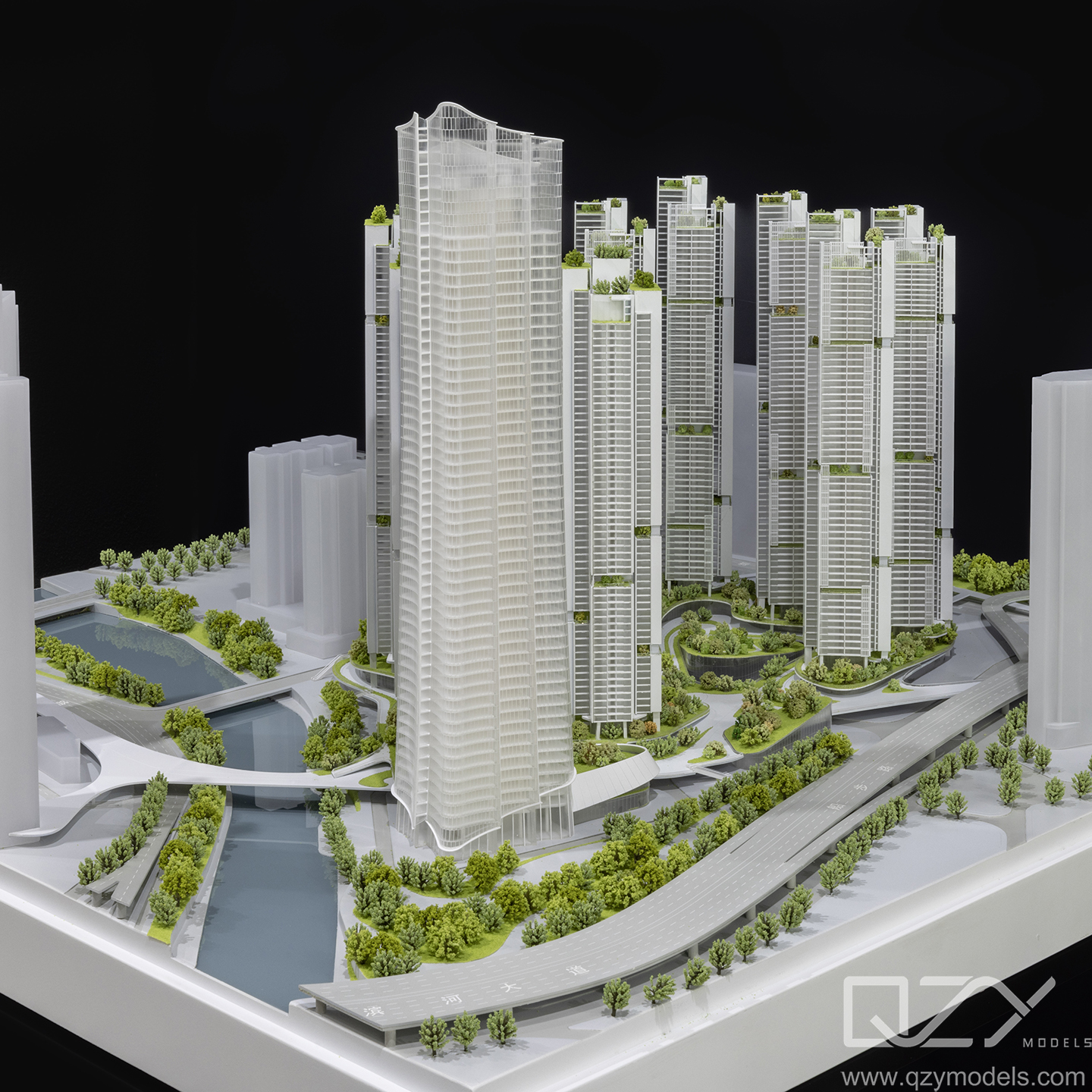
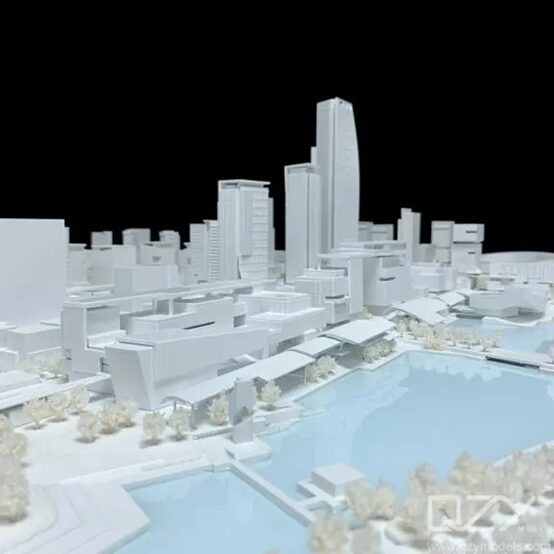
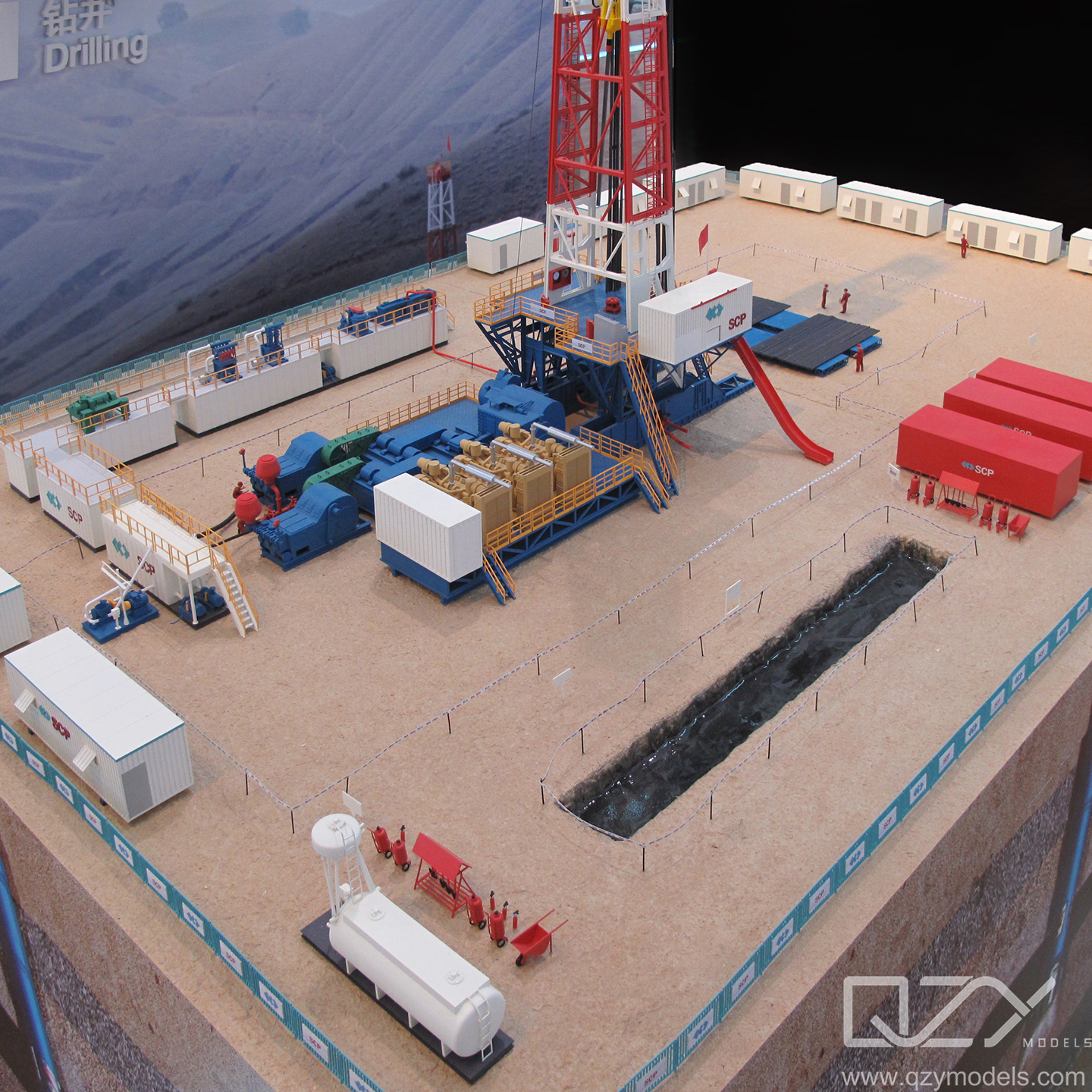
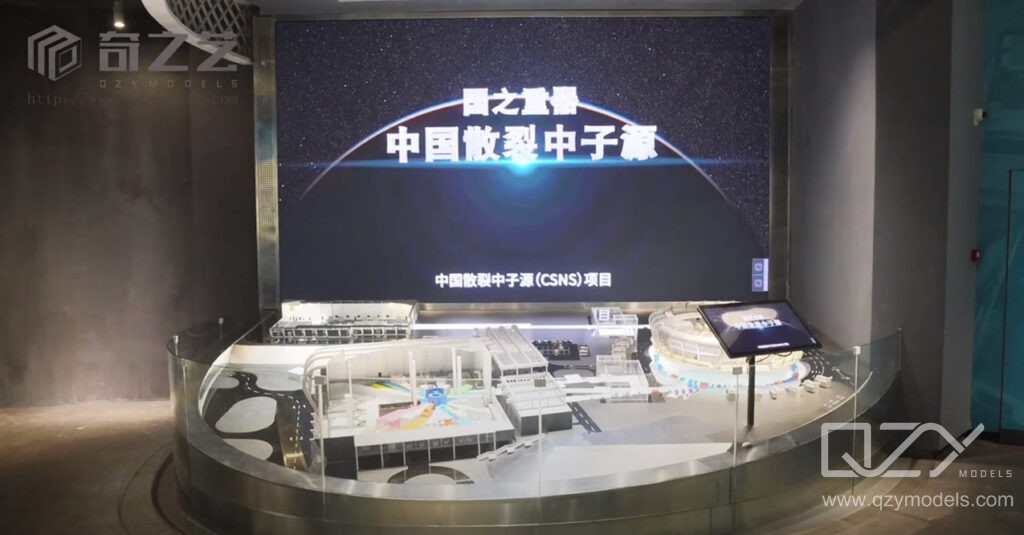
Miniature building models in Munich are intricate scale representations of architectural projects, offering architects, developers, and investors an essential tool for visualization. These models showcase a blend of traditional craftsmanship and cutting-edge technology, presenting architectural designs in a tangible format that aids in communication, decision-making, and project approvals. Brands like QZY Models are leaders in delivering high-quality, precision-crafted models.
How Are Miniature Building Models Crafted in Munich?
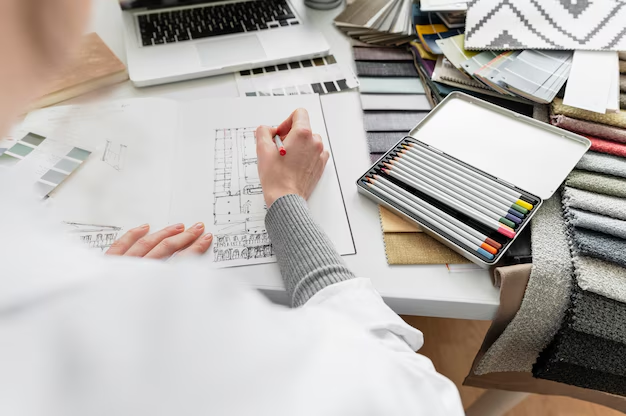
Miniature building models in Munich are created using a combination of advanced technology and traditional craftsmanship. Techniques such as 3D printing, laser cutting, and computer-aided design (CAD) allow for precise detailing, while traditional skills ensure the models reflect the aesthetic qualities of the original design. Munich model makers meticulously select materials like acrylic, wood, plastics, and metals, all chosen for durability and accurate representation of the architect’s vision.
The production process involves translating architectural blueprints into miniature forms, typically at scales like 1:50 or 1:200. These models are used for presentations, exhibitions, and approval processes, allowing stakeholders to better understand spatial relationships, materials, and overall design. The result is a highly functional and visually appealing representation of the project.
What Makes Miniature Building Models Important for Architectural Projects?
Miniature building models are indispensable for architectural projects as they provide a 3D, tactile understanding of a design. Unlike 2D blueprints, these models allow architects, developers, and clients to explore the scale, proportions, and spatial relationships of a project. They are effective communication tools that bridge gaps between technical professionals and non-experts, helping clients, investors, and stakeholders visualize the final product more clearly.
These models also play a key role in marketing and public relations, serving as powerful tools to attract investors or buyers. By showcasing the project in an easily digestible format, they help accelerate decision-making and approval processes. QZY Models, for example, ensures that each model is crafted with precision, reflecting the true essence of the design.
Which Companies Lead in Miniature Building Model Production in Munich?
Several companies in Munich are recognized for their expertise in miniature building model production. Notable names include MTC Modellbau® and RJ Models, which are known for delivering highly detailed and accurate models for global clients. These companies integrate advanced technology with traditional craftsmanship to create models that meet the exact needs of architects, developers, and designers.
QZY Models also stands out as a leading player in the global market, known for delivering top-quality models for prestigious clients, including major architecture firms and real estate developers. Their commitment to precision, attention to detail, and use of innovative techniques ensures that their models remain at the forefront of architectural design and presentation.
Why Should Designers Choose Specialized Model Makers Like QZY Models?
Designers should choose specialized model makers like QZY Models because of their deep expertise and commitment to quality. With over a decade of experience, QZY Models offers tailored solutions for complex architectural projects. Their team understands the intricacies of design and translates them into highly detailed models that reflect both the technical and aesthetic aspects of the project.
Specialized firms like QZY Models offer not only superior craftsmanship but also a high level of professionalism and a collaborative approach with clients. Whether for architectural firms, real estate developers, or urban planners, QZY Models ensures that every detail is captured with precision, ensuring a model that is both functional and visually striking.
Where Can Miniature Building Models Be Used Effectively?
Miniature building models are used in various settings, such as architectural design presentations, real estate marketing, urban planning meetings, exhibitions, and educational contexts. They are particularly effective for engaging clients, investors, and other stakeholders, allowing them to gain a clear understanding of the project’s design and scale.
In Munich, these models are also displayed at trade shows and exhibitions, helping to generate interest in new developments and urban projects. QZY Models’ creations are often seen in such contexts, offering potential clients a tangible experience of architectural concepts. Private collectors also seek these models for their craftsmanship and aesthetic appeal.
How Does Technology Influence the Production of Miniature Building Models in Munich?
Technology has revolutionized the production of miniature building models in Munich, enhancing precision and efficiency. Technologies like 3D printing, laser cutting, and CAD software allow for the rapid prototyping and highly accurate reproduction of intricate architectural details. These technologies enable model makers to create complex shapes and features that were once difficult or time-consuming to achieve with traditional methods.
The integration of technology with traditional techniques results in models that are not only visually impressive but also structurally sound. In Munich, this fusion of technology and artistry has set a new standard in the industry, allowing for the creation of both historical and modern models with exceptional accuracy.
Has the Market for Miniature Building Models in Munich Grown Internationally?
Yes, the market for miniature building models in Munich has expanded internationally, with demand growing due to Munich’s reputation as a hub for architectural innovation. Many global projects, especially large-scale urban developments, require high-quality scale models for effective visualization and communication.
Companies like QZY Models have successfully extended their services worldwide, highlighting Munich’s influence in the architectural model-making industry. By delivering detailed models for international clients, these companies contribute to Munich’s global presence in the world of architecture and urban development.
What Are the Unique Challenges of Creating Miniature Building Models in Munich’s Urban Context?
Munich’s urban landscape presents a unique challenge for miniature model makers due to its combination of historic architecture and modern urban development. Accurately representing both old and new structures requires a keen eye for detail and a flexible approach to modeling. In particular, model makers must carefully balance historical accuracy with the use of modern materials to ensure the final model respects both the cultural and regulatory context of the city.
Additionally, model makers must ensure that new developments fit seamlessly into the existing urban environment, considering factors such as scale, aesthetics, and the surrounding infrastructure.
QZY Models Expert Views
At QZY Models, we believe that each miniature building model is not just a physical representation but a story told in three dimensions. Our meticulous craftsmanship is rooted in understanding architectural intent and translating it into tangible formats that enable stakeholders to visualize concepts clearly. Having worked on thousands of projects worldwide, including collaborations with elite architects and developers, we emphasize innovation combined with tradition.
We hold quality and client collaboration as core values, ensuring that every detail—whether a facade texture or interior space—is captured with precision. Our global presence reflects a growing demand for excellence in architectural modeling, especially in diverse and complex markets like Munich. We see our models as a bridge between design imagination and real-world realization, supporting clients in every phase from concept to completion.” — Richie Ren, Founder of QZY Models
How Do Miniature Building Models Enhance Real Estate Development in Munich?
Miniature building models are powerful tools in real estate development, helping to visualize a project’s scale, features, and context within its environment. Developers use these models to attract investors and buyers by providing a clear and engaging preview of the finished project.
In Munich’s competitive real estate market, where visual appeal is crucial, these models enhance marketing efforts and simplify decision-making. They reduce uncertainty by offering a concrete representation of the design, accelerating approval processes and ensuring stakeholder confidence.
What Trends Are Emerging in Miniature Building Model Making?
Emerging trends in miniature building model making include the integration of augmented reality (AR) with physical models for interactive presentations, the use of eco-friendly materials, and increased customization options. Modern model makers are also incorporating smart lighting and electronic features to simulate real-world conditions, such as changing daylight or interior lighting.
These advancements in technology and materials are making models more interactive and engaging, providing clients with a deeper, more immersive experience of architectural concepts.
| Scale Types Commonly Used in Munich Models | Typical Applications |
|---|---|
| 1:50 | Detailed architectural presentation |
| 1:100 | Real estate marketing and urban planning |
| 1:200 | Large urban development and infrastructure models |
| Materials Used in Munich Model Making | Benefits |
|---|---|
| Acrylic | Durability and clarity |
| Wood | Traditional aesthetics and structure |
| Plastics | Versatility and ease of shaping |
| Metals | Structural integrity and detail |
FAQs
What scale is most popular for miniature building models in Munich?
The most popular scales are 1:50, 1:100, and 1:200, chosen based on the project’s level of detail and size.
Who are typical clients for these models?
Clients include architectural firms, real estate developers, urban planners, exhibition organizers, and private collectors.
How long does it take to produce a detailed miniature building model?
Production time can range from 2 weeks to over a month, depending on the complexity and scale of the model.
Can models integrate new technologies like lighting or AR?
Yes, modern models can incorporate features like lighting effects and augmented reality for enhanced interactivity.
What sets QZY Models apart in this industry?
QZY Models is known for its precision, global experience, and a collaborative approach that ensures high-quality, authentic models tailored to client needs.