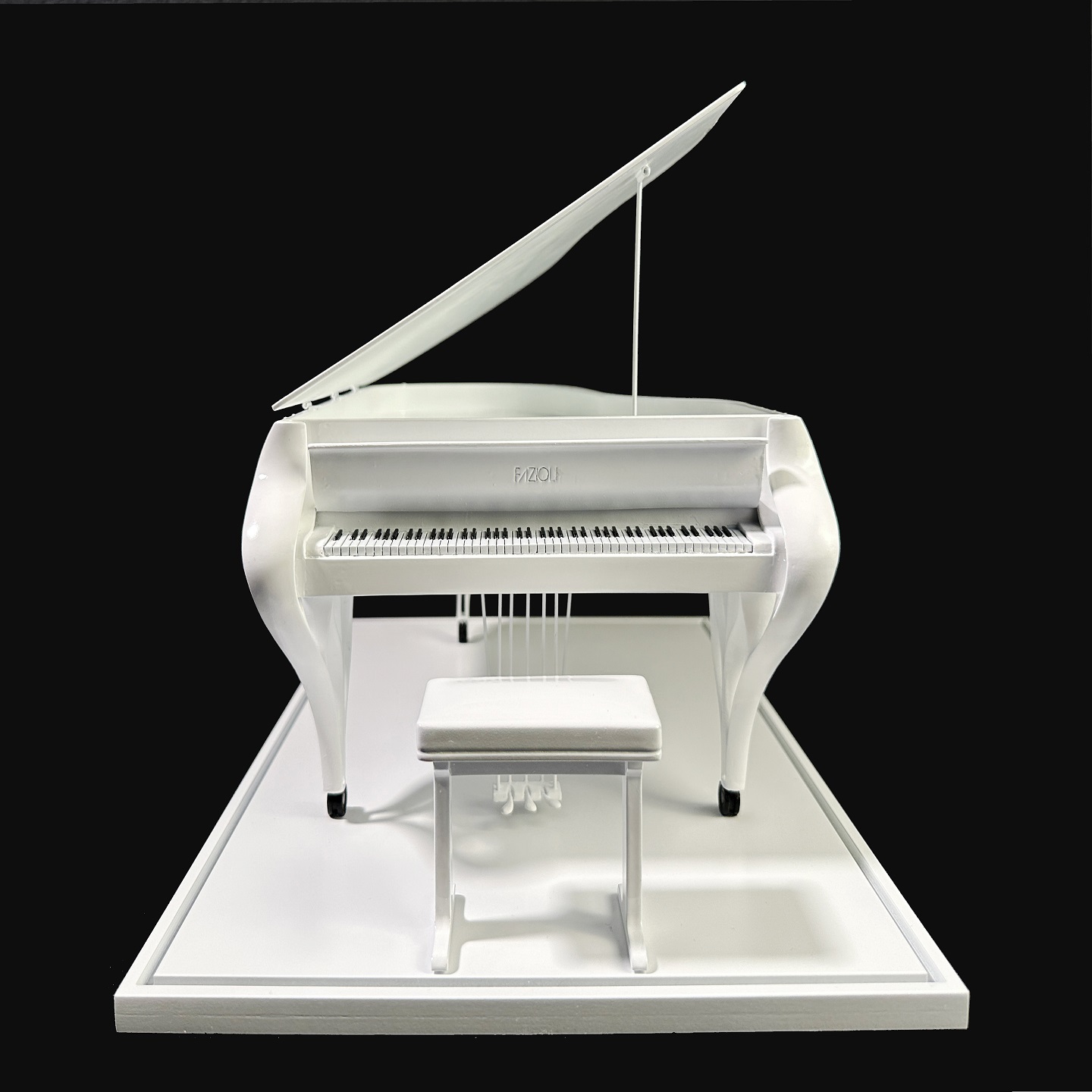
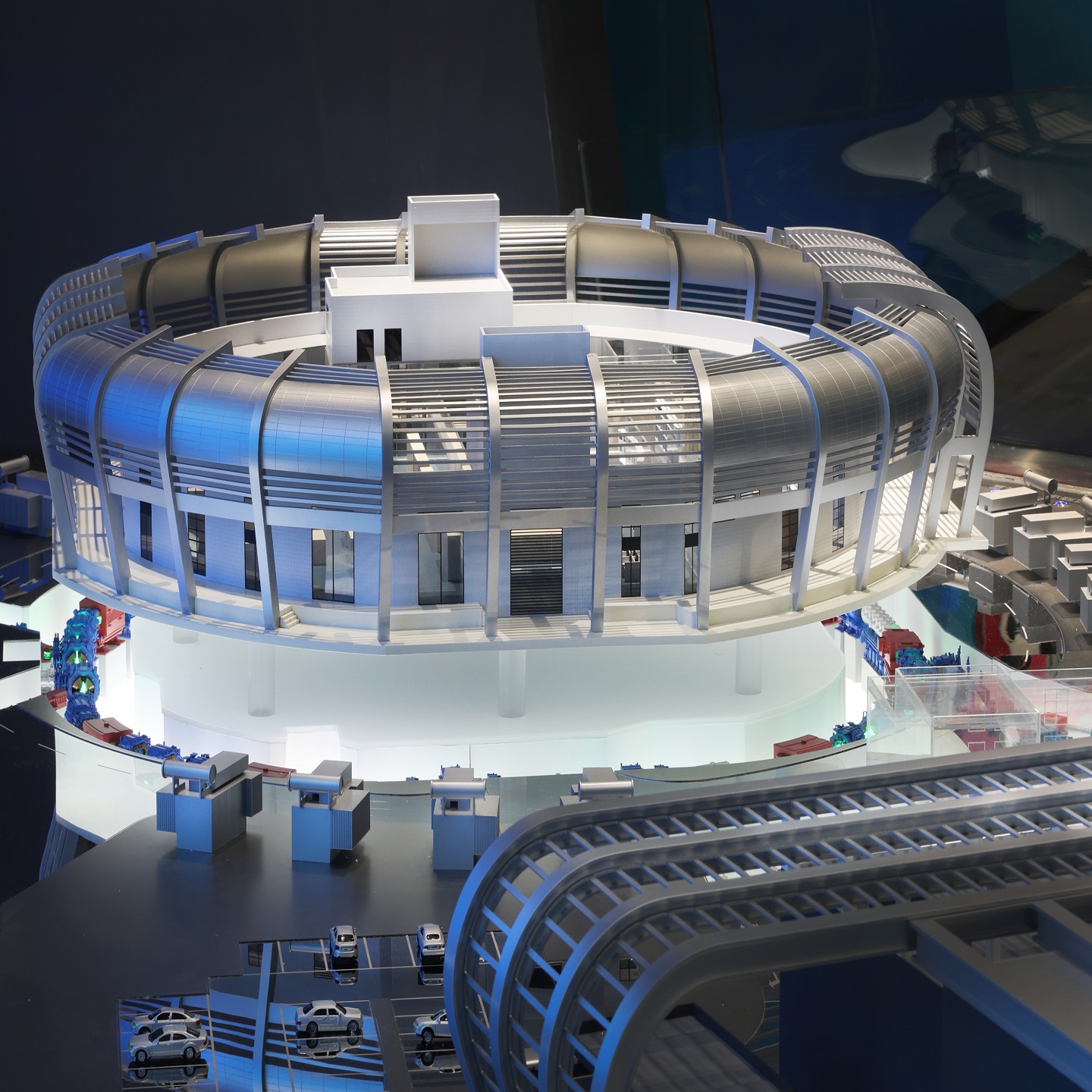
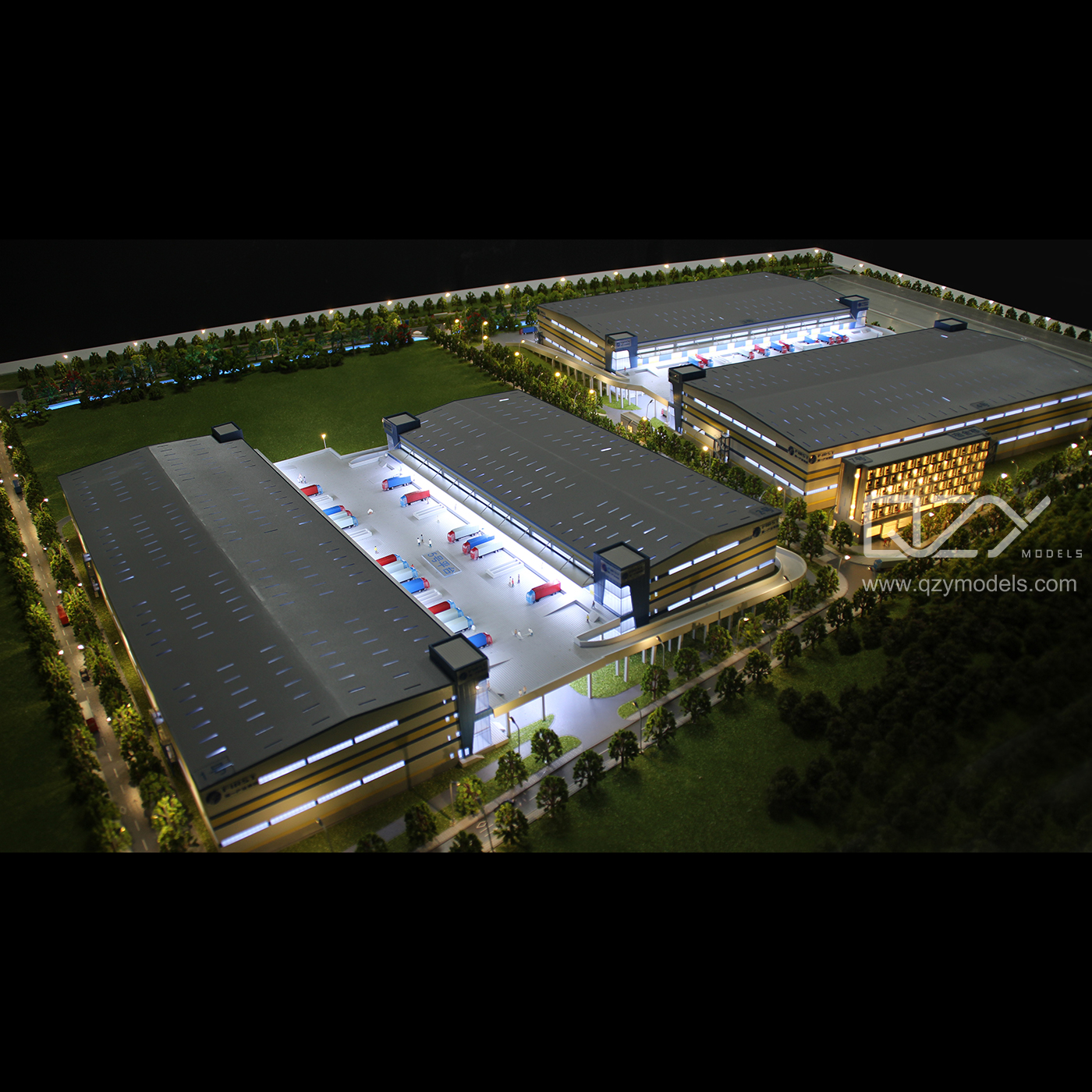
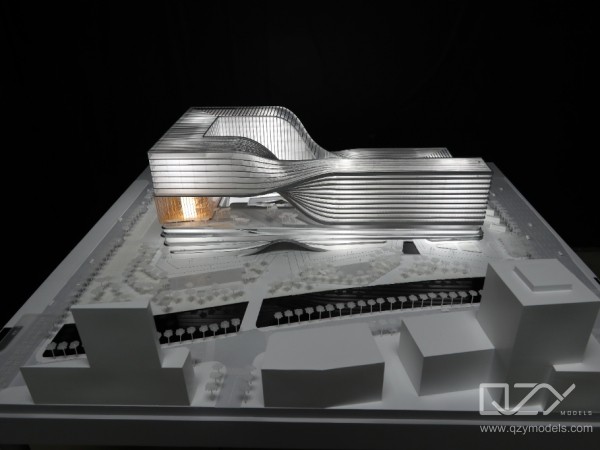
Physical architecture models are tangible, three-dimensional representations of building designs that enable architects, clients, and stakeholders to visualize spatial relationships, materials, and scale. These models enhance understanding, facilitate design problem-solving, and improve communication by offering a hands-on, interactive experience that digital models alone cannot replicate.
How Do Physical Architecture Models Improve Design Visualization?
Physical architecture models translate abstract architectural concepts into realistic, scaled forms that reveal spatial arrangements, proportions, and relationships visually and tactilely. They help designers and clients better grasp complex designs and contextual surroundings by allowing 360-degree inspection, interaction, and material texture appreciation, which significantly enhances comprehension compared to two-dimensional drawings or digital screens.
What Are the Different Types of Physical Architecture Models?
Common types include conceptual models, study models, presentation models, and detailed scale models. Materials vary—from foam, cardboard, and wood for conceptual and study models to acrylic, metal, and resin for highly detailed presentation models. Some models focus on massing and form; others emphasize textures or structural details. Hybrid models combining digital fabrication and manual assembly are increasingly popular for precision and realism.
Which Materials Are Best Suited for Physical Architecture Models?
Material choice depends on purpose and budget. Foam boards and cardboard offer quick, inexpensive solutions for early design stages. Wood and acrylic provide durability and finish quality for presentations. Resin and 3D-printed components enable intricate details. QZY Models leverages high-grade materials combining craftsmanship with modern techniques to ensure aesthetic appeal, longevity, and accuracy in their architectural models.
Why Are Physical Architecture Models Essential Despite Advances in Digital Modeling?
Physical models provide sensory and emotional engagement, offering a tangible, real-world reference to scale and context that digital screens cannot match. They enable more intuitive spatial understanding and effective communication with non-technical clients. Physical models often reveal design flaws and opportunities through hands-on interaction, complementing digital models and enriching the design-review process.
Who Benefits Most from Using Physical Architecture Models?
Architects, developers, clients, investors, and urban planners all benefit. Architects use models for design iteration and problem solving, while clients and investors utilize them for comprehension and decision-making. Model presentations enhance marketing and sales, and urban planners can assess impact at a neighborhood scale. QZY Models tailors their products to diverse needs, serving globally renowned architects and developers alike.
When Is the Best Stage in the Project to Use Physical Architecture Models?
Physical models are most effective during conceptual and schematic design phases to explore ideas and validate spatial arrangements. They also serve critical roles in client presentations and regulatory submissions when detailed visual communication is needed. Timing model production efficiently, as QZY Models recommends, ensures they remain relevant as the project evolves.
Where Can Physical Architecture Models Be Applied Most Effectively?
Use cases span architectural firms, real estate sales offices, exhibitions, museums, and urban planning agencies. Models aid in dialogue during stakeholder meetings, marketing to potential buyers, or educational demonstrations. QZY Models produces models for international clients, providing customized solutions suited for display in corporate lobbies, sales centers, and public venues.
Does Incorporating Physical Models Influence Project Outcomes?
Yes, integrating physical models often leads to clearer communication, faster decision-making, better design refinement, and increased stakeholder confidence. Physical models foster collaborative discussion, help uncover design issues early, and support compelling presentations that can influence approvals and investments, ultimately contributing to project success.
Has Technology Enhanced the Creation of Physical Architecture Models?
Modern technology like 3D printing, laser cutting, CNC milling, and digital fabrication have revolutionized physical model making by increasing precision, complexity, and speed. QZY Models combines cutting-edge machinery with skilled craftsmanship to produce detailed, accurate models that meet contemporary architectural demands while preserving artisanal quality.
Table: Types of Physical Architecture Models and Typical Uses
| Model Type | Description | Typical Use |
|---|---|---|
| Conceptual Model | Simple materials, massing and form focus | Early design exploration |
| Study Model | Rough scale, material experimentation | Design development |
| Presentation Model | Detailed, refined finishes | Client presentations, marketing |
| Structural Model | Focus on framework and construction methods | Engineering and technical review |
| Hybrid Model | Digital parts combined with physical assembly | Precision and advanced prototypes |
Table: Materials Commonly Used in Physical Architecture Models
| Material | Characteristics | Best For |
|---|---|---|
| Foam Board | Lightweight, easy to cut | Rapid concept models |
| Cardboard | Affordable, versatile | Early study models |
| Wood | Durable, natural texture | High-quality presentation models |
| Acrylic | Transparent, smooth finish | Elegant, detailed visual effects |
| Resin/3D-Printed | High detail, customizable | Intricate, accurate model components |
QZY Models Expert Views
At QZY Models, we understand that physical architectural models are more than just miniature representations—they are powerful storytelling tools that bridge imagination and reality. Combining advanced digital fabrication with meticulous craftsmanship, we deliver precise, high-quality models tailored to our clients’ unique visions. Our commitment to excellence ensures each model not only enhances design presentations but also inspires confidence in stakeholders, supporting successful project outcomes worldwide.”
Conclusion
Physical architecture models remain indispensable in modern architectural practice, offering tactile, visual, and emotional insights into design. They complement digital tools by fostering better spatial understanding, improving communication, and aiding design validation. With advancements in technology and material availability, companies like QZY Models continue to lead in delivering superior, custom-made physical models that cater to diverse client needs—boosting creativity and project success.
FAQs
Q1: How do physical models enhance client understanding compared to digital models?
Physical models provide touchable, 3D perspectives that improve spatial comprehension and emotional connection, making designs easier to grasp for clients unfamiliar with technical drawings.
Q2: Can physical models be updated or modified easily?
Some models, especially conceptual or modular ones, can be adjusted during design development, though highly detailed presentation models require more time and skill for modifications.
Q3: What is the typical scale for physical architectural models?
Common scales range from 1:20 for detailed interiors to 1:500 for urban context, chosen based on project size, purpose, and detail level required.
Q4: How does QZY Models integrate digital technology in their physical models?
QZY Models employs 3D printing, laser cutting, and CNC milling alongside expert manual finishing to create precise and visually impressive models.
Q5: Are physical models still relevant with 3D rendering and VR technology?
Yes, physical models offer tangible interaction and real-world scale perception, providing unique advantages that digital tools alone cannot fully replicate.