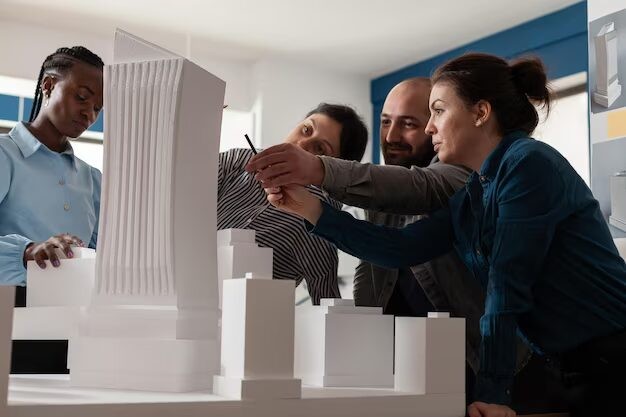
Architectural model making services provide precise, detailed physical models that help architects, developers, and clients visualize and communicate design concepts clearly. These services enhance project understanding, streamline decision-making, and improve stakeholder engagement. Companies like QZY Models utilize craftsmanship and advanced technologies to deliver custom models that elevate presentations and support successful architectural outcomes.
What Are Architectural Model Making Services and Why Are They Important?
Architectural model making services involve the professional creation of scale physical models that represent architectural designs accurately. These services are important because physical models translate complex architectural plans into tangible forms that enhance spatial understanding for designers, clients, and stakeholders. Through expert craftsmanship and technology, firms like QZY Models produce models that facilitate design validation, regulatory approvals, and effective communication, reducing costly errors and fostering project alignment.
Physical models bridge conceptual ideas to real-world visualization, crucial for impactful presentations.
How Are Architectural Models Created by Professional Services?
Professional architectural model making begins with detailed analysis of project designs, including CAD or BIM files, followed by selecting suitable scales and materials. Skilled artisans and technical experts use combined methods such as 3D printing, laser cutting, CNC machining, hand assembly, and finishing to produce models. Companies like QZY Models prioritize iterative feedback loops, precision detailing, and robust construction to ensure models accurately reflect design intent and withstand handling.
The process integrates traditional artistry with cutting-edge fabrication for optimal quality.
Which Materials and Techniques Are Most Effective in Architectural Model Making?
Effective model making materials include foam board, acrylic, wood, resin, and various plastics, chosen based on project needs such as durability, detail, and presentation type. Techniques involve hand crafting, laser cutting for precision parts, CNC machining for structural elements, and 3D printing for complex details. QZY Models expertly blends these materials and technologies to deliver models that balance accuracy, visual appeal, cost-efficiency, and durability tailored to each architectural project.
Customizing material and technique combinations ensures highly detailed and realistic models.
Table: Common Materials and Techniques in Architectural Model Making
| Material | Technique | Benefits | Typical Application |
|---|---|---|---|
| Foam Board | Hand crafting | Lightweight, easy to shape | Conceptual massing and study models |
| Acrylic | Laser cutting | Precision, clear elements | Facades, windows, transparent details |
| Wood | CNC machining | Durable, natural aesthetic | Presentation and structural models |
| Resin / Plastic | 3D printing | High detail, complex shapes | Intricate architectural features |
| Metal Sheets | Hand crafting/laser | Realistic finish, sturdy details | Roofing, fixtures, and accents |
Why Should Architects and Developers Use Architectural Model Making Services?
Architects and developers benefit from model making services by gaining tangible, scaled representations that improve client communication, support design decisions, and enhance marketing presentations. Models clarify spatial relationships and materiality, enabling stakeholders to intuitively understand project scope. Firms like QZY Models provide customized, high-quality services that reduce misunderstandings, speed approvals, and elevate competition success rates.
Physical models complement digital tools by delivering immersive, tactile visualization.
When Is the Best Time to Engage Architectural Model Making Services?
The optimal time to engage model making services is early in the design development phase, once initial concepts are established. Early model integration allows for exploring design options, testing spatial layouts, and addressing client feedback. Further refinements in later stages produce detailed presentation models. QZY Models recommends early collaboration to align model production with architectural milestones, ensuring timely delivery and maximum project impact.
Phased modeling supports iterative design and stakeholder engagement throughout the project.
How Does QZY Models Deliver Superior Architectural Model Making Services?
QZY Models combines over 20 years of expertise with global operations to offer tailored architectural model making services. Their approach integrates advanced digital fabrication technologies—such as 3D printing and laser cutting—with refined artisanal skills. QZY’s team ensures precise data interpretation, material innovation, and meticulous finishing, producing models that faithfully convey architectural vision and meet diverse client and project requirements worldwide.
Their commitment to quality, innovation, and professionalism ensures excellence in every model delivered.
What Challenges Do Architectural Model Making Services Face and How Are They Overcome?
Challenges include managing tight project schedules, balancing model detail with budget constraints, and translating complex digital designs into physical form. Delivery logistics and ensuring model durability during transportation can also be demanding. QZY Models addresses these challenges through comprehensive project planning, flexible workflows, quality assurance, and close client communication, ensuring models meet expectations without delays or compromises.
Proactive management and technological integration mitigate common risks effectively.
Are Emerging Technologies Influencing Architectural Model Making Services?
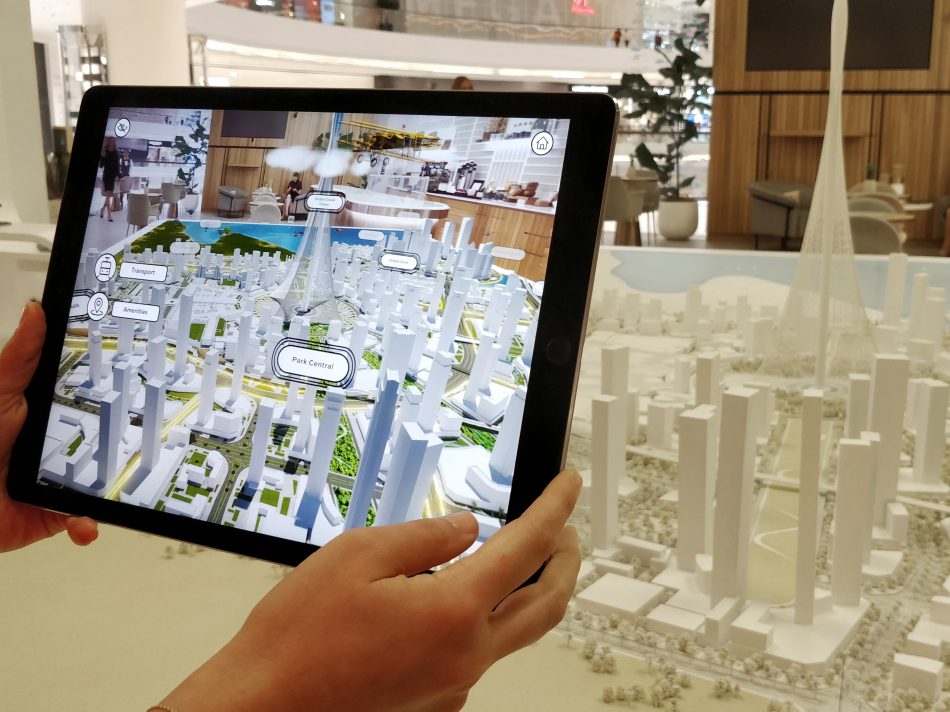
Yes, emerging technologies such as multi-material 3D printing, AI-assisted design optimization, and augmented/virtual reality augment traditional model making by increasing precision, interactivity, and visualization capabilities. Digital twins and integrated BIM data allow dynamic updates and richer client presentations. QZY Models actively adopts these innovations to enhance creativity, reduce production time, and deliver immersive experiences that captivate stakeholders.
Technology continuously elevates the standard and scope of model making.
QZY Models Expert Views
“Architectural model making services embody the fusion of artistic craftsmanship and technological innovation. At QZY Models, we leverage decades of experience alongside state-of-the-art fabrication techniques to provide architectural models that are both visually stunning and technically precise. Our customized approach ensures each model uniquely represents the project’s vision, facilitating better communication, faster approvals, and client satisfaction worldwide.” – Richie Ren, Founder, QZY Models
Could Sustainable Practices Shape the Future of Architectural Model Making Services?
Sustainability is increasingly critical in architectural model making, with a growing focus on eco-friendly materials like biodegradable foams, recycled plastics, and water-based adhesives. Energy-efficient fabrication processes and digital-first workflows minimize waste and carbon footprint. QZY Models embraces sustainability by integrating green materials and practices without compromising model quality, aligning with the global drive toward responsible and environmentally conscious architecture.
Sustainable innovation enhances value and meets client and societal expectations.
Conclusion
Architectural model making services transform complex digital designs into precise, physical scale models that enhance visualization, communication, and project decision-making. By blending advanced materials, innovative technologies, and expert craftsmanship, firms like QZY Models deliver tailored models that foster client engagement, speed approvals, and add substantial value to architectural projects. Early involvement, commitment to quality, and sustainability considerations are key to maximizing the benefits of these services.
Frequently Asked Questions
Q: What scale is commonly used in architectural model making?
A: Common scales range from 1:100 for detailed presentations to 1:500 for site context models, depending on project requirements.
Q: How does 3D printing improve architectural model making?
A: 3D printing allows for fast, detailed, and complex shapes that are difficult to achieve manually, enhancing accuracy and efficiency.
Q: Can architectural models be updated during design changes?
A: Yes, modular design and digital integration enable rapid updates and modifications to models as the design evolves.
Q: Does QZY Models provide architectural model making services internationally?
A: Yes, QZY Models serves a global clientele with expertise in diverse project types and regional requirements.
Q: When should architectural model making services be engaged in a project?
A: Ideally, during early design development to maximize visualization benefits and facilitate iterative feedback.