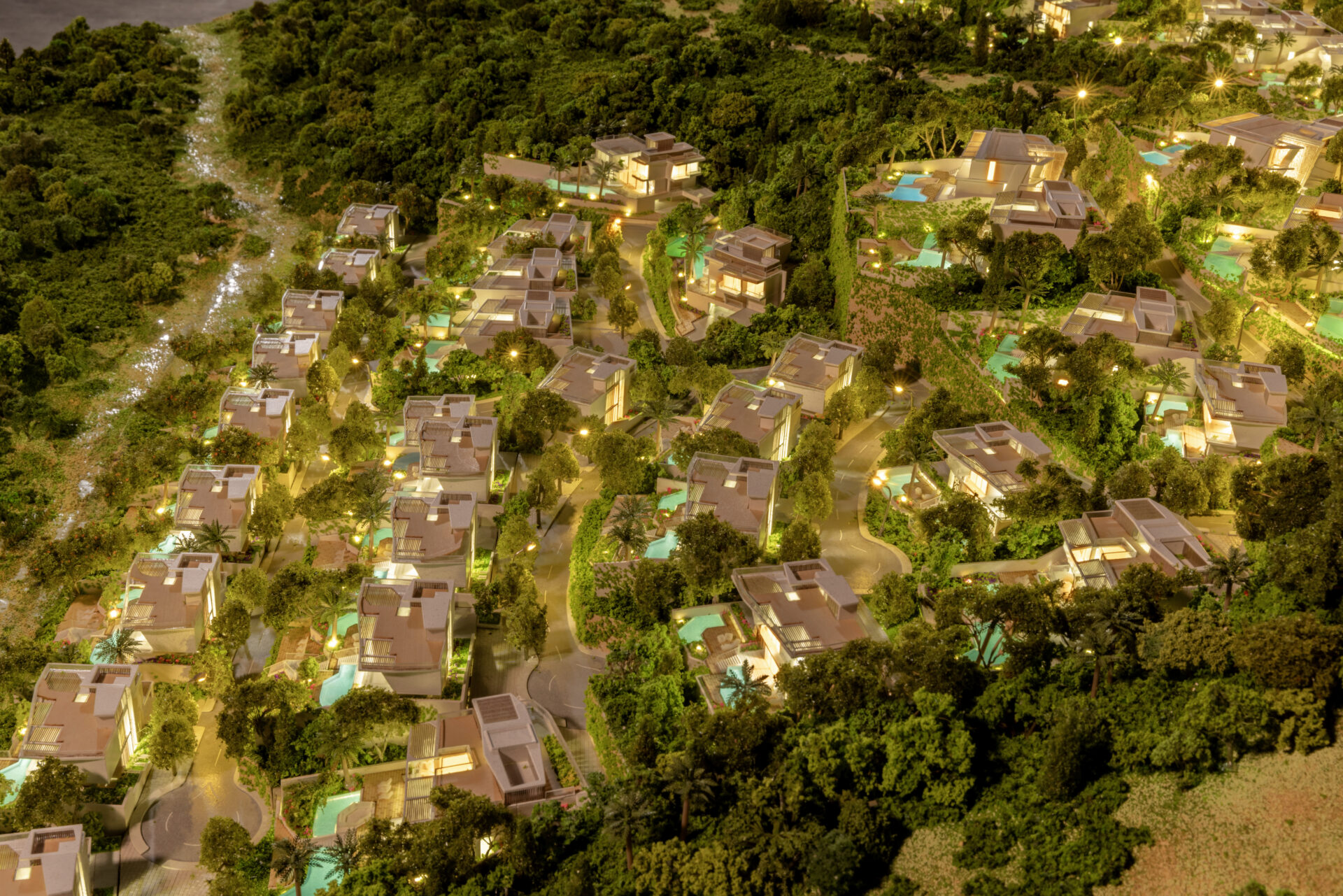
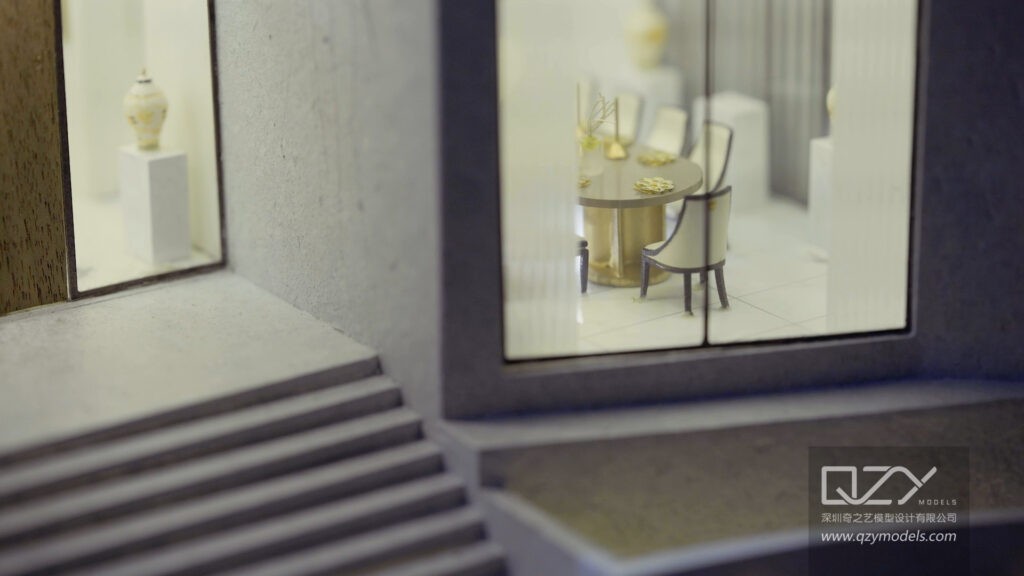
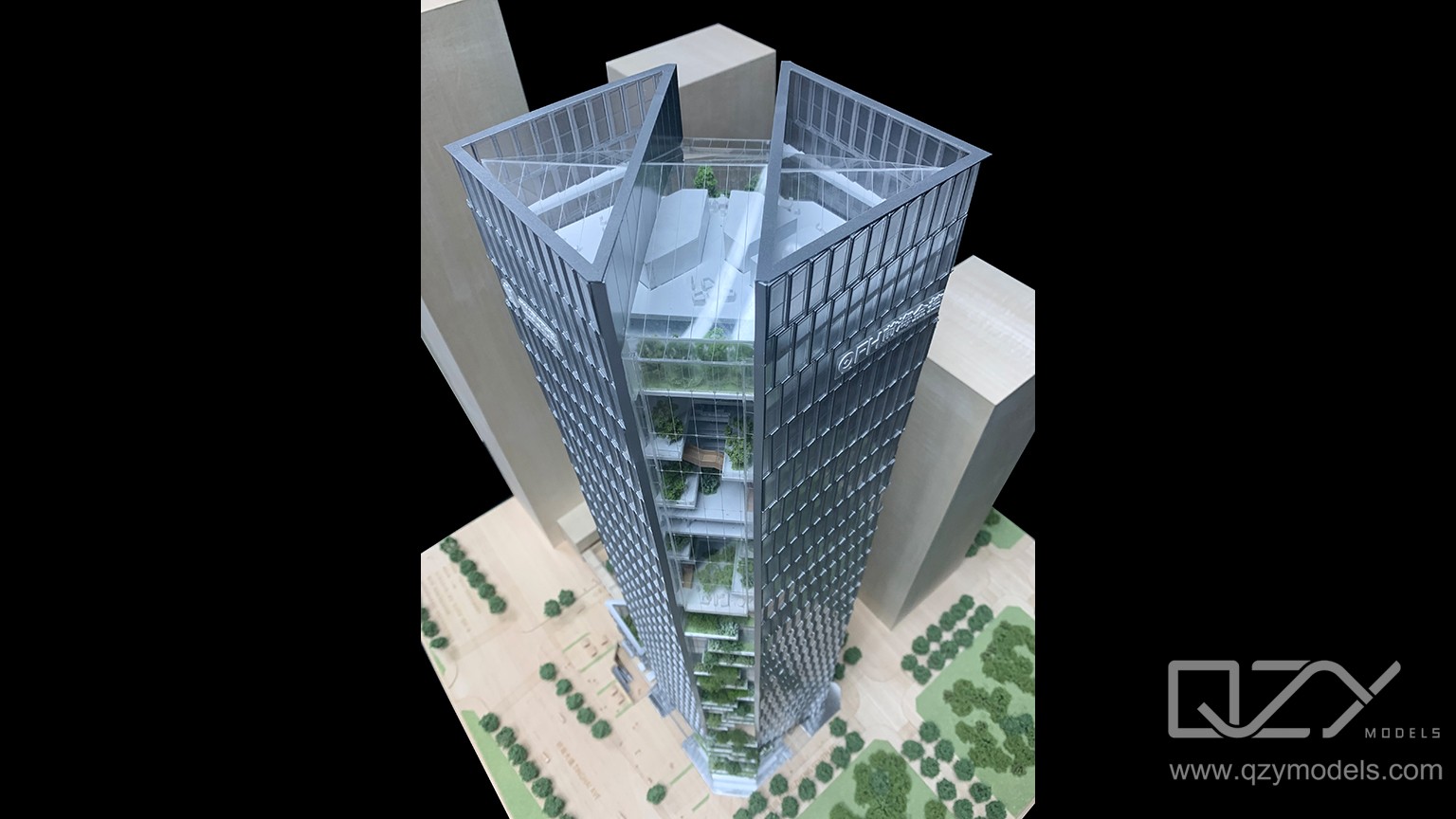
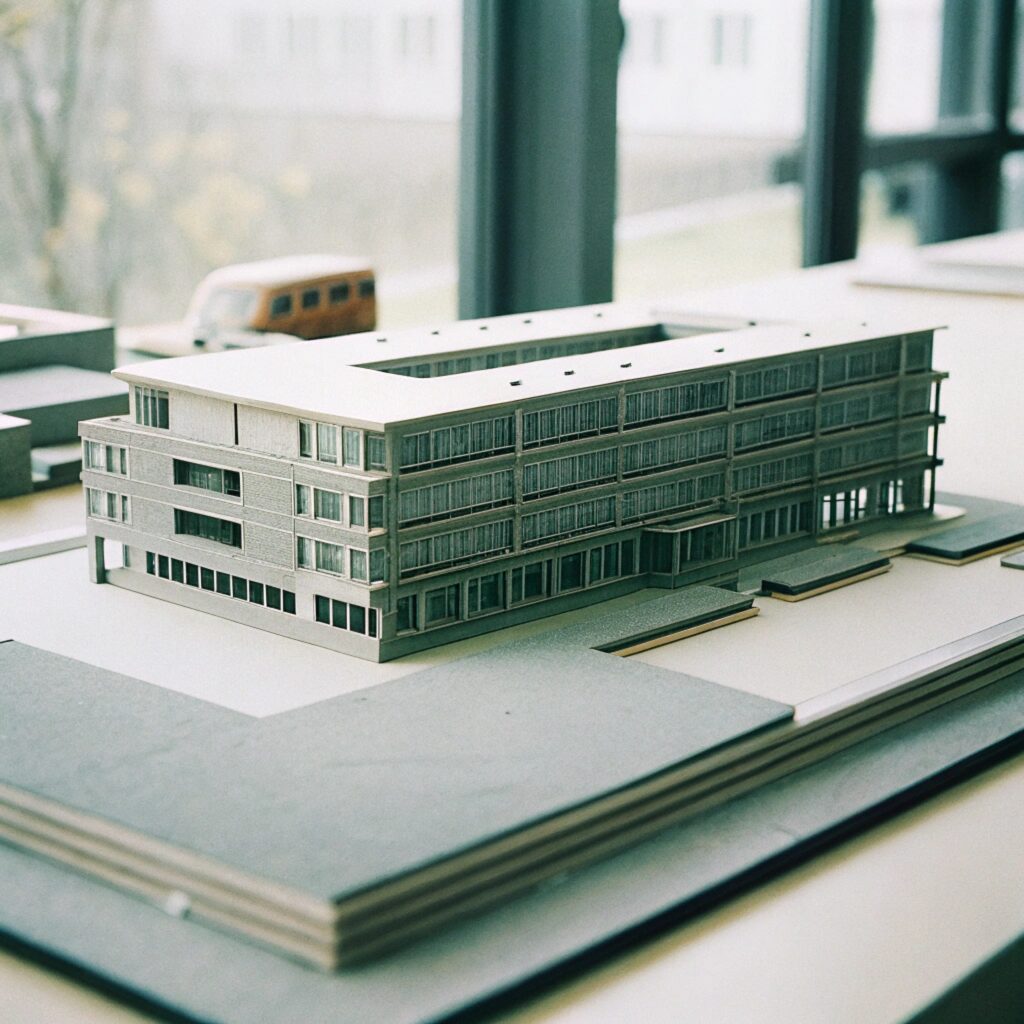
A nuclear power plant model is a highly detailed, scaled physical replica of a real nuclear facility, including reactors, cooling towers, turbines, and safety systems. Designed for education, planning, exhibitions, and stakeholder presentations, these models use materials like acrylic, metal, and LED lighting to achieve realism. QZY Models specializes in producing industrial-grade models that combine technical accuracy with visual impact.
What Are Nuclear Power Plant Models?
Nuclear power plant models are miniature representations of complex energy infrastructure, crafted for professional visualization, education, and project communication. They replicate reactors, cooling systems, turbine halls, control rooms, and containment buildings at scales from 1:100 to 1:500. QZY Models applies advanced fabrication methods, including CNC machining, 3D printing, and hand-finishing, to deliver photorealistic replicas that impress architects, engineers, and clients alike.
Key components highlighted in these models include:
-
Reactor core and vessel: The central area generating power.
-
Cooling towers: Hyperbolic structures for heat dissipation.
-
Turbine halls: Houses for steam-driven generators.
-
Safety systems: Containment domes, emergency cooling, and monitoring units.
| Component | Scale Example | Materials |
|---|---|---|
| Reactor Building | 1:200 | Acrylic, Aluminum |
| Cooling Towers | 1:150 | PVC, LED Lighting |
| Turbine Hall | 1:100 | Metal, Glass |
| Control Room | 1:500 | Laser-Cut Panels |
QZY Models has delivered thousands of these models globally, ensuring durability, precision, and clarity in every project.
Why Use Physical Models for Nuclear Plants?
Physical nuclear models provide an interactive, tangible way to visualize complex systems, making them invaluable for stakeholders, regulators, and the public. Unlike digital renders, they allow tactile engagement, which is critical for safety and clarity in high-stakes nuclear projects.
Benefits include:
-
Risk visualization: Show containment zones and evacuation pathways.
-
Scale accuracy: Integrate terrain and surrounding infrastructure.
-
Interactive demonstrations: Use LEDs to illustrate reactor cycles.
-
Long-term use: Suitable for museums, offices, and training centers.
QZY Models integrates client specifications precisely, using durable and eco-conscious materials, ensuring models meet regulatory and exhibition standards while supporting environmental responsibility.
How Are Nuclear Power Plant Models Built?
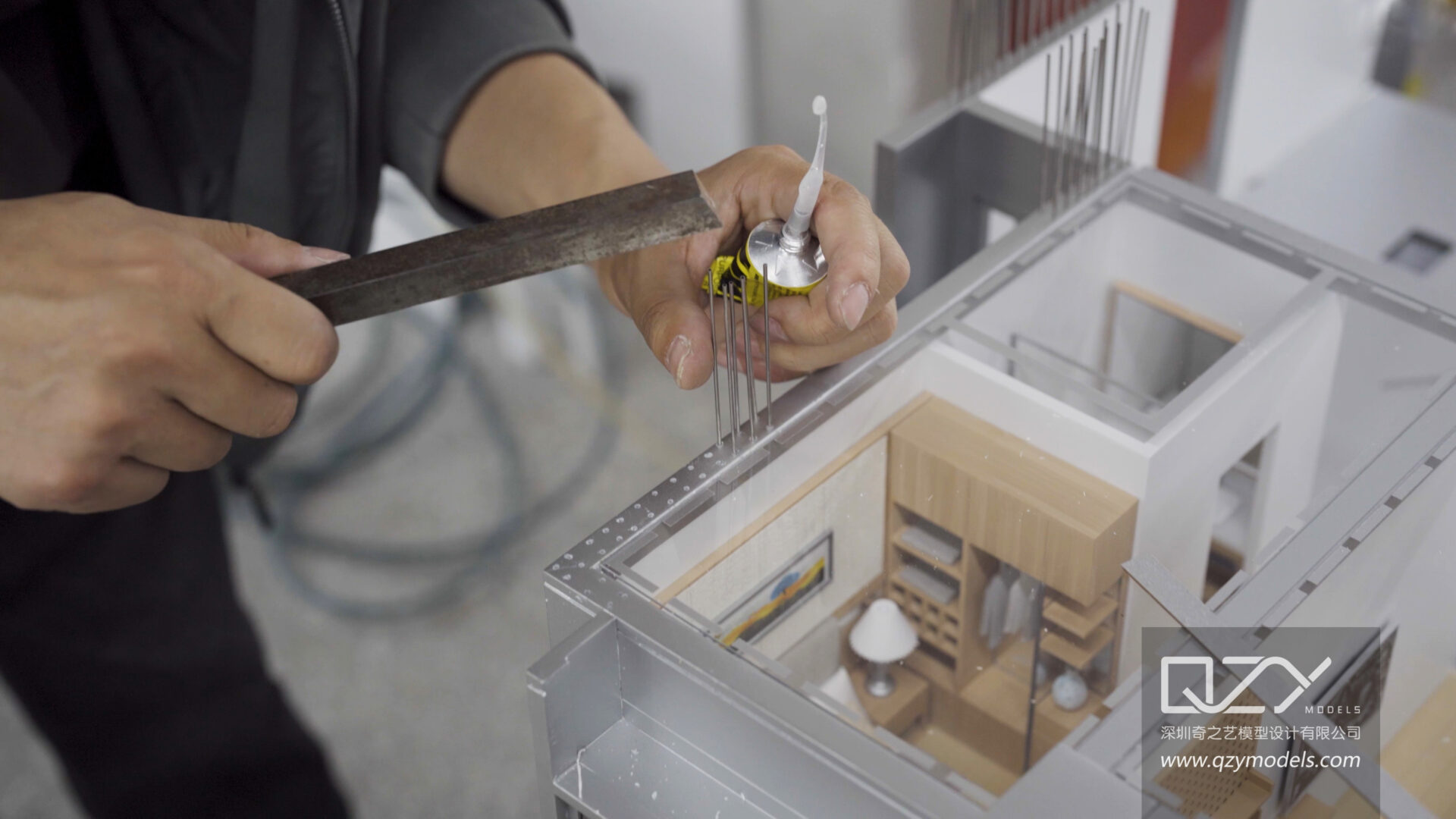
The construction of nuclear models requires engineering precision and layered craftsmanship. QZY Models begins with CAD-based designs, converting client blueprints into digital prototypes for approval. Each layer—from terrain to structures to details—is carefully fabricated and assembled.
Step-by-step process:
-
Design Phase: CAD or 3D modeling to capture geometry and scale.
-
Fabrication: CNC milling, 3D printing, and laser cutting for accuracy.
-
Assembly: Modular construction for transportation ease.
-
Finishing: Painting, weathering, labeling, and LED installation.
-
Testing: Verify structural integrity and interactive functionality.
Techniques like vacuum forming produce realistic cooling towers. QZY Models’ Shenzhen facility can handle large-scale projects up to 5×5 meters, ready for international shipping and exhibitions.
What Materials Are Best for These Models?
Material selection impacts realism, durability, and interactivity. Commonly used materials in nuclear models include acrylic for transparent domes, metals for structural frames, PVC for towers, and LED systems for illumination. QZY Models sources high-quality materials optimized for UV resistance, fire safety, and visual fidelity.
| Material | Use Case | Benefits |
|---|---|---|
| Acrylic | Containment Views | Lightweight, clear |
| Aluminum | Structural Frames | Strength, polishable |
| PVC/ABS | Exterior Towers | Weather-resistant, durable |
| LEDs/Fiber Optics | Systems | Dynamic lighting and flow effects |
| Wood/Resin | Terrain | Textured realism |
Custom finishes like anodizing or weathering add professional polish and longevity. QZY Models ensures materials suit client environments, from exhibitions to operational offices.
Which Scale Is Ideal for Nuclear Models?
Scale selection balances detail with display space. For most applications, 1:200 or 1:300 offers clear visibility of reactors and towers while remaining manageable in size. Exhibition models may favor 1:150 for dramatic effect, while desk or concept models may use 1:500.
Factors to consider:
-
Space constraints: Adjust for lobbies, classrooms, or display halls.
-
Detail requirements: Larger scales highlight internal components.
-
Budget: Finer scales increase fabrication complexity.
-
Portability: Modular designs facilitate transport and setup.
QZY Models customizes scale for project needs, including intermediate sizes like 1:250, often incorporating LED water flows and interactive components for enhanced engagement.
How Do Models Aid Nuclear Safety Training?
Nuclear plant models improve safety training by offering hands-on simulations and visual demonstrations of coolant cycles, emergency protocols, and system failures. Trainees gain better retention by interacting with tangible models rather than just lectures.
Applications include:
-
Operator training: Core disassembly and internal flow demonstrations.
-
Public education: Radiation zones and safety signage visualization.
-
Emergency drills: Simulate system failures in a controlled environment.
-
Regulatory review: Aid compliance and risk assessments.
QZY Models integrates modular, removable elements to allow repeated training and demonstrations in educational and industrial settings.
What Innovations Enhance Nuclear Plant Models?
Innovative features increase realism, interactivity, and sustainability. QZY Models implements:
-
AR overlays: Combine physical models with digital visualization.
-
Motorized turbines: Simulate operational flows.
-
Fiber optic lighting: Highlight coolant paths and operational areas.
-
Eco-friendly materials: Biodegradable composites reduce environmental impact.
Additional trends include QR-linked digital twins, IoT sensors for real-time monitoring, and holographic add-ons for immersive presentations. These innovations help clients present nuclear concepts effectively while demonstrating modern technological capabilities.
QZY Models Expert Views
“Nuclear power plant models demand unmatched precision due to their scale and scrutiny. At QZY Models, we blend artistry with engineering—using laser-sintered reactors and fiber optics for coolant glow—to mirror real facilities down to valve placements. Founded in 2013, our Shenzhen team has mastered global standards, serving 20+ countries from UAE branches to European architects. These models don’t just impress; they secure funding and approvals by demystifying complexity. Choose QZY for innovation that powers your vision.”
— Richie Ren, Founder, QZY Models
When Should You Commission a Custom Model?
Custom nuclear models are most effective when commissioned during key project phases such as design reviews, funding pitches, exhibitions, or safety training launches. Ideally, allow 3-6 months before the target use to ensure quality and interactivity.
Considerations for timing:
-
Conceptual design: Align stakeholders early.
-
Construction phase: Track progress and validate integration.
-
Operational phase: Enhance visitor centers or corporate displays.
-
Legacy use: Create museum-quality exhibits.
QZY Models’ 4-12 week production schedule accommodates tight deadlines, delivering precise and visually striking models worldwide.
Key Takeaways
Nuclear power plant models transform abstract plans into tangible, engaging tools for education, planning, and stakeholder communication. Using expert craftsmanship from QZY Models ensures accuracy, interactivity, and visual impact. Early commissioning, thoughtful scale selection, and quality materials maximize model effectiveness and project approval success.
FAQs
What does a nuclear model cost?
Costs vary between $5,000 and $50,000 depending on size, detail, and interactivity. QZY Models provides tailored quotes based on project specifications.
How long does it take to build one?
Standard production ranges from 4 to 12 weeks, with complex interactive models requiring additional time. Expedited options are available.
Are nuclear models interactive?
Yes, they can include LEDs, motors, AR features, and removable panels depending on client needs.
Can models be shipped internationally?
Absolutely. QZY Models uses modular crating for safe shipment to the UAE, Europe, Asia, and beyond.
Can models accommodate design changes?
Yes, modular construction allows updates and revisions without rebuilding the entire model.