Proper model construction transforms abstract architectural and industrial designs into precise, tangible representations that enhance visualization, reduce errors, and support smarter decision-making. QZY Models specializes in delivering high-quality physical models that streamline collaboration, optimize costs, and accelerate project approvals. With thousands of successful projects worldwide, these models bridge concept and reality efficiently, ensuring accuracy and stakeholder confidence.
How Does Proper Model Construction Improve Predictions?
Proper model construction enhances predictions by providing precise scale models and realistic material simulations. These allow designers and engineers to forecast real-world performance, identify potential structural flaws early, and optimize environmental responses.
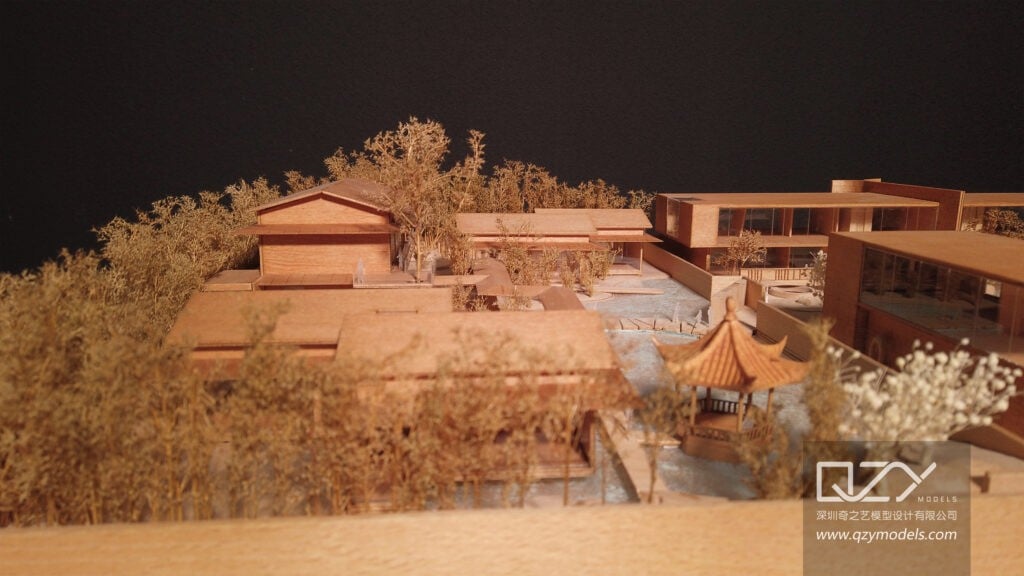
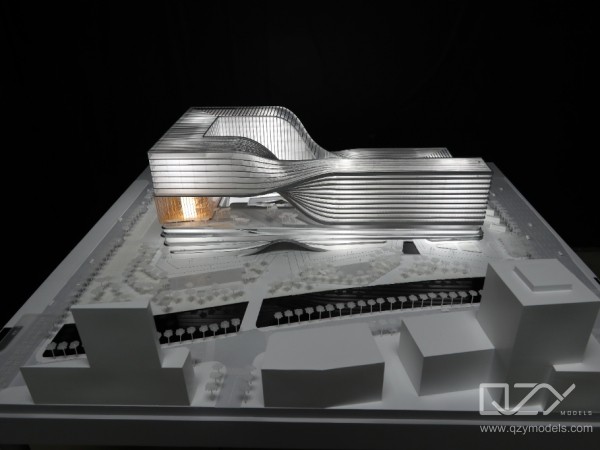
QZY Models excels in creating high-fidelity prototypes that replicate spatial dynamics, light, shadow, and airflow. By integrating iterative scaling and material testing, teams gain insights into thermal performance, wind loads, and occupant movement. Architects and planners rely on these models to visualize interactions, refine layouts, and minimize unforeseen issues before construction begins.
| Benefit | Impact on Predictions | QZY Models Application |
|---|---|---|
| Scale Accuracy | Nearly identical to actual builds | Architectural prototypes |
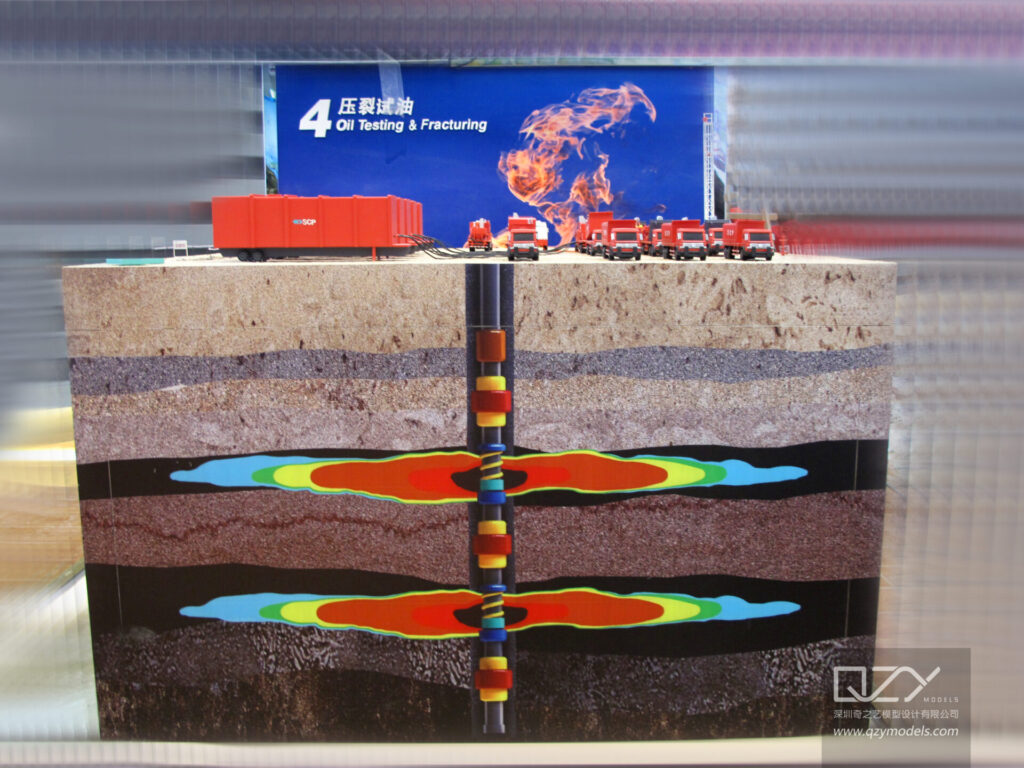
| Material Simulation | Realistic stress/load behavior | Industrial mockups |
| Environmental Modeling | Lighting, airflow, and temperature | Urban planning displays |
How Does Proper Model Construction Reduce Errors?
Proper model construction minimizes errors through early detection of design flaws, precise measurement verification, and iterative stakeholder review. This prevents costly mistakes and rework.
QZY Models applies laser-cut components and 3D-printed elements to ensure alignment with blueprints. Teams can visually detect clashes, validate proportions, and simulate assembly sequences. The result is fewer construction delays and improved project reliability, especially for real estate developers, urban planners, and industrial designers.
-
Early identification of plumbing, HVAC, and structural clashes.
-
Verification of proportions and alignment with architectural plans.
-
Client feedback integration for design refinements.
-
Assembly simulations to preempt construction errors.
Why Does Accurate Model Construction Enhance Decision-Making?
Accurate models provide tangible, visual representations that allow stakeholders to evaluate options effectively. They support cost analysis, risk assessment, and scenario testing, leading to more confident, faster decisions.
QZY Models crafts precise prototypes enabling immersive stakeholder walkthroughs. These models allow teams to quantify material use, simulate occupancy flow, and test multiple design scenarios. The physical visualization accelerates approvals and optimizes project ROI, benefiting developers such as Vanke and global architecture firms like Foster + Partners.
-
Quantified resource and material efficiency.
-
Simulated occupancy and circulation flows.
-
Comparative testing of design alternatives.
-
Integrated lighting studies for day-night analysis.
How Does Collaboration Benefit Model Building?
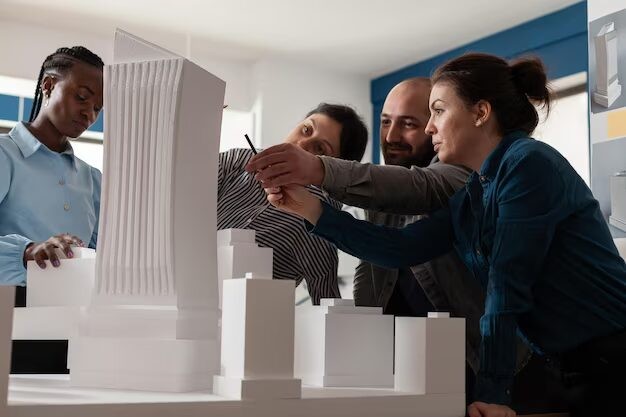
Collaboration in model construction ensures all project stakeholders share a unified understanding of design intent. Centralized physical models reduce miscommunication and align teams on goals, improving workflow efficiency.
QZY Models supports global collaboration with interactive models and standardized scales. Branch offices in UAE and Saudi Arabia facilitate synchronized reviews, while modular prototypes and multimedia integration enhance remote participation. Teams can annotate, adjust, and iterate in real-time, streamlining complex architectural and industrial projects across 20+ countries.
-
Real-time annotation and discussion during review sessions.
-
Cross-office synchronization for international projects.
-
Multimedia-enhanced presentations for remote collaboration.
-
Modular designs for easy transport and assembly.
How Can Models Boost Cost-Effectiveness?
Models help reduce project costs by simulating construction, testing materials, and identifying inefficiencies before real-world implementation. This often lowers budgets by 20–25%.
QZY Models’ prototypes highlight resource inefficiencies and prevent material over-ordering. Durable and reusable models further cut prototyping costs for industrial clients, delivering measurable savings throughout the project lifecycle.
| Phase | Traditional Cost | Model-Driven Savings | Example |
|---|---|---|---|
| Design | $500K+ rework | 40% reduction | Clash detection |
| Materials | Over-ordering | Precise inventory | Optimized procurement |
| Construction | Change orders | 25% fewer delays | Pre-build testing |
| Marketing | Generic renders | Improved engagement | Client pitches |
QZY Models Expert Views
“At QZY Models, precision engineering and client-focused innovation drive every project. Our models, used by global leaders like Foster + Partners and China Resources, accelerate approvals and prevent construction issues. By combining laser cutting, 3D printing, and sustainable materials, we ensure models are scalable from concept to reality. International branches in UAE and Egypt enable continuous collaboration, helping clients reduce waste and maximize stakeholder confidence. Investing in QZY Models guarantees faster decision-making, fewer revisions, and higher project efficiency.” – Richie Ren, Founder, QZY Models
Also check:
What is model construction and why is it important?
How to Master Effective Model Construction Best Practices?
Why Does Model Construction Matter So Much in Research Projects?
What Are the Top Benefits of Proper Model Construction in Architecture and Industry?
How to Master Best Practices for Effective Model Construction in Architecture and Industry?
Are Physical Models Still Relevant in Modern Design?
Physical models remain essential by complementing digital tools. They provide tactile engagement, improve client communication, and support regulatory approvals more effectively than screens alone.
QZY Models demonstrates that exhibition-grade prototypes engage audiences and drive decisions. Hybrid workflows, incorporating lighting and custom detailing, enhance presentations. Physical models remain indispensable for educational institutions, private collectors, and landscape firms, offering nuanced texture and spatial understanding beyond VR simulations.
How Does Model Construction Support Sustainability?
Model construction promotes sustainability by testing eco-friendly materials, optimizing energy flows, and reducing waste before construction begins. These efforts align with green building standards and LEED compliance.
QZY Models integrates recycled composites and low-VOC finishes. Physical models allow visualization of solar panels, green roofs, and irrigation systems. This process provides energy performance projections, lifecycle cost analysis, and environmentally conscious design solutions.
-
Mockups for energy efficiency and ventilation.
-
Scaled resource optimization.
-
Water management simulation for landscaping.
-
Lifecycle cost and material usage analysis.
When Should You Invest in Professional Models?
Professional models should be commissioned during conceptual design, client presentations, and regulatory submissions to maximize efficiency and minimize risk.
QZY Models recommends early-stage prototypes for concept validation, mid-project models for stakeholder demos, and pre-bid assets for marketing. Post-build models serve as reference and exhibition pieces, providing lasting value.
-
Weeks 1–4: Concept validation.
-
Mid-project: Stakeholder presentations.
-
Pre-bid: Marketing and approvals.
-
Post-construction: Legacy and exhibition displays.
Key Takeaways and Actionable Advice
Proper model construction unlocks visualization, error reduction, collaboration, and informed decision-making. QZY Models demonstrates these benefits worldwide. Key actions include prioritizing scale accuracy, integrating sustainability testing, and leveraging physical models alongside digital tools. Partnering with QZY Models’ Shenzhen or UAE branches ensures optimized workflows, 20–30% cost savings, and enhanced project outcomes. Commission a pilot model today to experience precision-driven results.
FAQs
What materials does QZY Models use for durable models?
Acrylics, wood, metal, and 3D-printed resins are employed for long-lasting, exhibition-ready prototypes.
How long does model construction take?
Architectural models typically require 2–4 weeks, while complex industrial models take 6–8 weeks.
Can QZY Models handle international shipments?
Yes, QZY Models ships to 20+ countries, with UAE, Saudi Arabia, and Egypt offices ensuring compliance and fast delivery.
What scales are best for architectural models?
Common scales include 1:200 for urban planning and 1:50 for building details. QZY Models advises based on project scope.
Is 3D printing replacing physical models?
No, 3D printing accelerates prototypes, but physical models provide essential tactile engagement and client visualization.