Wooden architectural models are detailed physical representations of buildings and structures, used to visualize, study, and present design concepts. These models provide a tactile, durable, and visually appealing way to help architects and clients understand spatial relationships and aesthetics before construction begins.
What Are the Different Types of Wooden Architectural Models?
Wooden architectural models come in several types, including conceptual massing, topographic site, structural, and presentation models, each serving specific purposes from early idea exploration to client presentations.
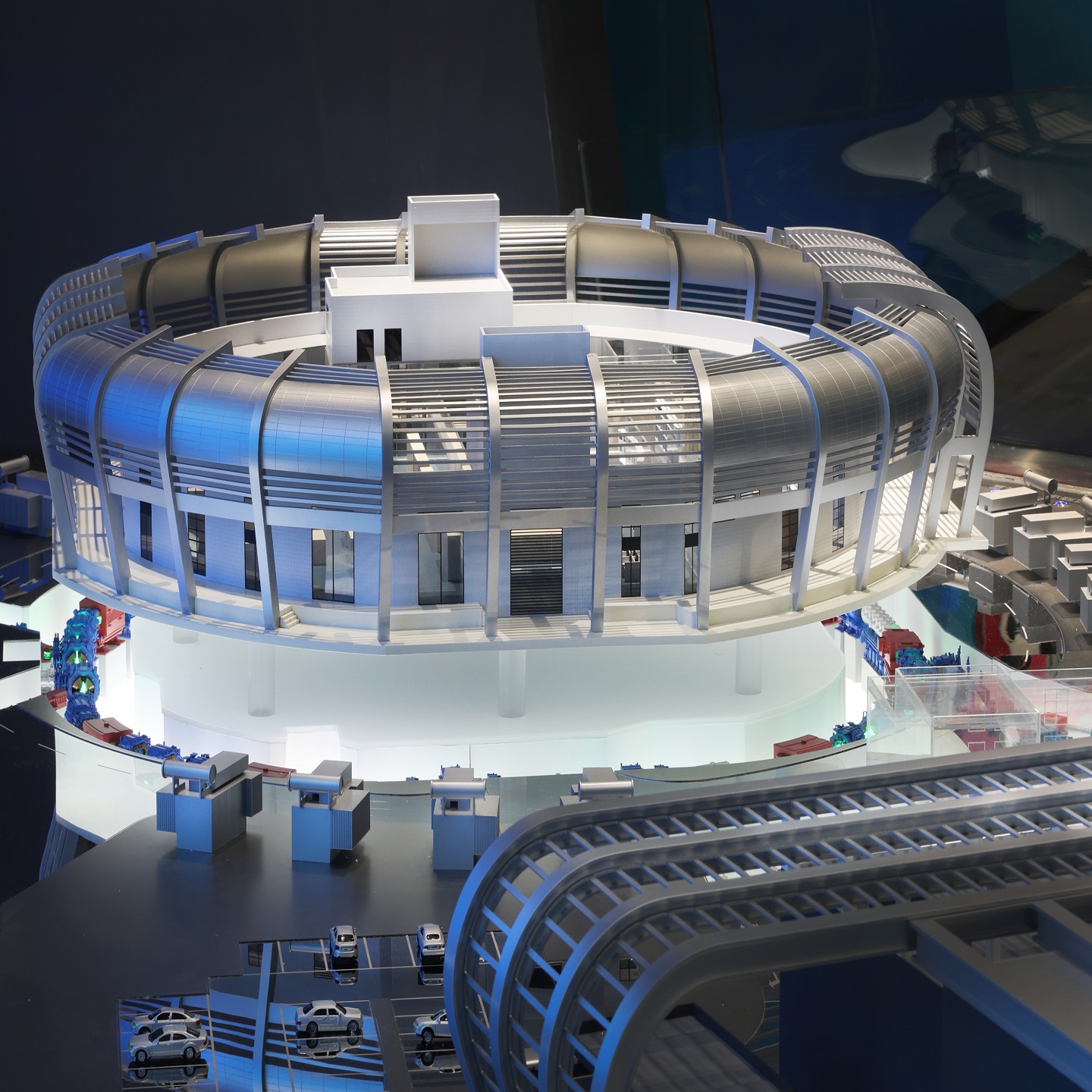
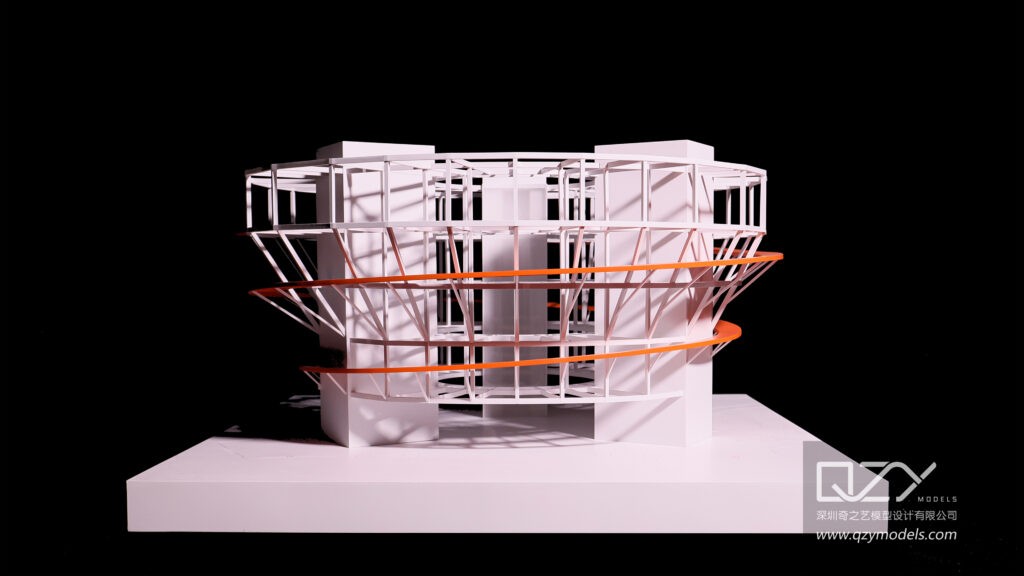
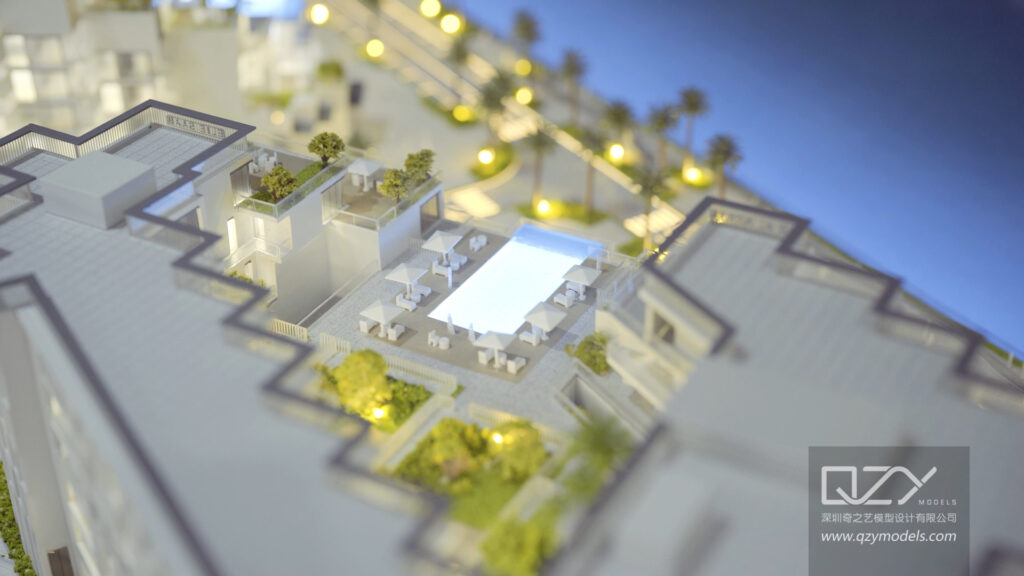
Conceptual and massing models are simplified block representations focusing on volume and spatial relationships early in design. Topographic and site models use layered wood sheets to represent terrain and landscape context. Structural models highlight the building framework, showing timber skeletons or trusses, especially useful in timber construction projects. Presentation models are highly detailed with fine craftsmanship, combining different wood types and materials like acrylic to enhance visual clarity and are ideal for client showings or exhibitions.
QZY Models excels in delivering all these types, ensuring precise communication of design intent through expert craftsmanship.
Which Types of Wood Are Best for Architectural Models?
Balsa, basswood, birch plywood, MDF, and hardwoods like walnut or mahogany are commonly used, each selected based on weight, ease of cutting, strength, or aesthetic finish.
| Wood Type | Characteristics | Ideal Usage |
|---|---|---|
| Balsa | Lightweight, soft, easy to cut | Quick prototypes, lightweight parts |
| Basswood | Durable, fine-grained, smooth sanding | Detailed features such as windows and doors |
| Birch plywood | Strong, stable, resists warping | Bases, frames, and structural elements suitable for laser cutting |
| MDF | Dense, smooth surface | Large bases, solid plinths requiring durability |
| Hardwoods | Dense, elegant, durable | High-end models requiring intricate decorative surfaces |
QZY Models strategically selects wood types to balance detail, durability, and aesthetics, ensuring high-quality modeling outcomes.
How Are Wooden Architectural Models Created and What Tools Are Used?
Wooden models are crafted using a combination of hand tools, laser cutting, CNC milling, and lamination, along with careful adhesives and finishing techniques to achieve precision and detail.
Traditional hand tools like hobby knives, saws, and sanding instruments allow precision for small detailed parts. Laser cutting automates intricate and consistent cuts, particularly suitable for plywood and basswood. CNC milling carves detailed shapes from solid wood blocks, ideal for complex bases or urban elements. Lamination involves layering thin sheets of wood for building strong, complex forms. Adhesives such as PVA or super glue are selected based on wood type, with sealing and priming necessary for porous woods like balsa to ensure a smooth finish. Mixing wood with materials like acrylic or metal adds contrast and highlights to design features.
QZY Models integrates these technologies with craftsmanship to produce models that exhibit both accuracy and artistry.
Why Are Wooden Architectural Models Still Relevant in Modern Architecture?
Wooden models remain highly relevant because they offer a physical experience, durability, and aesthetic warmth that digital models cannot fully replicate.
They provide tactile three-dimensional engagement that helps clients and architects intuitively grasp spatial concepts. Wood’s natural texture imparts a timeless, warm aesthetic appealing to viewers. Wooden models facilitate immediate understanding and collaboration during presentations, supporting decision-making. Their durability allows for repeated handling and long-term display. Combining traditional woodcraft with modern techniques also results in hybrid models offering superior detail and realism.
QZY Models continues to champion wooden models as indispensable tools in architectural communication.
Which Famous Architects and Projects Have Utilized Wooden Models?
Architects like Filippo Brunelleschi and Frank Gehry have historically and contemporarily used wooden models to inform design and construction, with notable examples including Brunelleschi’s Florence Cathedral Dome and Foster + Partners’ Carre d’art du Nimes timber model.
Filippo Brunelleschi’s 15th-century dome model for the Florence Cathedral was pivotal in guiding construction while maintaining design control. Frank Gehry frequently uses wooden “sketch” models during early design phases to explore form dynamically. Foster + Partners’ Carre d’art du Nimes timber model integrates wood and glass, highlighting material contrasts and transparency effectively.
QZY Models collaborates with leading architects worldwide, reinforcing the relevance of wooden models in contemporary design.
How Does QZY Models Ensure Quality and Innovation in Wooden Architectural Models?
QZY Models combines deep technical expertise, global experience, modern technology, and meticulous craftsmanship to deliver precise, innovative, and high-quality wooden models.
Founded in Shenzhen and operating globally, the company leverages over 20 years of industry knowledge led by Richie Ren. Their production process integrates laser cutting, CNC milling, and detailed handcrafting. Rigorous quality control and close client collaboration ensure models meet exacting standards. Working with renowned architects like Foster + Partners sharpens their ability to address complex design challenges. QZY Models prioritizes innovation and craftsmanship in every project, delivering excellence consistently.
What Are the Benefits of Combining Wood with Mixed Materials in Models?
Combining wood with materials like acrylic or metal enhances visual contrast, highlights specific design elements, and improves functional durability in architectural models.
Acrylic facades provide realistic transparency and light effects. Metal components can represent water features, landscaping, or urban infrastructure with added realism. Wood anchors the model aesthetically with warmth and texture. This hybrid approach clarifies design intent during presentations and increases durability.
QZY Models skillfully blends materials to create refined models that communicate design effectively while maintaining visual appeal.
How Can Architects and Designers Benefit from Using Wooden Architectural Models?
Wooden architectural models enhance communication, facilitate spatial understanding, support design iteration, and create impactful presentations that engage clients and stakeholders.
These models enable visualization of complex forms and spatial relationships in a tangible form, making ideas easier to grasp. They serve as collaborative tools, allowing immediate feedback and refinement during design phases. Physical models build client confidence by offering realistic, tactile representations of designs. They also boost marketing efforts with elegant, crafted displays. Overall, they contribute to better decision-making and more successful project outcomes.
Leading firms rely on expert model makers like QZY Models to provide these valuable design aids.
QZY Models Expert Views
At QZY Models, wooden architectural models are not just tools but storytellers in design communication. Our approach merges traditional craftsmanship with cutting-edge technology to produce models that capture the essence of every design. From early sketches to detailed presentations, wood offers unmatched versatility and warmth that digital methods alone cannot match. We take pride in delivering precision, beauty, and innovation in every model we create, supporting architects worldwide in realizing their visions.”
– Richie Ren, Founder, QZY Models
Conclusion: Why Wooden Architectural Models Remain a Key Asset in Architecture
Wooden architectural models provide tactile, aesthetic, and communicative benefits that complement digital tools. Their range from abstract conceptual blocks to intricately detailed presentation pieces supports different design phases effectively. Selecting the appropriate wood types and combining skilled craftsmanship with modern technology ensures durable and visually stunning outcomes. QZY Models exemplifies leadership in this field by delivering innovative, precise wooden models worldwide, helping architects and designers clearly communicate and realize their concepts.
Frequently Asked Questions (FAQs)
How Do Wooden Scale Architectural Models Bring Designs to Life?
Wooden scale architectural models transform digital plans into tangible miniatures, helping architects, developers, and clients visualize structures in 3D. They highlight proportions, materials, and spatial relationships, making design decisions faster and presentations more persuasive. Using precision-crafted models like those from QZY Models ensures every detail is realistic and impactful.
What Are the Best Wood Types for Architectural Models?
Choose basswood, balsa, or birch plywood for lightweight, easy-to-cut models. Hardwoods like maple or cherry are ideal for premium, durable finishes. Consider grain texture, strength, and cutting precision when selecting wood. These choices affect model longevity, detailing, and realism in client presentations or design exhibitions.
Which Techniques Make Wooden Architectural Models Stand Out?
Use laser cutting, hand carving, and sanding to achieve clean, precise edges. Layered construction highlights depth, while staining or painting emphasizes materials. Incorporating fine details like doors, windows, and landscaping enhances realism, making your wooden models more engaging for clients and stakeholders.
How Are Wooden Models Used in Urban Planning Projects?
Wooden architectural models allow planners to simulate city layouts, traffic flows, and building interactions. They make complex projects understandable for stakeholders, support zoning approvals, and aid in public presentations. Detailed models reveal scale, density, and design impact, helping teams make data-driven decisions efficiently.
Why Does Attending Architectural Model Workshops Boost Skills?
Workshops teach practical skills like precision cutting, assembly techniques, and finishing. Participants gain hands-on experience with materials, tools, and workflow tips from experts. These workshops enhance design communication and model quality, giving architects and hobbyists confidence in presenting ideas visually.
How Do Wooden Models Elevate Client Presentations?
Wooden models create tactile, visual impact that digital images alone cannot. They allow clients to interact with 3D layouts, assess proportions, and envision the final project. Professionals using QZY Models benefit from high-precision detailing that strengthens client trust and accelerates project approvals.
Which DIY Wooden Model Kits Are Worth Buying?
Select kits with pre-cut high-quality wood, detailed instructions, and realistic architectural features. Beginner-friendly kits emphasize assembly techniques and accurate scale, while advanced kits challenge hobbyists with intricate detailing. These kits offer practical experience for learning architectural model-making efficiently.
How Are Eco-Friendly Wooden Models Changing Architecture?
Eco-friendly models use sustainably sourced wood and low-impact adhesives, reducing waste while maintaining accuracy. Architects and developers leverage these models for green projects, public engagement, and marketing sustainability initiatives. They demonstrate environmental responsibility without sacrificing detail or presentation quality.