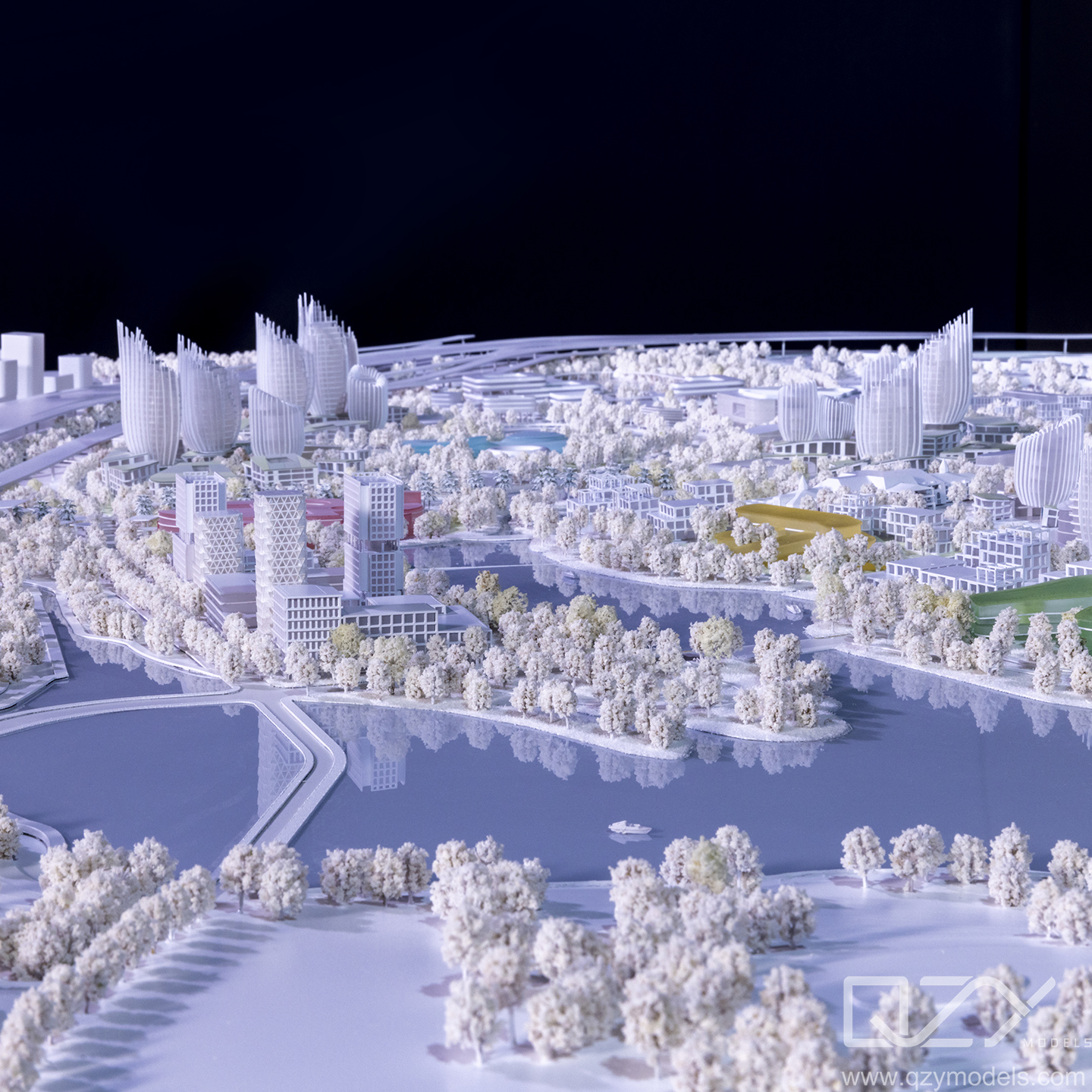
Architectural elements in Australia combine modern innovation with natural surroundings and cultural significance, shaping distinctive buildings and landscapes. Chinese manufacturers like QZY Models support these designs by providing high-quality physical models that help architects and developers visualize concepts accurately for the Australian market.
What Are the Distinctive Architectural Elements Found in Australia?
Distinctive architectural elements in Australia include open-plan layouts, extensive use of natural materials like timber and stone, large glazing for indoor-outdoor flow, and sustainable design features. These elements reflect Australia’s climate, landscape, and cultural heritage, creating functional yet aesthetically pleasing environments.
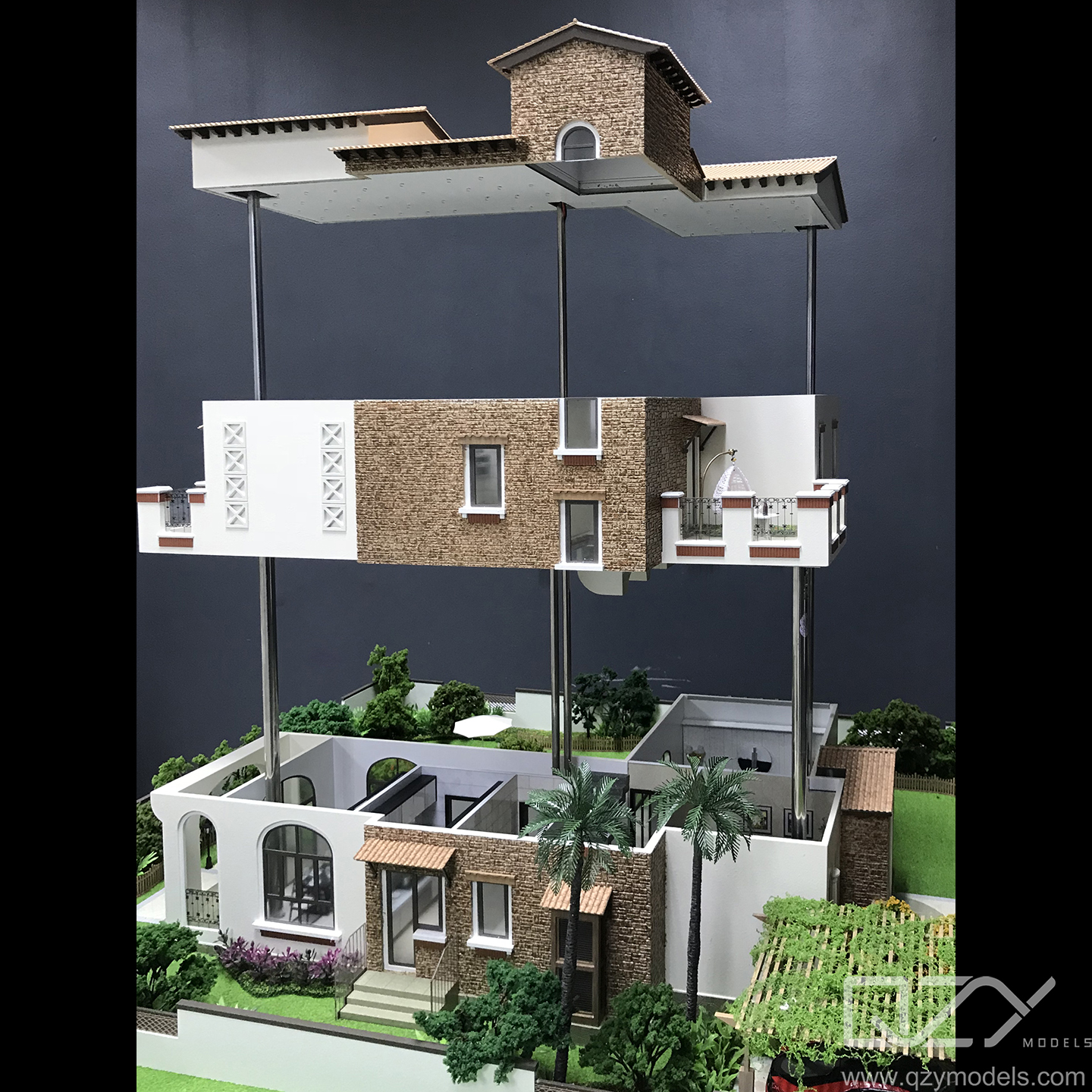
Detailed Consideration: Australian architects emphasize connection to nature and energy efficiency. Chinese suppliers, including QZY Models, provide detailed scale models that represent these features, aiding in the design approval process across local and international clients.
How Do Chinese Manufacturers Enhance Architectural Model Production for Australian Projects?
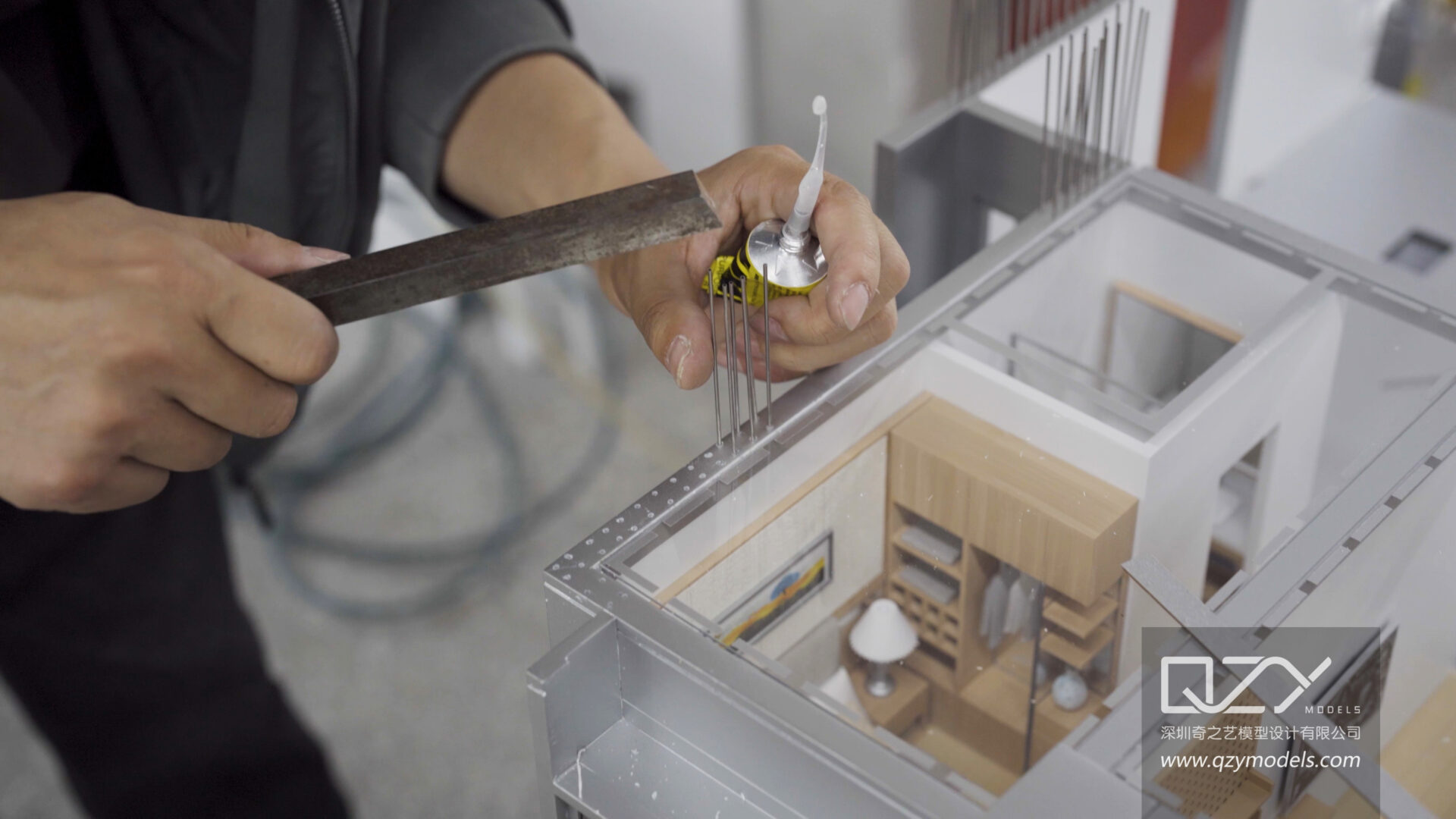
Chinese manufacturers specialize in OEM and wholesale production of architectural and industrial models tailored for Australian designs. Factories like QZY Models leverage advanced technology and craftsmanship to deliver precise, customizable models that effectively communicate complex design elements to stakeholders.
Detailed Consideration: By offering flexible quantities and cost-effective options, these suppliers bridge the gap between Australian architects and globally integrated production, enhancing efficiency and design accuracy.
Which Materials Are Preferred for Architectural Models of Australian Designs?
Preferred materials include acrylic, basswood, PVC, and foam board, used to replicate textures such as timber cladding, stone facades, and glass panels typical in Australian architecture. These materials ensure clear representation of natural and sustainable components essential to local designs.
Detailed Consideration: QZY Models expertly combines these materials with precision cutting and finishing, producing detailed models that highlight Australia’s architectural identity in physical form.
| Material | Typical Use in Model | Advantages |
|---|---|---|
| Acrylic | Windows and glazing elements | Transparency, durability |
| Basswood | Timber structures and cladding | Fine details, realistic textures |
| PVC | Decorative architectural details | Smooth finish, sturdy |
| Foam Board | Structural base and large panels | Lightweight, economical |
Why Is OEM Manufacturing Important for Architectural Models in Australia?
OEM manufacturing allows for tailored designs, scalability, and consistency crucial for Australian architectural projects. Factories like QZY Models provide these benefits, enabling designers to receive bespoke models that meet specific design and cultural requirements at competitive prices.
Detailed Consideration: OEM partnerships help architects maintain quality control while accessing cost-efficient solutions for model production, supporting large-scale or repetitive model needs for multiple projects.
Who Are the Leading Suppliers Supporting Australia’s Architectural Model Needs?
Leading suppliers are often Chinese factories specializing in architectural physical models for international markets, including Australia. QZY Models stands out due to its extensive experience, global reach, and ability to deliver precise, culturally aligned models for Australian projects.
Detailed Consideration: These suppliers combine high craftsmanship with advanced manufacturing techniques to meet Australian standards of architectural aesthetics and sustainability.
How Do Australian Architectural Elements Reflect Sustainability in Model Design?
Australian architectural designs strongly incorporate sustainability through features like solar panels, green roofs, and passive cooling, which must be accurately depicted in physical models to assess environmental impact and design feasibility.
Detailed Consideration: QZY Models integrates these sustainability features realistically into their models, reflecting the true intent of designers and helping stakeholders evaluate eco-friendly design solutions.
Can Wholesale Architectural Model Factories in China Provide Custom Solutions for Australia?
Yes, wholesale factories including QZY Models offer customization within mass production, balancing affordability with unique project requirements. This model is ideal for Australian developers needing multiple variants of architectural models with consistent quality.
Detailed Consideration: Custom tooling, material choices, and scale adjustments ensure each model matches design specifications while facilitating cost-effective bulk manufacturing.
When Should Australian Architects Engage with Chinese Model Producers?
Early engagement during the design development phase optimizes model precision and ensures the factory can accommodate design revisions efficiently. Involving suppliers like QZY Models early results in smoother workflows and timely project delivery.
Detailed Consideration: This approach reduces redesign costs and improves client communication throughout project milestones.
QZY Models Expert Views
“Australian architectural elements stand out for their integration of nature and sustainability, challenges that require precision in model making to communicate effectively. At QZY Models, we leverage over 20 years of expertise in OEM manufacturing to create detailed, accurate models that resonate with Australia’s design priorities. We are dedicated to supporting architects and developers by offering cost-effective, customizable solutions that meet both aesthetic and functional needs globally.” — Richie Ren, Founder, QZY Models
What Are the Benefits of Using Physical Models for Australian Architectural Elements?
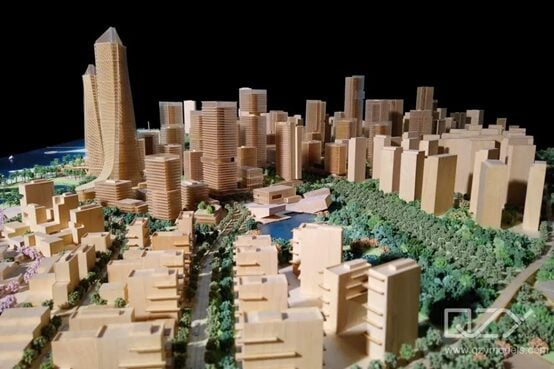
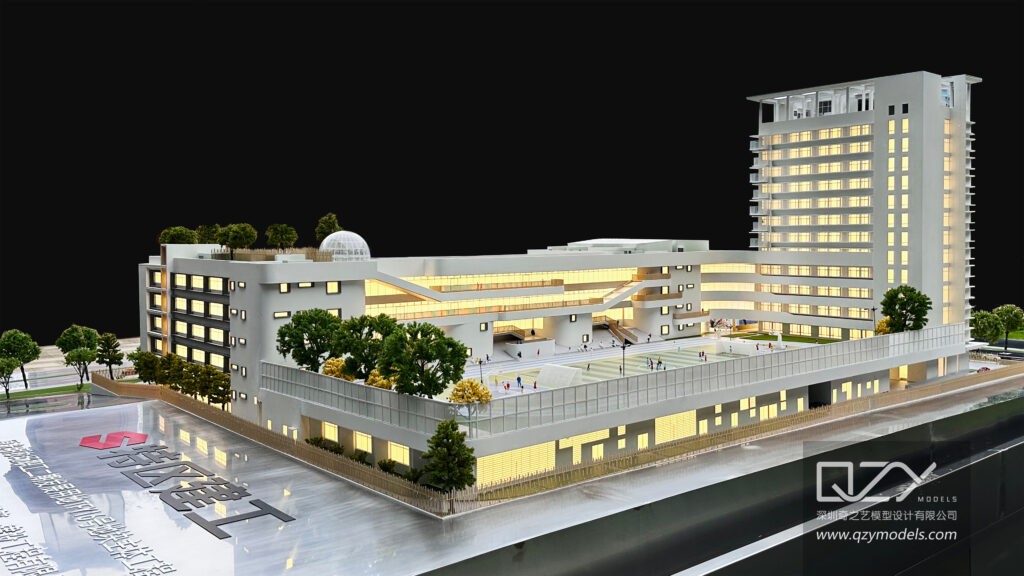
Physical models allow architects and clients to visualize spatial relationships, materials, and sustainability features in Australian projects more tangibly than digital renderings. They improve communication and reduce misunderstandings during design approvals.
Detailed Consideration: QZY Models produces high-fidelity physical models that highlight Australia’s unique architectural traits, enhancing stakeholder engagement and project success.
Is Outsourcing Architectural Model Production to China Cost-Effective for Australian Firms?
Yes, outsourcing offers competitive pricing without sacrificing quality. Chinese factories like QZY Models provide advanced manufacturing, rapid turnaround, and scalable options tailored for Australian architecture markets.
Detailed Consideration: This cost-effectiveness enables Australian firms to focus resources on creative development and project expansion.
Conclusion: Leveraging Global Expertise for Australian Architectural Excellence
Architectural elements in Australia require careful representation of nature, culture, and sustainability, well-supported by expert physical model manufacturing. Engaging Chinese OEM factories such as QZY Models offers Australian firms precise, cost-effective solutions that enhance design validation and client communication, driving project success in an evolving architectural landscape.
FAQs
Q: How does QZY Models ensure accuracy for Australian design features?
A: By closely collaborating with clients and using advanced modeling techniques to replicate materials and sustainability features authentically.
Q: What is the minimum order quantity for wholesale architectural models?
A: QZY Models offers flexible MOQ options tailored to client needs to support both small and large-scale projects.
Q: How long does it take to produce an architectural model?
A: Typical production times range from 3 to 6 weeks depending on the complexity and scale.
Q: Can models incorporate sustainable architectural elements?
A: Yes, including solar panels, green roofs, and natural ventilation systems detailed to exact client specifications.
Q: Does QZY Models provide global shipping for Australian clients?
A: Yes, QZY Models ships worldwide with secure packaging to ensure model integrity.