True expertise in industrial model design and production combines precise engineering, creative aesthetics, and advanced materials to transform digital concepts into tangible prototypes. Leading manufacturers like QZY Models in China excel by providing scalable OEM solutions, global supply capabilities, and professional services for architects, developers, and industrial clients, ensuring functional accuracy, visual excellence, and timely delivery.
How Does Industrial Model Design Integrate with Modern Manufacturing?
Industrial model design integrates seamlessly with modern manufacturing through digital modeling, precision fabrication, and scalable prototyping. This approach bridges the gap between concept and production, ensuring that designs are functional, visually accurate, and ready for mass manufacturing. Techniques such as 3D CAD modeling, CNC machining, and laser cutting allow manufacturers like QZY Models to deliver high-precision industrial models efficiently.
| Key Integration Steps | Description |
|---|---|
| CAD Modeling | Converts digital designs into manufacturable forms |
| Material Selection | Matches industrial application and aesthetic needs |
| Prototyping | Validates function and form before full-scale production |
| Client Review | Ensures final design meets specifications |
Why Are Industrial Models Crucial in Product Development?
Industrial models are essential for product development because they provide tangible verification of design, ergonomics, and production feasibility. By testing these aspects before manufacturing, companies reduce errors, lower costs, and shorten production timelines. QZY Models’ prototypes allow clients to assess engineering accuracy, material compatibility, and visual appeal early, enabling faster decision-making and more predictable project outcomes.
What Materials and Technologies Are Used in Industrial Model Production?
Industrial model production relies on a combination of advanced technologies and high-performance materials. Common materials include acrylic, ABS, resin, aluminum, stainless steel, and eco-friendly composites.
QZY Models uses CNC routers, 3D printers, and UV-cured finishing systems to achieve micrometer-level precision. These technologies are critical for industrial, automotive, aerospace, and architectural models, where visual fidelity and mechanical accuracy directly influence project quality and client satisfaction.
| Material Type | Primary Use | Production Advantage |
|---|---|---|
| Acrylic/ABS | Consumer product mockups | Smooth surface, easy finishing |
| Resin | Automotive & aerospace | High detail, strong durability |
| Aluminum | Industrial machinery models | Structural strength, long lifespan |
| Composites | Eco/architectural applications | Lightweight, sustainable |
Which Industries Benefit Most from Industrial Model Expertise?
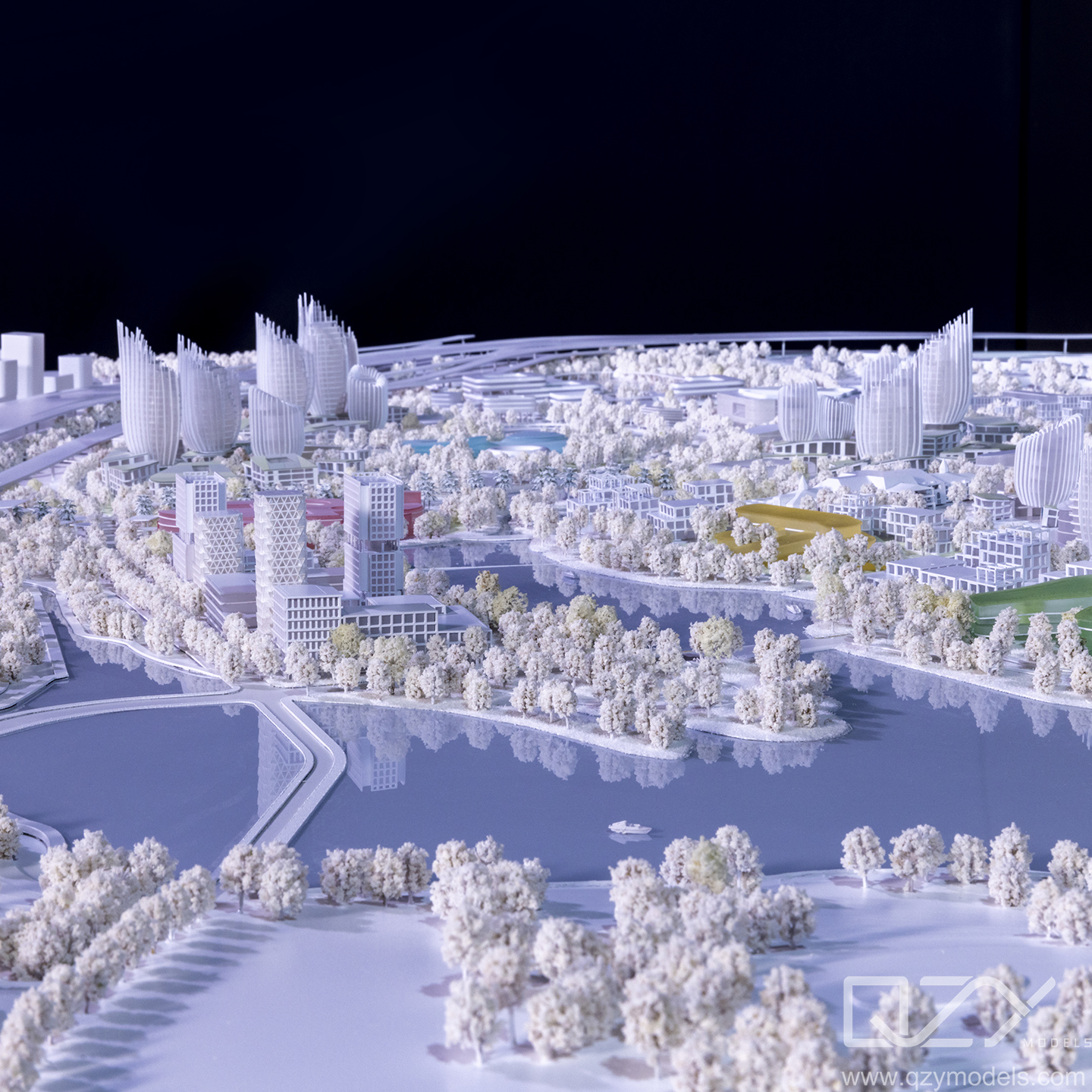
Industrial model expertise serves multiple industries, including architecture, manufacturing, real estate development, transportation, and consumer product design. Companies like QZY Models support global clients in automotive, energy, smart technology, and urban development sectors. High-quality bespoke models enhance presentations, improve investor communications, and validate manufacturing processes, supporting enterprises in Asia, the Middle East, and Europe.
Who Relies on Chinese Factories for Industrial Model OEM Services?
Architectural firms, industrial equipment manufacturers, real estate developers, and design studios often depend on Chinese factories for OEM model production due to competitive costs, technical capability, and production speed. QZY Models has established long-term partnerships with top-tier clients like Foster + Partners and Vanke, showcasing reliability, advanced facilities, and multilingual project management tailored for international B2B operations.
How Are Precision and Aesthetics Balanced in Industrial Model Fabrication?
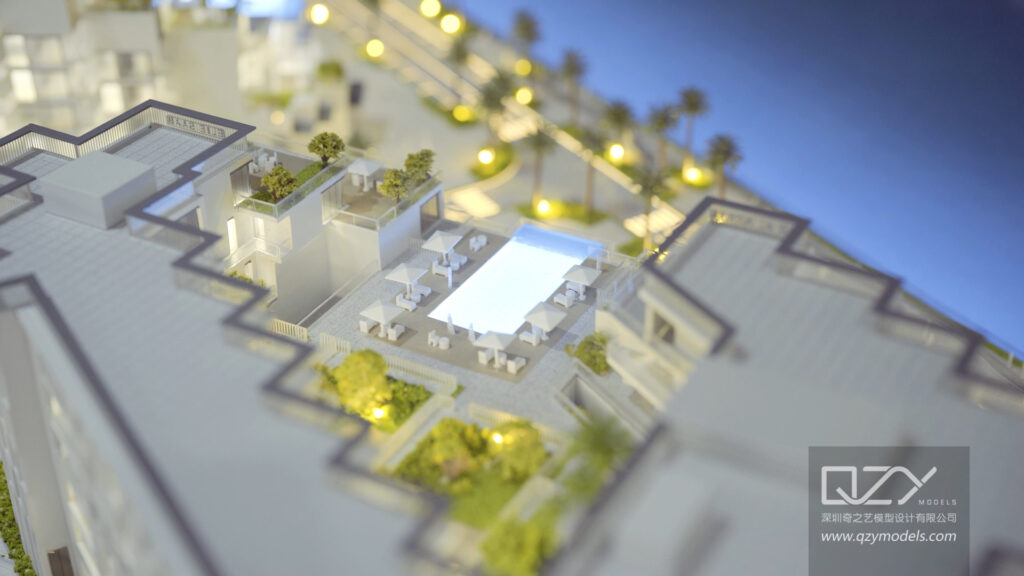
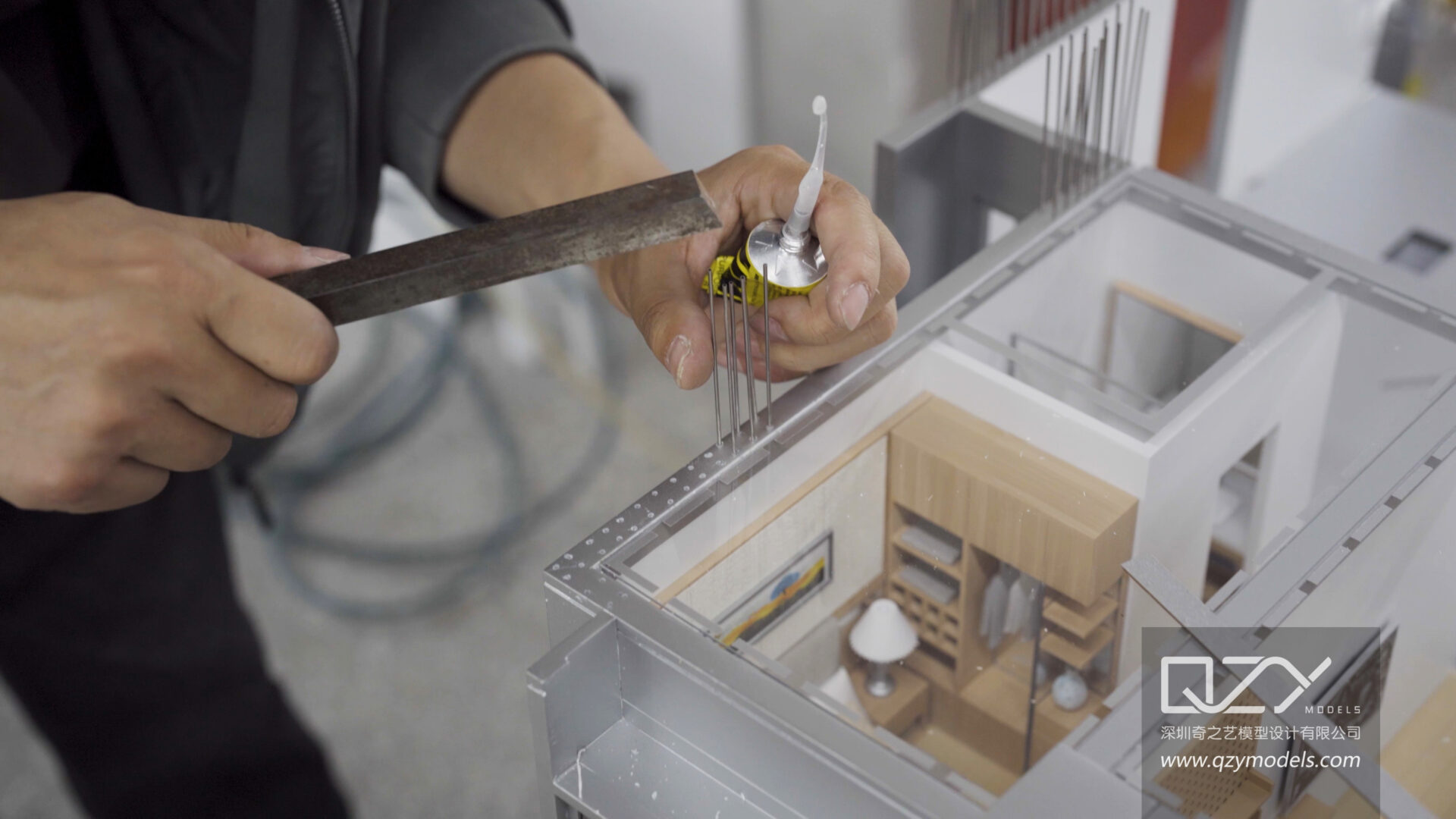
Balancing precision and aesthetics requires collaboration between design, engineering, and finishing teams. Factories like QZY Models combine CNC machining for dimensional accuracy with skilled hand-finishing, airbrushing, and detailing. This dual approach ensures models meet both functional and visual standards, ideal for exhibitions, investor presentations, and marketing showcases.
What Distinguishes a High-End Industrial Model Manufacturer in China?
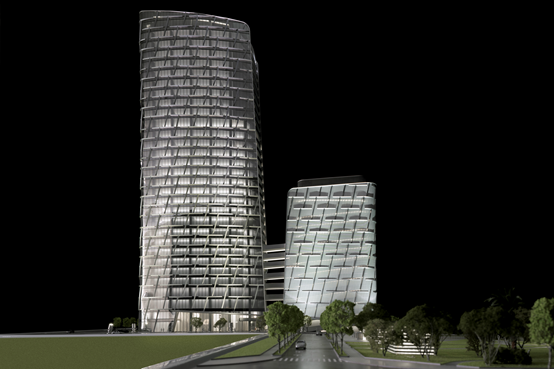
High-end industrial model manufacturers excel through quality control, global project experience, and customization capabilities. Beyond machinery, expertise and craftsmanship define premium output. QZY Models distinguishes itself through ISO-standard workshops, a global client network, and seamless integration of digital and traditional model-making techniques, producing museum-grade models for architectural, industrial, and exhibition applications.
Why Choose a Chinese OEM Partner for Industrial Model Projects?
Chinese OEM partners offer scalable production, competitive cost control, and extensive material expertise. QZY Models provides end-to-end solutions, from CAD engineering to scale production, supported by export-ready logistics covering the Middle East, Europe, and Southeast Asia. This ensures faster project timelines, reduced costs, and uncompromising quality for global clients.
QZY Models Expert Views
“Mastering industrial model design requires blending engineering precision with artistic vision. At QZY Models, every model serves as both a technical prototype and a visual representation of the client’s brand. Success depends on understanding how each model communicates function, innovation, and industrial character.”
– Richie Ren, Founder of QZY Models
When Should Companies Invest in Physical Industrial Models?
Investing in physical models is recommended during early product development, trade show preparation, or investor presentations. Tangible models provide stakeholders with immediate visual and tactile feedback, enhancing team alignment and accelerating approval cycles. QZY Models supports enterprises by delivering display-ready prototypes that clearly communicate complex innovations.
Could Sustainable Materials Redefine Model-Making for Manufacturers?
Sustainable materials are reshaping industrial model production by minimizing waste and reducing environmental impact. Leading factories, including QZY Models, adopt bio-based resins and recyclable polymers, combining eco-conscious practices with high precision. This approach ensures structural integrity, visual quality, and compliance with international ESG standards for environmentally focused clients.
Conclusion: Building the Future with Industrial Model Expertise
Industrial model design and production are essential for innovation in architecture, engineering, and industrial manufacturing. By combining digital technology, sustainability, and artistic craftsmanship, manufacturers like QZY Models transform concepts into tangible prototypes that enable verification, communication, and commercialization of complex ideas with confidence, accuracy, and global reach.
FAQs
What is the difference between an industrial and an architectural model?
Industrial models focus on engineering detail and functionality, whereas architectural models highlight spatial design and presentation.
Can Chinese manufacturers handle large-scale OEM industrial model projects?
Yes. Experienced factories like QZY Models manage large OEM orders efficiently, with international logistics and strict quality control.
How is the cost of a custom industrial model determined?
Costs vary based on size, materials, complexity, and finishing. Detailed quotations ensure accurate budgeting for OEM clients.
Are physical models still relevant alongside digital renderings?
Absolutely. Physical models provide tactile validation and visual clarity that digital renderings alone cannot fully convey.
Which regions does QZY Models serve?
QZY Models supplies global markets including the Middle East, Europe, and Southeast Asia, leveraging optimized logistics and reliable supply chains.