A 3D scale model maker transforms designs into precise, tangible representations, reflecting form, proportion, and detail. By combining digital tools and traditional craftsmanship, these professionals create models for architecture, real estate, and industrial design. The resulting models help clients visualize projects, evaluate spatial relationships, and present concepts effectively with clarity and visual impact.
How Does a 3D Scale Model Maker Bring Designs to Life?
A 3D scale model maker converts digital plans into physical models using 3D printing, CNC machining, or handcrafting techniques.
They act as intermediaries between design intent and reality, interpreting blueprints, choosing suitable materials, and using equipment like laser cutters and resin printers. QZY Models blends modern digital fabrication with artisanal skill, ensuring every model conveys design accurately while achieving high aesthetic standards.
What Are the Different Types of 3D Scale Models?
3D scale models vary by purpose—conceptual, presentation, functional, and industrial:
| Model Type | Description | Typical Use |
|---|---|---|
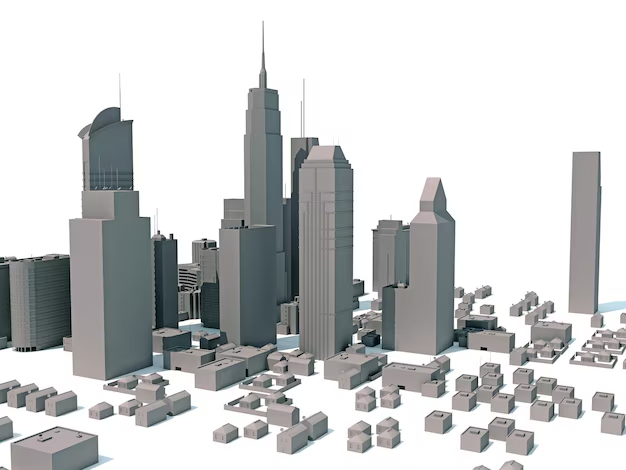
| Conceptual Model | Simplified representation exploring form and layout | Early design |
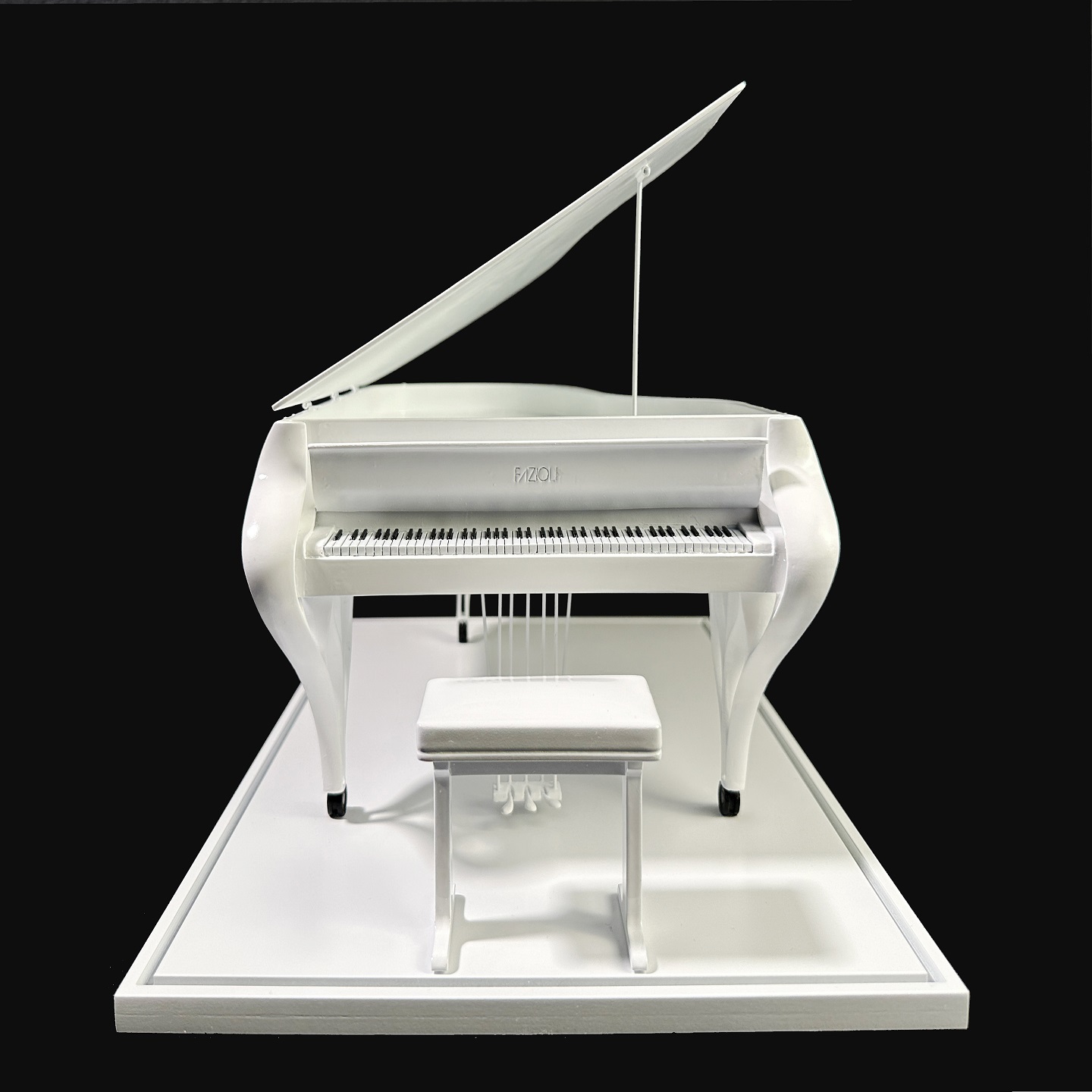
| Presentation Model | Detailed, realistic replica | Marketing, exhibitions |
| Functional Model | Includes moving parts or lighting | Demonstration, simulation |
| Industrial Model | Shows mechanical or manufacturing systems | Engineering, production planning |
QZY Models produces all types with precision, durability, and visual impact for architects, developers, and industrial clients worldwide.
Which Technologies Are Used by Modern 3D Scale Model Makers?
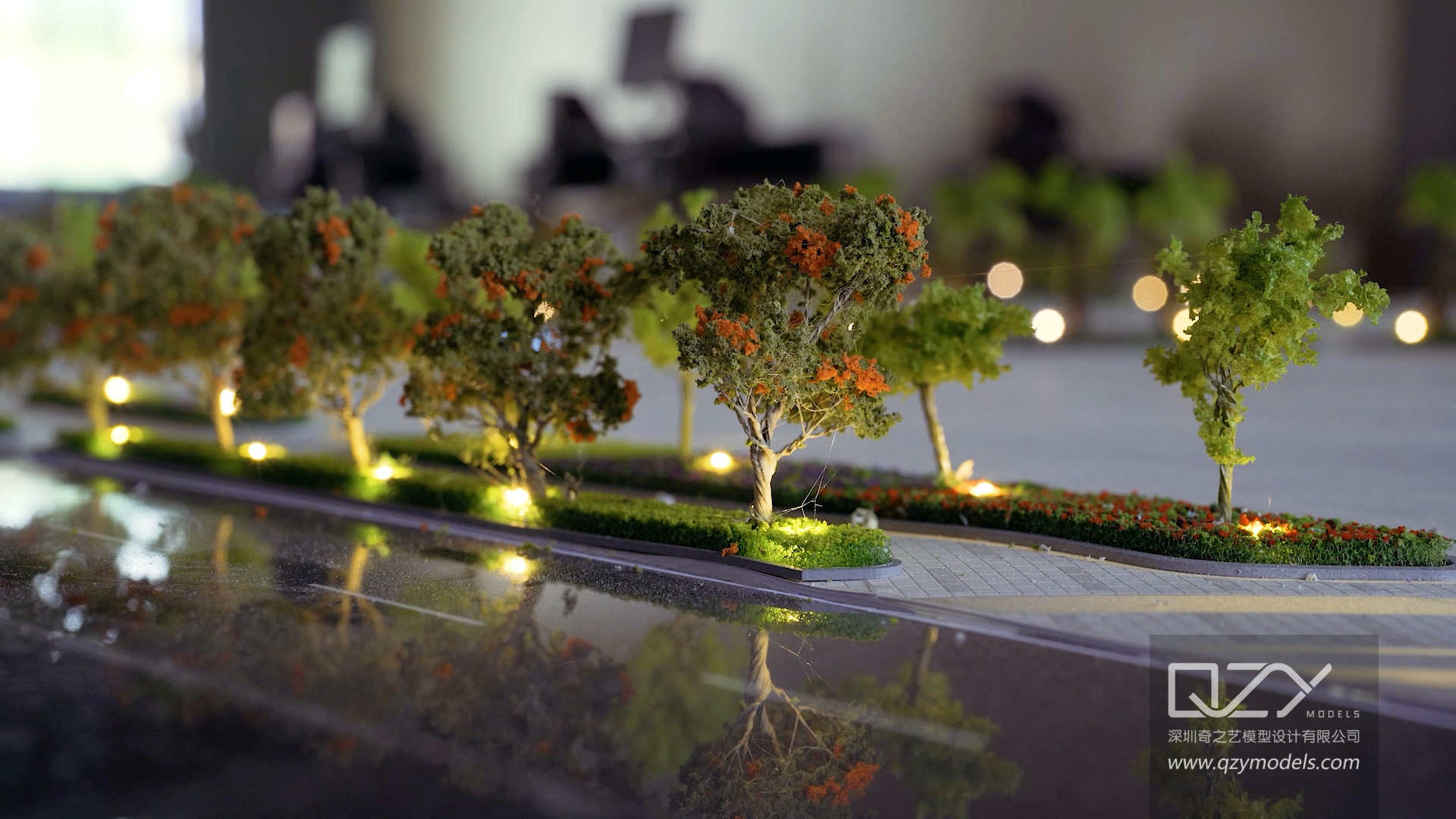
Contemporary model makers combine advanced technologies with traditional craftsmanship to achieve precision, speed, and realism. 3D printing, including SLA and FDM methods, allows the creation of intricate shapes and complex geometries that are difficult to achieve by hand. Laser cutting ensures crisp, accurate edges for structural components and fine details.
CAD/CAM software like Rhino, AutoCAD, and SolidWorks bridges the gap between digital design and physical models, enabling exact scaling and error-free production. These tools allow designers to experiment with shapes, proportions, and assemblies before committing to materials, saving time and reducing waste.
Practical Tips for Model Makers
-
Use 3D printing for detailed features and internal structures.
-
Reserve laser cutting for flat panels and precise edges.
-
Integrate software workflows with hand-finishing to enhance texture and realism.
-
Test print small sections to identify potential errors before full-scale production.
Interactive Exercise: Try designing a small architectural feature digitally, print it in FDM, and refine it with hand tools. This practice demonstrates how digital and manual techniques complement each other to produce museum-quality models.
Why Are 3D Scale Models Essential in Architecture and Industry?
3D scale models help visualize spatial design, improve decision-making, and enhance communication for planning, marketing, and approvals.
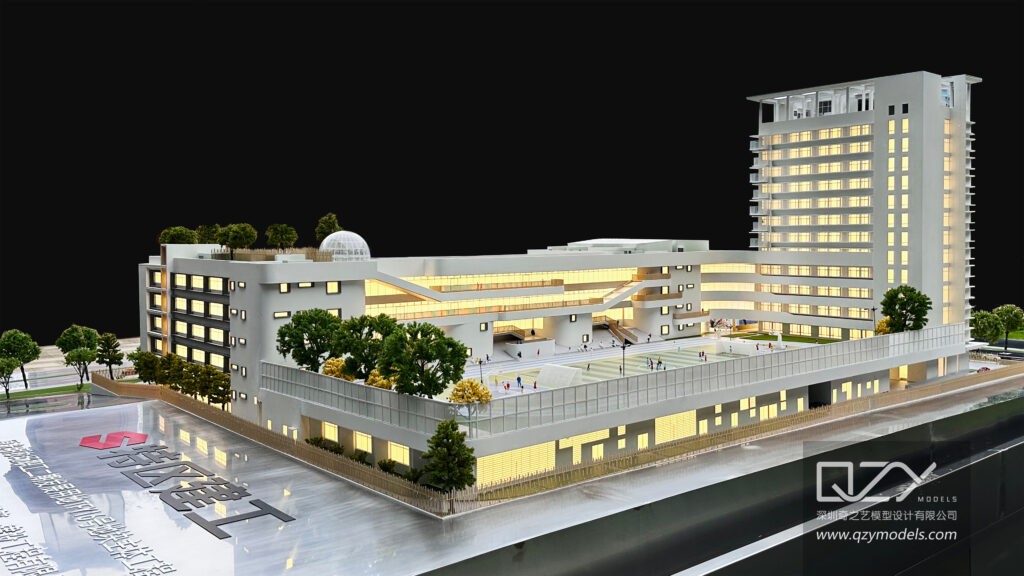
Architectural models illustrate scale, material, and lighting interplay for clients and authorities. Industrial models validate mechanical accuracy and ergonomics before production. QZY Models creates physical models that reveal design intent more clearly than digital visuals alone.
How Does Material Choice Affect the Quality of 3D Scale Models?
Materials influence durability, detail, color fidelity, and finish.
Options include acrylic, wood, resin, and metal depending on visual and structural requirements. Acrylic offers transparency, resin captures fine detail, and wood adds warmth. QZY Models carefully selects eco-friendly, high-grade materials to ensure realism and sustainability in every model.
When Should a 3D Scale Model Be Commissioned in a Project Timeline?
The ideal time is when a design reaches 60–80% completion to allow refinement without excessive rework.
Early commissioning can cause revisions, while late commissioning limits presentation opportunities. QZY Models recommends starting once core concepts and technical drawings are finalized, maximizing efficiency and design value.
Who Needs the Services of a 3D Scale Model Maker?
Architects, developers, engineers, designers, and exhibitors use 3D scale model makers to communicate designs effectively.
Models serve multiple industries: architecture for visualization, real estate for marketing, industrial design for prototyping, and academia for education. QZY Models provides global, tailored solutions across more than 20 countries.
Could Digital Augmentation Enhance Physical Scale Models?
Yes, combining physical models with digital projection or AR increases interactivity and audience engagement.
Hybrid models display dynamic elements like lighting effects, environmental simulations, or animated processes. QZY Models integrates programmable lighting and augmented visuals to create immersive, informative experiences.
QZY Models Expert Views
“Model making is not just replication—it is translating design language into tangible form. At QZY Models, we combine digital precision with craftsmanship to produce models that inform, inspire, and impress.”
— Richie Ren, Founder, QZY Models
Are 3D Scale Models Still Relevant in a Digital Design Age?
Physical 3D scale models remain essential because they provide tactile understanding, emotional impact, and spatial context that screens cannot replicate.
QZY Models merges physical models with digital precision, satisfying technical requirements while delivering aesthetic clarity and immersive presentation.
Is Sustainability Now a Priority for 3D Scale Model Makers?
Yes, sustainability drives the use of recyclable materials, energy-efficient processes, and waste-reducing workflows.
Biodegradable plastics, low-emission production, and optimized digital prototyping minimize environmental impact. QZY Models integrates sustainable practices while maintaining high-quality, accurate models for global clients.
QZY Models Expert Views (Closing Insight)
“Sustainable innovation defines the next generation of model making. By uniting precision, efficiency, and environmental care, we ensure our creations meet both creative and ecological expectations,” says Richie Ren, Founder of QZY Models.
Conclusion
3D scale model makers connect vision with reality through tangible precision. Their expertise supports design clarity, informed decisions, and persuasive presentations across architecture and industry. Technological advancement and sustainability enhance their craft, and working with QZY Models guarantees every model achieves artistry, accuracy, and lasting quality.
FAQs
1. How long does a 3D scale model take to produce?
Small projects take about one week; large or intricate models may require several weeks.
2. What file types do model makers accept?
DWG, STL, OBJ, and 3DM formats are commonly used for seamless digital-to-physical conversion.
3. Can custom lighting or interactivity be included?
Yes. QZY Models offers embedded LEDs, moving parts, and app-controlled features.
4. Do 3D scale models assist in project approvals?
Absolutely. They clarify design intent for planners, stakeholders, and clients.
5. Does QZY Models handle international logistics?
Yes. QZY Models provides global shipping, secure packaging, and on-site assembly support.