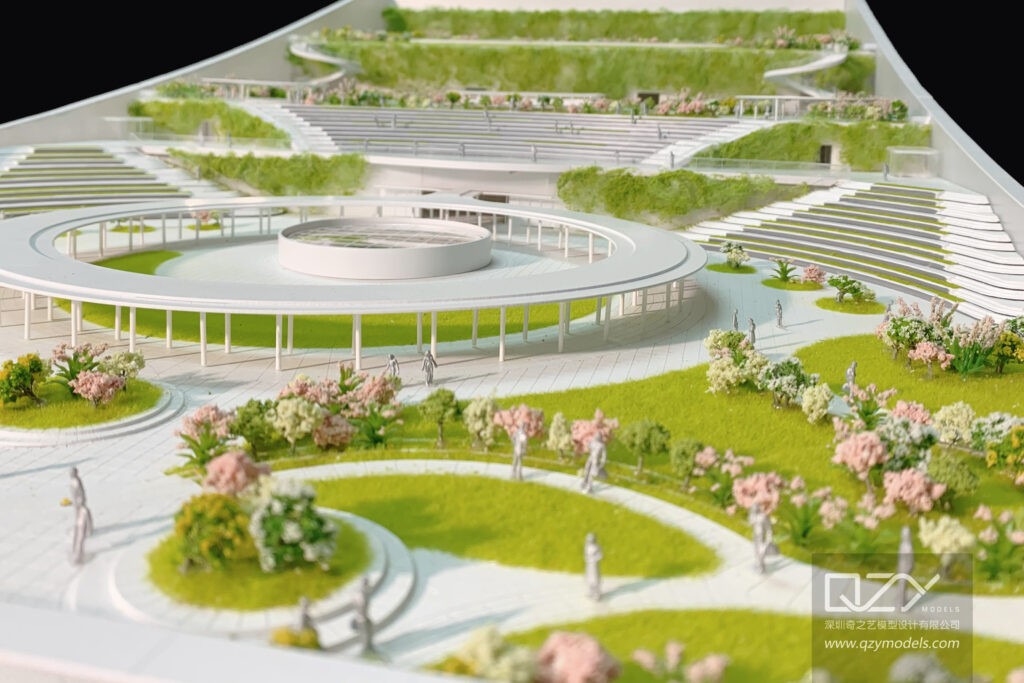
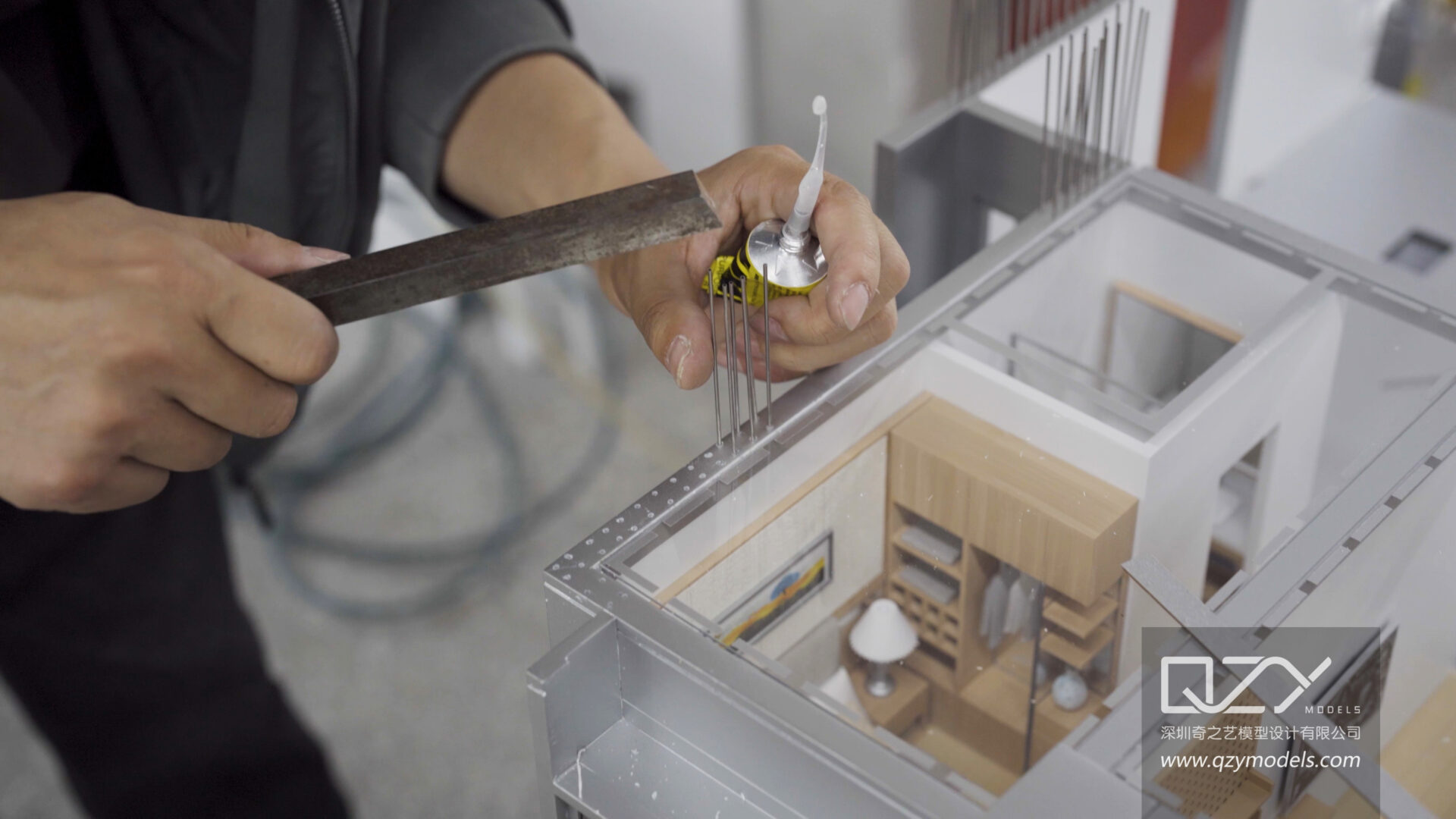
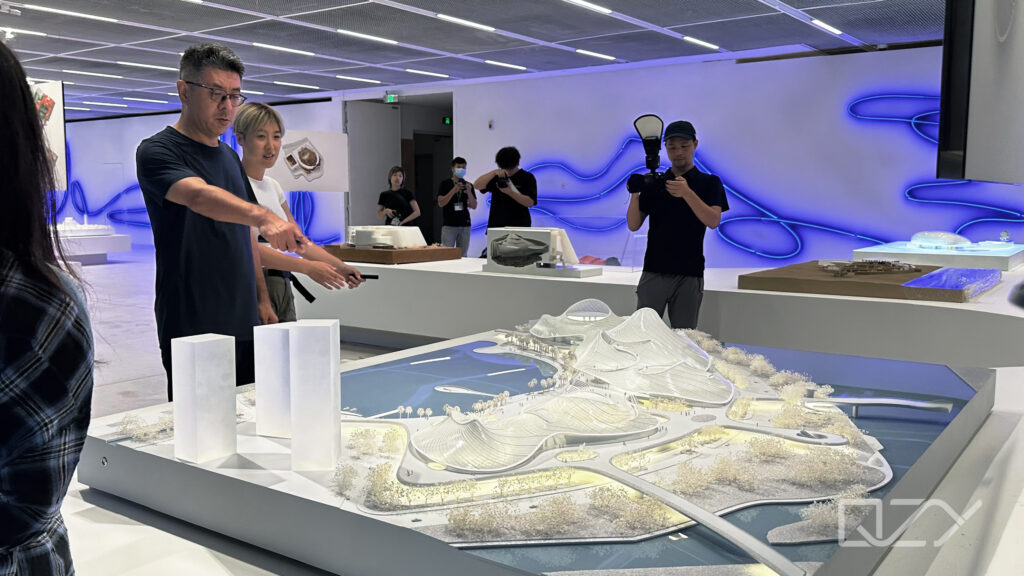
3D printing, CNC milling, and laser cutting revolutionize model production by automating precise fabrication directly from digital designs, cutting lead times from weeks to days while minimizing manual labor and errors. These technologies empower companies like QZY Models to deliver high-quality architectural and industrial models efficiently to global clients.
What Are Key Fabrication Technologies for Models?
Leading fabrication technologies include 3D printing, CNC machining, laser cutting, and SLS, each designed to streamline production and ensure precision.
3D printing builds objects layer by layer, allowing intricate structures to be produced quickly. CNC milling removes material from foam, wood, or plastics to create large-scale or detailed models. Laser cutting produces precise cuts and engravings on acrylic, MDF, or metal sheets. SLS fuses powdered materials to produce durable, support-free parts. These technologies integrate with CAD/CAM software, ensuring smooth workflows from digital designs to final models. QZY Models uses these methods to deliver projects for internationally renowned clients such as Foster + Partners and Vanke.
| Technology | Speed Benefit | Best For |
|---|---|---|
| 3D Printing | Hours to days | Complex geometries |
| CNC Milling | Days for large models | Foam/wood prototypes |
| Laser Cutting | Minutes per part | Flat panels, signage |
| SLS | Overnight batches | Functional prototypes |
How Does 3D Printing Accelerate Model Making?
3D printing accelerates production by building models directly from digital files, reducing assembly time and eliminating the need for molds.
FDM technology extrudes thermoplastics for cost-effective drafts, while SLA provides high-resolution details with resins, ideal for architectural facades and interiors. Multi-material printers add realism with textures and colors. QZY Models applies high-speed SLA printing to shorten lead times from weeks to 48 hours for developers like Vanke. Post-processing techniques such as sanding and polishing refine surface quality, and integration with scanning tools enables reverse engineering for urban planning projects.
Which CNC Methods Are Fastest for Physical Models?
CNC milling and routing excel in producing large-scale models, carving foam or wood in hours with automated precision.
5-axis CNC machines handle complex curves and intricate designs, while hot-wire CNC cutters efficiently slice foam EPS for lightweight, expansive models. QZY Models leverages these methods for projects in the Middle East, ensuring exhibition-quality results. CAM software optimizes tool paths to reduce machining time, and hybrid CNC-3D approaches allow roughing and finishing to occur seamlessly.
Why Choose Laser Cutting for Rapid Prototyping?
Laser cutting provides rapid, accurate material processing, producing custom components without extensive setup.
CO2 and fiber lasers cut and engrave acrylic, MDF, or metal with micron precision. Nesting software maximizes material use and reduces waste. QZY Models incorporates laser-cut parts into hybrid models for trade shows and client presentations across Europe and Southeast Asia. The technique delivers clean edges quickly and enables instant branding or surface textures, making it ideal for prototype and display components.
What Role Does Automation Play in Speeding Production?
Automation streamlines multi-step fabrication, reducing model turnaround from days to hours through robotic operation and integrated software.
Robotic loading and unloading allow lights-out manufacturing. AI-driven nesting and path optimization prevent errors and boost throughput. QZY Models’ Shenzhen facility uses conveyor-fed systems and IoT monitoring to track tool wear in real time, ensuring minimal downtime. Automation scales from small desktop setups to industrial production, supporting high-volume projects for architectural and government clients.
How Can Hybrid Technologies Maximize Efficiency?
Hybrid technologies combine additive and subtractive methods, merging the speed of 3D printing with the precision of CNC finishing.
Foam printing followed by CNC milling produces detailed landscapes efficiently. Laser-cut inserts integrate into 3D-printed shells for faster assembly. QZY Models develops hybrid solutions for collectors and high-end projects, using SLS for durability and milled textures for realism. Unified software workflows reduce material waste by up to 40% while minimizing errors, boosting sustainability and productivity.
Are Advanced Materials Key to Faster Fabrication?
High-performance resins, sinterable powders, and specialized foams allow quicker curing and machining, maintaining model strength and detail.
UV-curable photopolymer resins enable fast SLA printing, metal-infused filaments allow functional prototypes, and low-melt-point foams speed hot-wire cutting. QZY Models prioritizes recyclable thermoplastics for eco-friendly rapid iterations. Material databases integrated into slicer software predict build times, improving scheduling and efficiency.
QZY Models Expert Views
“At QZY Models, we’ve transformed model production timelines using integrated 3D printing and 5-axis CNC systems. Our Shenzhen team delivers architectural masterpieces for Foster + Partners in under a week by automating 80% of fabrication. Hybrid workflows minimize touch labor, ensuring precision for Vanke-scale developments. Clients in UAE and Saudi Arabia rave about our speed without sacrificing detail—innovation drives our global edge.”
—Richie Ren, Founder, QZY Models (est. 2013)
When Should You Invest in These Technologies?
Adopt these technologies when project volumes exceed 10 models per month or deadlines are under two weeks, as ROI is typically achieved within six months.
Start with desktop 3D printers for small-scale proofs and scale to industrial CNC and SLS systems for higher volume. Training in CAD/CAM software is essential. Leasing options provide lower entry costs. Track metrics such as build time per cubic centimeter to evaluate efficiency and justify investment.
Conclusion
3D printing, CNC milling, laser cutting, and hybrid workflows drastically reduce model production times while improving precision. Partnering with experienced teams like QZY Models ensures seamless integration of technology and expertise. Auditing workflows, testing additive methods, and embracing automation can unlock faster, superior models for architectural, industrial, and exhibition projects worldwide.
FAQs
What is the fastest fabrication technology for models?
3D printing is fastest for complex shapes, CNC excels for large-scale models, and hybrid approaches combine both for optimal speed.
How much faster is CNC compared to manual crafting?
CNC reduces fabrication time by 5-10x, delivering precise, repeatable results impossible by hand.
Can QZY Models handle urgent orders?
Yes, they provide high-quality models in days for global clients, including architects and developers.
What software works best with these technologies?
Design software like Rhino and SolidWorks pairs with fabrication tools such as Fusion 360 and Cura for efficient workflow.
Are these technologies affordable for small firms?
Desktop 3D printers start under $1,000, offering rapid iterations and fast ROI for startups and design studios.