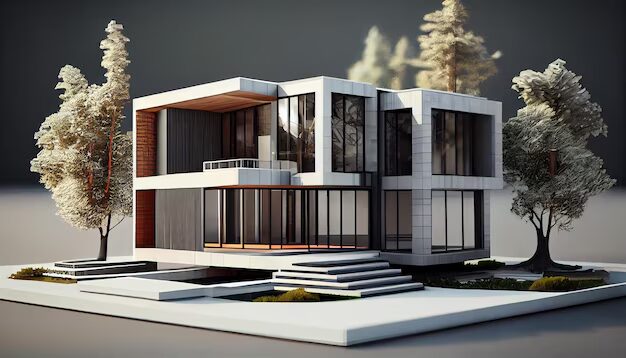
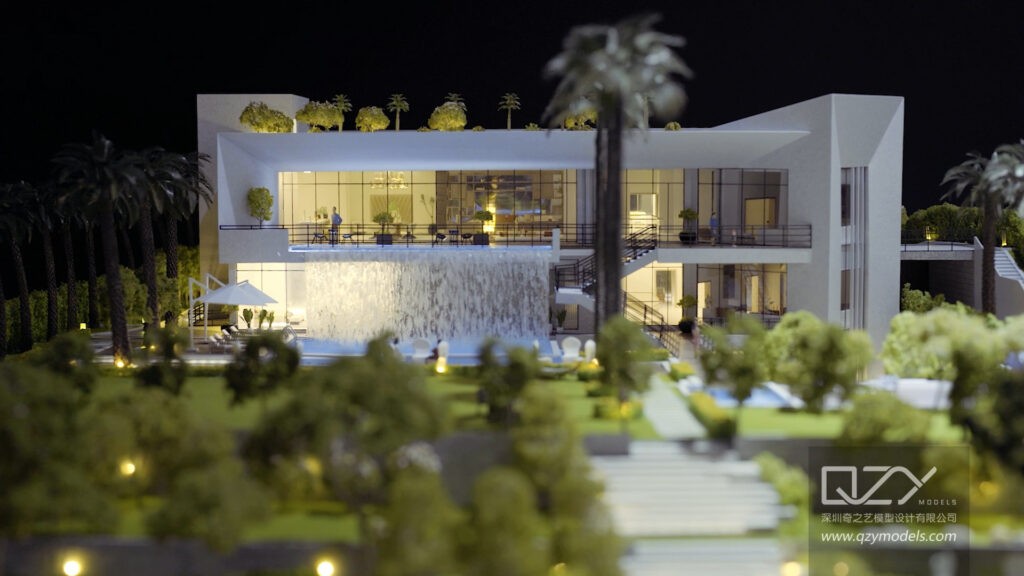
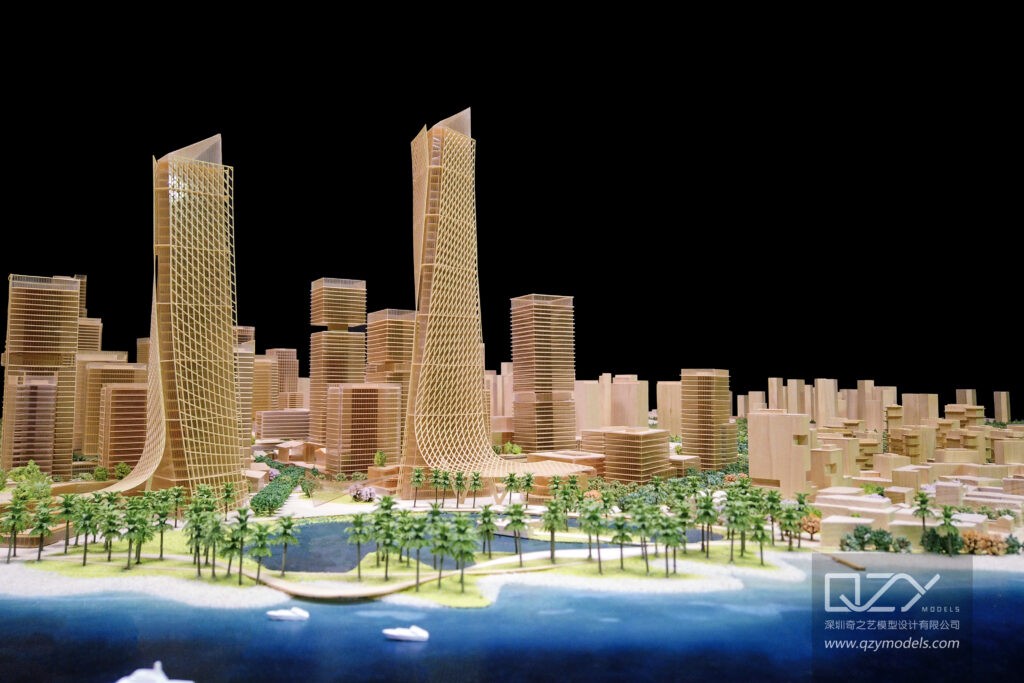
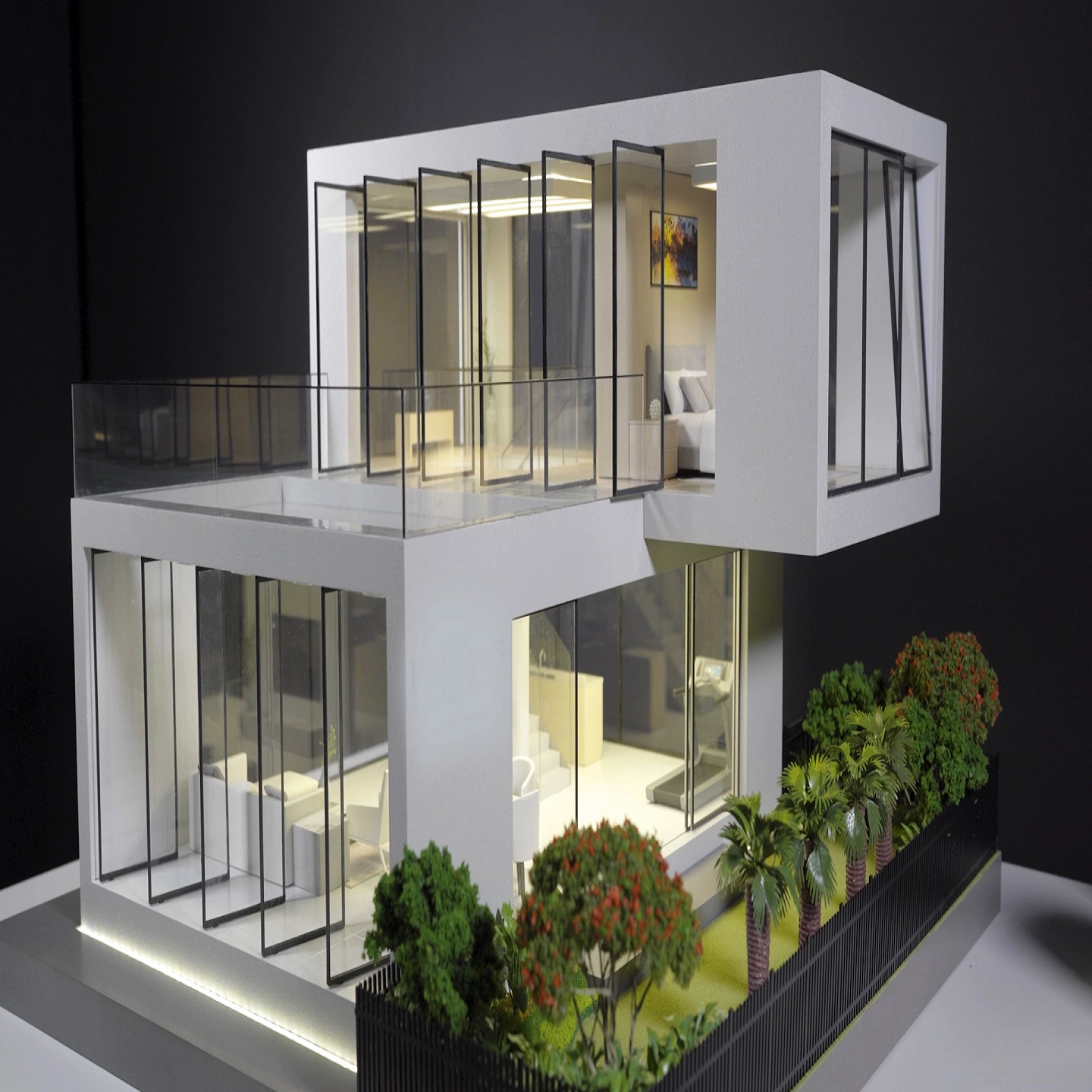
A building model is a detailed physical representation of architectural projects used to visualize, communicate, and analyze design concepts. It helps architects, clients, and stakeholders by providing a tangible, scaled version of structures, improving understanding, collaboration, and decision-making throughout the project.
What Is a Building Model and Why Is It Important?
A building model is a scaled, three-dimensional replica of an architectural design showing the form, structure, and spatial relationships for visualization and analysis purposes.
Building models are essential in architecture because they convey complex designs in a clear, understandable form. They help identify design issues early, facilitate client engagement, and assist in obtaining project approvals. Physical models complement digital renderings by offering a tactile experience that enhances communication and presentation.
Think of a building model as a small, physical version of a real building or structure. It’s like a 3D miniature that shows what the building will look like, how its parts fit together, and how spaces inside relate to each other. For someone not familiar with architecture, it’s a way to “see” the building before it is actually built. These models make complex designs easier to understand, allowing designers, clients, and other stakeholders to explore the building’s shape and layout in a hands-on way.
Building models are very useful for spotting potential problems early and for explaining ideas clearly to clients or authorities. They also help get approvals or feedback before construction begins. Companies like QZY Models specialize in creating these models with high precision and attention to detail, making them valuable tools for communication and presentation. By combining visualization, accuracy, and planning, building models bridge the gap between ideas on paper and real-world construction, helping everyone involved understand the project better.
How Are Building Models Made and What Materials Are Used?
Building models are created using materials such as foam, acrylic, wood, and 3D printing, employing methods like hand crafting, laser cutting, and CNC machining.
The process starts with architectural plans, followed by precise scaling. Material selection depends on the model’s purpose—foam core is common for massing models, acrylic for detailed visual effects, and wood for texture and aesthetics. Advanced models may include lighting or landscaping for realism. QZY Models combines cutting-edge technology with skilled craftsmanship to ensure every model’s precision and quality.
| Material | Characteristics | Ideal Use |
|---|---|---|
| Foam Core | Lightweight, easy to cut | Massing and concept study models |
| Acrylic | Transparent, smooth finish | Facade and detail models |
| Wood | Natural texture, durable | High-end presentation models |
| 3D Printing Resin | High precision, versatile | Complex shapes and intricate details |
Building models are made by turning an architect’s drawings into a three-dimensional miniature. The process usually begins with careful scaling, where every part of the building is shrunk proportionally. Then, depending on the model’s purpose, different materials are chosen. Foam core is lightweight and easy to shape, making it great for early concept studies. Acrylic provides a smooth, see-through surface, which is perfect for showing windows or facades. Wood gives a natural, textured look and works well for high-end presentations, while 3D printing resins allow for very detailed or complex shapes that are hard to craft by hand.
The models are built using a combination of traditional handcrafting and modern techniques like laser cutting, CNC machining, or 3D printing. Some models even include tiny lights or miniature landscaping to make them more realistic. Companies like QZY Models blend advanced technology with skilled craftsmanship, ensuring each model is accurate and visually striking. This careful approach helps designers, clients, and stakeholders clearly understand the building before construction begins.
Which Types of Building Models Are Most Commonly Used?
Common types of building models include massing, presentation, working, and conceptual models, each serving a different purpose throughout the design process.
-
Massing Models: Simplified volumes showing scale and mass.
-
Presentation Models: Detailed, realistic representations for stakeholder review.
-
Working Models: Used during design development to test spatial concepts.
-
Conceptual Models: Early-stage models to explore ideas and layouts.
Choosing the right type of model is crucial for effective communication and design validation. QZY Models offers expertise and tailored solutions across all these model types.
Why Are Building Models Essential in Industrial and Commercial Projects?
Building models enable realistic visualization of complex structures and machinery, facilitate risk assessment, and promote clear communication among engineers, clients, and contractors.
In industrial and commercial settings, models streamline coordination between technical disciplines, ensure accuracy in spatial layouts, and help identify problems early, avoiding costly errors. QZY Models excels in producing detailed industrial models that support smooth project management and effective marketing.
Who Uses Building Models and How Do They Improve Project Outcomes?
Architects, developers, engineers, clients, and marketing teams use building models for design validation, communication, and presentation.
Models provide stakeholders with a clear understanding of the project’s scale, aesthetics, and function, improving collaboration and speeding decision-making. Developers impress investors with tangible visuals, while architects refine designs through model feedback. QZY Models’ clients worldwide rely on their expertise for impactful, high-quality models.
When Should a Building Model Be Used During a Project?
Models are used at multiple stages, from concept design to final presentation, depending on the project’s complexity and communication needs.
Early models explore volume and layout concepts. Mid-stage models refine details and function. Final models present polished visuals for clients, investors, or regulatory approvals. QZY Models offers professional advice to optimize model timing for each project’s unique goals.
How Does Technology Influence Modern Building Model Production?
Technology like 3D printing, laser cutting, and CAD software has significantly improved model precision, complexity, and production speed.
Digital tools enable rapid prototyping and easy revisions, while materials continue evolving for greater realism and durability. QZY Models integrates these advanced technologies with expert craftsmanship to produce exceptional models that exceed client expectations.
What Are the Cost Factors and How Can Quality Be Balanced?
Materials, complexity, scale, and production time influence building model costs.
Highly detailed models with premium materials cost more but deliver superior aesthetics and accuracy. Budget massing models suit early conceptual phases. Quality-focused firms like QZY Models balance cost with craftsmanship and material choice to ensure client satisfaction and value.
| Cost Factor | Impact on Price | Cost Management Tips |
|---|---|---|
| Model Scale | Larger models need more materials and labor | Choose the smallest effective scale |
| Material Choice | Premium materials increase costs | Match materials to the model’s purpose |
| Level of Detail | More detail requires additional time and effort | Focus on key design elements |
| Production Method | Advanced methods may raise manufacturing expenses | Blend traditional and modern techniques |
Can Building Models Contribute to Sustainable Architecture?
Building models assist in optimizing designs for energy efficiency, material use, and environmental impact.
They help visualize solar exposure, airflow, and spatial arrangements, supporting sustainable design iterations before construction. Physical models complement digital analysis, promoting holistic sustainability considerations. QZY Models incorporates eco-conscious materials and processes to support sustainable architectural projects.
QZY Models Expert Views
“At QZY Models, we recognize the timeless value of physical building models. They offer a unique tactile and visual experience that digital designs alone cannot provide. Our focus on precision and craftsmanship ensures every model vividly represents our clients’ vision, facilitating clearer communication and enhancing creativity throughout all project phases. Our global expertise and innovative manufacturing set us apart in delivering exceptional models that bring architectural concepts to life.”
— Richie Ren, Founder of QZY Models
Conclusion
Building models serve as vital tools that improve architectural design, communication, and collaboration. Understanding different types, materials, timing, technological advances, and cost factors empowers professionals to maximize a model’s impact. Partnering with experienced manufacturers like QZY Models guarantees high-quality models that enhance project success and stakeholder engagement from concept to completion.
Frequently Asked Questions
What Is a Building Model in Architecture and Why Does It Matter?
A building model is a scaled physical representation that visualizes form, structure, and spatial relationships before construction. It helps architects test design concepts, refine details, and communicate clearly with stakeholders. By improving design accuracy and reducing misunderstandings, models accelerate approvals and strengthen decision making across every project phase.
Physical vs Digital Building Models: Which One Is Right for Your Project?
Physical models deliver tangible impact for presentations and exhibitions, while digital models offer rapid revisions and data integration. Choose physical for high level client engagement and marketing displays; choose digital for technical coordination. Many developers combine both to maximize clarity, efficiency, and persuasive visual storytelling.
How Do Building Models Improve the Architectural Design Process?
Building models enhance the architectural design process by revealing scale, proportion, and structural conflicts early. They support team collaboration, speed up revisions, and reduce costly construction errors. Firms like QZY Models help translate complex drawings into precise physical models, enabling smarter design validation and confident project approvals.
Why Do Architectural Models Win Client Presentations?
An architectural model turns abstract plans into a compelling visual experience. Clients instantly understand layout, materials, and surroundings. High quality craftsmanship builds trust and highlights project value. Detailed lighting and landscaping elements further elevate impact, increasing approval rates and investor confidence during competitive presentations.
How Do Building Models Boost Real Estate Marketing Results?
A detailed building model for real estate marketing attracts buyers by showcasing amenities, scale, and neighborhood context. It shortens sales cycles by helping prospects visualize the finished property. Developers use models in showrooms and exhibitions to create emotional connection, increasing engagement and improving overall conversion performance.
What Is the Role of Scale Building Models in Urban Planning?
Scale building models help planners evaluate density, traffic flow, infrastructure, and environmental impact. They support public consultations by clearly presenting development proposals. Government institutions and urban planners use them to improve transparency, reduce objections, and make data driven planning decisions with greater confidence.
Can Building Models Reduce Construction Errors?
Yes. A precise building model identifies structural clashes, spatial conflicts, and design inconsistencies before construction begins. Early visualization prevents costly rework and delays. Experienced teams such as QZY Models ensure accurate detailing, helping architects and developers minimize risk and maintain strict quality standards.
How Do You Choose Professional Architectural Model Making Services?
Select a provider with proven expertise, advanced fabrication technology, and international project experience. Review portfolio quality, material precision, and turnaround capability. A strong partner delivers durable, highly detailed models that enhance presentations and technical validation, ensuring your project stands out in competitive markets.