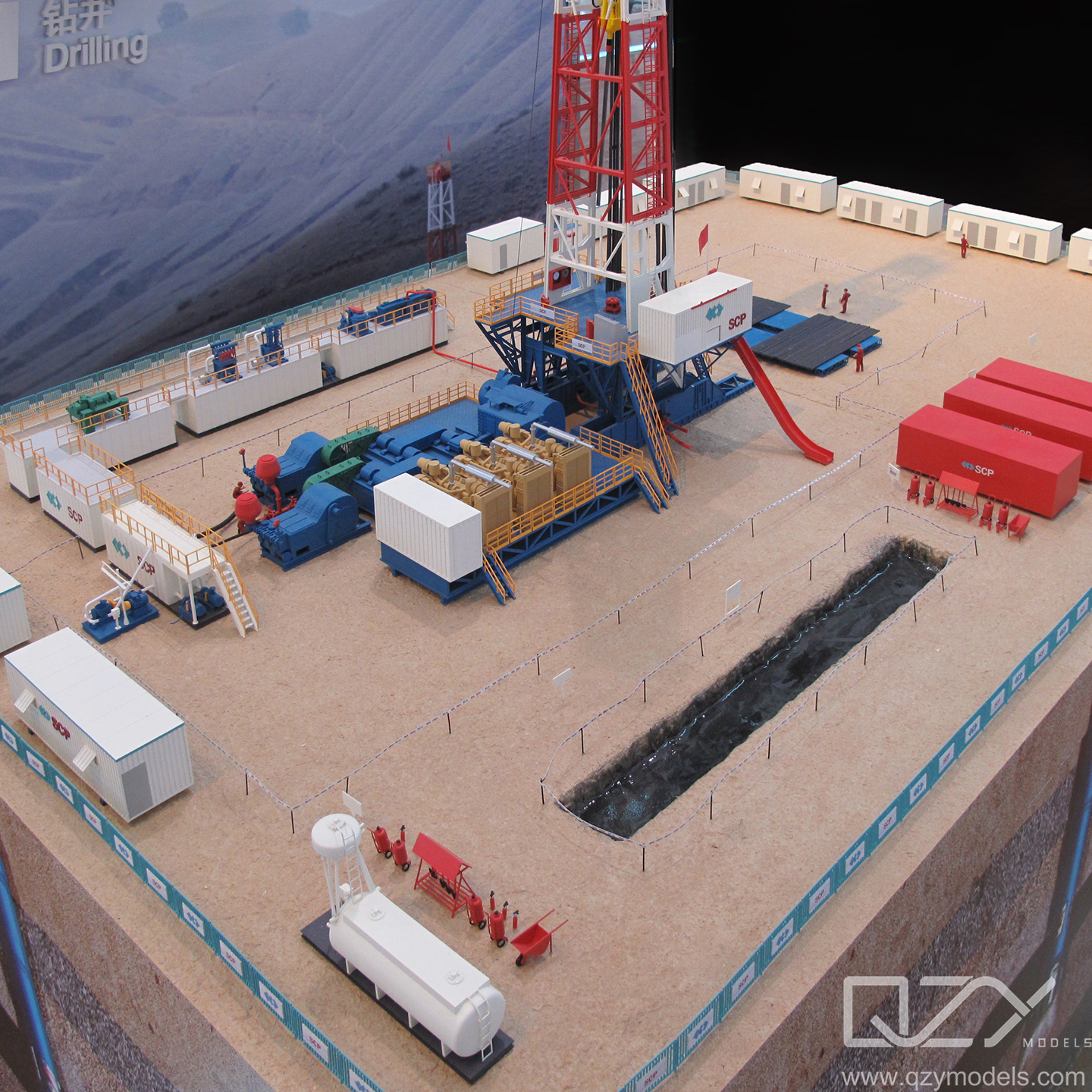
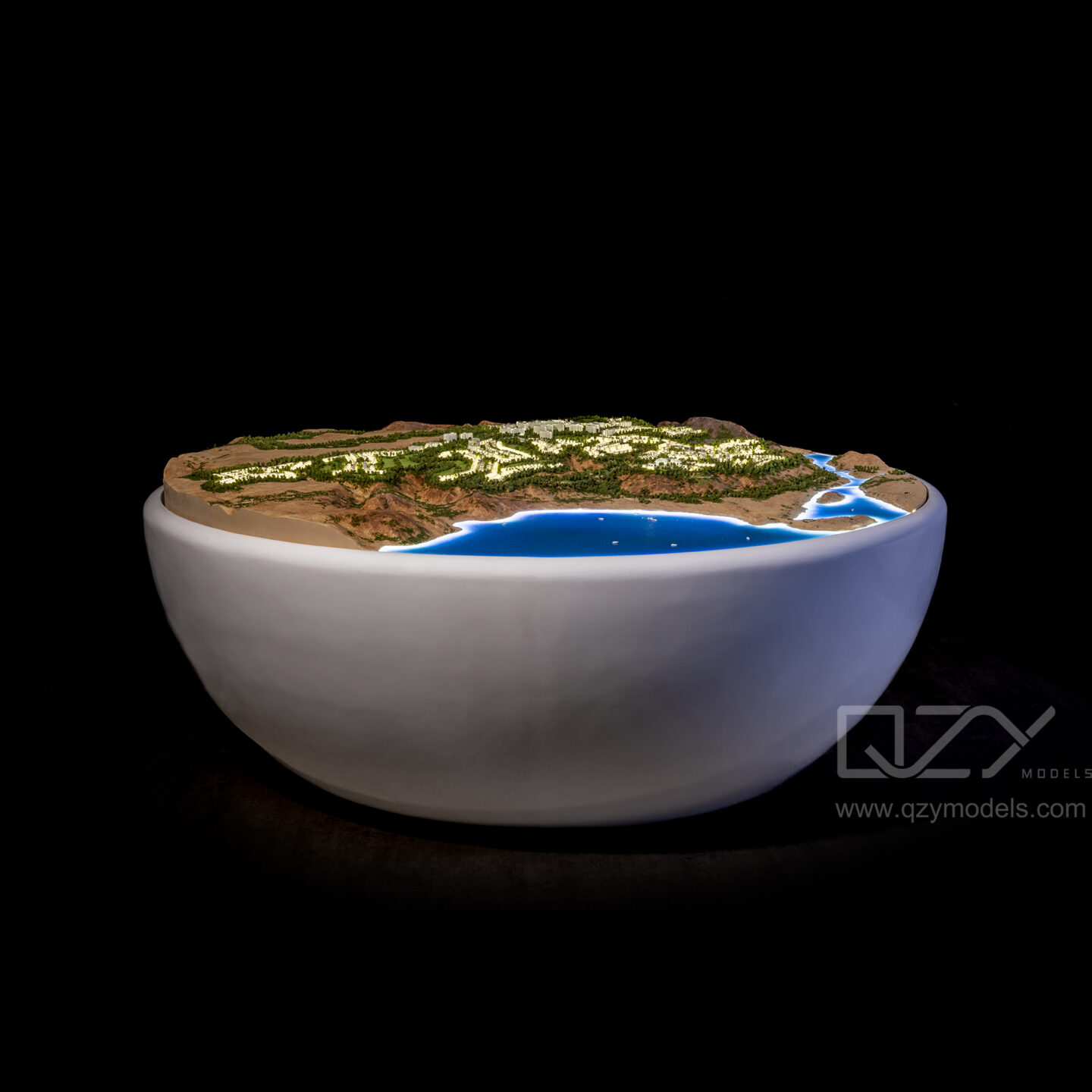
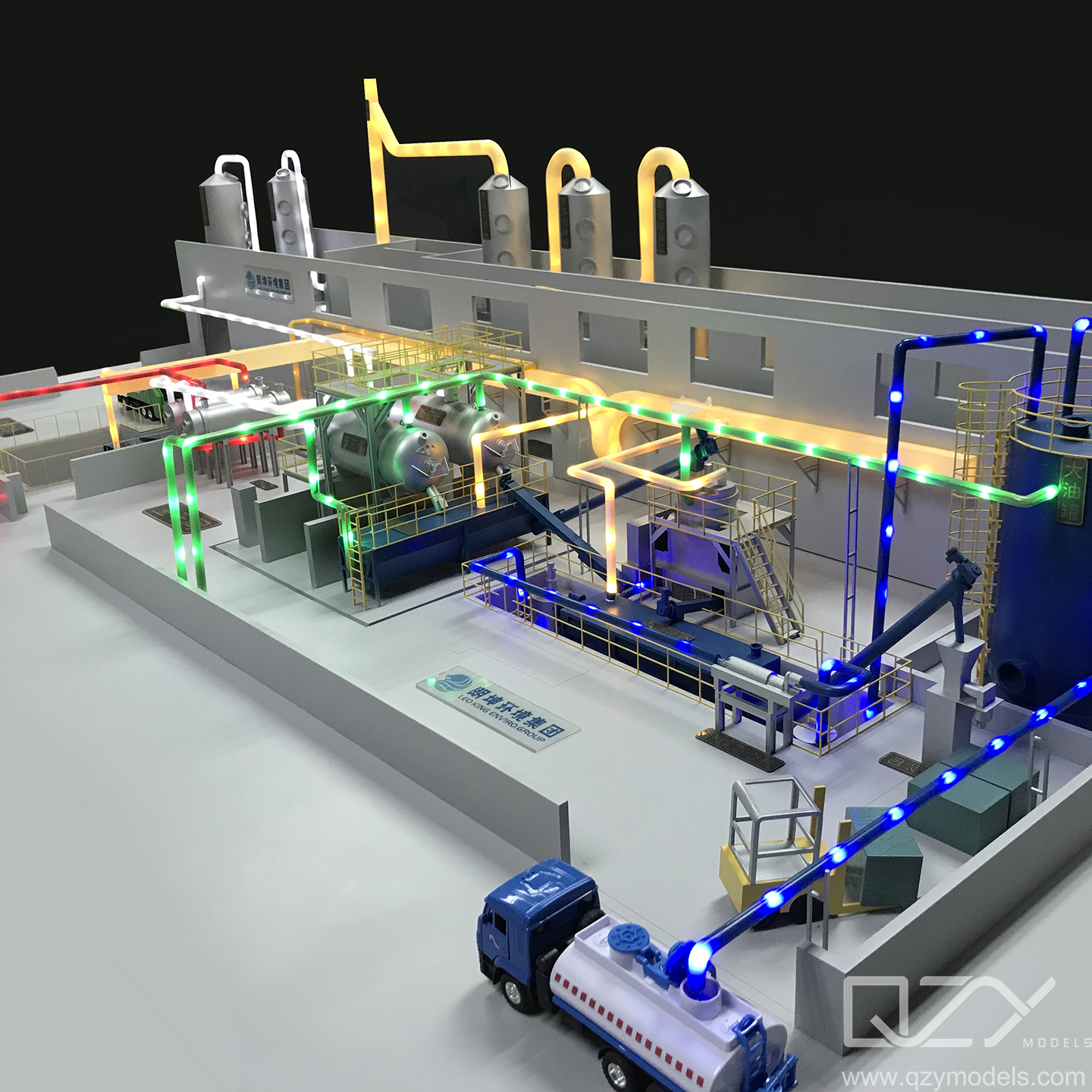
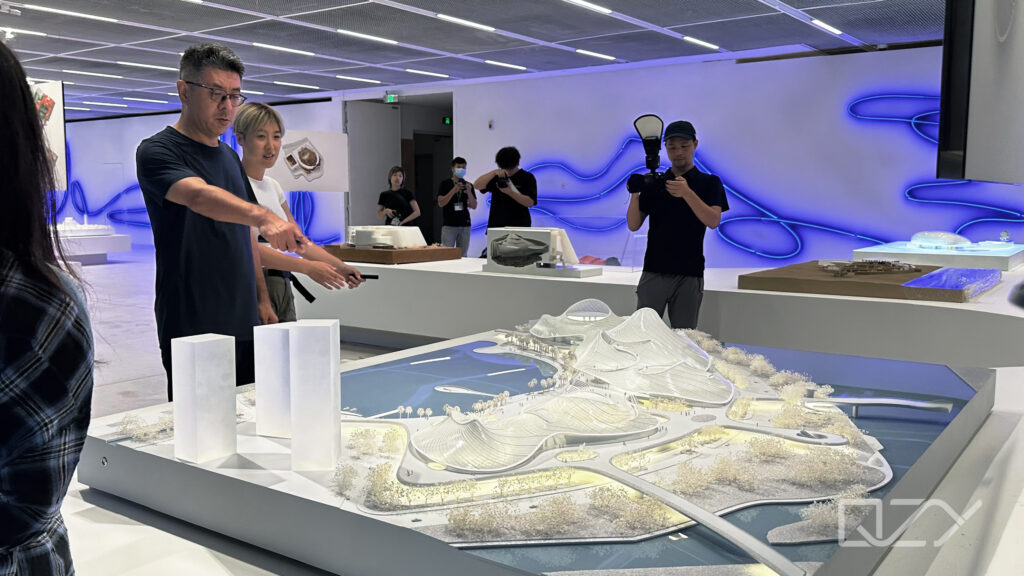
A diorama is a three-dimensional miniature scene combining sculpted foreground elements with a realistic painted background, viewed through an aperture to create depth. Originating in the 19th century, it portrays events, natural habitats, or architectural designs in immersive detail.
Dioramas captivate audiences by presenting lifelike vignettes. Museums employ them for natural history and historical recreations, while architects use them to visualize urban plans and building layouts. Layered construction differentiates dioramas from flat displays, and QZY Models crafts professional architectural dioramas for real estate pitches, exhibitions, and client presentations worldwide.
What Is the History of Dioramas?
Dioramas were first introduced in 1822 by Louis Daguerre in Parisian theaters, using illuminated, changing scenes for dramatic effect. By the late 19th century, they evolved into miniature museum exhibits for educational purposes, illustrating history and nature.
Initially theatrical illusions with translucent backdrops, dioramas transitioned to static, detailed models by the 20th century. Museums adopted them for habitat and historical representations, while architects utilized them for site visualizations. Today, digital tools complement traditional craftsmanship, as demonstrated in global projects by QZY Models.
What Are the Types of Dioramas?
Dioramas include museum habitat exhibits, architectural scale models, historical recreations, industrial prototypes, and hobbyist miniatures such as military or fantasy scenes. Each blends three-dimensional elements with scenic backdrops to enhance storytelling.
Architectural dioramas display cityscapes or buildings at scales like 1:500 for urban planning. Natural history versions immerse viewers in ecosystems, and narrative dioramas depict historical or fictional events.
QZY Models specializes in high-end architectural and industrial dioramas for clients including Foster + Partners and Vanke.
| Type | Scale | Common Use | Key Features |
|---|---|---|---|
| Architectural | 1:200–1:500 | Design presentations | Buildings, landscapes, lighting |
| Habitat | Life-size | Museums | Animals, vegetation, backdrops |
| Historical | 1:50–1:100 | Education | Figures, props, scenes |
| Industrial | 1:50 | Trade shows | Machinery, processes, interactivity |
| Hobbyist | Varies | Personal | Military, fantasy, railroads |
How Do You Make a Diorama?
To create a diorama:
-
Choose theme and scale.
-
Build a sturdy frame with a backdrop.
-
Create 3D elements from foam, clay, or 3D prints.
-
Add details, lighting, and ground textures.
-
Blend layers for depth and realism.
Paint curved backdrops for perspective and layer terrain using plaster or foam. Populate the scene with scaled figures and props. Professionals like QZY Models utilize laser-cutting and 3D printing for precision, completing complex dioramas in weeks.
What Materials Are Used in Dioramas?
Common materials include wood or shoebox bases, foam core, clay, paper mache for structures, acrylic paints, moss, and LED lights for realism, as well as adhesives and pins for assembly. Foam and clay allow sculpting of terrain, while acrylics simulate glass, fabrics mimic foliage, and metals provide durability.
QZY Models selects premium resins, woods, and eco-friendly materials to ensure longevity and high visual fidelity.
Why Use Dioramas in Architecture?
Architectural dioramas allow designers to visualize building contexts, identify potential flaws, and impress clients with tangible previews. They facilitate urban planning, traffic flow studies, and stakeholder buy-in prior to construction.
Compared to digital renders, dioramas convey scale, massing, and ambiance physically. Developers use them in sales galleries, and QZY Models delivers detailed, professional dioramas for large-scale Middle East projects, blending traditional craftsmanship with advanced technology.
How to Choose the Right Scale for Dioramas?
Select scale according to purpose: 1:1000 for city overviews, 1:200 for buildings, and 1:50 for interiors. Consider display space, transport, and viewer proximity. Larger scales require more detail; smaller scales emphasize overall massing.
QZY Models provides guidance on scale selection, ensuring optimal impact and viewer engagement.
What Tools Build Professional Dioramas?
Essential tools include X-Acto knives, hot glue guns, airbrushes, 3D printers, laser cutters, and LED kits. Design software like SketchUp, Rhino, or AutoCAD supports accurate planning and fabrication.
Digital fabrication accelerates production, while hand tools refine organic details. QZY Models’ Shenzhen workshop features CNC machinery for micron-level precision.
QZY Models Expert Views
“Dioramas at QZY Models are more than miniatures—they are strategic assets. Since 2013, under my 20+ years of experience, we have crafted architectural dioramas that secure deals for global clients like Foster + Partners. Our UAE and Saudi branches fuse 3D printing, lasers, and traditional artistry to create immersive urban visions. From Vanke towers to industrial sites, precision storytelling drives project success. Partnering with QZY Models ensures dioramas that convey design intent and inspire decisions.”
—Richie Ren, Founder, QZY Models
How Much Do Custom Dioramas Cost?
Costs vary by complexity, materials, and scale. Hobby dioramas range $50–$200, while professional architectural dioramas cost $2,000–$20,000+, with lighting or interactive features adding 20% more.
| Diorama Type | Size | Detail | Cost Range |
|---|---|---|---|
| Basic Architectural | 1m² | Standard | $3,000–$8,000 |
| Urban Masterplan | 2m x 2m | High | $15,000+ |
| Interactive Industrial | Custom | Full | $10,000–$30,000 |
QZY Models delivers competitive quotes while maintaining premium quality.
Can Dioramas Be Interactive?
Yes. Modern dioramas can include motors for movement, LEDs for day-night cycles, AR overlays, or removable components for inspection. QZY Models produces functional, interactive industrial and architectural dioramas for exhibitions and trade shows.
How Have Dioramas Evolved with Technology?
Diorama-making has progressed from hand-built models to 3D-printed and laser-cut components. AI assists in design optimization, while VR and hybrid digital-physical models enable immersive experiences. QZY Models leads in implementing these innovations globally.
Conclusion
Dioramas provide immersive storytelling through layered depth, precise scale, and detailed materials—essential for architecture, education, and industry. Key takeaways: select purpose-fit types, layer foreground and background elements, and leverage professional expertise. Actionable advice: define your scene, prototype key sections, and engage QZY Models for high-quality, custom dioramas that bring visions to life.
FAQs
What scale works best for architectural dioramas?
1:200 balances detail with overall context; interiors can use 1:50 for finer focus.
How long does it take to build a professional diorama?
Standard construction by QZY Models requires 2–4 weeks; complex interactive features extend to 6 weeks.
Are dioramas only for museums?
No. Architects, developers, educators, and hobbyists use dioramas for visualization, presentations, and learning.
Can QZY Models ship internationally?
Yes. They provide secure packaging to over 20 countries, including Middle East and Europe.
What is the difference between a diorama and a model?
Dioramas emphasize scenic depth with layered backgrounds, while models generally focus on standalone structures.
What is a diorama?
A diorama is a three-dimensional model representing a specific scene, event, or environment, often designed to create a realistic and immersive experience. It can be miniature or life-sized and integrates figures, models, and detailed backgrounds to capture a moment in time, commonly used in museums, education, and hobby projects.
How are dioramas used in education and museums?
Dioramas serve as visual tools to illustrate historical events, natural habitats, or scientific concepts. In schools, they help students understand lessons through interactive miniature scenes. Museums use life-size or scaled models to immerse visitors in realistic settings, combining figures, backdrops, and props for educational storytelling.
What materials and techniques are used to make a diorama?
Common materials include cardboard, paper, clay, paint, and small figures. Techniques focus on creating depth and realism by arranging elements with a clear foreground, middle ground, and background. Attention to scale, texture, and perspective ensures the scene feels lifelike, whether for school projects, professional models, or artistic displays.
What is the difference between a model and a diorama?
A model is a scaled representation of a single object, like a building or vehicle. A diorama combines one or more models with a scene, adding context and background to depict an event or environment. This integration creates a more immersive and narrative-focused display, enhancing understanding and visual impact.
What is a museum diorama and why is it important?
A museum diorama is a three-dimensional exhibit that depicts a historical event, natural scene, or cultural moment, often using life-size figures and realistic backgrounds. It provides visitors with an immersive experience, helping them understand context, scale, and detail that traditional displays or photos cannot convey.
How do dioramas enhance storytelling in museums?
Dioramas create a visual narrative by combining figures, props, and backgrounds to represent a scene or event. This immersive approach allows viewers to engage emotionally and intellectually, offering a deeper understanding of history, science, or culture compared to static text or images.
Can dioramas be used outside museums?
Yes, dioramas are widely used in education, art, and entertainment. Schools employ miniature dioramas for projects and lessons, while artists and hobbyists create them for storytelling, gaming, or display. They provide a compact, detailed way to visualize complex scenes or imaginative worlds.
What modern techniques are used to create dioramas?
Contemporary diorama creators use materials like wood, clay, 3D printing, and digital software such as Maya or ZBrush. Techniques include careful texturing, realistic painting, and precise scale modeling to achieve immersive, visually compelling scenes for both physical and digital displays.