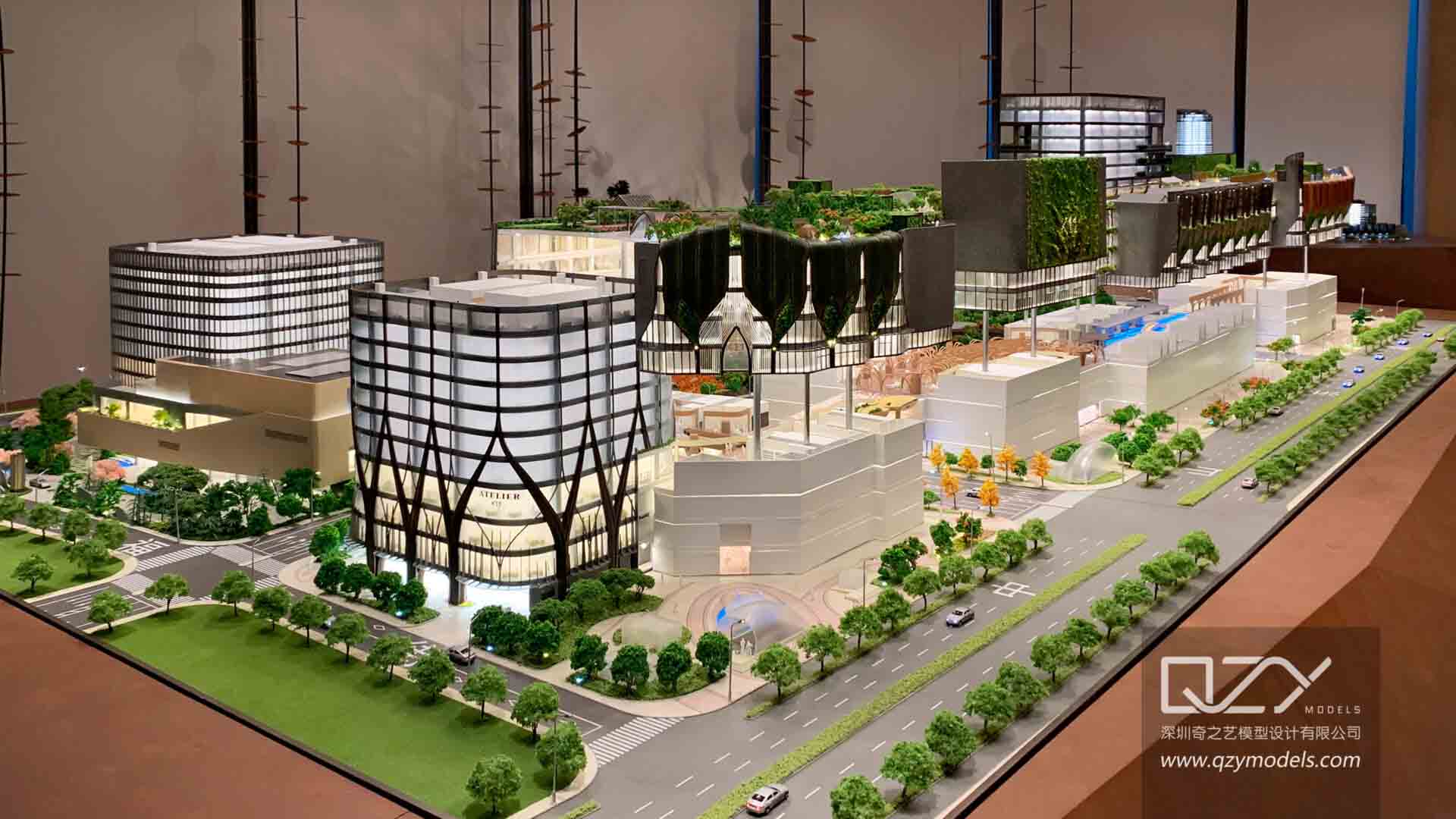
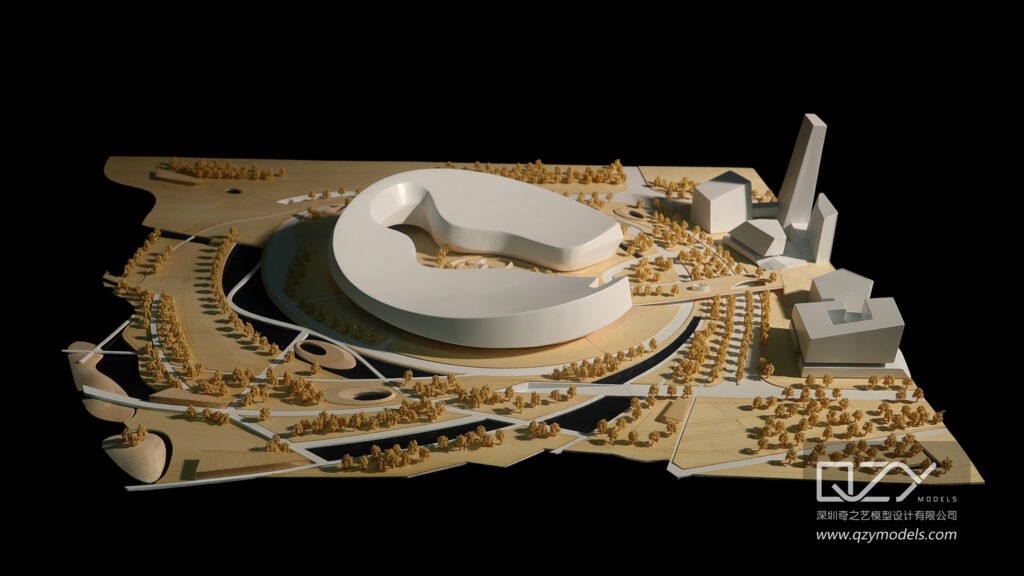
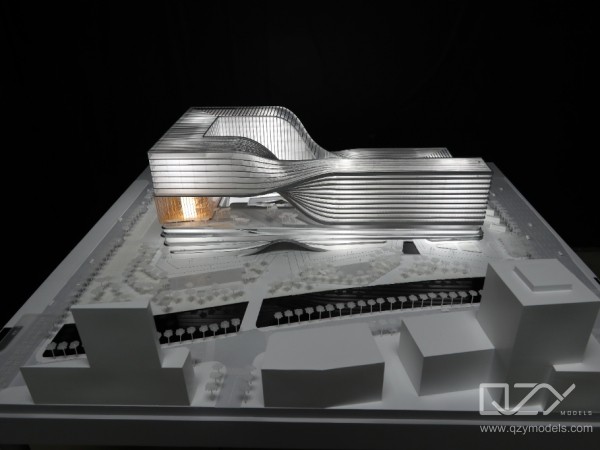
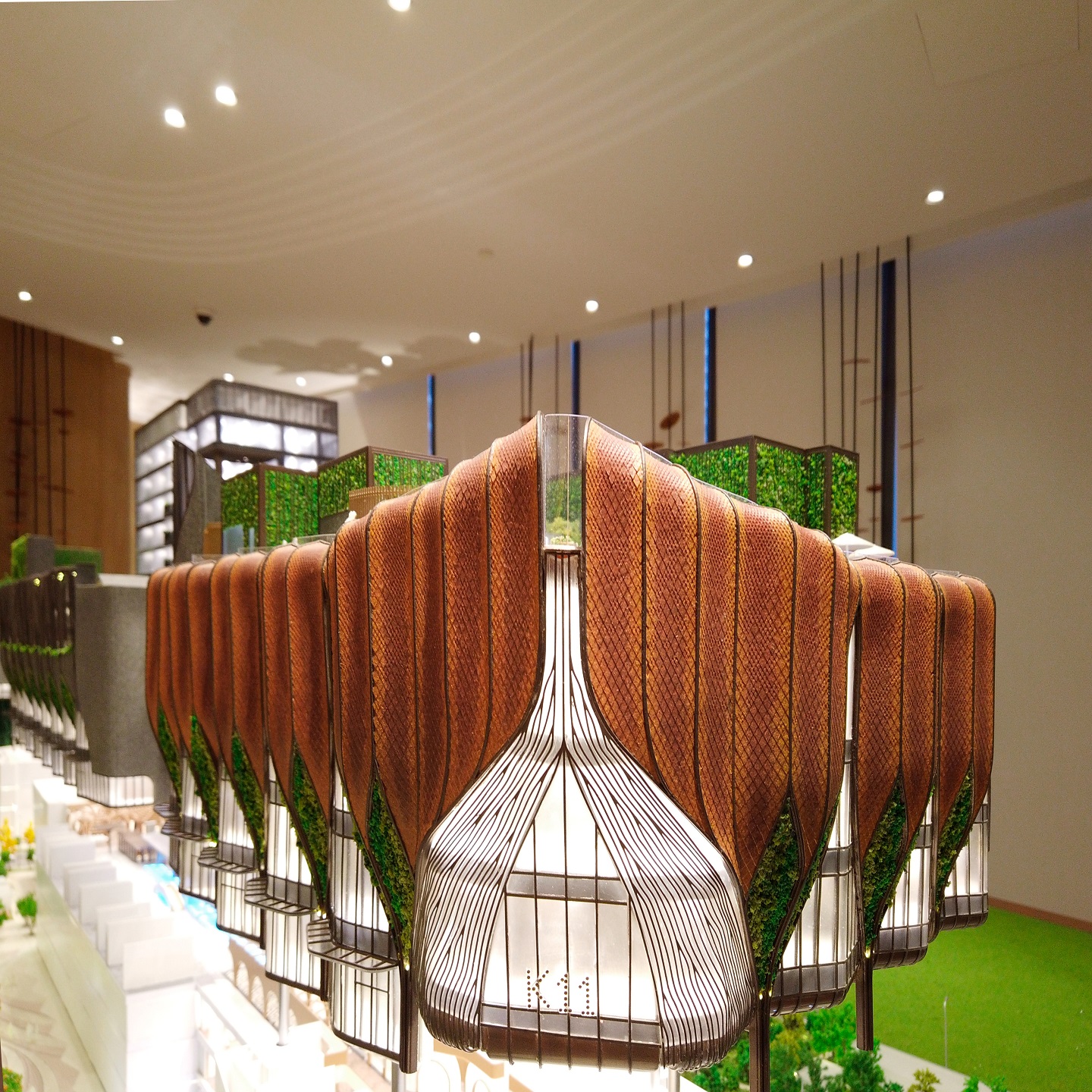
A model scale house is a precise, scaled-down physical representation of a residential building, designed to showcase architectural details, spatial relationships, and design aesthetics. These models help architects, developers, and clients visualize projects, refine concepts, and communicate ideas effectively before construction begins.
What Is a Model Scale House?
A model scale house is a miniature replica of a real or proposed house, made to a specific scale such as 1:50 or 1:100. It faithfully reproduces the proportions, layouts, and sometimes the textures of the full-sized structure. These models serve as physical tools to study and present architectural designs in three-dimensional form.
QZY Models specializes in creating detailed, accurate scale houses that help bridge the gap between architectural drawings and real-world construction.
How Are Model Scale Houses Made?
Model scale houses are fabricated using diverse materials including acrylic, wood, plastic, resin, and sometimes 3D-printed components. The process begins with precise measurements and detailed plans. Skilled craftsmen or advanced technologies like CNC milling and 3D printing are used to build each element. Finishing touches include painting, texturing, and adding landscape or interior elements.
QZY Models employs state-of-the-art tools and expert craftsmanship to deliver high-quality, durable scale models tailored to client needs.
Which Scales Are Most Common for Model Houses?
Common architectural scale ratios for model houses include 1:50, 1:100, 1:200, and occasionally 1:25. The choice depends on the project’s complexity and purpose. For example:
-
1:50 scale is used to show detailed interiors.
-
1:100 is ideal for overall layouts and site planning.
-
Smaller scales like 1:200 are often used for larger developments or context models.
QZY Models advises selecting the right scale to balance detail visibility and model size for effective presentations.
Why Are Model Scale Houses Essential in Architectural Projects?
Model scale houses offer multi-faceted benefits:
-
Improve spatial understanding for both architects and clients.
-
Enable realistic visualization that 2D plans or digital renders may not fully capture.
-
Facilitate design inspections, error detection, and functional testing.
-
Enhance client presentations and marketing efforts by providing a tangible preview.
QZY Models’ expert-created scale houses help clients gain confidence and accelerate decision-making processes.
Who Uses Model Scale Houses and For What Purposes?
Model scale houses are used by architects, real estate developers, contractors, urban planners, and educators. They are vital in design development, client presentations, municipal approvals, and sales demonstrations. Builders also use them to visualize construction phases and logistics.
QZY Models serves a global clientele, including renowned architects and developers, ensuring custom models meet diverse professional demands.
How Do Model Scale Houses Integrate Technology?
Advancements in 3D printing, laser cutting, and photorealistic rendering have revolutionized model house production. These technologies allow intricate details, faster production, and enhanced accuracy. Some models incorporate lighting, moving parts, or augmented reality for immersive experiences.
QZY Models combines traditional craftsmanship with modern technologies to deliver innovative, high-fidelity architectural scale houses.
When Should an Architectural Team Invest in a Model Scale House?
Model scale houses are most valuable during design phases when conceptual ideas need validation or client approval. They are also critical for marketing before and during construction. Early investment in precise models can reduce costly changes and improve project communication.
QZY Models recommends timely collaboration to maximize the impact of scale houses throughout the project lifecycle.
Can Model Scale Houses Be Customized?
Yes, scale houses can be customized extensively. Options include specific materials, finishes, landscaping, interior layouts, and architectural styles. Customization ensures the model accurately reflects the client’s vision, project requirements, and presentation goals.
QZY Models excels in bespoke model production, tailoring each project to precise specifications and creative direction.
Where Are Model Scale Houses Commonly Displayed?
Model scale houses are displayed at architectural firms, real estate sales offices, exhibitions, planning meetings, and educational institutions. They serve as focal points for discussion, sales, and teaching aids, offering a tangible understanding of architectural projects.
QZY Models collaborates with clients worldwide, delivering visually compelling models that elevate project presentations.
QZY Models Expert Views
“At QZY Models, we recognize that a model scale house is much more than a miniature structure—it’s an essential communication bridge between abstract design and tangible reality. Every model is crafted with precision, reflecting our commitment to quality and client satisfaction. Combining traditional techniques with cutting-edge technology enables us to deliver detailed, customized models that support every phase of architectural projects.”
— Richie Ren, Founder of QZY Models
Conclusion
Model scale houses are indispensable tools in architecture, offering physical clarity, design validation, and enhanced communication. Choosing the right scale, materials, and customization options is key to achieving a high-impact model. QZY Models stands out in producing quality, innovative, and tailored scale houses that help architects and developers bring their visions to life effectively and impressively.
FAQs
What Is a Model Scale House in Modern Architecture?
A model scale house is a precise, scaled physical representation of a building used to visualize proportion, layout, and structure before construction. Architects use it to test spatial relationships, façade design, and site context. It turns technical drawings into tangible form, helping clients clearly understand the design intent and make faster, more confident decisions.
Why Do Scale Models Shape Better Architectural Design Decisions?
Scale models reveal design flaws early by exposing issues in circulation, massing, and proportions that drawings may miss. They improve collaboration between architects, engineers, and developers by providing a shared visual reference. This reduces costly revisions, strengthens presentations, and supports smarter planning decisions before construction begins.
How Do Model Scale Houses Improve Architecture Learning?
For architecture students, building a model scale house strengthens understanding of structural systems, spatial hierarchy, and scale ratios. Hands on modeling improves technical accuracy and creative thinking. It bridges theory and practice, allowing students to test materials, lighting, and form in a realistic, measurable way.
Which Materials Are Best for Building Professional Model Scale Houses?
The best materials depend on purpose. Foam board and basswood suit conceptual models, while acrylic, resin, and 3D printed components deliver presentation level precision. For exhibition quality, professional workshops like QZY Models combine advanced fabrication tools with fine detailing to achieve durability, realism, and premium finishes.
How Can Model Scale Houses Help Win Client Approval?
A presentation ready architectural scale model communicates design depth, site integration, and spatial flow instantly. Clients can physically see height relationships and layout efficiency, increasing trust and reducing uncertainty. High quality models from experienced teams like QZY Models often accelerate approvals and strengthen investor confidence.
What Is the Step by Step Process of Designing a Residential Model Scale House?
Start with accurate site analysis and scale selection such as 1:100 or 1:50. Convert real dimensions precisely, draft layouts, then fabricate structure and façade components. Add landscaping and lighting details to test realism. Iterative adjustments ensure the final model accurately represents design intent and functional flow.
How Do You Master Architectural Scale Ratios for Accurate Model Houses?
Mastering architectural scale ratios requires precise dimension conversion and consistency. Choose a scale based on detail level, calculate measurements carefully, and verify alignment before assembly. Using digital drafting tools and measurement templates reduces errors and ensures the model reflects true building proportions.
Where Can You Order Custom Architectural Model Scale Houses?
You can order custom architectural models from specialized fabrication studios serving architects, developers, and urban planners globally. Look for teams with international project experience, advanced 3D printing, and proven quality control. Professional providers deliver high precision models suitable for exhibitions, government planning, and premium real estate presentations.