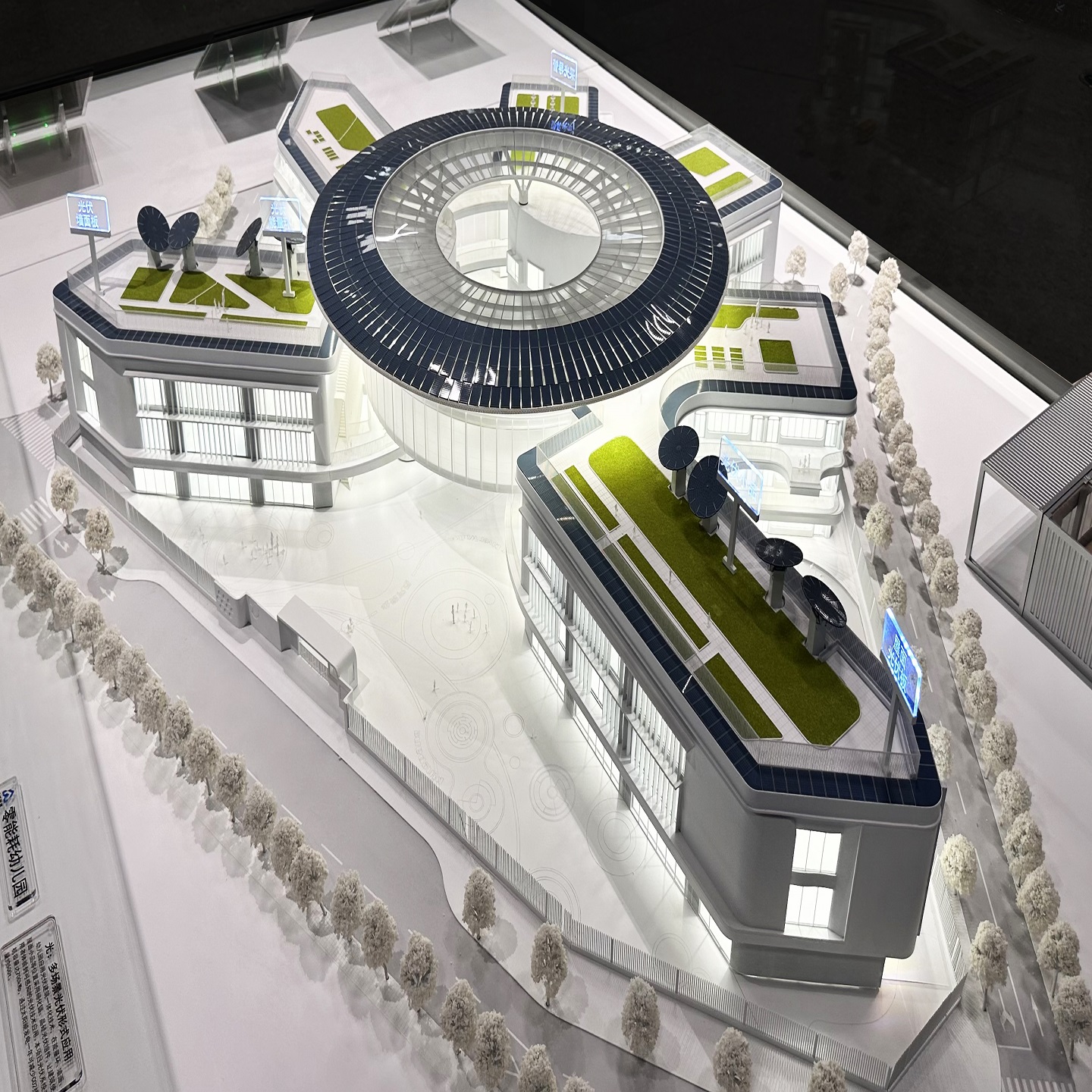
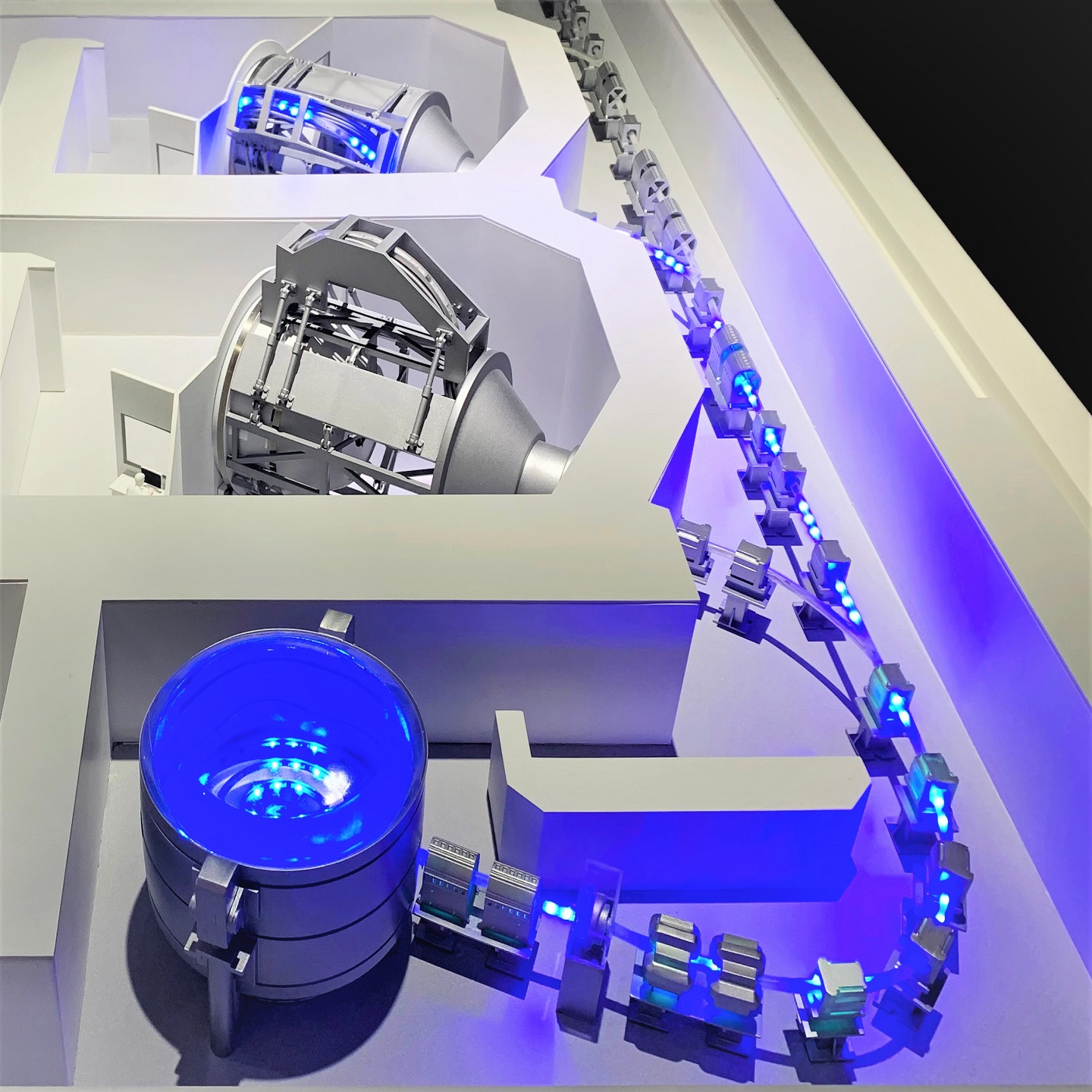
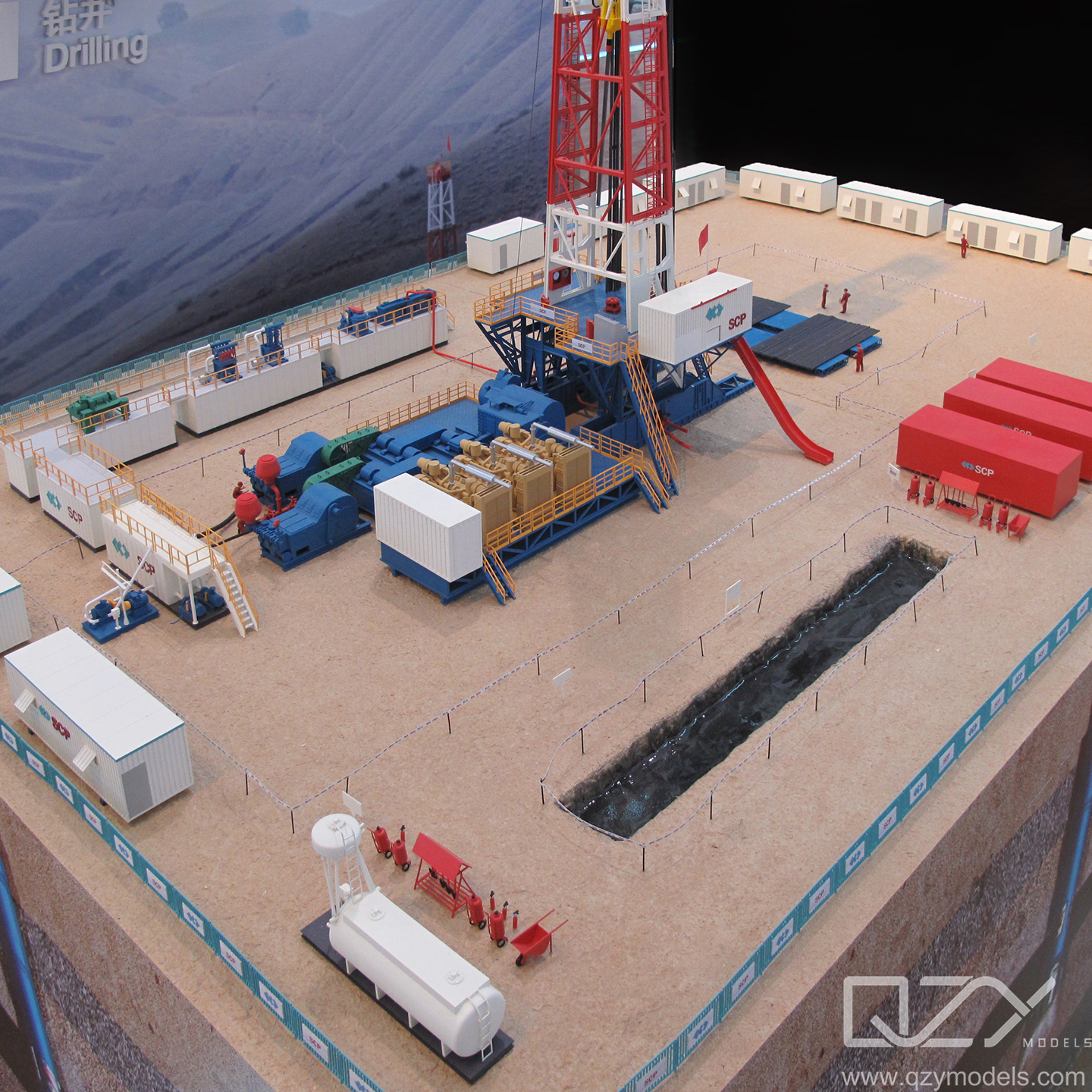
An abstract model architecture is a simplified, conceptual representation that focuses on core ideas and spatial relationships without detailed specifics. It helps designers explore, communicate, and refine fundamental design concepts early in the development process, bridging vision and reality effectively.
What Is Abstract Model Architecture in Design?
An abstract model architecture presents a distilled version of a building or system, highlighting essential forms and relationships. It strips away non-essential details to emphasize core concepts, helping designers visualize and communicate key spatial and conceptual ideas before detailed design development. QZY Models excels in creating these strategic, early-stage models.
This approach prioritizes conceptual clarity over realism, using basic shapes and volumes. Abstract models serve as conceptual blueprints that uncover potential design challenges and inspire innovation without getting bogged down in materials or finishes.
Think of an abstract model as a simplified version of a building or design idea. Instead of showing every tiny detail, it focuses on the most important shapes and how different parts relate to each other. The goal is to make it easy for designers and clients to understand the basic structure and flow of a space without being distracted by finishes, colors, or materials. It’s like looking at the skeleton of a design to see its main features clearly.
These models are especially helpful early in the design process because they allow teams to explore ideas, spot possible problems, and test creative solutions quickly. Companies like QZY Models specialize in making these models, using simple forms and volumes to communicate the essence of a project. By concentrating on the core concepts, these models guide decision-making and inspire innovative solutions while keeping the design flexible before detailed planning begins. The focus is always on clarity and effective visualization rather than realism.
Keywords: abstract, concepts, clarity.
How Does Abstract Model Architecture Aid the Design Process?
Abstract model architecture plays a critical role in early-stage design by allowing rapid exploration of form, space, and function. By focusing on essential elements, it enables architects to iterate quickly and experiment with multiple design options efficiently.
It acts as a communication bridge between stakeholders and designers, simplifying complex ideas into accessible visual formats. QZY Models emphasizes this in their workflow, producing clear, conceptual models that foster collaborative decision-making and reduce costly redesigns later.
Abstract model architecture helps designers understand and develop a project before getting into the details. By highlighting only the most important parts of a building or system, these models allow architects to test different shapes, layouts, and arrangements quickly. This makes it easier to explore ideas and adjust designs without wasting time or resources.
These models also make communication much simpler. Complex architectural ideas can be hard to explain in words or drawings alone, but an abstract model turns them into a clear, visual form that everyone—clients, planners, and team members—can understand. QZY Models focuses on creating these kinds of models, helping teams make informed decisions early on and preventing expensive changes later. The approach emphasizes simplicity, collaboration, and efficient exploration of design possibilities.
Keywords: simplicity, collaboration, exploration.
Which Key Characteristics Define Abstract Model Architecture?
Key features of abstract model architecture include:
-
Simplicity: Only essential features are included.
-
Conceptual Focus: Emphasizes core spatial relationships and ideas.
-
Abstraction: Omits intricate detail to highlight fundamentals.
-
Versatility: Can be a sketch, physical model, or digital mock-up.
| Characteristic | Description |
|---|---|
| Simplicity | Removes unnecessary details for clarity and focus |
| Conceptual Focus | Highlights key ideas and functional relationships |
| Abstraction | Generalizes features to emphasize underlying patterns |
| Versatility | Adaptable in form—from physical to digital representation |
These elements guide the creation of meaningful models that support the overall design narrative and inform subsequent detailed phases.
Why Is Flexibility Important in Abstract Model Architecture?
Flexibility allows designers to swiftly test variations and modify ideas without substantial resource investment. Because abstract models avoid detailed finishes or precise constructions, they can evolve alongside design insights.
QZY Models leverages flexibility to tailor models that respond to changing project requirements and client feedback, ensuring a fluid creative process. This adaptability speeds up innovation and problem-solving within architectural and industrial design contexts.
When Should Abstract Model Architecture Be Used During a Project?
Abstract model architecture should be utilized at the project’s conceptual inception and early design stages. It is most effective when exploring high-level ideas, spatial relationships, and volumetric forms before committing to technical detailing.
As the project progresses, abstract models pave the way for more detailed representations, acting as a guiding framework. QZY Models partners with clients to integrate abstract modeling early, setting a strong foundation for successful project outcomes.
Who Benefits Most from Using Abstract Model Architecture?
Architects, industrial designers, clients, and project stakeholders gain the most from abstract model architecture. It enables clear communication of creative concepts and design intent, helping non-technical stakeholders grasp project scale and vision.
Design teams benefit through accelerated ideation and problem identification. By employing abstract models, QZY Models ensures all parties engage effectively, fostering collaboration across global projects.
How Do Abstract Models Compare to Detailed Models?
| Feature | Abstract Models | Detailed Models |
|---|---|---|
| Purpose | Concept exploration | Construction and technical accuracy |
| Level of Detail | Minimal, conceptual | High, specific materials and finishes |
| Flexibility | Highly adaptable | Less adaptable |
| Time & Cost | Lower investment for rapid iteration | Higher investment for precision |
Abstract models provide a foundation that informs detailed models, which refine construction specifics. QZY Models excels in bridging these stages to deliver holistic architectural solutions.
Can Digital Tools Enhance Abstract Model Architecture?
Yes, digital tools such as 3D modeling software and parametric design enhance flexibility and visualization. They allow quick alteration of forms and immediate feedback, accelerating the exploration process.
However, physical abstract models remain invaluable for tactile understanding and spatial perception. QZY Models integrates both digital and physical methods, delivering comprehensive conceptual models tailored to project needs.
Does Abstract Model Architecture Improve Client Communication?
Absolutely. Simplified, abstract models translate complex design jargon into clear visual language that clients easily understand. This transparency builds trust, invites feedback, and helps align expectations early.
QZY Models prioritizes client engagement by producing high-quality abstract models that serve as effective storytelling tools, bridging communication gaps between designers and stakeholders worldwide.
QZY Models Expert Views
“Abstract model architecture is the cornerstone of successful design communication. At QZY Models, we believe stripping ideas down to their essence accelerates innovation and clarity. Our expertise in crafting precise, concept-driven models ensures clients and architects visualize projects holistically and iteratively—saving time, resources, and enhancing collaboration globally.” — Richie Ren, Founder, QZY Models
Conclusion
Abstract model architecture distills complex projects into essential ideas, enabling rapid exploration, clearer communication, and adaptable design iterations. It serves as a strategic tool from the project’s conceptual phase through refinement, bridging vision and execution efficiently. For architects and clients alike, partnering with experts like QZY Models ensures precision, creativity, and professionalism in early-stage modeling—setting the path for successful, well-informed designs.
Frequently Asked Questions
What is the main purpose of an abstract model architecture?
To represent core design ideas and spatial relationships without detailed specifics, enabling clear concept exploration and communication.
How does an abstract model differ from a detailed architectural model?
Abstract models focus on simplicity and concept, while detailed models include precise material and construction details.
When is the best time to use an abstract model in a project?
In early design stages to explore ideas and forms before moving to detailed development.
Can abstract models be physical and digital?
Yes, both physical and digital formats are used to visualize and refine concepts effectively.
Why choose QZY Models for architectural modeling?
QZY Models offers expert craftsmanship, over 20 years of experience, and innovative solutions tailored to client needs worldwide.
What is an abstract model architecture?
An abstract model architecture is a simplified representation that highlights the essential characteristics of a system, focusing on the “what” rather than the “how.” It removes specific details, allowing for a conceptual overview of the design or structure, often used to facilitate communication and idea exploration in architecture and engineering projects.
Why is abstract model architecture important?
Abstract model architecture reduces complexity by stripping away unnecessary details, improving communication between stakeholders, and allowing greater creative freedom. It helps maintain focus on key elements, ensuring flexibility for adjustments without reworking the entire design, which is crucial for large-scale projects and innovation.
How does abstract model architecture benefit communication?
By simplifying complex systems into essential forms, abstract models provide a common language for different teams, such as architects, engineers, and clients. This makes it easier for stakeholders to collaborate and understand each other’s perspectives, ensuring that all parties align with the overall design vision.
What are the advantages of using abstract models in design?
Abstract models enhance creativity and flexibility by focusing on high-level concepts and excluding specific details. They allow for quick changes at the conceptual stage, making them valuable for testing ideas and refining designs without getting bogged down by technical constraints.
What is QZY Models’ expertise?
QZY Models specializes in the design and production of high-quality architectural and industrial physical models. With over 20 years of experience, they serve global clients, including leading architects and developers, delivering precision models for architectural, real estate, and industrial projects.
What industries does QZY Models serve?
QZY Models serves a wide range of industries including architecture, real estate development, urban planning, and industrial design. They also cater to interior design, landscape design, and education sectors, providing top-tier models for exhibitions, trade shows, and high-end clients.
Where does QZY Models operate globally?
QZY Models has expanded its reach internationally with branches in the UAE, Saudi Arabia, Egypt, and several other countries. Their global presence supports diverse architectural and industrial projects across multiple regions, ensuring local and international expertise.
Who are the typical clients of QZY Models?
QZY Models primarily works with architectural firms, real estate developers, government institutions, and design schools. Their clients also include landscape design companies, industrial designers, and private collectors, with projects spanning various regions like the Middle East, Europe, and Southeast Asia.