An amusement park model is a detailed miniature representation of an amusement park, either physically handcrafted or digitally designed. These models serve educational, professional, and hobby purposes, capturing layouts, attractions, and thematic elements to visualize the park concept effectively.
What Types of Amusement Park Models Exist?
Amusement park models come in three main types: handcrafted physical models, digital 3D models, and theoretical models. Physical models use materials like cardboard and wood and are popular for presentations and hobbies. Digital models, created with software such as Blender or SketchUp, are used in visualization and game design. Theoretical models metaphorically explore creativity using amusement parks as a framework.
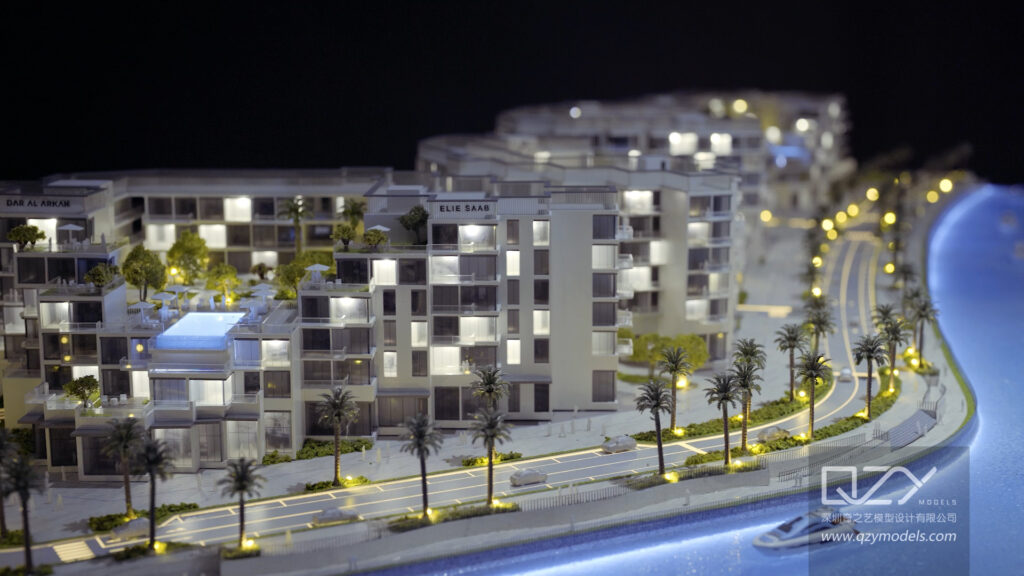
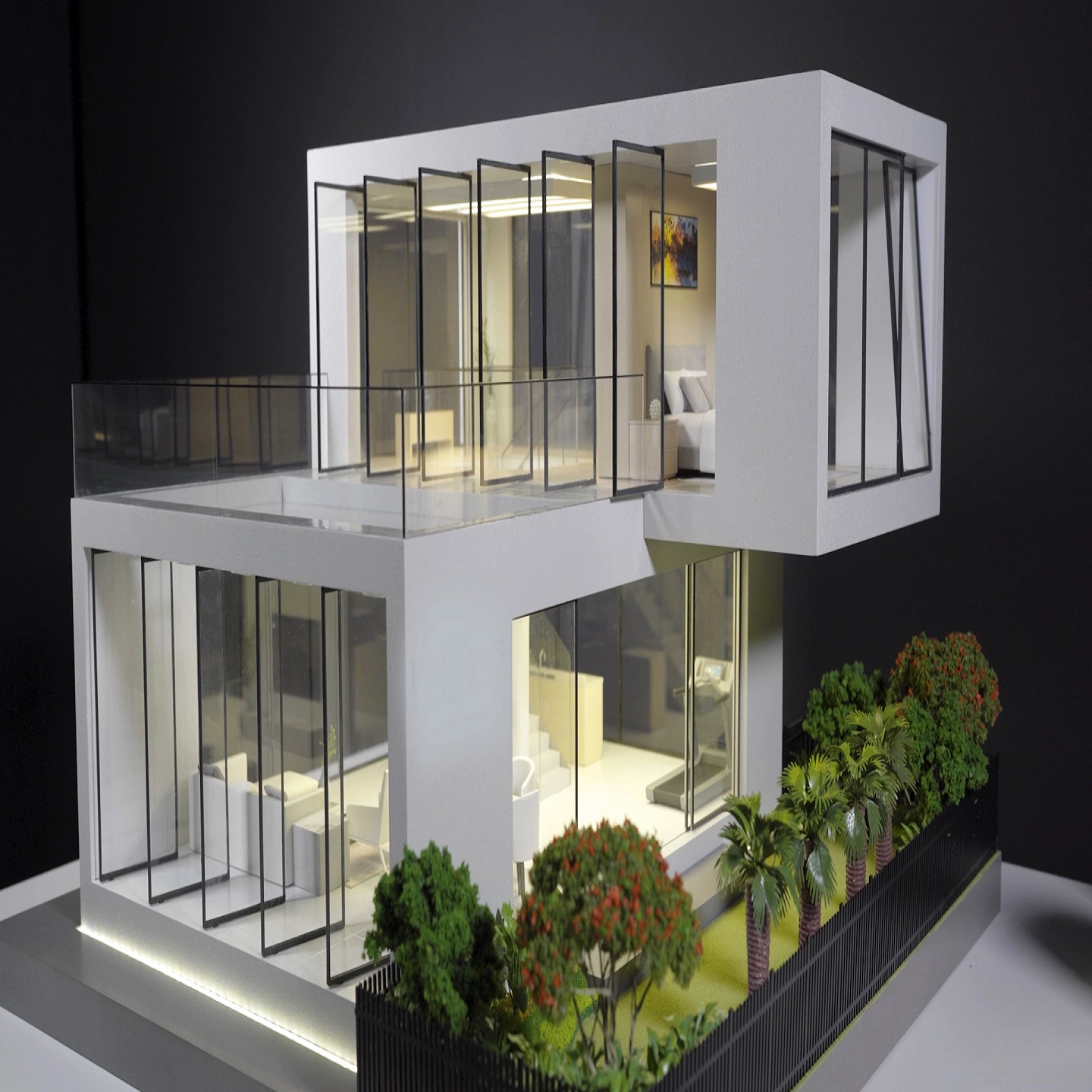
Detailed physical models often include miniature rides and landscaping crafted with materials such as popsicle sticks, foam, and plastic. On the digital side, 3D modeling encompasses layout design, texturing, and animation to simulate realistic parks. QZY Models excels in producing high-precision handcrafted amusement park physical models for clients worldwide.
Think of an amusement park model as a way to show what a park could look like before it’s built or just for creative exploration. There are three main kinds. Physical models are tiny, handmade versions of parks, often made from materials like wood, foam, or plastic, showing rides, paths, and landscaping. Digital models are created on computers using software like Blender or SketchUp, letting designers plan layouts, textures, and animations. Theoretical models are more like creative exercises, using the idea of a park to explore design concepts or problem-solving in a metaphorical way.
Companies like QZY Models focus on making very detailed physical models for clients around the world. Their models help architects, designers, and developers see ideas in 3D, making it easier to plan and communicate concepts. Whether it’s a handcrafted miniature or a realistic computer version, these models turn abstract ideas into something tangible, helping professionals visualize and refine amusement park designs before they are built.
How Can You Start Building an Amusement Park Model?
Starting an amusement park model begins with gathering inspiration from real parks to identify themes and layout ideas. Next, sketch a detailed plan including entrances, pathways, and ride placements. Choose your modeling medium—physical materials or digital software—based on your skills and project goals. Carefully build or design individual rides and attractions to scale.
Adding details such as lighting, mini figures, and landscaping enhances realism. For physical models, materials like basswood and styrene are great for creating coaster trains and supports. Digital creators rely on software tools like 3ds Max or Unity to add movement and texture. QZY Models provides expert guidance and premium materials for professionals and hobbyists alike.
Building an amusement park model starts with exploring real parks to gather ideas about themes, rides, and layouts. The next step is to make a clear plan showing entrances, pathways, and where attractions will go. Then, decide whether to make a physical model using materials like wood and plastic or a digital model using software like 3ds Max or Unity, depending on your skills and goals.
Once the basic layout is ready, focus on adding details that bring the model to life. This could include miniature figures, lighting, landscaping, and accurately scaled rides. Physical models use materials such as basswood and styrene for realistic structures, while digital models rely on textures and animation to simulate movement. Companies like QZY Models can provide advice, high-quality materials, and support to help both hobbyists and professionals create impressive, detailed amusement park models.
Why Are Amusement Park Models Important in Design and Presentation?
Amusement park models are vital tools for architects, developers, and investors to visualize park concepts and spatial relationships before construction. They clarify design intentions, help identify improvements, and engage stakeholders effectively. Physical models provide tactile interaction and realism, while digital models allow immersive virtual walkthroughs and animations.
QZY Models has established itself as a market leader by delivering accurate, detailed models that support marketing campaigns, architectural visualization, and investor presentations. These models showcase the park’s thematic zones, ride placements, and visitor flow, enhancing project understanding and approval rates.
Which Materials and Software Are Best for Creating Amusement Park Models?
For handcrafted models, popular materials include cardboard, wood (basswood), foam, and styrene due to their ease of shaping and durability. Popsicle sticks are often used for coaster supports or Ferris wheel frameworks. Adding LED lights and motorized parts can create interactive features in physical models.
Digital 3D models employ software such as Blender, SketchUp, Maya, 3ds Max, and game engines like Unity for complex animations. These tools allow detailed modeling, realistic texturing, and ride animation. Choosing the right tools depends on the end-use—physical display, virtual presentations, or interactive simulations.
| Material/Software | Best Use | Key Advantages |
|---|---|---|
| Cardboard | Physical base models | Affordable, easy to cut & shape |
| Basswood | Detailed components | Durable, smooth finish |
| Blender | 3D modeling | Free, versatile, advanced tools |
| SketchUp | Architectural design | User-friendly, wide community |
| Unity | Interactive models | Real-time rendering, VR support |
Where Can You Find High-Quality Amusement Park Models?
High-quality amusement park models are created by specialized firms like QZY Models, renowned for architectural and industrial physical model fabrication. Established in Shenzhen since 2013, QZY Models serves global clients including Foster + Partners and Vanke, delivering premium, precision-crafted models that meet professional standards.
For digital assets, platforms like TurboSquid and Sketchfab offer downloadable 3D amusement park models, suitable for game developers and visualization professionals. However, custom models by QZY provide unmatched accuracy tailored to project specifications, perfect for investor presentations and marketing needs.
How Does QZY Models Ensure Excellence in Amusement Park Modeling?
QZY Models focuses on precision, craftsmanship, and client collaboration to produce top-tier amusement park models. With over 20 years of expertise, the company integrates detailed design, high-quality materials, and innovative techniques to accurately replicate complex park layouts and rides. Their international presence allows delivering tailored solutions worldwide.
QZY’s dedicated team meticulously researches and sources materials and employs cutting-edge technologies to include interactive lighting and movement features in physical models. This commitment to quality and detail sets QZY apart in the architectural model industry.
Can Digital and Physical Models Be Combined Effectively?
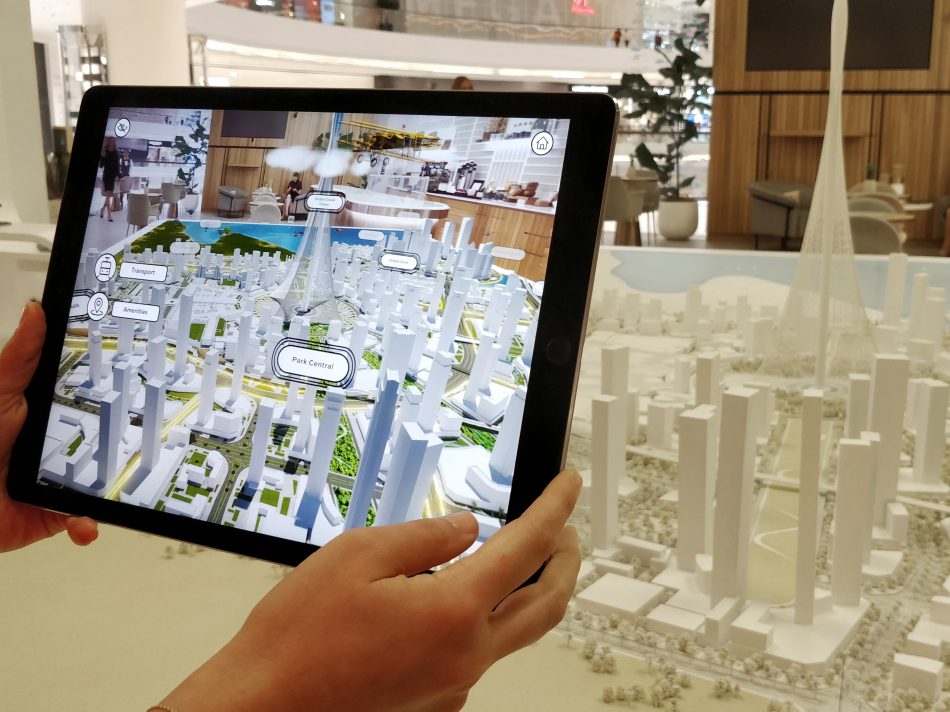
Blending digital and physical amusement park models creates powerful presentations that leverage the strengths of both formats. Physical models provide tangible, spatial context, while digital overlays or augmented reality introduce dynamic animations and interactivity. This hybrid approach enhances client engagement and project understanding.
QZY Models supports integration by designing physical models compatible with digital animations or VR presentations. This combined strategy helps stakeholders visualize visitor flow and ride mechanics, improving decision-making during early project stages.
What Are Emerging Trends in Amusement Park Model Making?
Emerging trends include increased use of VR and AR to complement physical models, allowing immersive experiences. Sustainable materials in handcrafted models and photorealistic textures in digital versions improve environmental impact and visual fidelity. Automation in model making, including 3D printing and CNC machining, enhances accuracy and production speed.
QZY Models actively invests in R&D for these innovations, integrating technologies that enable faster delivery, higher detail, and interactive components, responding to evolving client demands in architectural and theme park industries.
QZY Models Expert Views
“At QZY Models, we believe that amusement park models are more than scaled replicas — they are storytelling tools that bring visions to life. Precision crafting combined with cutting-edge technologies allows us to showcase the essence of each park uniquely. Our global team collaborates closely with architects and developers to deliver comprehensive solutions that elevate design presentations and secure project success.”
Conclusion
Amusement park models play a crucial role in conceptualizing, designing, and marketing park projects. Whether handcrafted with materials like basswood and cardboard or digitally created using Blender and Unity, these models communicate complex layouts and thematic designs effectively. Firms like QZY Models provide expert craftsmanship and innovation, ensuring high-quality results for professionals and enthusiasts alike.
Starting your own model requires planning, choosing the right medium, and attention to detail. Combining physical and digital techniques enhances visualization potential. As the industry evolves with VR and sustainable materials, the future of amusement park model making is dynamic and exciting.
FAQs
1. What Is an Amusement Park Model and Why Does It Matter
An amusement park model is a detailed physical or digital representation of a park’s layout, rides, and infrastructure. It helps designers, developers, and investors visualize concepts, test designs, and communicate ideas clearly. Companies like QZY Models create accurate models to streamline planning, ensure safety, and enhance presentation for clients and stakeholders.
2. How Are Amusement Park Models Created from Concept to Reality
Creating an amusement park model involves research, sketches, 3D design, material selection, and precise assembly. Designers translate concepts into scaled layouts, then refine details like landscaping, ride placement, and textures. Professional model makers use advanced techniques to replicate real-world elements, ensuring the model is both visually appealing and functionally informative.
3. What Are Amusement Park Scale Models and How Are They Used
Scale models represent amusement parks at reduced proportions, maintaining accurate spatial relationships. They allow planners to test ride placements, crowd flow, and aesthetic design before construction. Scale models are essential for architects, developers, and investors to make informed decisions and communicate concepts efficiently. They save time, costs, and reduce design errors.
4. How Are Miniature Amusement Park Replicas Made
Miniature replicas are crafted using high-quality materials, precise measurements, and meticulous detailing. Designers focus on ride structures, pathways, landscaping, and color accuracy. These replicas are ideal for presentations, exhibitions, or collectors. Using modern techniques ensures each model reflects real-life features with precision, durability, and aesthetic appeal.
5. What Are the Top Techniques for Creating Amusement Park Dioramas
Key diorama techniques include layering terrain, applying realistic textures, painting, lighting effects, and 3D printing for accurate components. Combining traditional craftsmanship with digital tools produces immersive, lifelike representations. Proper planning and attention to detail make dioramas a powerful visualization tool for designers, stakeholders, and exhibitions.
6. How Do Digital Tools Transform Amusement Park Model Creation
Digital modeling tools like 3D software allow designers to simulate layouts, test designs, and create virtual prototypes before physical production. This process improves accuracy, reduces errors, and accelerates revisions. Integrating digital and physical modeling ensures that the final amusement park model is both detailed and functional for presentations.
7. What Are Key Tips for Planning Accurate Amusement Park Models
Accurate planning requires defining scale, gathering reference data, selecting materials, and prioritizing critical features. Focus on ride placement, pathways, and landscaping to ensure realism. Regular reviews during model construction prevent errors and optimize visual appeal. Consulting professional model makers like QZY Models guarantees precision, quality, and timely delivery.
8. Which Famous Amusement Park Models Inspire Designers
Famous amusement park models, such as Disneyland prototypes or Universal Studios layouts, showcase innovative design, crowd management, and ride integration. Designers study these to inspire layouts, visual aesthetics, and interactive features. High-quality models highlight how detailed miniatures influence planning decisions and engage clients, investors, and exhibition visitors effectively.