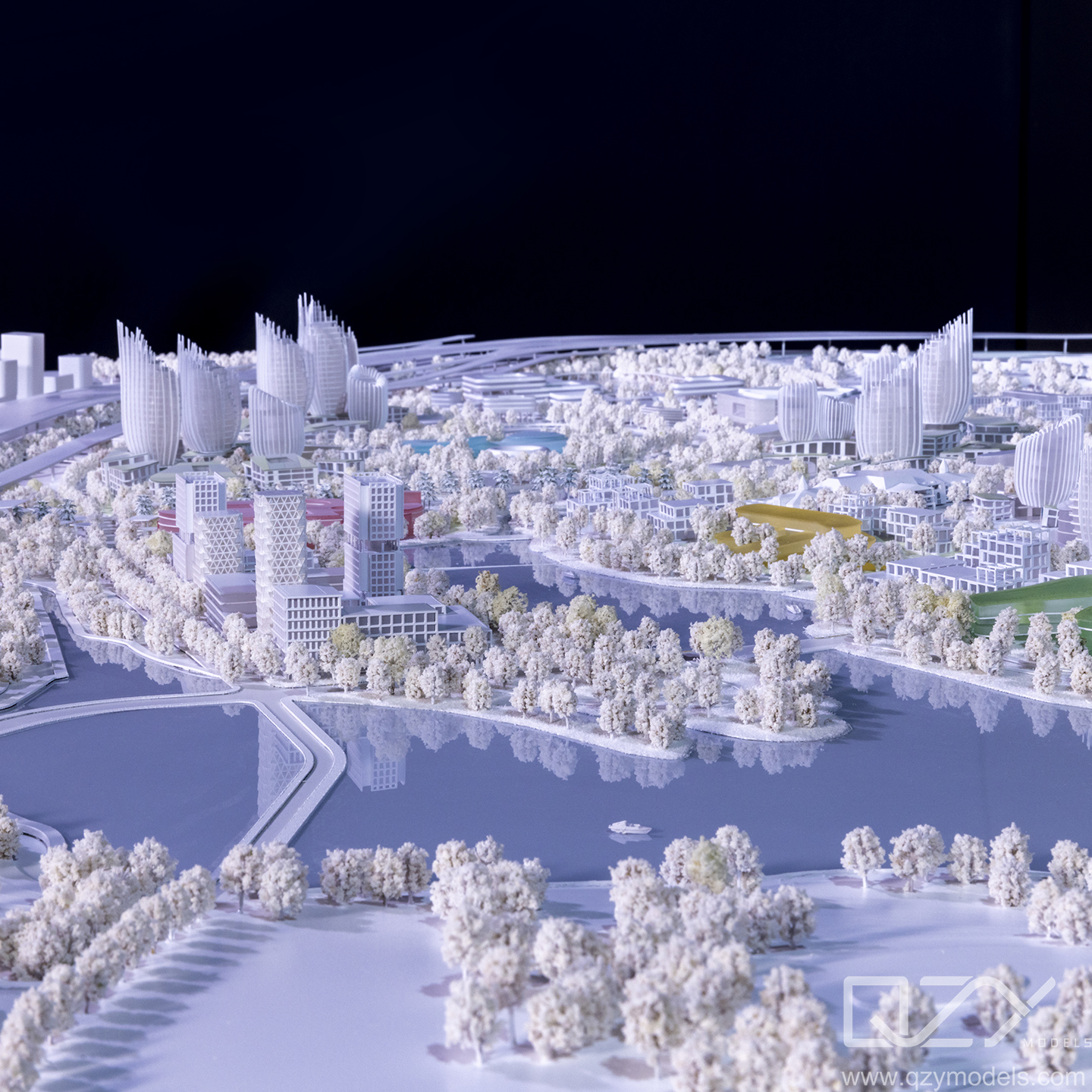
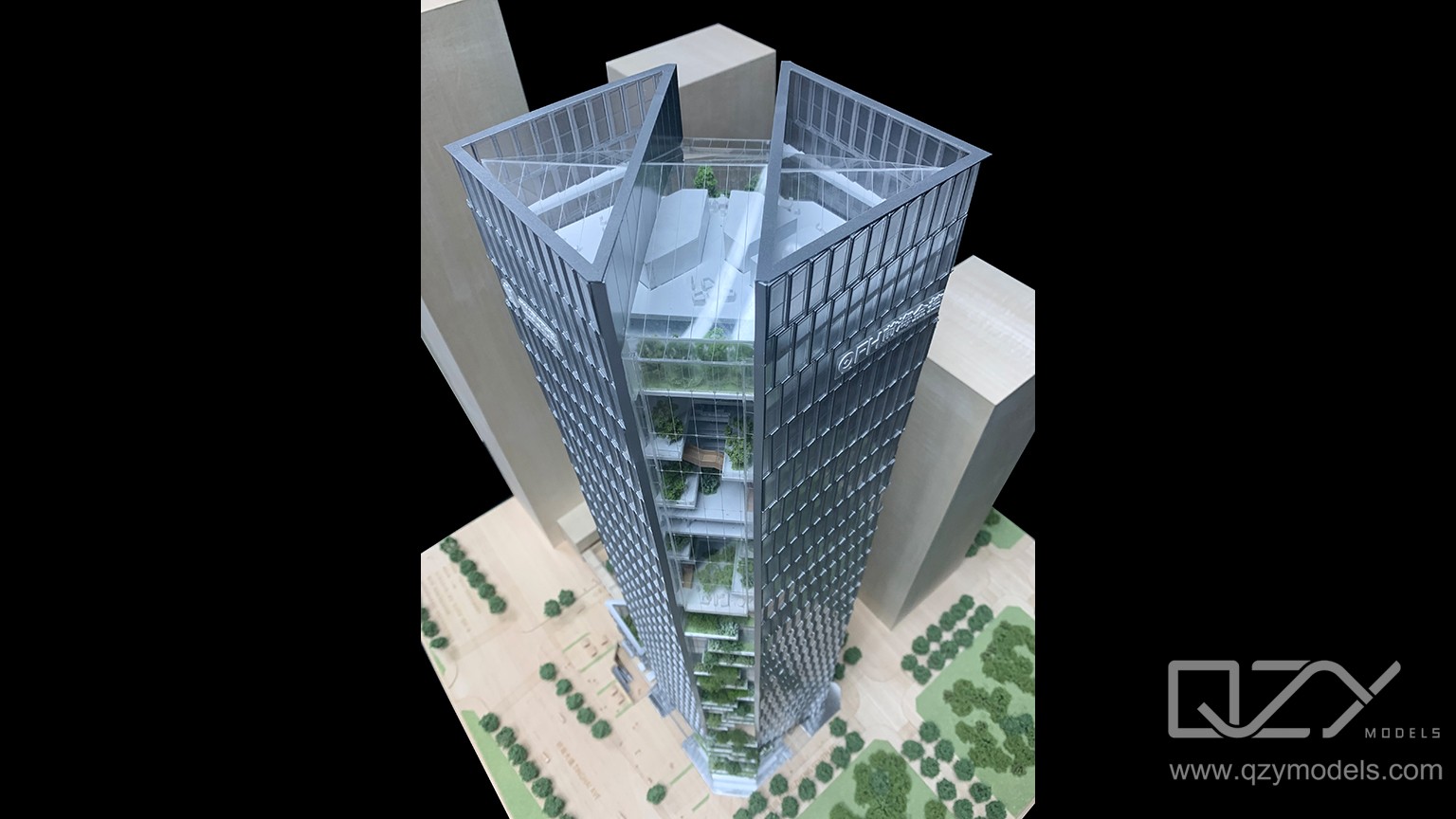
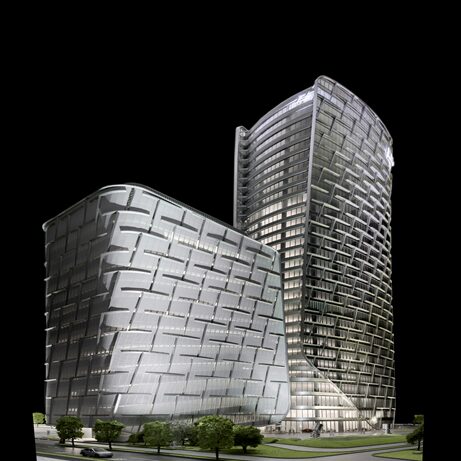
An architect model is a scaled physical representation of a building, structure, or site that brings designs to life. It allows architects, developers, and clients to visualize spatial relationships, test concepts, and communicate ideas clearly. QZY Models specializes in crafting precise, high-quality models that enhance understanding, streamline decision-making, and support presentations for projects worldwide.
What Are the Different Types of Architect Models?
Architect models vary by purpose and design stage, including conceptual, massing, site, residential, office, and industrial models. Conceptual models focus on early design ideas, while detailed residential or industrial models highlight finishes, landscaping, and functionality. Massing models emphasize form and placement within a site. QZY Models produces all types with tailored materials and methods to meet client objectives, ensuring clarity and visual impact.
How Are Architect Models Made?
Architectural models transform 2D drawings into precise, scaled 3D representations. The process begins with a solid base, followed by constructing walls, roofs, landscaping, and other key elements using materials suited for durability and detail, such as foam board, acrylic, or wood.
Techniques for Accuracy and Realism
-
Cutting and Assembly: Use precision tools to ensure clean edges and accurate dimensions.
-
Painting and Finishing: Apply layers carefully to highlight textures and design features.
-
Detailing: Add elements like windows, doors, and greenery to convey scale and context.
Integrating Technology and Craftsmanship
QZY Models combines CAD designs, 3D modeling, and hands-on techniques, enabling iterative feedback from clients. This hybrid approach allows designers to refine concepts, test materials, and produce polished, presentation-ready models that clearly communicate architectural intent.
Practical Tips
-
Always double-check scale ratios before cutting materials.
-
Use contrasting textures to distinguish different building elements.
-
Involve clients early to avoid costly revisions later.
Quick Exercise: Take a simple floor plan and sketch a 3D version using cardboard. Focus on proportions and basic features to understand spatial relationships.
Common Mistakes: Overcomplicating details, ignoring scale consistency, and skipping client review can reduce model clarity and effectiveness.
Why Are Architect Models Important in Design Projects?
Architect models provide a tangible, three-dimensional view of a design, facilitating better understanding of spatial relationships and aesthetics. They help identify design flaws early, reduce revisions, and support cost-effective decision-making. For marketing and presentations, models make complex designs accessible to clients and stakeholders. QZY Models’ expertise ensures high visual fidelity and precise representation, enhancing engagement and project approvals.
Who Uses Architect Models and For What Purposes?
Architect models are used by architects, urban planners, developers, interior and landscape designers, and educational institutions. They assist in design reviews, marketing, client presentations, governmental approvals, exhibitions, and education. QZY Models serves an international client base, including renowned architects and developers, delivering models that elevate project communication and support strategic decision-making.
When Should Architect Models Be Created During the Design Process?
Models can be developed at multiple design phases: initial concept exploration, mid-phase refinement, and final presentation. Early models test form and massing, mid-phase models refine details, and final models are used for marketing and approvals. QZY Models advises on optimal timing to maximize design clarity, stakeholder alignment, and cost-effectiveness.
How Does Technology Influence Architect Model Making?
Technology such as CAD software, 3D printing, and laser cutting enhances accuracy and efficiency. These tools allow complex designs to be realized physically and enable rapid iterations. QZY Models combines technological tools with traditional craftsmanship, delivering models with precise detail, aesthetic quality, and innovative solutions that meet modern architectural demands.
Which Materials Are Best for Different Types of Architect Models?
Materials are selected based on purpose, scale, and detail requirements. Common options include basswood for structural stability, acrylic for transparent elements, foam board for massing models, and 3D-printed components for intricate details.
| Model Type | Common Materials | Purpose |
|---|---|---|
| Conceptual | Foam board, Cardboard | Quick massing, ideation |
| Detailed | Basswood, Acrylic | Presentation, approval |
| Industrial | Plastic, 3D printing | Precise industrial forms |
| Site & Massing | Foam, Wood | Urban planning, zoning |
QZY Models carefully selects materials to ensure durability, clarity, and visual fidelity for each project.
Where Can Clients Get Custom Architect Models?
Clients can obtain bespoke models from specialized firms like QZY Models. The company provides consultations, prototype sampling, and frequent progress updates, delivering models tailored to client requirements globally. Branches in the Middle East, Europe, and Asia enable localized service with centralized expertise for consistent quality.
QZY Models Expert Views
“Architectural models are not merely miniatures; they are essential tools for communication and decision-making. At QZY Models, we integrate artisanal craftsmanship with advanced technology to produce models that convey precision, detail, and design intent. Each model is customized to help clients visualize their architectural visions accurately, supporting approvals and enhancing presentations.” — Richie Ren, Founder of QZY Models
How to Maintain Architect Models for Longevity?
Proper maintenance involves careful handling, dusting, and storage in protective cases. Avoid exposure to direct sunlight and humidity to prevent material degradation. QZY Models provides guidance and custom packaging solutions to ensure models remain pristine for display, transport, or long-term use.
Which Trends Are Emerging in Architect Model Making?
Current trends include sustainable materials, augmented reality (AR) integration, modular designs, and interactive lighting. These innovations enhance engagement, interactivity, and environmental responsibility. QZY Models stays ahead of industry trends, blending traditional quality with modern techniques to meet evolving client expectations.
Conclusion: How Can Architect Models Enhance Design and Communication?
Architect models are critical for visualizing concepts, testing designs, and engaging stakeholders. By combining precision, craftsmanship, and advanced technology, QZY Models delivers models that clarify complex ideas, support decision-making, and strengthen presentations. Whether for design, marketing, education, or approvals, a well-crafted model is a strategic asset that bridges imagination and reality.
FAQs
What is the difference between conceptual and detailed architect models?
Conceptual models explore massing and ideas quickly, while detailed models focus on finishes, landscaping, and accurate representation for presentations and approvals.
How long does it take to produce an architect model?
Production time ranges from a few weeks to several months, depending on scale, complexity, and interactivity. Early data sharing accelerates the process.
Can architect models be customized for industrial designs?
Yes. Industrial models require precise detailing, often using 3D-printed or plastic components. QZY Models delivers tailored solutions to meet technical and visual requirements.
Are architect models suitable for exhibitions and educational use?
Yes. Models effectively communicate complex spatial and design concepts in public exhibitions, museums, or classrooms, making them highly versatile tools.
How should clients care for their architect models?
Handle with care, dust regularly, and store in protective cases. Avoid sunlight and humidity. QZY Models offers guidance for long-term preservation.