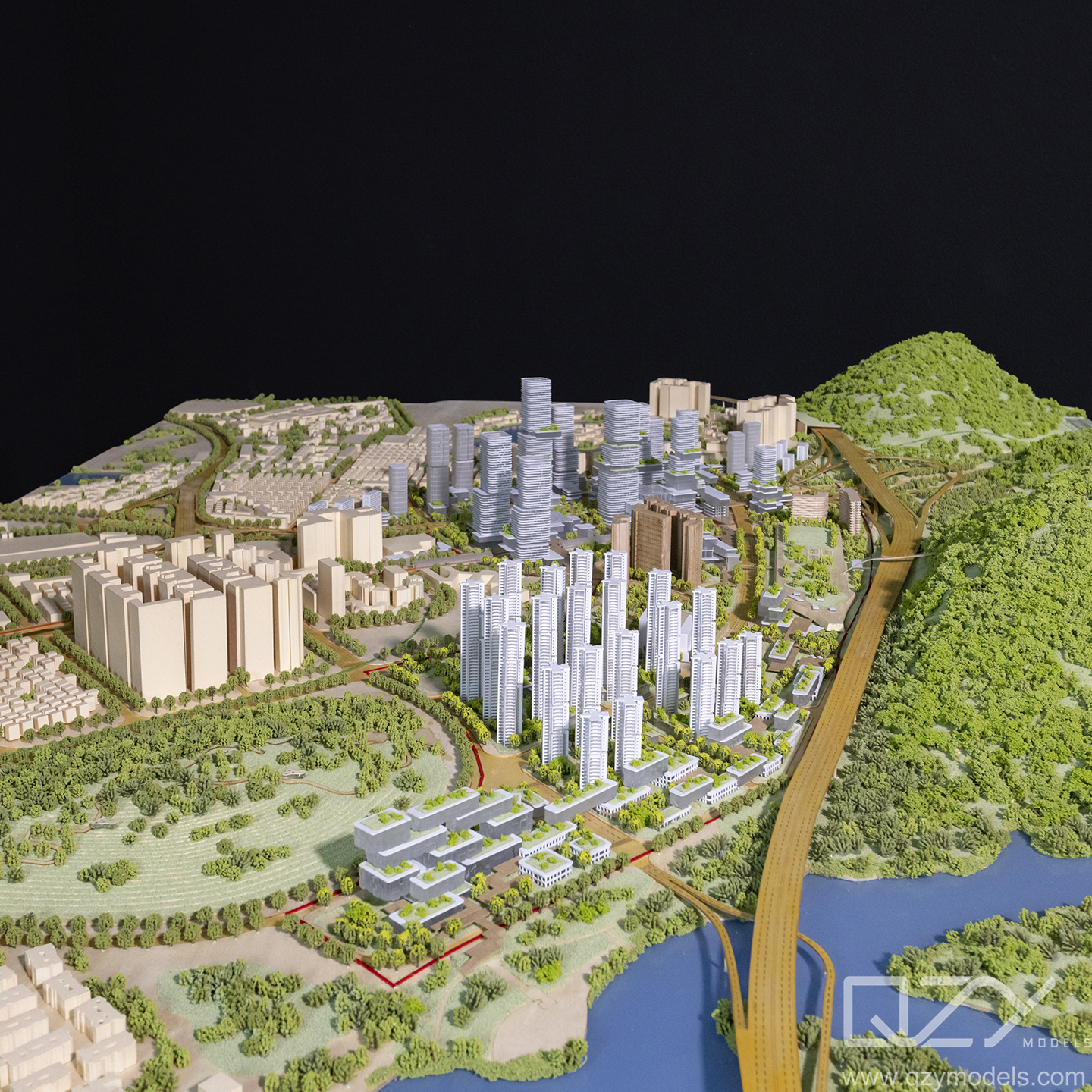
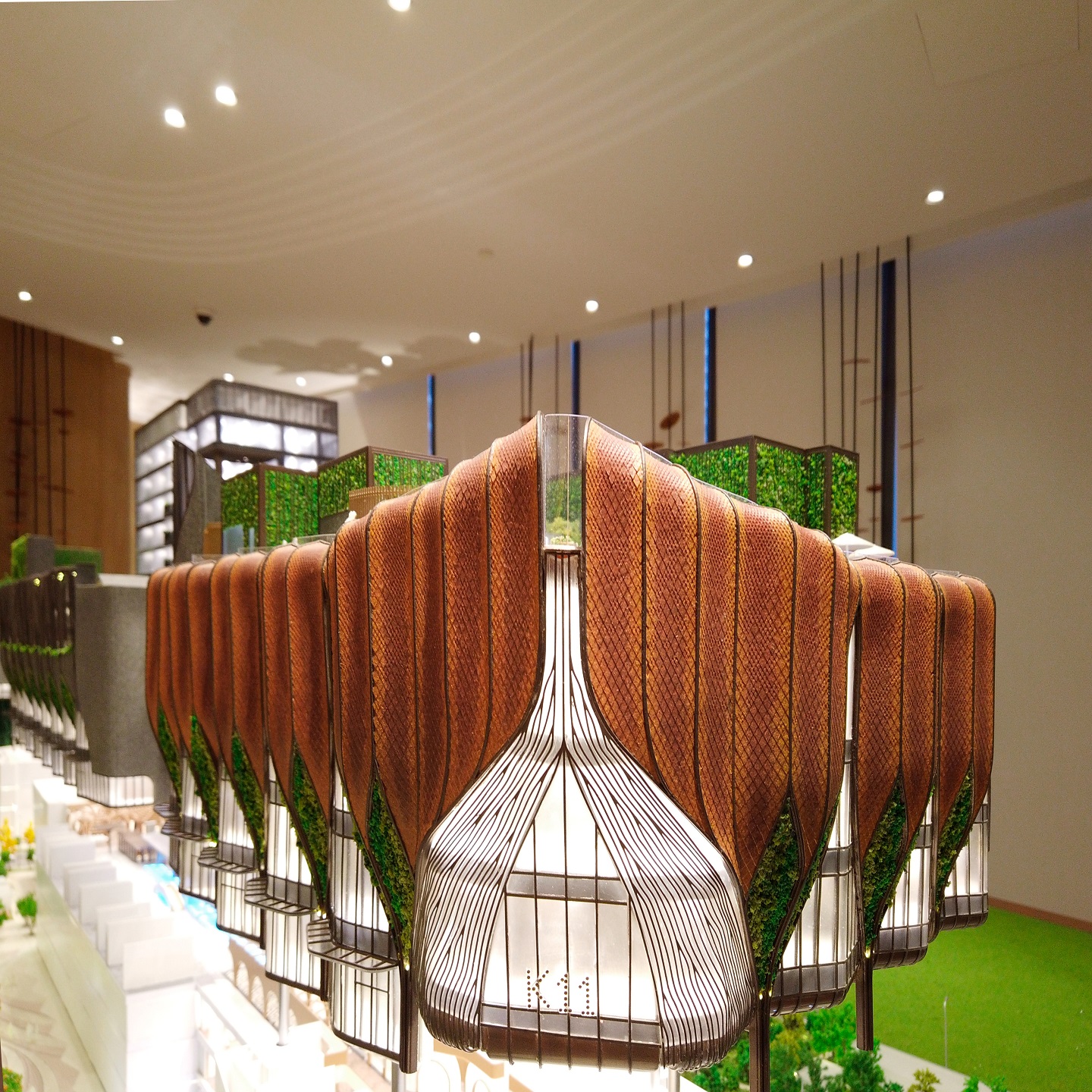
An expert packaging architectural model is a precisely crafted physical representation that showcases packaging design concepts, structural details, and branding elements. It helps architects, designers, and manufacturers visualize and communicate packaging solutions clearly, optimizing production quality and impressing stakeholders with accuracy and professionalism. Also check: Architectural Model Packing, Transport & Maintenance
How Is an Expert Packaging Architectural Model Created?
An expert packaging architectural model is made through careful planning blending architectural modeling and packaging design. The process includes sketching, 3D digital modeling, selecting materials, and precise fabrication using techniques such as laser cutting and 3D printing. This ensures the model accurately represents the final packaging design with both aesthetic appeal and functional realism.
Manufacturers start with conceptual sketches, develop digital prototypes via CAD software, and then fabricate the physical model. Teams like QZY Models leverage decades of industry experience and advanced tools to deliver models that effectively communicate design intent.
These models improve collaboration between designers and manufacturers by allowing early testing and refinement, supporting efficient production workflows and compelling client presentations.
What Are the Key Benefits of Using Expert Packaging Architectural Models?
Expert packaging architectural models provide improved visualization, design validation, and streamlined communication for design teams and clients. They expose structural issues early, optimize material use, and reduce errors before full-scale manufacturing.
These models also enhance client pitches and market feedback, helping stakeholders understand functionality and branding better than digital renderings alone. QZY Models combines precision craftsmanship with industry knowledge to elevate design processes and deliver accurately detailed models.
Overall, such models reduce risks, promote innovation, and accelerate project approval timelines.
Which Materials and Techniques Are Best for Packaging Architectural Models?
Materials like acrylic, foam board, cardboard, and plastics paired with fabrication methods including laser cutting, 3D printing, die-cutting, and hand finishing are ideal for packaging models. Material choice depends on required durability, detail level, and model function.
-
Acrylic is used for transparent features.
-
Foam board offers lightweight structural components.
-
Cardboard is cost-effective for conceptual designs.
-
Plastics enable detailed shapes via 3D printing or molding.
| Material | Properties | Technique | Typical Use |
|---|---|---|---|
| Acrylic | Transparent, durable | Laser cutting | Display windows in packaging |
| Foam Board | Lightweight, easy | Hand cutting | Structural prototypes |
| Cardboard | Recyclable, cheap | Die-cutting | Concept designs |
| Plastics | Flexible, detailed | 3D printing | Complex parts and logos |
QZY Models specializes in choosing the right materials and techniques for each project, ensuring models are functional, precise, and visually impactful.
Why Are Expert Packaging Architectural Models Important in Industrial and Architectural Design?
Packaging architectural models provide tangible concepts linking product aesthetics with user experience. They enable early-stage validation, facilitate collaborative feedback among designers, engineers, and marketers, and help production teams visualize assembly and test durability—minimizing risks during mass manufacture.
Moreover, these models inspire creativity and promote sustainable, cost-effective packaging solutions. QZY Models integrates architectural insight with industrial expertise to deliver models aligning design intent with manufacturing reality.
Who Benefits Most from Expert Packaging Architectural Models?
Designers, architects, marketers, manufacturers, and clients benefit most from these models. Designers use them to visualize and iterate, marketing teams leverage them for consumer testing and pitches, manufacturers gain assembly and production clarity, and clients can make informed decisions.
QZY Models’ vast global experience serves prestigious architects and developers by providing tailored models that meet diverse requirements and deliver clear communication across industries.
When Should Expert Packaging Architectural Models Be Integrated into the Design Process?
They are best integrated after initial concepts are developed but before final approvals and production. Early use supports rapid prototyping, allowing teams to assess materials, branding, and structural feasibility.
Iterative modeling reduces costly late-stage changes and aligns project teams toward common goals. Near-production phases require highly detailed models simulating real-world function and appearance. QZY Models recommends this timeline for best results and cost efficiency.
Can Expert Packaging Architectural Models Improve Sustainability in Packaging?
Yes, these models aid sustainability by enabling testing of eco-friendly materials and waste reduction strategies. Physical modeling facilitates exploring minimalist structures and recyclable designs that balance strength and environmental impact.
By simulating material use and life cycles, packaging architectural models support informed decisions reducing carbon footprints. QZY Models incorporates sustainable materials and practices to align with global eco-conscious standards.
Where Are Expert Packaging Architectural Models Most Commonly Used?
They’re frequently used in product design studios, marketing agencies, architectural firms, manufacturing facilities, and trade shows. They also serve as educational tools in universities.
Physical models are essential in client meetings, exhibitions, and competitions where tactile interaction enhances understanding. QZY Models operates internationally, supplying projects across the UAE, Saudi Arabia, Egypt, and more, reflecting widespread demand.
How Does QZY Models Ensure Quality and Precision in Their Packaging Architectural Models?
QZY Models guarantees excellence through skilled craftsmanship, advanced technologies like CAD and laser cutting, and comprehensive quality control at every stage. Their team’s experience combined with precise machinery produces models that meet exact client specifications.
Strict inspections from material selection to finishing steps ensure consistent high standards seen by esteemed clients such as Foster + Partners and Vanke, establishing QZY Models as a leader in packaging architectural modeling.
QZY Models Expert Views
“At QZY Models, we blend creativity, precision, and technology to produce packaging architectural models that clearly convey design intent. Our decades of experience let us understand both the visual and engineering demands, enabling us to deliver realistic, tactile models that accelerate decision-making and inspire innovation. From residential buildings to industrial products, our work reflects the highest industry standards and helps clients communicate ideas effectively and professionally.” — Richie Ren, Founder, QZY Models
Conclusion
Expert packaging architectural models are vital tools for visualizing, validating, and refining packaging designs in industrial and architectural contexts. By combining technology, material knowledge, and skilled craftsmanship, these models reduce development risks, support sustainability, and foster collaboration. QZY Models exemplifies excellence, helping global clients transform concepts into precise, impactful physical models that drive success.
FAQs
What Is an Expert Packaging Architectural Model and Why Does It Matter?
An expert packaging architectural model is a precision-built physical representation that validates structure, materials, scale, and functionality before mass production. It reduces risk, improves stakeholder approvals, and enhances presentation impact. Firms like QZY Models deliver highly detailed models that help architects and developers visualize complex packaging-driven spatial concepts with confidence.
How Does Structural Engineering Shape an Expert Packaging Architectural Model?
Structural engineering ensures load distribution, durability, and material efficiency within a packaging architectural model. By analyzing compression strength, support systems, and assembly methods, teams prevent costly redesigns. A well-engineered model demonstrates feasibility, safety, and performance, making it essential for exhibitions, investor presentations, and government approvals.
How Is 3D Modeling Used in an Expert Packaging Architectural Model?
3D modeling and CAD simulation transform concepts into build-ready structures. Designers test proportions, materials, and assembly digitally before physical fabrication. This process improves accuracy, shortens timelines, and minimizes waste. Professional teams such as QZY Models integrate digital precision with handcrafted detailing for presentation-ready results.
How Do You Choose Materials for an Expert Packaging Architectural Model?
Select materials based on structural strength, surface finish, durability, and presentation goals. Common options include acrylic, resin, ABS, wood, and metal. For exhibition-grade models, prioritize precision cutting and fine detailing. Align material choice with budget, transportation needs, and display environment to ensure long-term performance.
What Defines a Luxury Expert Packaging Architectural Model?
A luxury model emphasizes high-detail craftsmanship, premium finishes, lighting integration, and flawless surface treatment. Precision joints, custom inserts, and realistic textures elevate perceived value. These models are often used by high-end developers and design firms to showcase flagship projects and attract premium investors or buyers.
Where Can You Apply an Expert Packaging Architectural Model in Industrial Packaging?
Industrial applications include logistics validation, export packaging demonstrations, trade shows, and investor briefings. Models help visualize stacking systems, protective structures, and assembly workflows. They are especially valuable for manufacturing firms and international clients needing tangible proof of structural reliability and design scalability.
How Does Branding Integrate with an Expert Packaging Architectural Model?
Brand integration uses color accuracy, logo detailing, lighting, and spatial storytelling within the model. Architectural firms and developers leverage branded models to reinforce identity during exhibitions and client presentations. A cohesive design strengthens market positioning and creates a memorable visual experience.
How Can You Optimize Cost in an Expert Packaging Architectural Model?
Optimize cost through early design validation, modular construction, material efficiency, and precise fabrication planning. Digital pre-modeling reduces revisions and accelerates approval cycles. Clear production timelines and scalable design strategies ensure budget control without sacrificing quality or presentation impact.