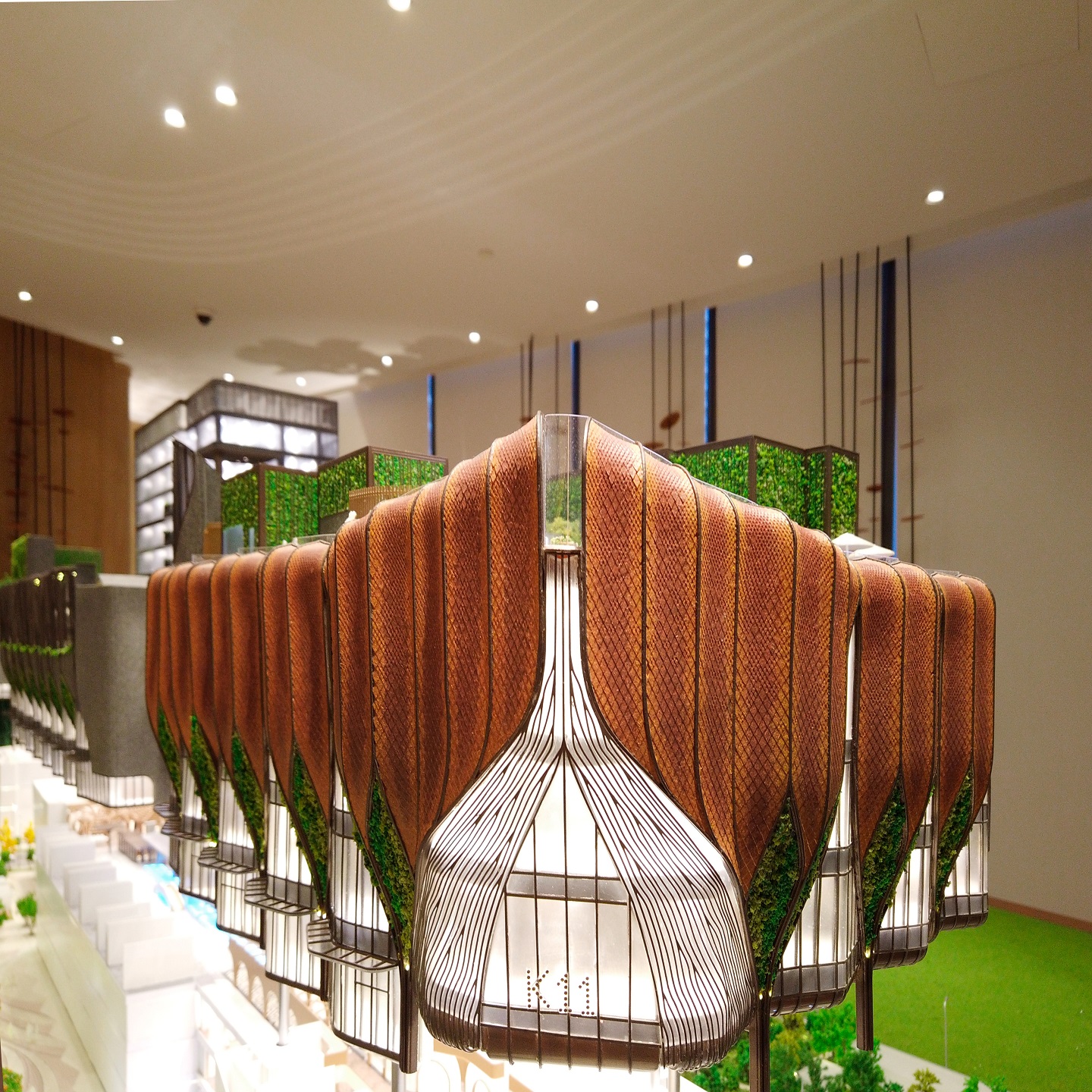
An installation architectural model is a physical scale model that visually represents how a structure integrates with its environment, focusing on spatial context and functional layout. It helps architects, clients, and stakeholders understand design, scale, and installation impact, enhancing collaboration and decision-making throughout the project lifecycle. Also check: Architectural Model Packing, Transport & Maintenance
What Is an Installation Architectural Model and How Does It Differ From Other Models?
An installation architectural model is a detailed physical representation emphasizing the relationship between a building and site-specific infrastructure such as utilities and mechanical systems. Unlike conventional architectural models that mainly show form and design, installation models concentrate on how the structure fits into its environment operationally. This includes demonstrating the positioning of equipment, piping, wiring, and access points. Companies like QZY Models specialize in producing such models with high precision, highlighting both aesthetic and functional aspects of installations.
Why Are Installation Architectural Models Important in the Design and Construction Process?
Installation architectural models provide critical insight into how buildings interact with infrastructure and site conditions, enabling early detection of potential conflicts. By visualizing these details before construction, they help reduce costly errors and improve coordination among architects, engineers, and contractors. They also assist in scheduling, material planning, and regulatory compliance. QZY Models ensures these models meet demanding standards for accuracy and clarity, supporting smooth project execution.
How Are Installation Architectural Models Made and What Materials Are Used?
Creation starts with digital blueprints and CAD files that are translated into precise components using technologies such as laser cutting, CNC machining, and 3D printing. Common materials include acrylic for transparent parts like piping, foam board for terrain, and wood or plastic for structural elements. These are combined skillfully to produce durable, detailed models. QZY Models integrates sustainable materials and advanced fabrication techniques to deliver models that are both realistic and functional, sometimes incorporating lighting or movable parts to simulate real installations.
| Materials Used in Installation Architectural Models | Properties |
|---|---|
| Acrylic | Transparent, durable |
| Foam Board | Lightweight, easy to shape |
| Wood | Strong, aesthetic |
| Plastic | Versatile, varied colors |
| 3D Printed Resin | High detail, complex shapes |
What Are the Benefits of Using Installation Architectural Models in Industrial Projects?
These models clarify the complex arrangement of systems common in industrial projects, such as HVAC, electrical setups, and machinery layouts. They help identify spatial issues before construction, reducing onsite rework. Improved communication between multidisciplinary teams accelerates planning and ensures proper resource allocation. Installation architectural models also simulate workflow and operational scenarios, contributing to risk reduction and better project timelines. QZY Models customizes these models to specific industrial needs, enhancing their practical value.
| Benefits in Industrial Projects | Result |
|---|---|
| Clash detection | Reduced onsite conflicts |
| Enhanced teamwork | Clearer communication |
| Workflow simulation | Efficient operational planning |
| Early risk spotting | Fewer construction delays |
How Does QZY Models Ensure High-Quality Production of Installation Architectural Models?
QZY Models combines advanced manufacturing technologies with expert craftsmanship to produce precise, highly detailed models. They follow a thorough quality control process that includes scale accuracy checks, material testing, and client feedback iterations. The company’s decades of experience and global reach enable them to tailor models to complex project requirements, maintaining consistency and professionalism in every delivery.
How Can Installation Architectural Models Improve Client and Stakeholder Engagement?
Physical models provide a tactile, visual way to understand spatial relationships and installation details, making complex designs accessible. This interactive approach facilitates informed decision-making and faster approvals by bridging communication gaps. QZY Models focuses on customization and fine detail to enhance aesthetics and clarity, helping clients and stakeholders connect emotionally and intellectually with the project vision.
What Are the Latest Innovations in Installation Architectural Model Making?
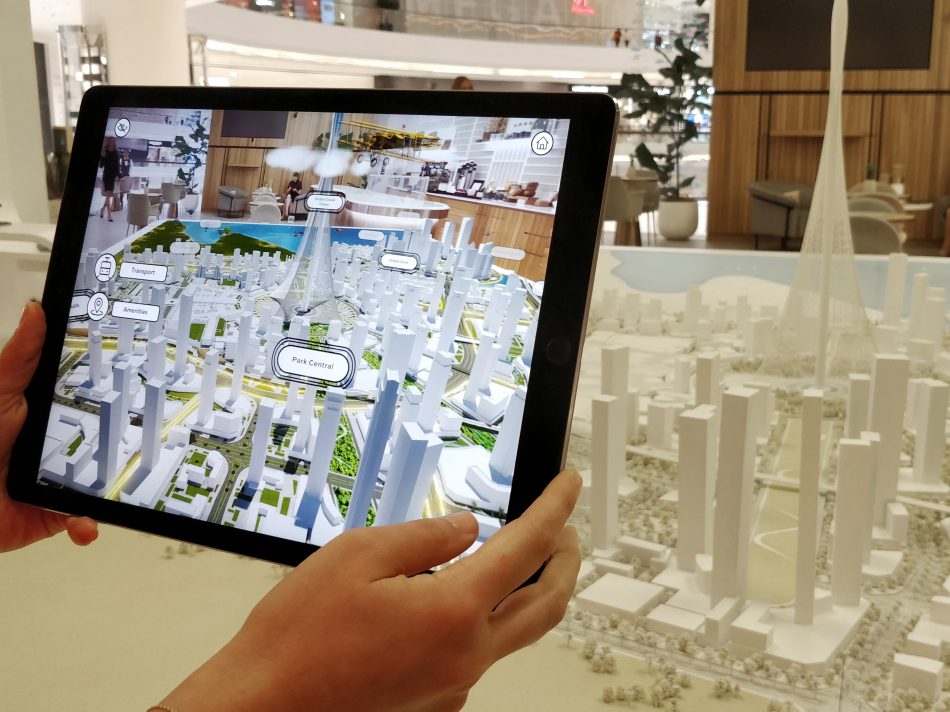
Advances in augmented reality (AR) allow users to overlay digital information onto physical models for interactive exploration of interior installations. 3D printing now supports highly intricate parts that were previously impossible to fabricate by hand. Eco-friendly and sustainable materials are increasingly used, supporting environmental responsibility without sacrificing quality. QZY Models remains at the forefront of these innovations, integrating AR features and sustainable practices to meet evolving client needs.
When Should Installation Architectural Models Be Used in Project Timelines?
These models are most beneficial during design development and pre-construction stages. Early use helps identify potential installation challenges, facilitates design adjustments, and informs budgeting and scheduling. They also support review sessions with stakeholders, ensuring alignment before construction begins. Post-construction, installation models may assist with maintenance training and operational evaluations. QZY Models recommends early adoption to maximize cost savings and project clarity.
Where Can Industry Professionals Source Custom Installation Architectural Models?
Industry professionals looking for custom models should seek specialized firms with robust portfolios and technical expertise. QZY Models is a globally recognized leader with over 20 years of experience, serving architects and developers across continents. Their combination of local branch presence and international standards ensures projects receive tailored, high-quality services with efficient turnaround times.
QZY Models Expert Views
“Installation architectural models serve as the crucial link between concept and reality. At QZY Models, we prioritize precision and contextual storytelling to help our clients visualize complex installations clearly. Our dedication to innovation and craftsmanship ensures these models not only facilitate construction accuracy but also foster transparent collaboration, driving success across projects worldwide.”
— Richie Ren, Founder of QZY Models
Conclusion
Installation architectural models are essential for accurately representing how structures will be installed and integrated within their environments. They improve visualization, reduce construction risks, and encourage effective stakeholder communication. Utilizing cutting-edge fabrication and sustainable materials, along with engaging with trusted providers like QZY Models, maximizes project efficiency and impact. Incorporating these models early in the process lays the foundation for streamlined installations, timely completion, and satisfied clients.
Frequently Asked Questions
What Is an Installation Architectural Model and Why Does It Matter in Modern Design?
An installation architectural model is a detailed physical representation built to test spatial concepts, user interaction, and visual impact. It helps teams validate ideas before construction, improve stakeholder understanding, and reduce design risk. Firms like QZY Models use precision models to turn abstract concepts into decision ready visuals.
What Types of Installation Architectural Models Are Used in Different Projects?
Common installation architectural model types include conceptual models, presentation models, exhibition models, interactive models, site specific models, and experimental prototypes. Each serves a different purpose such as early ideation, client approval, or public display. Selecting the right type depends on audience, required detail level, and whether interaction or lighting effects are needed.
Which Materials Work Best for Installation Architectural Models Today?
Top installation model materials include acrylic for transparency, resin for fine detail, ABS and 3D prints for complex forms, and wood or foam board for fast structural builds. Choose materials based on durability, finish quality, and transport needs. Mixed media often delivers the best balance between realism, strength, and production speed.
How Do You Choose the Right Scale for an Installation Architectural Model?
The right installation model scale depends on viewing distance, detail requirements, and display space. Use larger scales for interaction and detail testing, smaller scales for concept validation and master planning. Always match scale to decision goals, not just table size. Test one critical area at higher scale before committing to full production.
What Is the Step by Step Workflow for Building an Installation Architectural Model?
A strong installation model workflow includes design review, scale selection, material planning, digital file prep, fabrication, finishing, and lighting integration. Add checkpoints after each stage to catch errors early. Professional studios like QZY Models follow controlled workflows to ensure accuracy, speed, and consistent presentation quality for global clients.
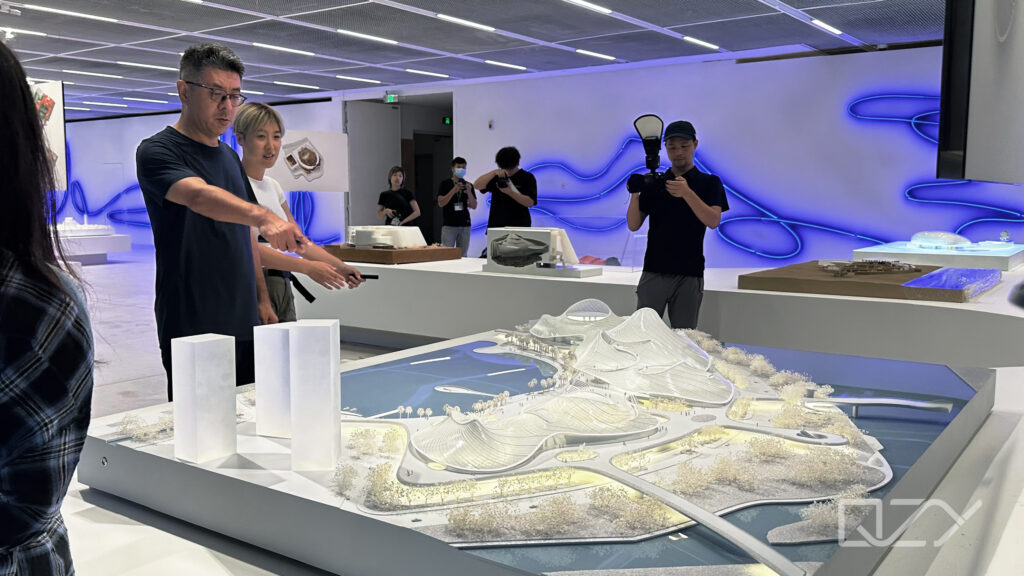
How Are Installation Architectural Models Used in Exhibitions and Galleries?
Exhibition installation models are built for visibility and engagement. They use lighting, labeled zones, and durable finishes to handle transport and public viewing. Designers often add removable sections or interactive parts to improve storytelling. The goal is fast understanding within seconds, making the model both informative and visually striking.
Should You Use Digital or Physical Installation Architectural Models for Your Project?
Use physical installation models for tactile review, spatial judgment, and exhibitions. Use digital models for rapid iteration and remote collaboration. A hybrid approach works best: validate form digitally, then build a physical model for final decisions and presentations. This reduces revisions while preserving real world spatial accuracy.
Where Can You Order a Custom Installation Architectural Model From Professionals?
Order a custom installation architectural model from specialized model studios with in house fabrication, material diversity, and international delivery experience. Review portfolios, tolerance accuracy, and finishing quality before choosing. Ask for sample photos and process steps. A qualified professional team ensures your model supports approvals, marketing, and exhibition impact.