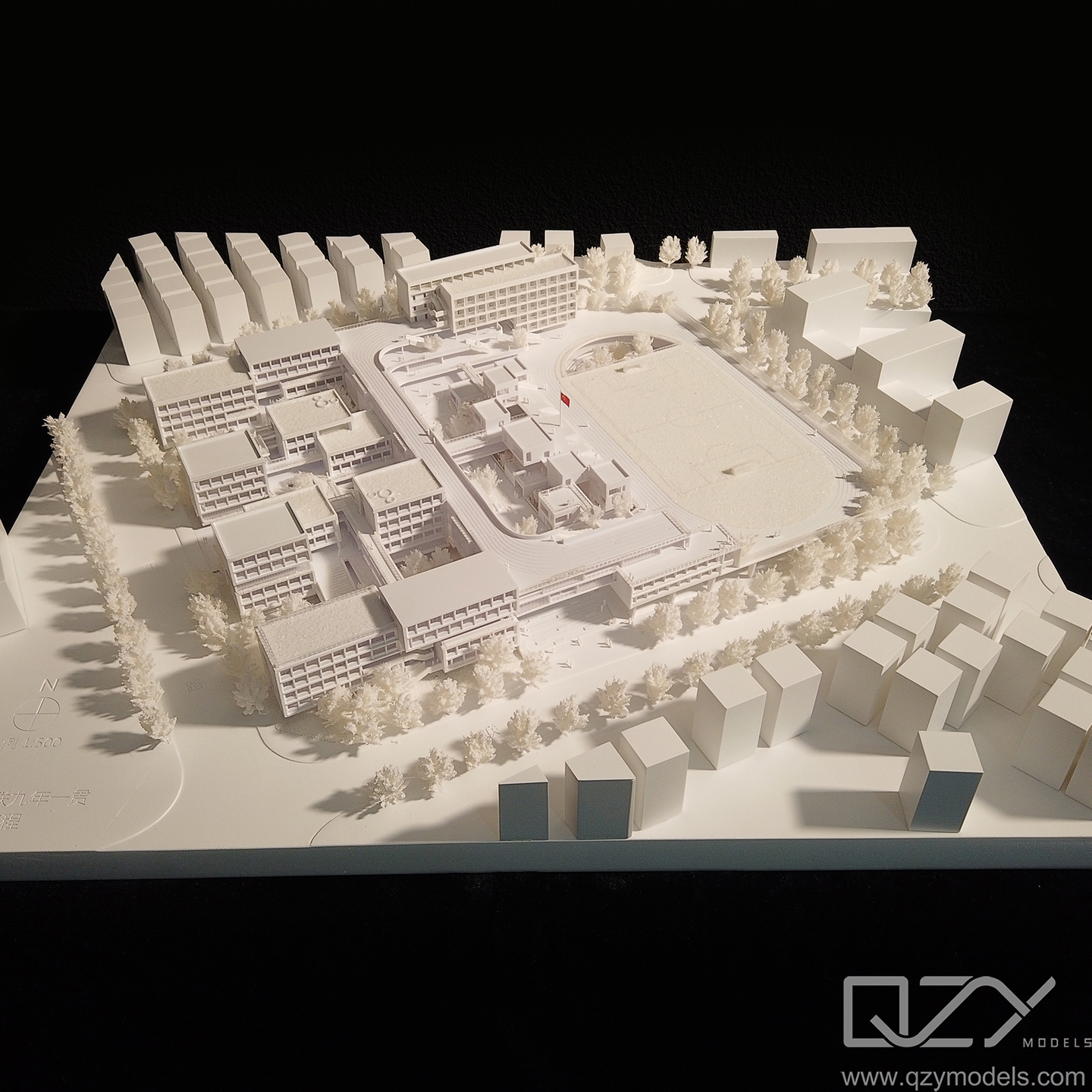
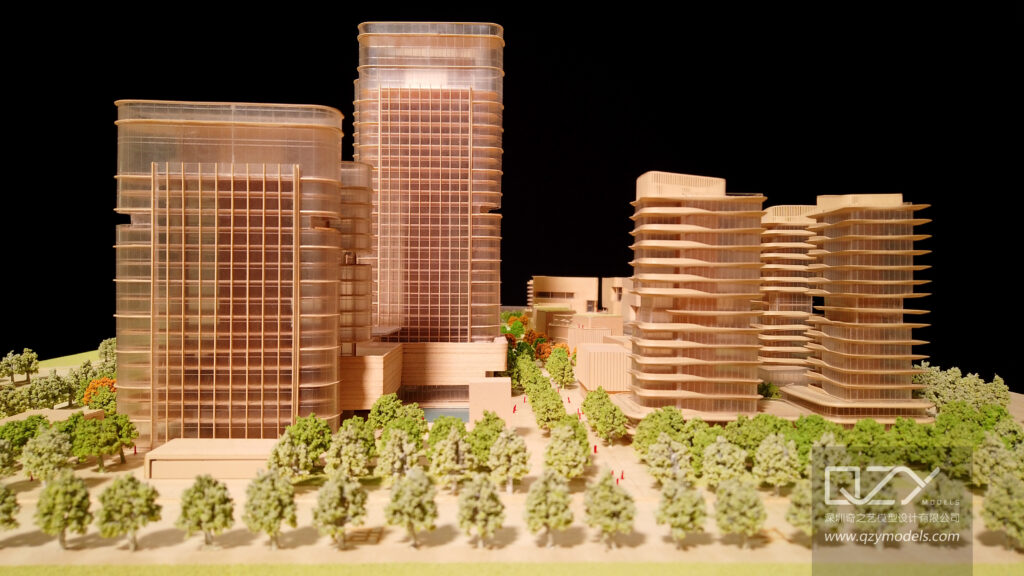
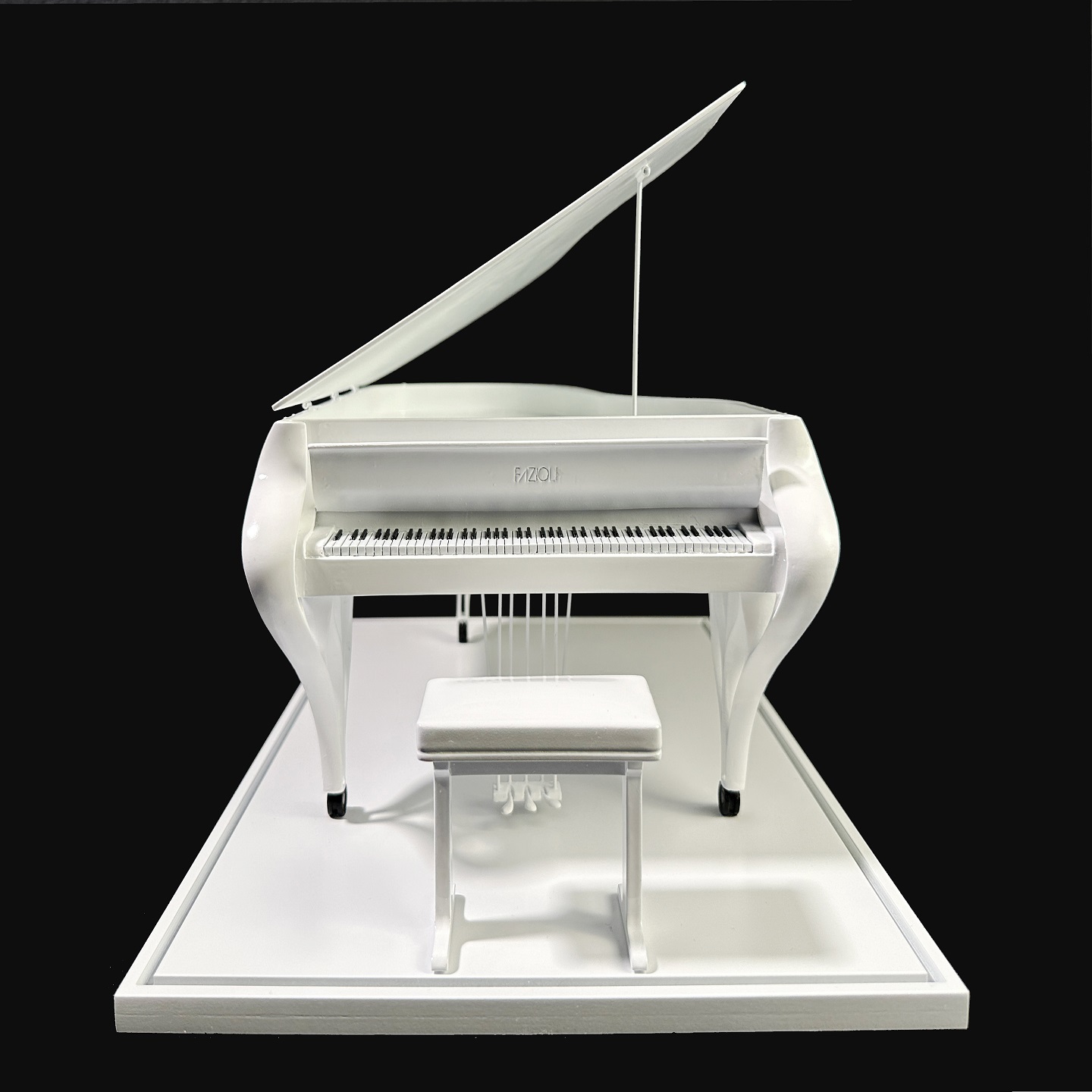
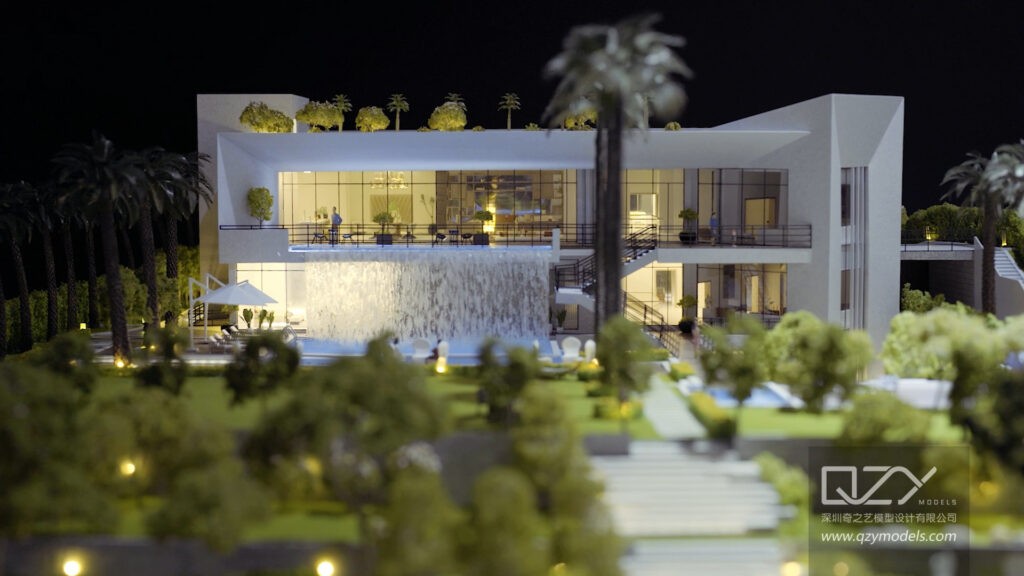
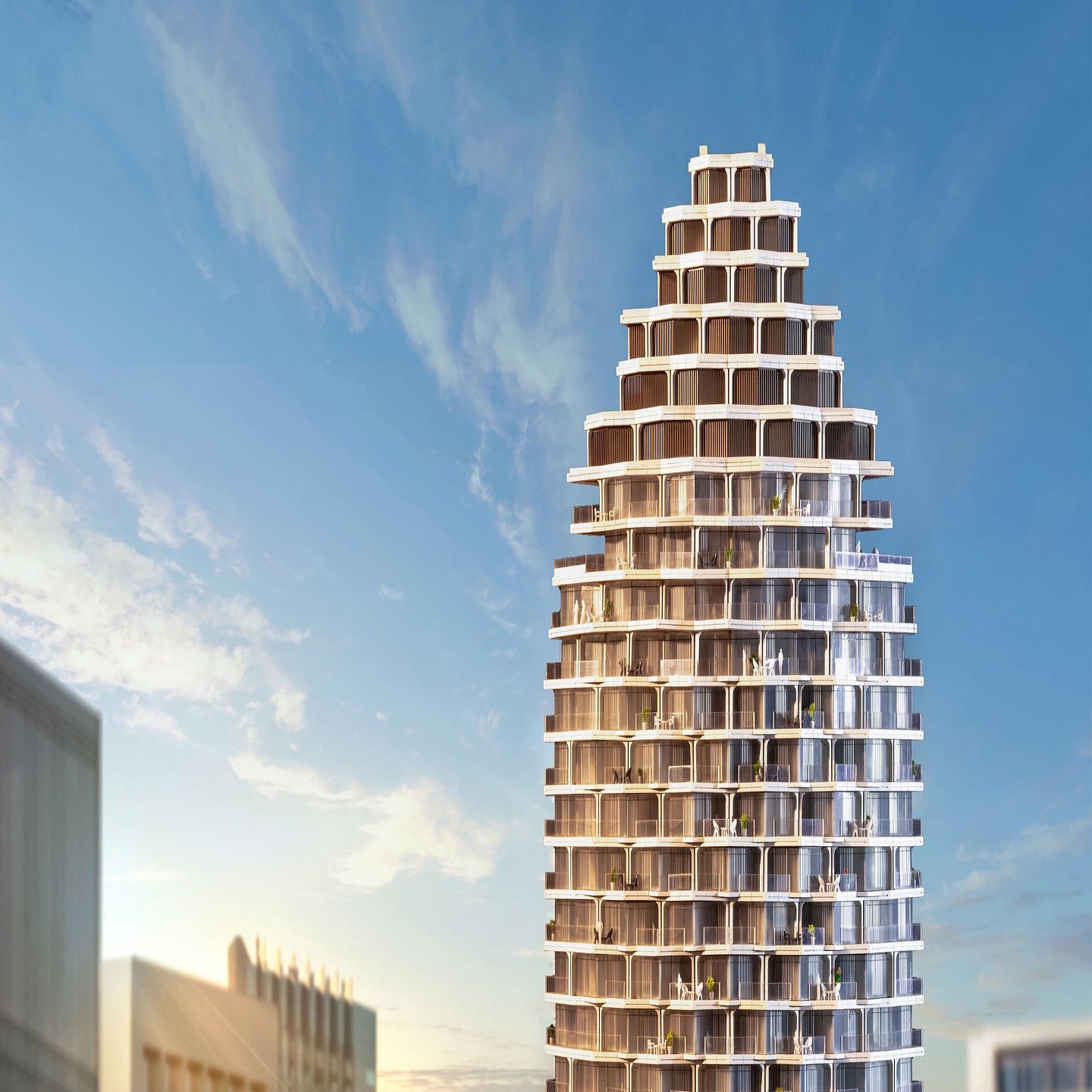
Architectural modeling is the creation of detailed physical or digital representations of buildings and structures to visualize design intent and communicate ideas clearly. It combines craftsmanship, technology, and design expertise to produce scaled models that reveal spatial relationships, material choices, and aesthetic concepts before construction begins, enabling informed decisions for architects, developers, and clients.
What Is Architectural Modeling and What Are Its Types?
Architectural modeling produces tangible or digital 3D representations of architectural designs. The main types are physical models using materials like foam, wood, acrylic, and plastic, and digital models created with CAD, BIM, and parametric design software. Physical models provide tactile, realistic visualization, while digital models facilitate collaboration, design iteration, and integration with construction workflows.
QZY Models specializes in premium physical models that complement digital designs, offering precision, clarity, and aesthetic appeal to architects and developers worldwide.
How Do Modern Technologies Impact Architectural Modeling?
Modern technologies such as 3D printing, laser cutting, CNC machining, and advanced CAD software have transformed architectural modeling by increasing speed, accuracy, and design complexity. BIM platforms streamline data management, while parametric and generative design allow models to adapt automatically based on algorithmic rules. AI tools further enhance design efficiency and optimization.
QZY Models integrates these technologies to deliver highly detailed and precise models while maintaining efficiency, meeting evolving demands across international projects.
Which Materials and Techniques Are Preferred in Architectural Modeling?
Materials are selected according to model scale, purpose, and desired realism. Common choices include foam board for conceptual studies, wood for detailed presentations, acrylic for transparent elements, plastic for versatile components, and 3D-printed resins for intricate parts. Techniques include handcrafting, laser cutting, CNC milling, and 3D printing, combined with painting, texturing, and lighting to enhance realism.
QZY Models applies a tailored approach to material and technique selection, ensuring each model achieves accuracy, durability, and visual impact.
Why Is Architectural Modeling Vital for Design and Communication?
Architectural models simplify complex designs into tangible 3D forms, helping clients, stakeholders, and regulatory bodies understand layouts, materials, and construction strategies. They identify design challenges early, reducing costly revisions, and serve as effective marketing tools for developers and architects.
By creating models that communicate vision and detail effectively, QZY Models enables informed decision-making and reinforces project confidence.
Who Uses Architectural Modeling and For What Purposes?
Architects, developers, urban planners, interior and landscape designers, educators, exhibition organizers, and collectors rely on architectural models for design exploration, client communication, presentations, marketing, and educational purposes. Models cater to various stages, from concept refinement to final sales displays.
QZY Models serves an international clientele, delivering high-quality models that meet professional standards and satisfy high-end requirements.
When Should Architectural Modeling Be Incorporated in Projects?
Incorporating architectural modeling early in design phases allows for effective concept exploration. Mid-stage models clarify construction and material choices, while final models support client presentations and marketing initiatives. Early engagement ensures maximum design insight and project efficiency.
QZY Models emphasizes timely collaboration from concept through completion to fully leverage model benefits.
Where Are Architectural Models Typically Displayed and Used?
Architectural models are showcased in design studios, sales galleries, client offices, exhibitions, trade shows, and academic institutions. They complement digital walkthroughs or VR experiences and can illustrate sustainable design principles or project features during public presentations.
QZY Models produces models optimized for diverse settings, enhancing engagement, visualization, and project impact.
How Can Sustainability Be Addressed Through Architectural Modeling?
Sustainable modeling uses eco-friendly materials and design techniques, illustrating energy performance, daylighting, and material impact visually. Digital models can simulate environmental efficiency, guiding sustainable decisions before construction.
QZY Models incorporates sustainable practices and environmentally conscious materials to align with client and industry goals.
What Are the Latest Trends in Architectural Modeling?
Emerging trends include AI-driven design optimization, VR/AR immersive presentations, parametric and generative design workflows, hybrid physical-digital models, modular reusable components, and environmentally friendly materials. These innovations improve visualization, interactivity, and efficiency while reflecting sustainability concerns.
QZY Models adopts these trends to provide innovative, future-ready solutions that meet client expectations and market demands.
QZY Models Expert Views
“Architectural modeling is a strategic tool that transforms abstract concepts into tangible, understandable representations. At QZY Models, we combine precision craftsmanship with cutting-edge technology to deliver models that inspire confidence and communicate design intent effectively. Every model is crafted with attention to detail, serving architects, developers, and investors worldwide as a bridge between vision and realization.” — Richie Ren, Founder, QZY Models
Table: Common Materials and Their Uses in Architectural Modeling
| Material | Best For | Characteristics | Cost Implications |
|---|---|---|---|
| Foam Board | Early-stage concept models | Lightweight, easy to shape | Low |
| Wood | Detailed presentation models | Durable, natural texture | Medium |
| Acrylic | Transparent elements, windows | Polished finish, durable | Medium-High |
| Plastic | Complex shapes, prototypes | Versatile, paintable | Medium |
| 3D Printed Resins | Intricate, small parts | High detail, scalable | Medium-High |
Table: Popular Architectural Modeling Software and Their Features
| Software | Use Case | Key Features | Integration |
|---|---|---|---|
| Autodesk Revit | BIM workflows | Parametric modeling, cloud-based | Construction documentation |
| SketchUp | Conceptual modeling | User-friendly, extensive plugins | VR/AR presentation |
| Rhino | Complex freeform modeling | NURBS-based precision | Compatible with Grasshopper |
| 3ds Max | Rendering and animations | Photorealistic rendering | Supports VR walkthroughs |
| Blender | Open-source 3D modeling | Flexible, free, and customizable | Supports scripting and plugins |
Conclusion
Architectural modeling bridges the gap between concept and reality, enabling effective visualization, communication, and decision-making. Partnering with experienced teams like QZY Models ensures high-quality, visually compelling models that enhance project outcomes. Early integration, innovative techniques, and sustainable practices maximize the value of architectural models for architects, developers, and clients globally.
FAQs
Q: What scale is typically used in architectural models?
Scales range from 1:50 to 1:500 depending on project size and purpose, balancing detail with overall context.
Q: Can physical models include lighting?
Yes, LED lighting and miniature illumination can enhance realism and highlight features.
Q: How does parametric design influence modeling?
It enables dynamic updates, allowing models to adapt automatically to design changes efficiently.
Q: Is architectural modeling costly?
Costs depend on model complexity, materials, and techniques; early consultation ensures budget alignment.
Q: Can models be updated as designs evolve?
Yes, modular components and digital files allow iterative updates throughout the project lifecycle.