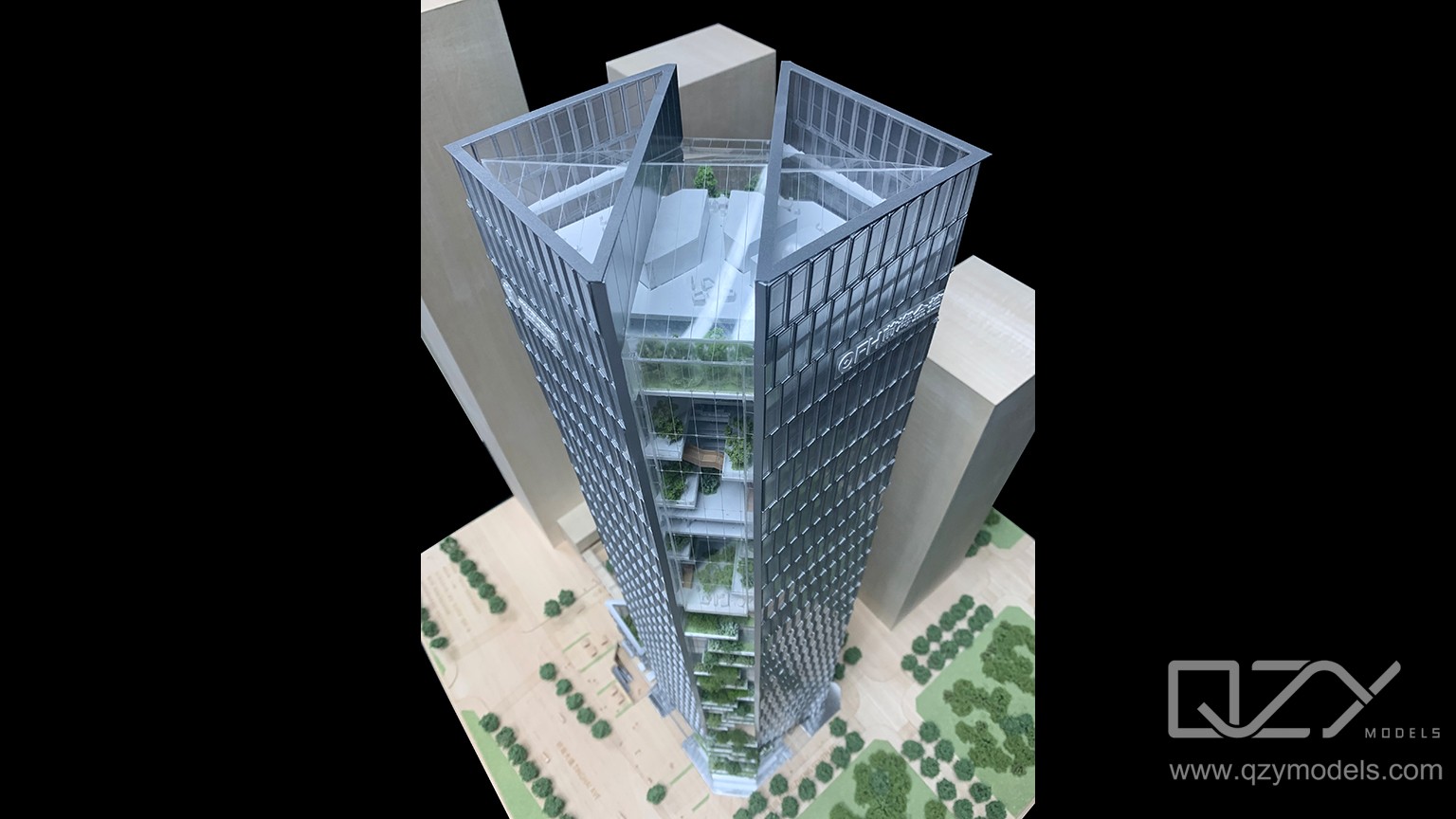
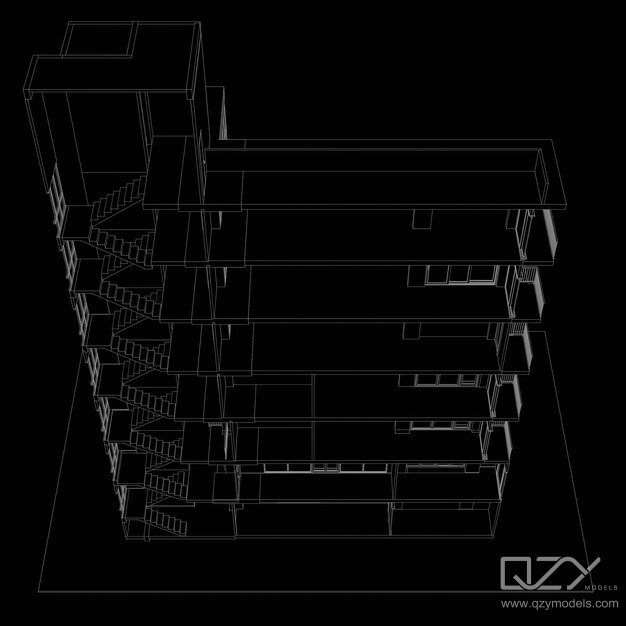
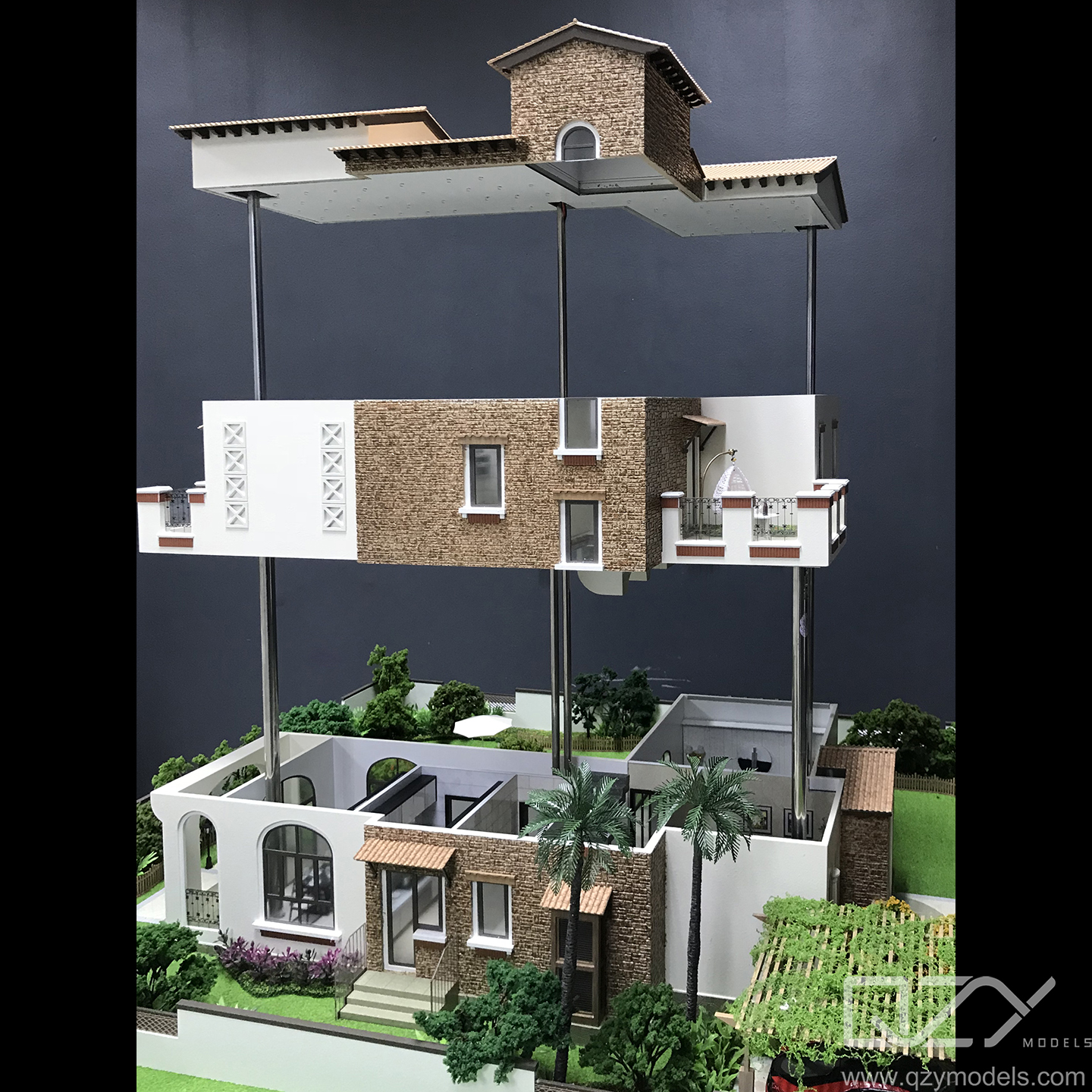
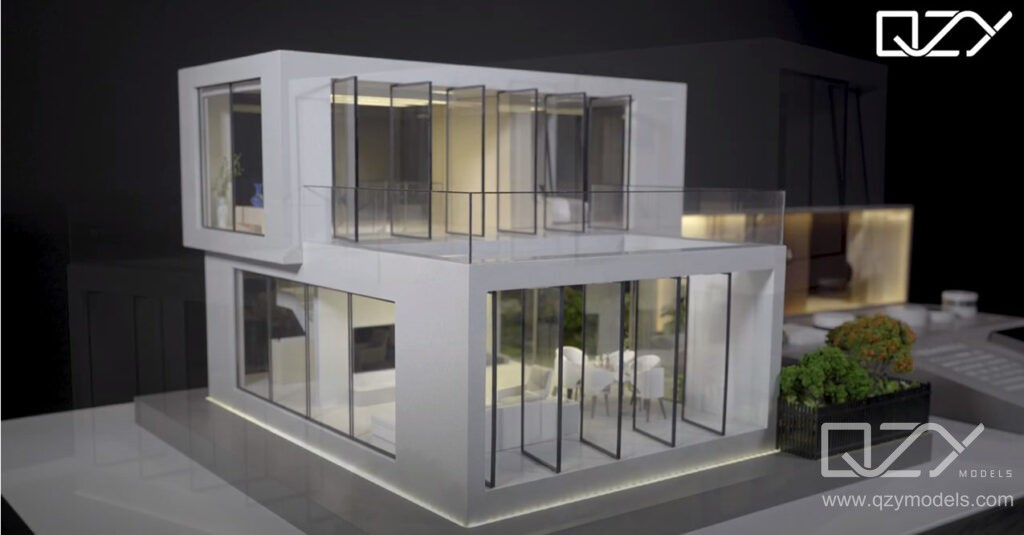
Architectural wood model building is the art of creating precise, scaled representations of buildings or landscapes using wood materials. It combines skilled craftsmanship, digital precision, and careful material selection to produce durable, visually compelling models. Companies like QZY Models specialize in wooden architectural models that enhance design visualization, support client presentations, and serve marketing and exhibition purposes worldwide.
What Is Architectural Wood Model Building?
Architectural wood model building is the creation of scaled physical models primarily using wood types such as balsa and basswood. These models allow architects and clients to visualize and evaluate design intent in three dimensions. Wood provides a natural texture, strength, and aesthetic quality, making it ideal for professional presentation and exhibition models. QZY Models transforms architectural plans and digital designs into realistic, tactile miniatures that enhance design understanding and project communication.
How Is Architectural Wood Model Building Done?
The process begins with selecting the right wood type and accurately scaling all components. Parts are cut using hobby knives, saws, or laser cutters, then assembled with adhesives. Techniques such as scoring, sanding, and layering replicate structural details and textures. Advanced methods, including laser cutting and 3D printing, are integrated to achieve high precision and efficiency. At QZY Models, craftsmanship and technology merge to produce wooden models that reflect exacting standards of detail and professionalism.
Which Types of Wood Are Commonly Used in Architectural Models?
Architectural models commonly use balsa, basswood, MDF, and wood veneer. Balsa is lightweight and easy to manipulate for structural frames or prototypes. Basswood offers fine grain and durability for detailed presentation models. MDF provides a stable base for larger models, while veneer delivers realistic surface finishes. Material selection depends on the desired scale, detail, and intended use of the model.
| Wood Type | Characteristics | Typical Uses |
|---|---|---|
| Balsa Wood | Lightweight, easy to cut | Rapid prototypes, structural frames |
| Basswood | Dense, fine grain | Detailed models, facades |
| MDF | Heavy, stable | Bases, large-scale components |
| Wood Veneer | Thin, realistic surface | Finishing, cladding |
Why Use Wood for Architectural Models?
Wood combines tactile appeal, durability, and adaptability that other materials often lack. It allows fine detailing, smooth finishes, and is well-suited to cutting, sanding, and painting. Wood models can withstand handling better and convey a sense of quality and craftsmanship. QZY Models leverages wood’s natural beauty to produce models that effectively communicate architectural vision and inspire confidence in viewers.
Who Builds Architectural Wood Models?
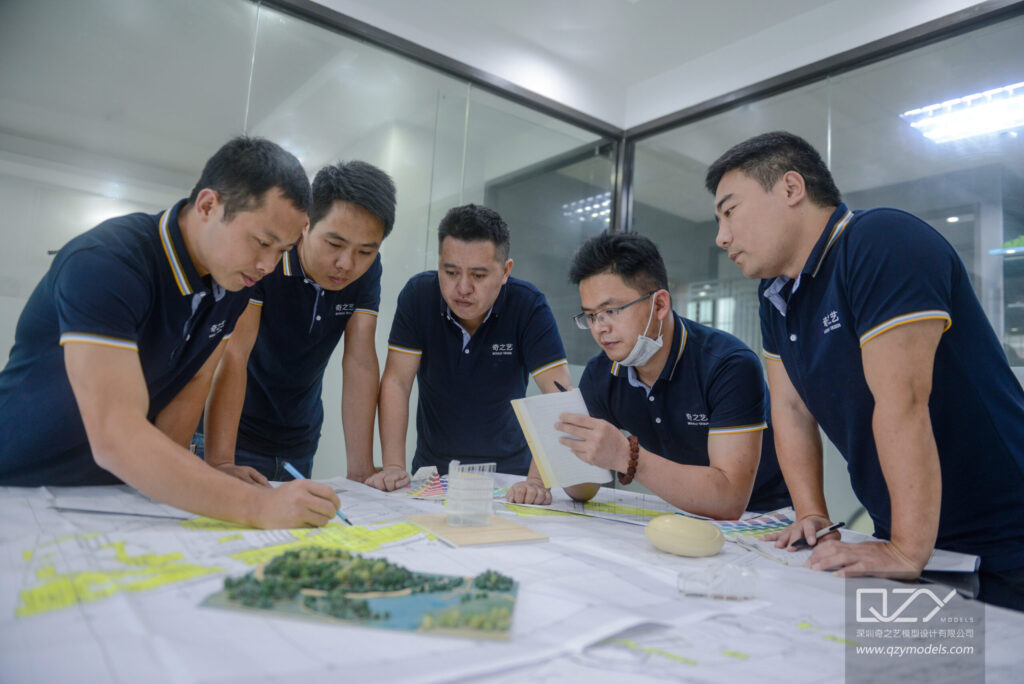
Architectural wood models are crafted by skilled model makers, architects, and specialized companies such as QZY Models. Professionals combine woodworking expertise with architectural knowledge to produce accurate and visually appealing replicas. Clients include architectural firms, developers, urban planners, educational institutions, and exhibition organizers, reflecting the diverse applications of these models worldwide.
When Is Wood Model Building Used in Projects?
Wood models are typically created during design development and final presentation stages. Early models focus on massing and spatial layout, while detailed models showcase structural features, facades, and finishes. Wood’s durability also makes it suitable for exhibition or marketing models intended for handling or transport. Coordinating model creation with project milestones ensures timely feedback and efficient design decisions.
How Does Technology Enhance Wood Model Building?
Technology enhances wooden model building through laser cutting, CNC routing, and 3D printing for precise part fabrication. Laser cutting enables intricate patterns and accurate detailing, while CNC machines ensure uniformity in repeated components. Combining traditional woodworking with digital tools, QZY Models achieves exceptional accuracy, efficiency, and craftsmanship, producing models that balance technological precision with artisanal quality.
Can Architectural Wood Models Be Customized?
Yes, wood models are highly customizable in scale, detail, finish, and added elements like landscaping, figures, or lighting. Customization depends on project requirements and client preferences. QZY Models excels in delivering bespoke models that integrate wood’s natural elegance with additional design features for a compelling visual narrative.
How To Care for and Maintain Wood Models?
Wood models should be protected from moisture, extreme temperatures, and direct sunlight to prevent warping or discoloration. Dusting should be gentle, and harsh cleaners avoided. Protective coatings can enhance durability and appearance, especially for models used in exhibitions or handling. QZY Models provides guidance on proper care to maintain model longevity and presentation quality.
QZY Models Expert Views
“Wood remains unmatched in architectural model making for its authenticity and tactile appeal. At QZY Models, we merge traditional woodworking with precision laser cutting to produce models that are both accurate and visually stunning. Our wooden models communicate structure and design intent clearly while showcasing craftsmanship that elevates every project. This approach ensures models inspire architects, developers, and clients globally.” — Richie Ren, Founder of QZY Models
FAQs
What wood is best for architectural models?
Balsa is ideal for light prototypes and easy shaping; basswood is preferred for detailed and durable models.
Can laser cutting be used on wood models?
Yes, laser cutting enables highly precise and intricate detailing for various wood types.
How long does it take to build a wood architectural model?
Time depends on model complexity and size, ranging from a few days for simple models to several weeks for intricate ones.
Are wood models suitable for outdoor exhibitions?
Typically, wood models require indoor display or protective casing to prevent weather damage.
How are wood models finished?
Finishing involves sanding, painting, staining, or applying clear coatings to enhance appearance and durability.
What is architectural wood model building?
Architectural wood model building is the creation of scaled, three-dimensional replicas of buildings or landscapes using wood. It helps architects and clients visualize designs, test concepts, and present projects, translating 2D plans into tangible, detailed, and accurate physical models for study or display purposes.
Why are wood models used in architecture?
Wood models provide a realistic, tactile representation of architectural designs. They allow designers and stakeholders to understand spatial relationships, scale, form, and materials better than drawings alone, enabling informed decisions, design refinement, and effective presentation of concepts to clients or planning authorities.
What types of wood are commonly used for architectural models?
Balsa and basswood are the most common, offering ease of cutting, shaping, and gluing. These lightweight woods are ideal for both quick study models and intricate presentation models. Other materials like acrylic, card, or veneer may complement wood for detailing or contrast.
What are the main steps in building a wood architectural model?
The process involves design and planning, choosing scale and materials, cutting and shaping components, assembling layers, adding details, and finishing for presentation. Both traditional hand tools and modern digital methods like laser cutting or 3D printing are used to ensure precision and aesthetic quality.
How do traditional and modern techniques differ in wood model making?
Traditional methods rely on hand tools like X-Acto knives, saws, and rulers to cut and assemble wood manually. Modern techniques use CAD designs, laser cutters, or 3D printers, allowing faster, more precise, and complex detailing while maintaining craftsmanship standards.
What are study models versus presentation models?
Study models are simple, quick representations used to test massing, form, and spatial layout. Presentation models are highly detailed, polished, and often include textures, interior elements, lighting, and site context for client presentations, competitions, or exhibitions.
How is detailing added to a wood architectural model?
Detailing includes window frames, doors, textures, roof features, landscaping, and sometimes miniature people or furniture. Finishing touches like sanding, painting, and combining wood with other materials enhance realism and visual clarity for presentation purposes.
What are the benefits of using wood models in architectural design?
Wood models help visualize complex designs, communicate ideas effectively, and test spatial concepts before construction. They provide a tangible reference for stakeholders, improve accuracy in planning, and enhance presentations for clients, competitions, or exhibitions, bridging the gap between digital plans and real-world projects.