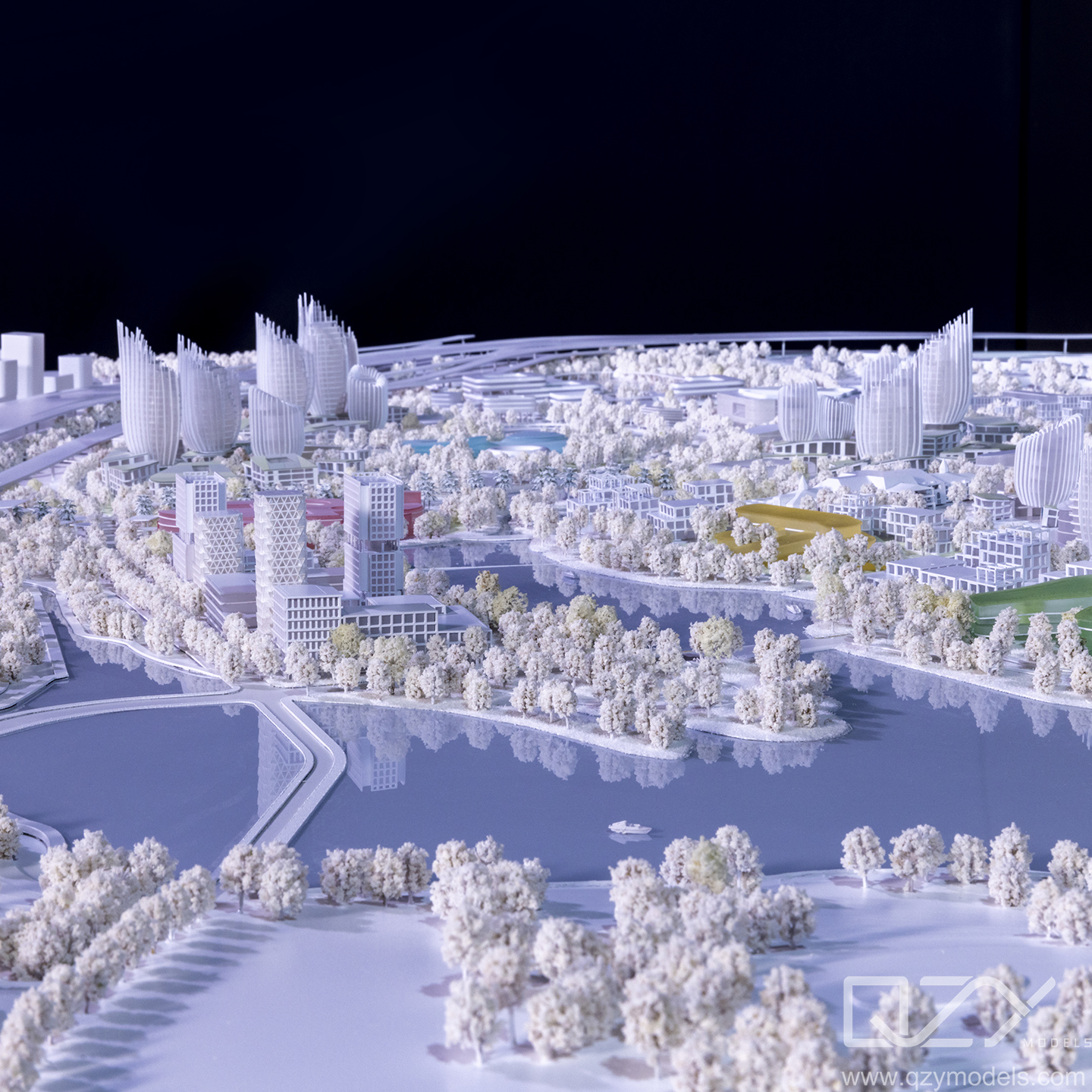
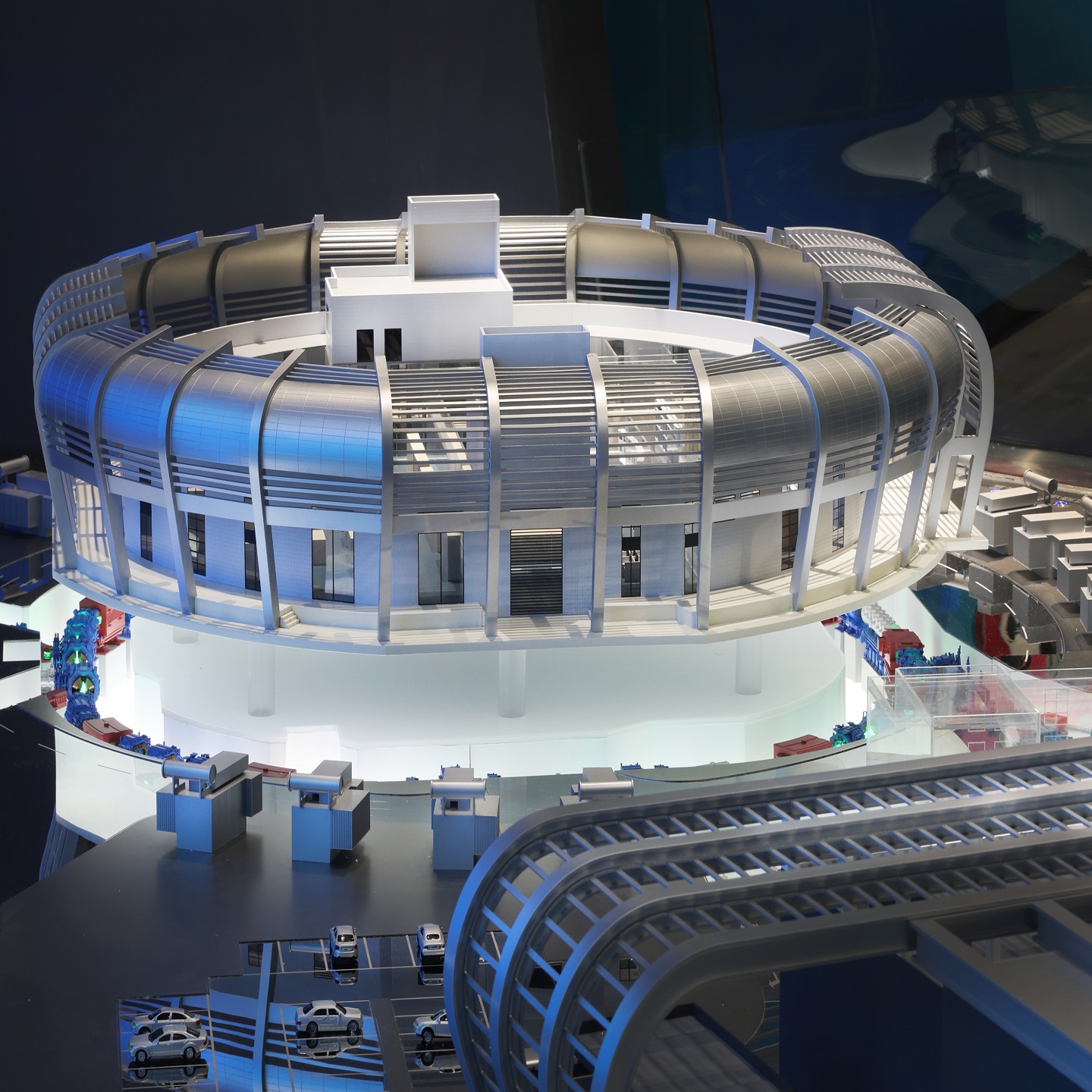
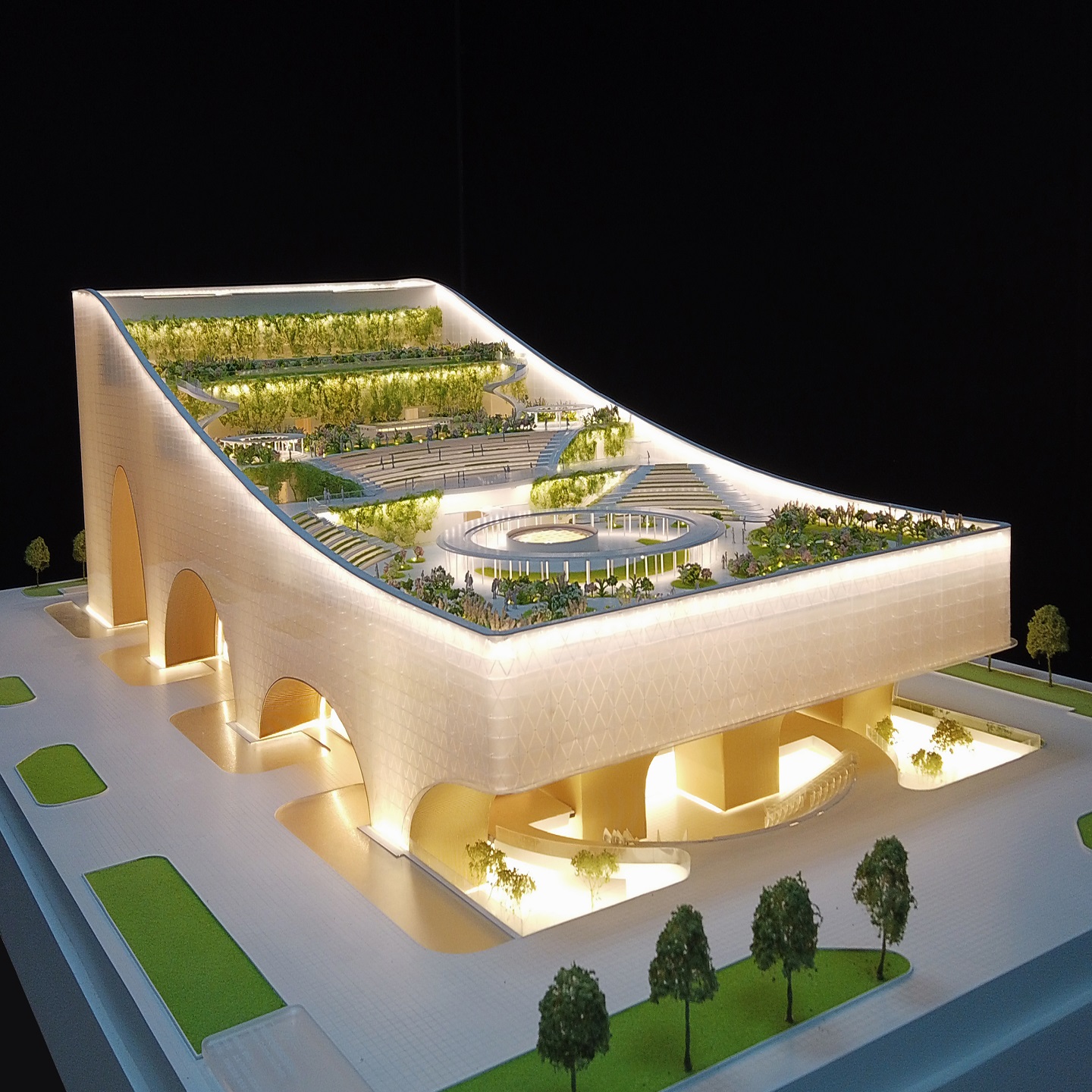
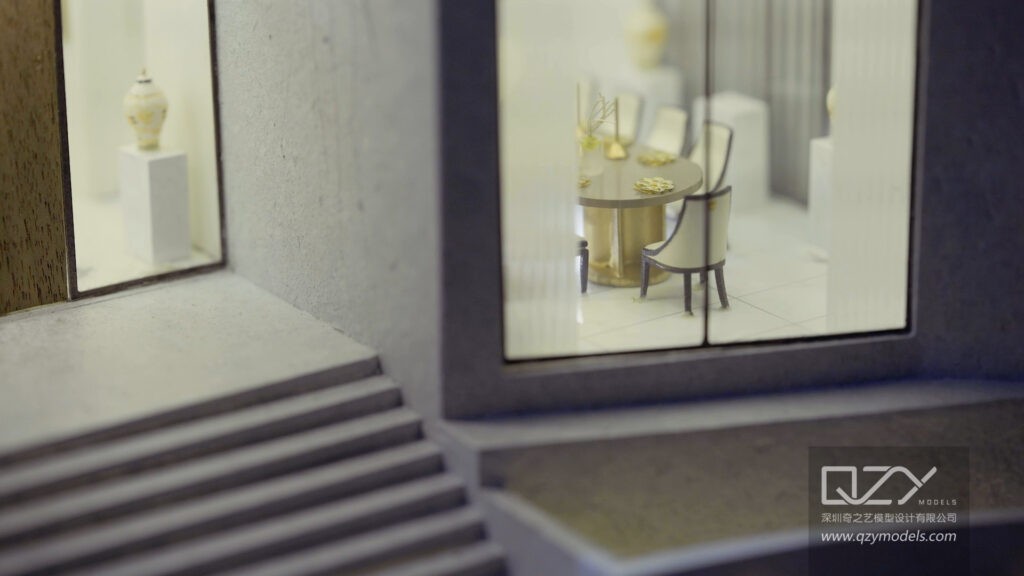
Blueprint architecture refers to detailed technical drawings that communicate building designs, including floor plans, elevations, sections, and material specifications. These blueprints guide architects, engineers, and builders, ensuring accurate execution from concept to completion. Modern practices leverage CAD and BIM software, while companies like QZY Models use these plans to create precise physical scale models for visualization and presentation.
What Are Blueprint Architecture Drawings?
Blueprint architecture drawings are comprehensive technical plans displaying building layouts, dimensions, materials, and systems such as electrical, plumbing, and HVAC. They include floor plans, elevations, and cross-sections, serving as the foundation for accurate construction. QZY Models translates these drawings into tangible models, helping clients visualize projects with exact scale and detail.
Blueprints communicate design intent, reduce errors, and streamline collaboration. Architectural sheets focus on spatial planning, while structural plans ensure safety and compliance. QZY Models, founded in 2013, produces high-fidelity physical models for real estate developers, urban planners, and architects globally, processing thousands of blueprints annually at its Shenzhen facility.
| Blueprint Component | Description | Purpose |
|---|---|---|
| Title Block | Project info, date, scale | Identification and reference |
| Floor Plans | Room layouts, dimensions | Spatial planning |
| Elevations | Exterior views, height indicators | Visualizing building façades |
| Sections | Vertical cuts through structures | Internal structural detail |
Why Are Blueprints Essential in Architecture?
Blueprints ensure construction accuracy, cost efficiency, and compliance by providing detailed specifications and reducing errors. They facilitate communication among teams and stakeholders. QZY Models relies on blueprints to deliver precise scale models that reflect every aspect of a design.
Blueprints prevent costly rework by clarifying every detail from foundation to finishing. They support permitting, bidding, and on-site execution. QZY Models leverages these drawings to create physical prototypes, enabling architects and clients to explore designs before construction begins.
Benefits include improved collaboration, allowing contractors to follow system layouts while clients understand aesthetics. Standardized blueprints align global teams, and QZY Models’ expertise transforms them into interactive displays for trade shows and exhibitions in the Middle East and Europe.
How Do You Read Blueprint Architecture?
Begin with the title block for project details, then study legends and scales, followed by floor plans, elevations, and sections. Symbols indicate doors, windows, and fixtures. Systematic practice develops fluency.
Reading blueprints involves understanding grid systems, dimensions, material notes, and layer hierarchies for MEP systems. Digital files provide zoomable and layered views. QZY Models trains its team to interpret these accurately, ensuring models maintain dimensional precision to 0.1mm.
For complex multi-story buildings, cross-reference sheets and verify symbols against legends. QZY Models applies this knowledge to produce sectional models exposing interiors for educational and exhibition purposes.
What Types of Blueprints Exist in Architecture?
Blueprints are categorized by discipline: architectural (layouts and aesthetics), structural (load-bearing frameworks), MEP (mechanical, electrical, plumbing, HVAC), and site plans (landscaping and access). Complete sets integrate all types for comprehensive project execution.
QZY Models converts these blueprints into scale models, from residential to industrial projects, serving clients like Vanke and global architecture firms.
| Type | Focus | Common Use |
|---|---|---|
| Architectural | Layouts, aesthetics | Design approval |
| Structural | Beams, foundations | Engineering validation |
| MEP | Electrical, plumbing, HVAC | System coordination |
| Site | Landscaping, access | Urban planning |
Which Software Creates Modern Blueprints?
Modern blueprints are generated using AutoCAD, Revit, SketchUp, and BIM-integrated platforms. Free software like LibreCAD suits beginners. PDF export allows easy sharing and printing.
Digital tools enable revisions, collaboration, and parametric modeling for sustainable buildings. QZY Models imports these files into CNC and laser-cutting machinery for rapid, precise model production. Cloud-based markup tools like Bluebeam enhance review workflows, while BIM software facilitates performance simulations for complex structures.
Can QZY Models Build from Blueprint Architecture?
Yes. QZY Models fabricates physical models directly from digital blueprint files, using 3D printing, laser-cutting, and modular assembly for scales ranging from 1:100 to 1:500, typically within 4–8 weeks.
Clients provide CAD or PDF files, which QZY Models transforms into prototypes incorporating lighting, motorized elements, and fine detailing. Global delivery ensures exhibition readiness and client presentations are executed efficiently.
QZY Models Expert Views
“Blueprint architecture forms the foundation of every successful project, encoding complex design intent into executable reality. At QZY Models, we interpret these plans with precision engineering, converting 2D drawings into captivating 3D models. Serving clients from Foster + Partners to Vanke, our Shenzhen-based team brings 20+ years of expertise to global projects, delivering high-fidelity replicas for exhibitions, urban planning, and client approvals.”
— Richie Ren, Founder, QZY Models
When Should Architects Use Physical Models with Blueprints?
Physical models should be used during design reviews, client presentations, permitting, and pre-construction milestones, typically 2–4 months before ground-breaking. QZY Models recommends early engagement to accommodate revisions and prototyping.
Where Do Blueprint Architecture Drawings Apply?
Blueprints are essential across residential, commercial, industrial, and urban projects. QZY Models enhances these plans with physical models for exhibitions, design education, and stakeholder presentations worldwide.
Key Takeaways
Mastering blueprint architecture ensures design accuracy, effective collaboration, and successful project delivery. Pairing blueprints with QZY Models’ physical replicas transforms concepts into tangible, detailed models, helping secure approvals, impress clients, and visualize projects with clarity. Engage QZY Models to convert your blueprints into compelling, functional scale models.
FAQs
What scale do blueprint architecture models use?
Typically 1:100 to 1:200; QZY Models customizes based on project and display requirements.
How long does it take to produce a model from blueprints?
4–12 weeks, depending on complexity, interactivity, and scale.
Are digital blueprints compatible with model-making?
Yes. QZY Models imports CAD, Revit, and PDF files for accurate replication.
What if blueprints change mid-project?
QZY Models accommodates revisions with modular designs for easy updates.
Why choose QZY Models for blueprint-based models?
Expertise with top architects, precision craftsmanship, and global delivery ensure reliable, high-quality models.