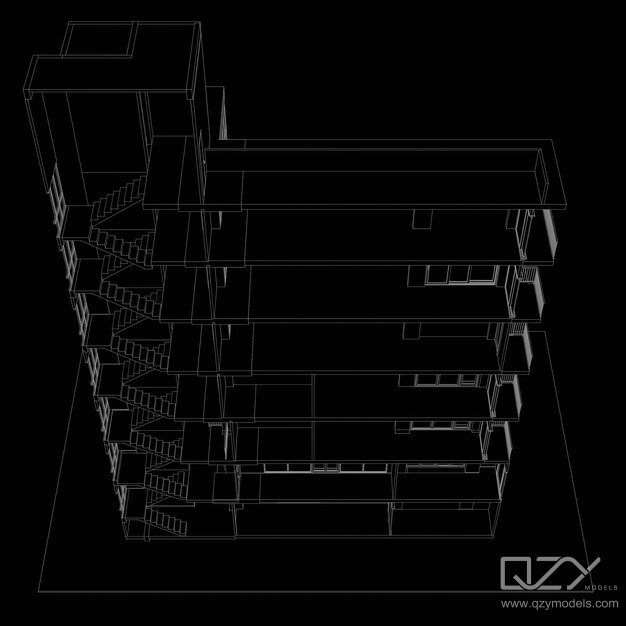
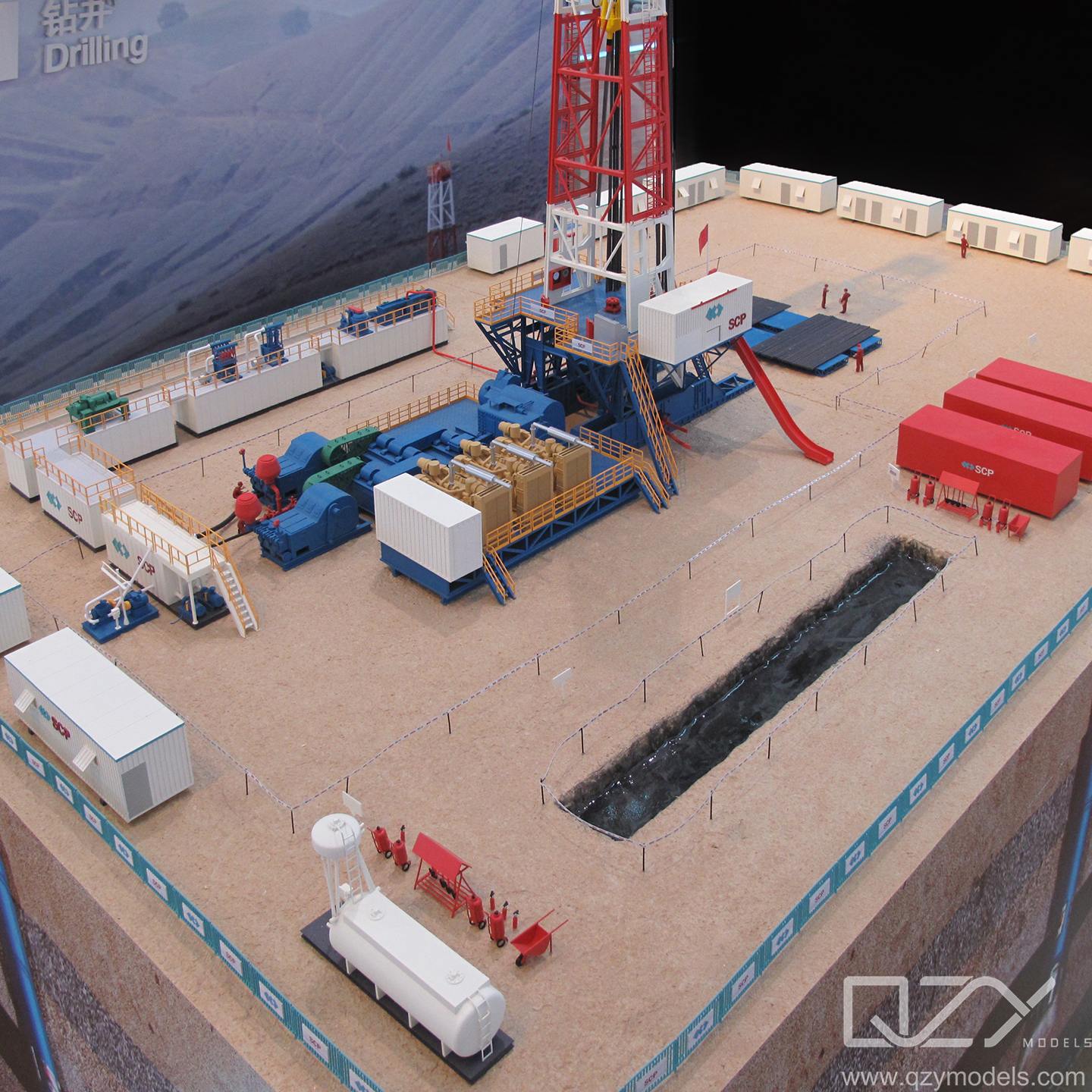
Building scale in Houston refers to the proportional representation of real-world structures in physical models, enabling architects, developers, and planners to visualize, communicate, and analyze projects effectively. These scaled models allow precise understanding of spatial relationships, site context, and design intent, supporting decision-making, stakeholder engagement, and urban planning in Houston’s diverse and rapidly evolving built environment.
What Is Building Scale in Architectural Models?
Building scale defines the ratio between a model and the actual building, commonly expressed as 1:50, 1:100, or 1:200. It converts large structures into manageable, detailed physical representations that communicate dimensions, layout, and materiality. Choosing an appropriate scale balances clarity, model size, and detail level, helping Houston architects and developers convey design intent accurately and facilitate presentations, approvals, and planning discussions.
How Is Building Scale Determined for Houston Projects?
Scale selection depends on building size, model purpose, available display space, and desired level of detail. Large urban developments often use smaller scales like 1:500 or 1:1000 to capture overall context, while 1:50 or 1:100 suits individual buildings or interior studies. Stakeholder preferences and presentation objectives also influence scale choice, ensuring models maximize clarity and visual impact.
Which Building Scales Are Commonly Used in Houston?
Common building scales in Houston include:
-
1:50 — Detailed interior models or small structures
-
1:100 — Individual buildings with moderate detail
-
1:200 — Large buildings or complexes
-
1:500 — Urban planning and campus models
-
1:1000 — City or regional master planning
| Scale | Typical Use Case | Detail Level | Houston Example |
|---|---|---|---|
| 1:50 | Interiors and small buildings | High | Residential homes, boutique offices |
| 1:100 | Medium-sized buildings | Moderate | Commercial buildings, schools |
| 1:200 | Large buildings and small complexes | Moderate | Hospitals, mixed-use developments |
| 1:500 | Urban planning, large site models | Low to moderate | Campus layouts, district planning |
| 1:1000 | Regional master plans | Low | Neighborhood or city-scale studies |
Why Is Accurate Building Scale Important in Houston?
Accurate scaling ensures models faithfully represent design intent, aiding Houston architects and developers in spatial analysis, regulatory compliance, and stakeholder engagement. Mis-scaled models can miscommunicate size, proportion, or relationships, potentially impacting investment decisions, approvals, and public perception. Correct scaling enhances visual storytelling, marketing effectiveness, and overall project credibility.
Who Uses Building Scale Models in Houston?
Building scale models are used by architectural firms, real estate developers, urban planners, government agencies, and educational institutions. These professionals rely on models for design validation, zoning approvals, presentations, and marketing. QZY Models provides customized, high-quality scale models that reflect Houston’s architecture and project objectives, ensuring clarity for all stakeholders.
When Should Building Scale Models Be Created in a Project?
Scale models are most effective during the design development phase, when key elements are defined but still modifiable. They help test spatial relationships, aesthetics, and materials. Early conceptual models are useful for massing studies, while later models support marketing and presentations. Timely production accelerates feedback loops and informed decision-making throughout project phases.
How Does QZY Models Enhance Building Scale Modeling?
QZY Models delivers precision-crafted models that combine technical accuracy with aesthetic quality. They tailor scales to Houston project requirements, balancing detail, size, and display considerations. With global experience and expert craftsmanship, QZY Models ensures models communicate design intent clearly, support stakeholder engagement, and reflect contextual nuances for maximum project impact.
Could Building Scale Models Improve Urban Planning in Houston?
Yes, building scale models provide planners with tangible, spatially accurate representations of proposed developments. They help analyze building footprints, density, and infrastructure relationships while complementing digital tools. Physical models enhance stakeholder understanding, facilitate consensus, and allow visualization of public realm impacts, zoning compliance, and urban integration in Houston’s complex urban environment.
QZY Models Expert Views
“Building scale models are essential tools for visualizing and communicating architectural projects in Houston. At QZY Models, we focus on precision, context, and visual storytelling to convey the full scope and scale of developments. Our models allow stakeholders to experience projects beyond drawings and screens, supporting collaboration, faster approvals, and better-informed decisions across the urban planning and development process.” — Richie Ren, Founder of QZY Models
Conclusion
Building scale is a critical factor in architectural modeling, enabling accurate visualization, communication, and analysis in Houston. Choosing the appropriate scale balances model size, detail, and project objectives, supporting design validation, stakeholder engagement, and urban planning. Expert model makers like QZY Models enhance the process with precision, craftsmanship, and tailored solutions, ensuring projects are clearly understood and effectively presented in Houston’s dynamic architectural landscape.
FAQs
What is the most common scale for building models in Houston?
1:100 is frequently used for detailed, manageable architectural models.
Can building scale models show interior details?
Yes, larger scales like 1:50 allow accurate representation of interiors and layout features.
Does QZY Models provide customized scale selection?
Yes, QZY Models advises clients to choose scales based on project size, complexity, and presentation goals.
How long does it take to build a typical Houston building scale model?
Construction can range from several weeks to months, depending on scale and complexity.
Are physical scale models still relevant with digital modeling?
Yes, physical models offer tactile perception and spatial understanding that complement digital solutions, enhancing clarity and engagement.