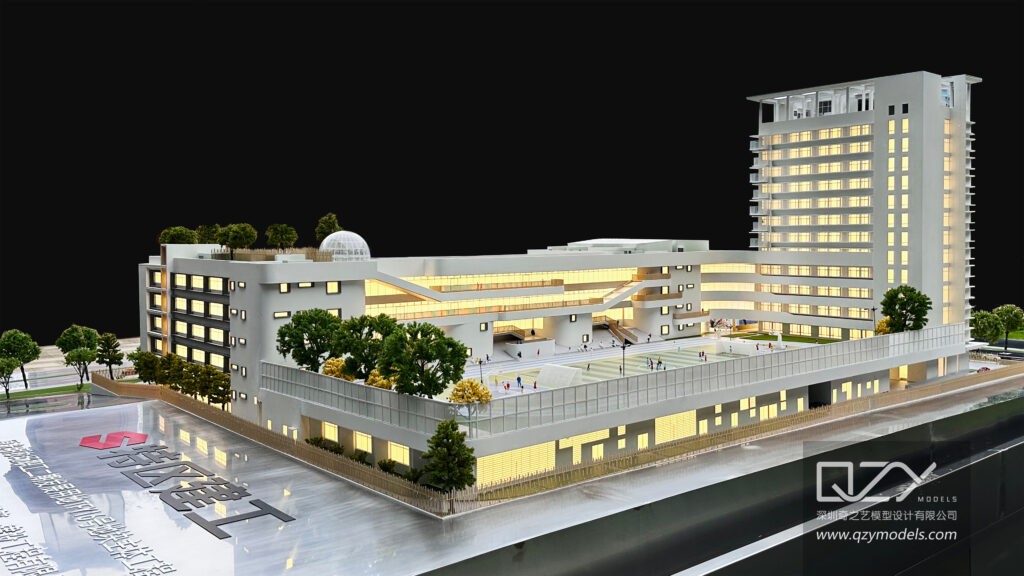
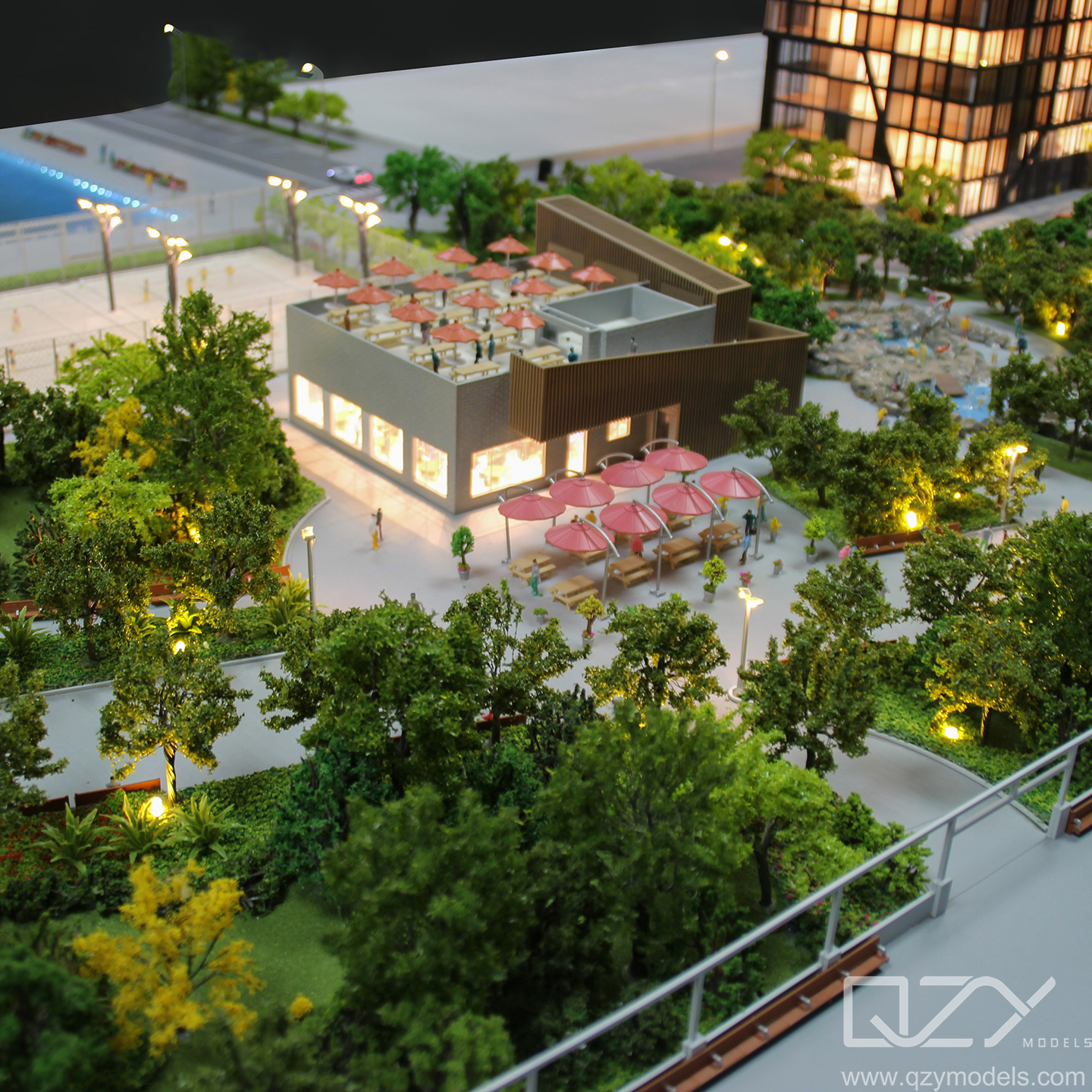
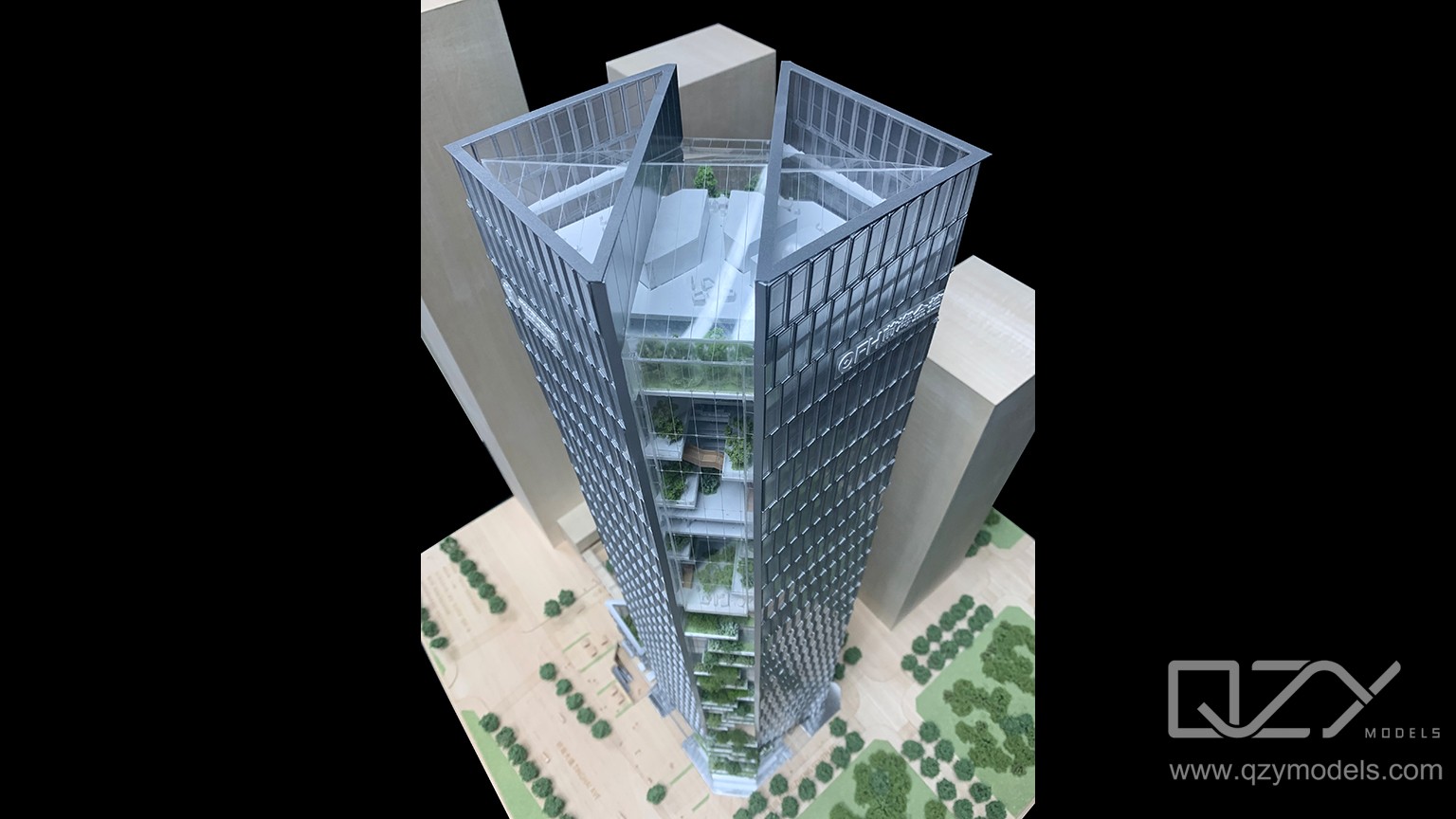
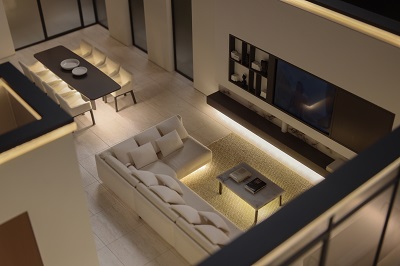
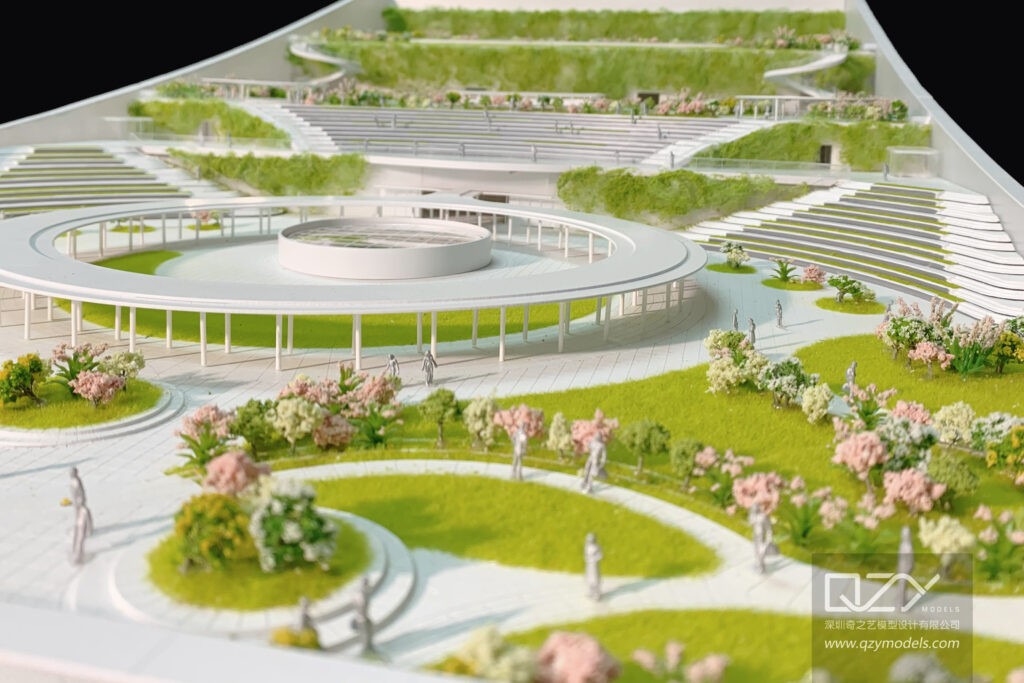
Design validation of custom architectural models is the process of verifying and ensuring that physical scale models accurately represent architectural designs, meet project requirements, and support effective decision-making. It helps detect design flaws early, coordinates stakeholder input, and enhances communication for successful project delivery. Also check: Custom Architectural Models
What Is Design Validation in Custom Architectural Models?
Design validation in custom architectural models involves checking models for accuracy, completeness, and adherence to architectural intent. This process ensures that the physical model reflects design specifications, spatial relationships, materials, and aesthetic features precisely, allowing architects and clients to assess feasibility and make informed decisions.
QZY Models specializes in delivering rigorously validated custom architectural models that serve as reliable tools for design review and presentation.
How Does Design Validation Improve Architectural Model Accuracy?
Design validation enhances accuracy by incorporating multi-stage reviews, dimensional checks, and material verifications aligned with project documentation and BIM data. This continuous feedback loop detects discrepancies early, minimizing costly revisions. Advanced technologies like 3D scanning and digital rendering supplement physical inspections for enhanced precision.
QZY Models integrates cutting-edge validation techniques with craftsmanship to ensure every model is a faithful scale representation of the architectural vision.
Why Is Design Validation Critical for Custom Architectural Models?
Design validation is critical because it identifies structural, spatial, or aesthetic issues before construction begins. It facilitates collaboration among architects, engineers, and clients, reducing miscommunication risks. Validation assures stakeholders that the design is viable, cost-efficient, and meets regulatory standards.
QZY Models emphasizes validation to optimize project coordination and improve decision-making confidence through tangible, accurate models.
Which Techniques Are Used for Design Validation of Custom Models?
Techniques for design validation include:
-
Dimensional and scaling checks against CAD or BIM files.
-
Material and color matching to design specifications.
-
Physical and digital clash detection to identify overlaps and conflicts.
-
Scenario-based model reviews for functional assessment.
-
Peer reviews and stakeholder walkthroughs.
QZY Models employs a comprehensive approach combining traditional craftsmanship with digital technologies to deliver validated, high-quality models.
How Does Custom Architectural Model Validation Support Project Communication?
Validated models act as visual communication tools bridging the gap between technical designs and stakeholder understanding. They enable clients and decision-makers to visualize spatial context and aesthetics, facilitating feedback, approvals, and design refinements. This reduces ambiguity and accelerates project timelines.
QZY Models crafts models with high fidelity to support effective presentations and collaborative engagement.
Where Are Custom Architectural Models Used After Validation?
Validated custom architectural models are used at various stages including design presentations, client approvals, marketing campaigns, public consultations, and construction coordination. Their accuracy ensures relevance from concept through build, supporting informed decision-making.
QZY Models provides models tailored to each phase, ensuring continuous utility and impact throughout project lifecycles.
Who Is Responsible for Design Validation in Architectural Modeling?
Design validation is a collaborative effort involving architects, model makers, project managers, and clients. Architects provide design intent and specifications; model makers perform detailed fabrication and quality checks; project managers oversee process integration; clients provide feedback for final adjustments.
QZY Models’ expert team works closely with all stakeholders to guarantee validated model quality and relevance.
When Should Design Validation Be Conducted During Model Production?
Design validation should occur throughout model production—starting with initial design reviews, continuing during fabrication phases, and final inspections before delivery. Early and frequent validation prevents errors, ensures alignment with client expectations, and facilitates timely adjustments.
QZY Models implements strict validation protocols at every stage to deliver precise, high-quality architectural models.
Can Design Validation Detect Construction Feasibility Issues?
Yes, validated architectural models can reveal spatial conflicts, structural challenges, and material constraints that might complicate construction. This early detection allows teams to resolve issues proactively, reducing change orders and cost overruns.
QZY Models’ thorough validation process supports risk mitigation by highlighting potential construction difficulties well in advance.
Are Digital Tools Involved in Custom Architectural Model Validation?
Digital tools such as 3D CAD software, BIM platforms, laser scanning, and augmented reality assist validation by providing accurate references, clash detection, and visualization enhancements. These tools complement manual inspections and ensure models align perfectly with digital architectural data.
QZY Models combines these advanced technologies with traditional model making expertise for comprehensive validation.
Table: Key Phases and Activities in Custom Architectural Model Design Validation
| Phase | Validation Activities | QZY Models Approach |
|---|---|---|
| Initial Review | Design intent verification, blueprint checks | Close coordination with architects |
| Fabrication | Dimensional and material matching inspections | Precise craftsmanship and measuring |
| Digital Check | Clash detection, BIM data comparison | State-of-the-art 3D scanning and CAD |
| Final Inspection | Client walkthroughs, spatial and aesthetic evaluation | Collaborative review sessions |
| Delivery & Feedback | Post-delivery adjustments and quality report | Client-focused service and revisions |
Chart: Benefits of Effective Design Validation in Architectural Modeling
-
Early problem detection
-
Improved stakeholder communication
-
Reduced project costs
-
Enhanced design quality
-
Facilitated regulatory approval
QZY Models Expert Views
“At QZY Models, design validation is fundamental to our model-making philosophy. We blend meticulous manual craftsmanship with advanced digital verification tools to ensure every model we produce is a precise, faithful representation of the architectural vision. This validation process not only minimizes project risks but also enhances collaborative decision-making, thereby elevating the overall project outcome and client satisfaction.”
— Richie Ren, Founder of QZY Models
Conclusion
Design validation is essential for custom architectural models to guarantee design accuracy, functional feasibility, and client satisfaction. Through a combination of rigorous checks, collaboration, and modern technologies, validated models become indispensable tools in architectural projects. QZY Models exemplifies excellence in this process, providing clients worldwide with trusted, high-quality custom models.
FAQs
What Standards Govern Design Validation of Custom Architectural Models?
Design validation follows client drawings, local building codes, scale accuracy rules, and internal quality control standards. Teams verify CAD data, material specs, and structural logic before fabrication. At QZY Models, validation includes multi stage review, tolerance checks, and documented approvals to ensure compliance, precision, and smooth project delivery.
How Is Dimensional Accuracy Verified in Custom Architectural Models?
Dimensional accuracy is verified by comparing the physical model against original CAD files using calibrated measurement tools and tolerance benchmarks. Scale ratios are rechecked at every stage, from structure to façade details. Prototype components are tested before assembly to prevent cumulative errors and ensure exact real world representation.
How Do You Validate Client Requirements in Bespoke Architectural Models?
Client requirement validation starts with detailed scope mapping against drawings, renderings, and material references. Teams conduct pre production review meetings, confirm scale, lighting, and finish expectations, and secure written approvals. This structured validation reduces revisions and ensures the final model aligns perfectly with the client vision.
How Do You Align CAD Designs with Physical Architectural Models?
Alignment is achieved through CAD cross checking, 3D file verification, and digital to physical tolerance comparison. Laser cutting data, CNC outputs, and 3D prints are reviewed against source files before assembly. At QZY Models, technicians conduct staged inspections to ensure geometry, proportions, and façade detailing match the approved design precisely.
How Is Material Suitability Tested in Custom Architectural Models?
Material validation involves testing strength, stability, surface finish quality, and environmental resistance. Samples are reviewed for warping, bonding reliability, and color consistency under lighting conditions. Selecting the right acrylics, resins, woods, or composites ensures durability, visual realism, and long term structural integrity.
What Should a Quality Assurance Checklist Include for Model Validation?
A strong quality assurance checklist covers dimensional verification, structural stability, lighting functionality, surface detailing, and packaging safety. It also includes documentation review and final client approval confirmation. This systematic process minimizes defects, ensures presentation readiness, and protects delivery timelines.
How Does Design Validation Reduce Risks in Custom Architectural Models?
Design validation identifies scale inconsistencies, structural weaknesses, and design misinterpretations before fabrication. By implementing milestone reviews, prototype testing, and approval checkpoints, teams reduce rework costs and schedule delays. Early validation safeguards budgets and ensures predictable, professional project outcomes.
Why Is Design Validation Critical for Large Scale Custom Architectural Models?
For large scale models, validation ensures structural stability, precise scaling, and safe transportation. Load bearing elements, lighting systems, and modular assembly points are tested in advance. Rigorous validation guarantees durability, flawless presentation impact, and reliable installation for exhibitions, developers, and government projects.