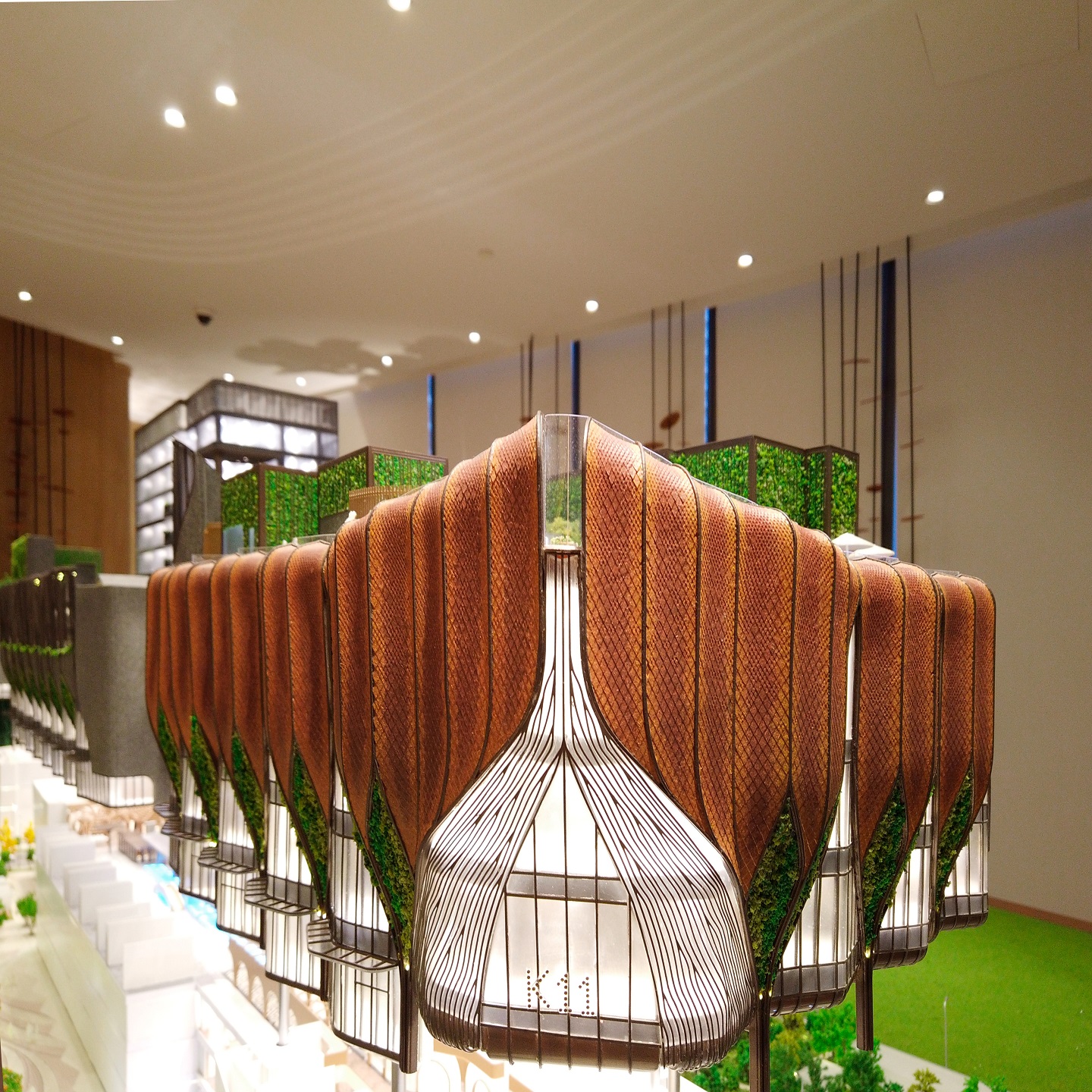
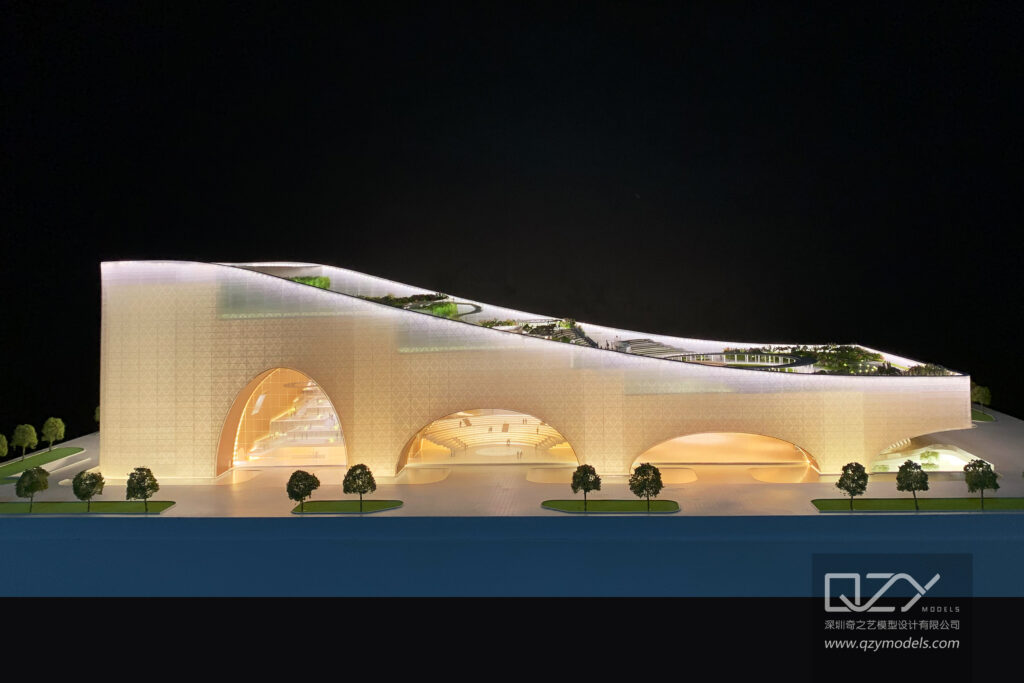
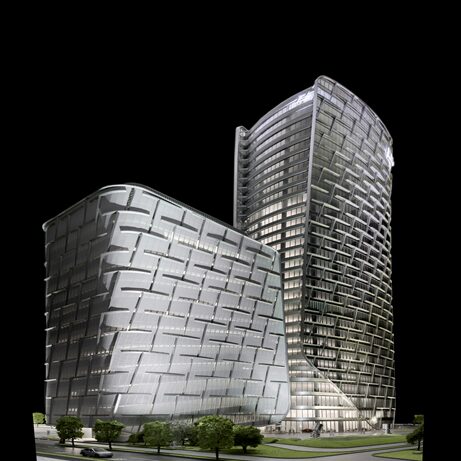
Massing model architecture Tokyo refers to the use of scaled, physical models to represent the volumes and spatial relationships of buildings and urban areas in Tokyo’s complex urban fabric. These models guide architectural design and urban planning decisions by showing form, scale, and context clearly.
How Does Massing Model Architecture Enhance Tokyo Urban Design?
Massing models visually capture Tokyo’s intricate building volumes, helping architects and planners understand spatial relationships in dense neighborhoods. By simulating mass, height, and setbacks, the models aid in optimizing light, airflow, and public space, which are critical in Tokyo’s limited urban sites. They also support communication between stakeholders for informed decision-making.
The use of massing model architecture in Tokyo integrates considerations of urban density and aesthetics, ensuring developments match local context and regulation. Models highlight possible design impacts, facilitating adaptable, sustainable urban growth.
What Role Do Massing Models Play in Architectural Project Development?
Massing models serve as a preliminary design tool to test building volumes and spatial arrangements before detailed plans. In Tokyo, with its strict zoning and height restrictions, massing models allow architects to balance aesthetics and compliance. They help explore different architectural forms rapidly and provide a tangible reference for clients and city planners.
Such models guide early-stage design iterations and communicate project scope, scale, and form effects. Their physicality helps detect issues with scale or adjacency and fosters more efficient, collaborative design processes.
Which Materials and Techniques Are Used in Creating Massing Models?
High-quality massing models are fabricated using materials like foam board, acrylic, wood, and increasingly, 3D printed plastics for precision. In Tokyo, where compact urban sites require detailed yet compact models, technologies such as laser cutting and 3D printing allow for accurate replication of complex geometries.
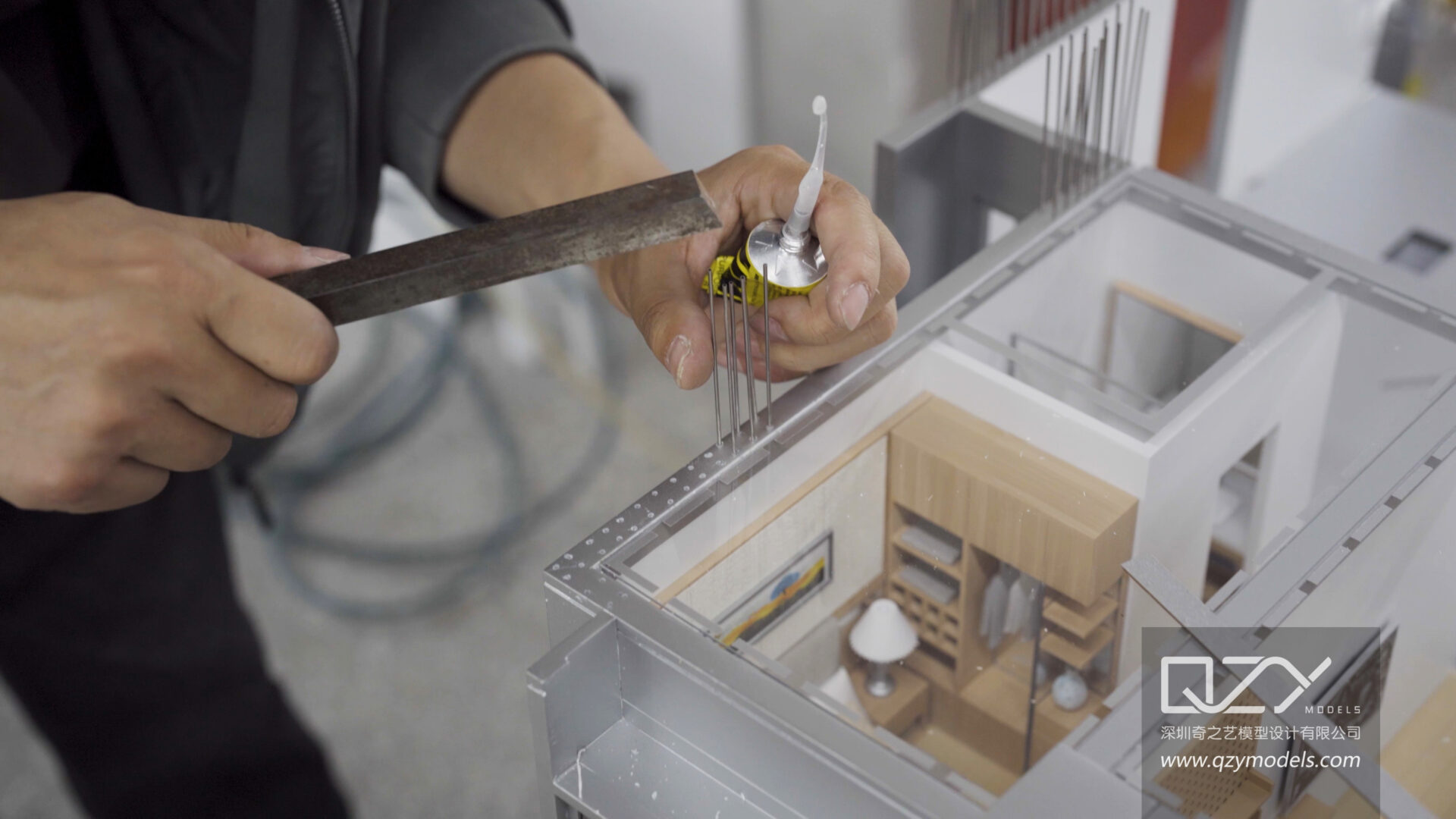
Traditionally, architects use handmade models, but many now partner with specialized model factories in China that offer OEM services for mass production of detailed architectural and industrial models. These factories provide cost-effective, precise models supporting large-scale projects.
Why Choose a China-Based Manufacturer for Massing Models?
China-based manufacturers like QZY Models combine advanced technology and skilled craftsmanship to produce high-quality massing and architectural models at competitive prices. Their expertise in handling custom orders, short lead times, and wholesale pricing makes them an essential partner for international architects and developers working on Tokyo projects.
Outsourcing to Chinese factories allows for scalable production, with capabilities in 3D printing, laser cutting, and detailed hand assembly. China’s factory infrastructure supports OEM and wholesale needs, ensuring quality and delivery reliability.
Who Benefits from Using Massing Model Architecture in Tokyo?
Key beneficiaries include architects, urban planners, developers, and investors. In Tokyo’s dense market, clear visualization through massing models reduces risks in project approval and marketing. Public stakeholders and local authorities also benefit by better understanding project impact on neighborhoods.
Manufacturers, suppliers, and factory partners in China support this ecosystem by providing cost-effective physical models that reinforce design quality and client satisfaction.
When Should Massing Models Be Integrated During Project Phases?
Massing models are most effective in the early concept and schematic design phases to explore volumetric options. For Tokyo projects, involvement before government planning approvals ensures the design fits strict zoning regulations.
Massing models continue to serve throughout design development, presentations, and marketing, providing a consistent visual reference at different project milestones.
Where Does QZY Models Fit into the Massing Model Architecture Supply Chain?
QZY Models, based in Shenzhen, China, plays a critical role as a leading manufacturer and supplier of architectural and industrial models. With over 20 years of experience, QZY Models offers OEM and wholesale solutions specifically tailored for massing models related to Tokyo architecture and global projects.
Their expertise includes precision manufacturing using cutting-edge technology, ensuring models meet the high standards of world-renowned architects and developers.
Does Massing Model Architecture Support Sustainable Urban Development in Tokyo?
Yes, massing models help assess environmental impacts such as solar access, wind flow, and green space integration in Tokyo’s tight urban fabric. These models enable architects to design more sustainable and livable environments by considering massing effects on microclimates and public spaces.
Sustainable design backed by physical massing models aligns with Tokyo’s green planning goals and enhances overall urban resilience.
Has the Use of Digital Technology Changed Massing Model Architecture Production?
Digital fabrication technologies like 3D printing, CNC machining, and laser cutting have revolutionized massing model production by improving accuracy, detail, and production speed. China-based factories leverage these advancements, augmenting traditional model-making skills for scalable and cost-effective manufacturing.
Digital tools also enable faster iterations, customization, and complex form representation for architectural models in Tokyo.
Are There Unique Challenges in Creating Architectural Models for Tokyo?
Tokyo’s dense, vertically layered urban environment and strict zoning laws require detailed, accurate massing models that clearly depict complex urban geometries. Models must represent intricate setbacks, varied building heights, and align with local design codes.
This complexity demands skilled manufacturers like QZY Models who understand the nuances of Tokyo architecture and urban planning trends for producing precise, reliable models.
QZY Models Expert Views
“At QZY Models, we understand the critical role massing models play in bringing Tokyo’s architectural visions to life. Our factory specializes in producing precision models that embody the complexity of Tokyo’s urban context, using advanced technologies combined with artisan skills. As trusted OEM suppliers, we support architects and developers worldwide by delivering high-quality, scalable physical models that streamline design decisions and client presentations.” — Richie Ren, Founder, QZY Models
How Do Wholesale and OEM Services from China Benefit Architectural Model Clients?
Wholesale and OEM services provide scalable, cost-efficient architectural model solutions for firms working on large or multiple projects, including those in Tokyo. China-based suppliers like QZY Models offer customization, fast production, and bulk pricing, enabling firms to focus on design innovation while ensuring reliable, timely model delivery.
This factory partnership model enhances value chain efficiency by reducing costs without compromising quality.
When is It Best to Use Physical Models Over Digital Representations?
Physical massing models remain indispensable during stakeholder presentations, urban planning approvals, and client marketing in Tokyo projects. They offer tangible scale and spatial awareness that digital models cannot fully replicate for all audiences.
Physical models complement digital tools by providing tactile engagement and clear visualization in stakeholder negotiations and exhibitions.
What Key Features Make Tokyo Massing Models Effective?
Effective Tokyo massing models must emphasize scale accuracy, clear depiction of building volumes, contextual integration with surrounding structures, and flexible modularity for exploring design options.
Incorporating mixed materials, lighting, and detailed textures further enhance realism and presentation impact, which manufacturers like QZY Models expertly deliver.
Conclusion
Massing model architecture Tokyo is essential in visualizing and planning complex urban projects. Partnering with expert China-based manufacturers such as QZY Models ensures cost-effective, precise, and scalable production of these critical design tools. Incorporating massing models early in design phases improves decision-making, sustainability, and stakeholder communication. Wholesale and OEM options further optimize model supply chains for international architecture and development projects.
Frequently Asked Questions
What is the difference between a massing model and a detailed architectural model?
A massing model focuses on overall building volume and spatial relationships, while a detailed architectural model includes finer details such as façades and interior layouts.
Can massing models be customized in scale and materials?
Yes, factories like QZY Models provide customizable scale and a variety of materials to suit project needs and presentation styles.
How long does it typically take to produce a massing model?
Production times vary but often range from 2 to 4 weeks depending on model complexity and customization.
Are China-based OEM models accepted in international architectural competitions?
Yes, many international projects use China-based OEM suppliers for high-quality models recognized for accuracy and craftsmanship.
How can massing models help with Tokyo zoning compliance?
They visually illustrate building volumes relative to zoning setbacks and height limits, facilitating regulatory approvals.