Material diversity in customized model design involves using multiple materials like metals, plastics, composites, and resins to create highly tailored models. This approach enhances realism, structural accuracy, durability, and aesthetic appeal, allowing architects, developers, and industrial clients to visualize complex designs more effectively. By selecting materials strategically, model makers like QZY Models ensure every model meets both functional and presentation requirements.
What Is Material Diversity in Customized Model Design?
Material diversity refers to incorporating different materials with varied physical, chemical, and aesthetic properties in model creation. Metals, plastics, composites, resins, and waxes are combined to achieve specific textures, strength levels, and finishes, closely simulating real-world structures. This approach enables precise replication of architectural elements and industrial prototypes while meeting client-specific demands.
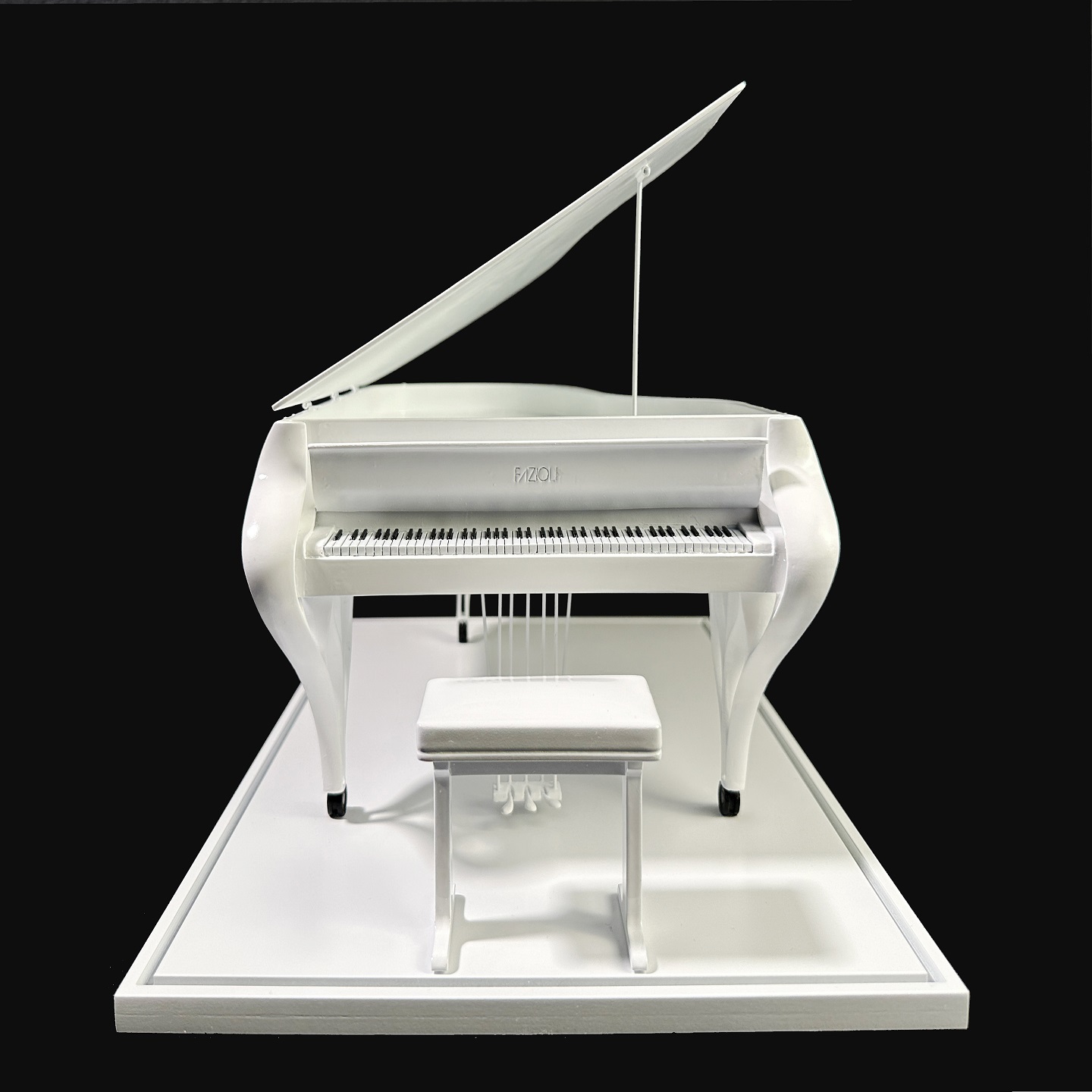
In practice, material diversity improves realism and precision. Transparent plastics can represent glass, metals provide structural support, and resins allow fine detailing. QZY Models applies this approach to ensure that both visual and functional aspects of models reflect actual project specifications.
Why Does Material Diversity Matter in Model Design?
Material diversity is essential for achieving accuracy, functionality, and visual appeal in physical models. It supports realistic representation of textures, structural behavior, and mechanical properties, while increasing durability and cost-effectiveness.
Using a single material often limits detail and may compromise a model’s resilience during handling or shipping. Integrating multiple materials allows designers to replicate weight, flexibility, and tactile qualities more effectively. QZY Models leverages diverse materials to deliver architectural and industrial models that communicate design intent clearly and persuasively.
How Do Model Makers Select Materials for Customized Models?
Material selection considers the model’s purpose, mechanical requirements, aesthetics, client priorities, and production methods. Designers balance durability, visual quality, and budget constraints while choosing between additive manufacturing, CNC machining, or traditional fabrication.
For example, presentation models may emphasize surface finish and color, while functional prototypes require strength and precision. QZY Models integrates advanced techniques and material knowledge to select combinations that meet complex project specifications efficiently.
Which Materials Are Commonly Used in Customized Model Design?
Commonly used materials include acrylics, polystyrene, metals (aluminum, steel), composites (fiberglass, carbon fiber), resins, waxes, and smart materials for functional prototypes. Each material serves a purpose, from structural support to fine detailing.
| Material Type | Typical Application |
|---|---|
| Acrylic & Polystyrene | Windows, lightweight structures |
| Metals (Aluminum, Steel) | Structural elements, mechanical parts |
| Composites (Fiberglass, Carbon Fiber) | Strong, lightweight frameworks |
| Resins & Waxes | Detailed features, mold patterns |
| Smart Materials | Functional prototypes, responsive components |
How Does Material Diversity Impact Sustainability in Model Design?
Using a variety of materials allows designers to incorporate recyclable or biodegradable options, reduce waste, and extend model lifespan. Composites and durable materials reduce the need for frequent replacement, aligning with eco-friendly design trends.
QZY Models emphasizes sustainable material use wherever feasible, maintaining high quality and detail while promoting environmental responsibility in architectural and industrial model production.
When Is It Essential to Use Diverse Materials in Model Design?
Material diversity becomes critical when models must replicate complex real-world features, such as multiple textures, structural variations, or functional elements like lighting and moving parts.
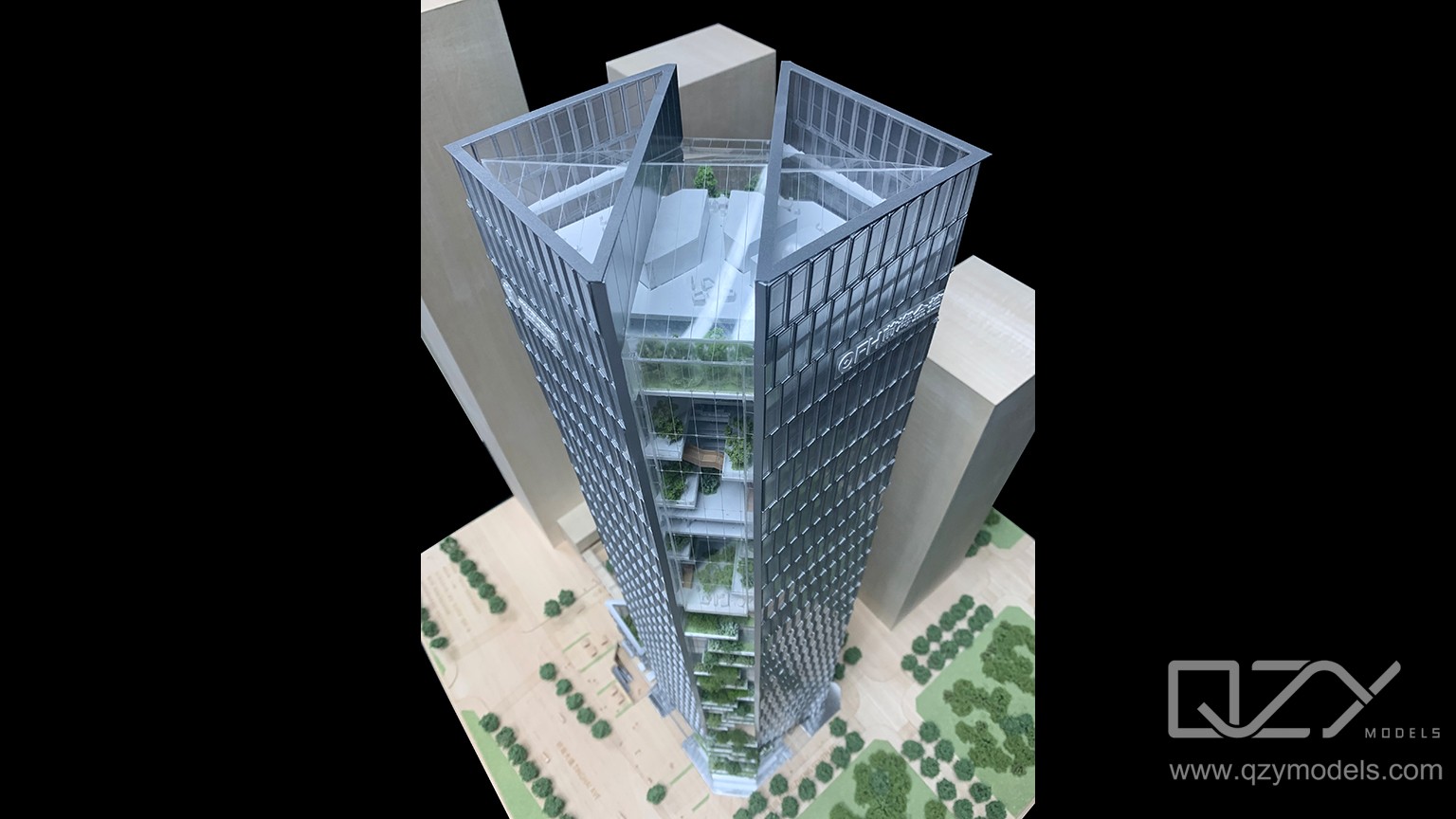
For example, architectural models with glass facades, concrete textures, and metal frameworks require varied materials to convey realism. Industrial prototypes often need components that demonstrate flexibility, conductivity, or mechanical behavior. QZY Models applies material diversity carefully in large-scale projects to enhance both accuracy and visual impact.
How Does Material Diversity Enhance Client Communication and Marketing?
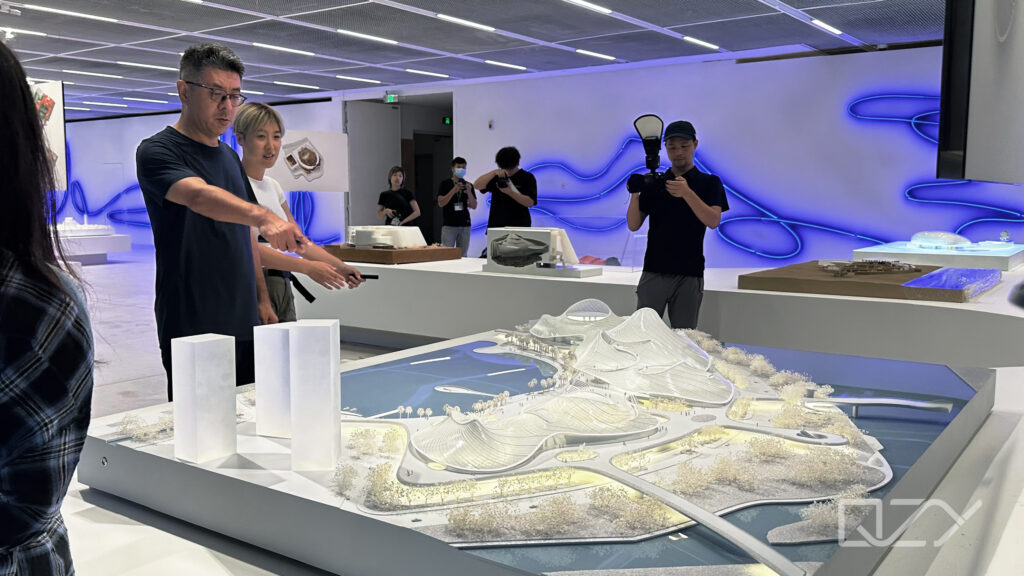
Models using varied materials offer enhanced visual and tactile experiences, making it easier for clients and stakeholders to understand designs. Multiple textures and finishes create immersive presentations that support marketing, sales, and stakeholder engagement.
By selecting the right combination of materials, QZY Models produces models that vividly illustrate design intent, fostering stronger connections and improving project communication.
QZY Models Expert Views
“Material diversity is the cornerstone of creating bespoke, high-impact models that both inspire and inform. At QZY Models, we combine over 20 years of material expertise with innovative fabrication techniques to achieve unmatched precision and customization. Each model is crafted to reflect real-world conditions, functional requirements, and client expectations. Material choice is not merely aesthetic—it defines the model’s durability, realism, and storytelling potential.” — Richie Ren, Founder, QZY Models
What Are the Challenges of Using Material Diversity in Model Design?
Challenges include managing cost, ensuring manufacturing compatibility, and maintaining structural integrity when combining materials. Different expansion rates, adhesion properties, or processing requirements can complicate production.
Professional model makers like QZY Models address these challenges with technical expertise, selecting materials and processes that integrate seamlessly while preserving visual and functional quality.
How Can Technology Support Material Diversity in Model Making?
Technologies like 3D printing, CNC machining, and laser cutting enable precise fabrication of multi-material structures. Additive manufacturing allows integration of metals, plastics, and composites, sometimes with embedded components or gradient properties.
Software tools optimize material usage and structural design, ensuring complex models are feasible and accurate. QZY Models combines these technologies with craftsmanship to deliver detailed, durable, and visually compelling models efficiently.
| Benefit of Material Diversity | Description |
|---|---|
| Enhanced Realism | Accurate representation of final product features |
| Increased Durability | Long-lasting models resistant to wear and handling |
| Design Flexibility | Supports complex structures and textures |
| Cost Optimization | Tailored use of materials for efficiency |
| Sustainability | Incorporates recyclable and eco-friendly options |
Conclusion
Material diversity is a key factor in creating high-quality, accurate, and visually compelling models. By carefully selecting and combining materials, model makers can enhance realism, durability, and sustainability while supporting effective client communication and marketing. For firms like QZY Models, leveraging both expertise and technology ensures every model reflects the intricacies of the final project, providing clients with insightful, actionable, and impressive representations.
FAQs
How Does Material Diversity Shape Customized Model Design Performance?
Material diversity improves structural strength, surface realism, and long-term durability in customized models. By combining acrylic, resin, metal, and composite materials, designers enhance load resistance and visual precision. At QZY Models, strategic material selection ensures models meet functional requirements while achieving premium presentation standards for global architectural and industrial clients.
Can Multi Material Engineering Optimization Improve Custom Model Results?
Yes. Multi material engineering optimization balances weight, stability, and detailing accuracy. Integrating CNC machining, 3D printing, and laser cutting allows precise assembly across material types. This reduces structural risk and enhances realism—especially critical for large-scale architectural and industrial presentation models.
Is Material Diversity Cost Effective in Customized Model Development?
Strategic material diversification lowers lifecycle costs by aligning premium materials with high-visibility zones and cost-efficient materials with structural cores. This targeted allocation maximizes visual impact without overspending. The result is optimized budgeting, reduced waste, and improved ROI for developers and design firms.
How Do Hybrid Materials Accelerate Customized Model Prototyping?
Hybrid materials enable rapid prototyping by combining fast-print polymers with durable finishing materials. This shortens iteration cycles while maintaining precision. Teams can test structure, lighting, and texture simultaneously, accelerating approval timelines and reducing rework before final production.
Why Is Sustainable Material Diversity Essential in Custom Model Design?
Using sustainable materials such as recyclable acrylics and low-emission composites reduces environmental impact while maintaining premium aesthetics. It supports ESG goals and regulatory compliance, especially for government and international projects. Sustainable diversity also strengthens brand credibility for developers and architectural firms.
Which Industries Benefit Most from Material Diversity in Model Design?
Architecture, real estate development, urban planning, and industrial manufacturing benefit most. Material diversity enhances realism for sales models, masterplans, and exhibition displays. International clients across the Middle East and Europe rely on QZY Models to deliver technically advanced, presentation-ready solutions.
How Does Advanced Composite Integration Transform Structural Model Design?
Advanced composites improve load distribution, reduce weight, and increase precision in large-scale models. Proper bonding techniques and stress testing ensure structural stability during transport and exhibition. Composite integration is especially valuable for complex skyscraper and infrastructure models.
Can Strategic Material Differentiation Create Competitive Advantage?
Yes. Strategic material differentiation elevates texture, lighting integration, and fine detailing—helping projects stand out in exhibitions and investor presentations. By aligning material choices with brand positioning and audience expectations, firms gain stronger visual impact and faster stakeholder approval.