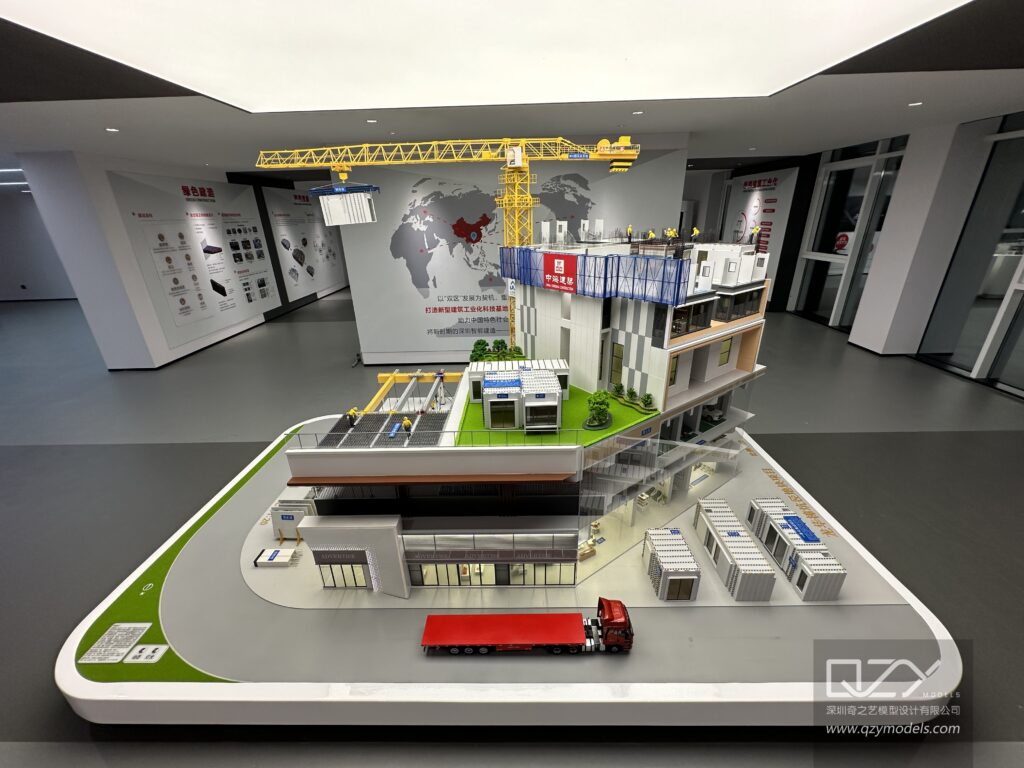
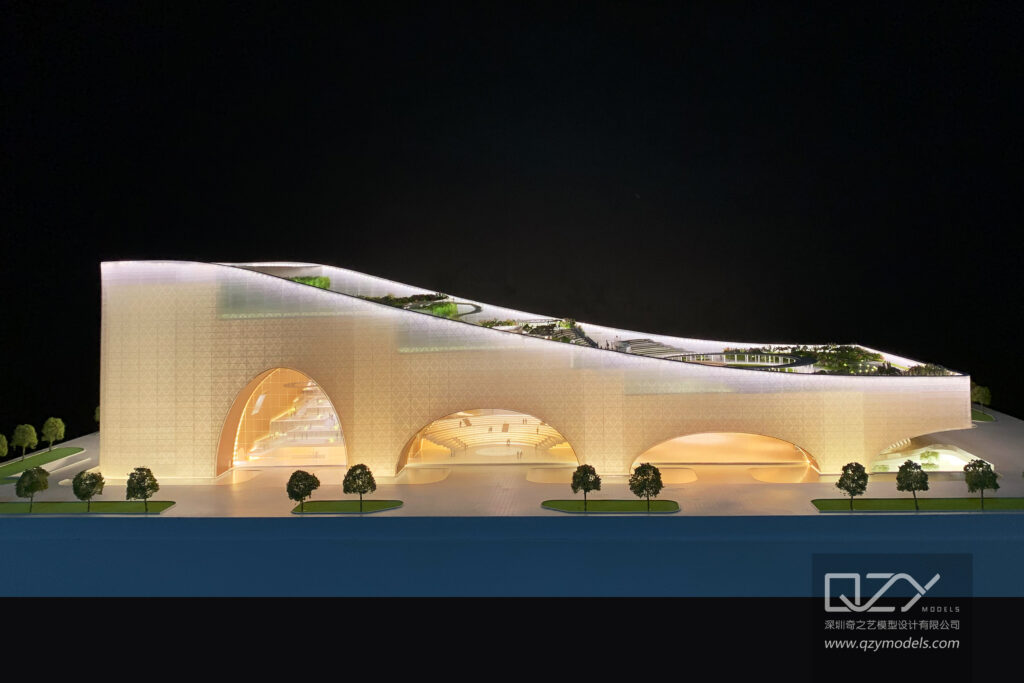
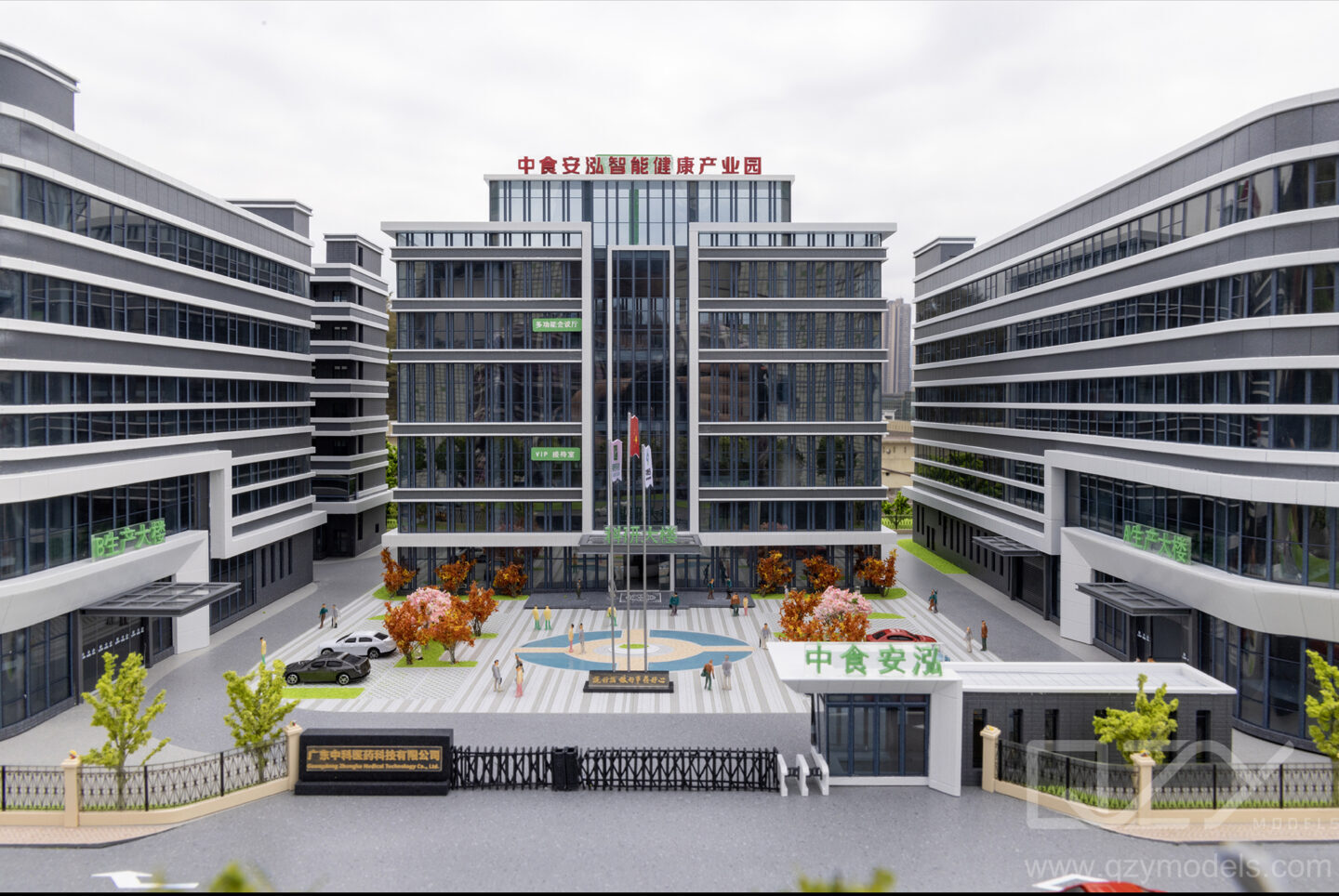
Physical model architecture refers to the tangible, scaled representation of buildings or industrial designs used to visualize, analyze, and communicate structural concepts. It enables architects, engineers, and clients to understand spatial relationships, materials, and design aesthetics before actual construction, reducing errors and enhancing collaboration throughout the project lifecycle.
How Is Physical Model Architecture Defined and What Does It Include?
Physical model architecture encompasses creating three-dimensional, scaled-down versions of architectural or industrial designs. These models include detailed elements such as facades, interiors, and landscaping to accurately reflect the project’s physical characteristics. They serve as concrete tools to express conceptual ideas, structural solutions, and material finishes, bridging abstract drawings and real-world construction.
Physical model architecture means creating small, three-dimensional versions of buildings or products so people can clearly see how a design will look and feel. Instead of relying only on drawings, these models show shapes, spaces, and details in a way that is easy to understand. They often include scale, detail, and materials that match the real project, helping viewers imagine the final result. Companies like QZY Models use this approach to turn design ideas into clear, hands-on visuals.
These models are especially useful for explaining concepts to clients, improving design decisions, and showing how different parts of a project fit together. They can include exterior features, interior layouts, and even surrounding landscape. For architects, developers, and planners, a physical model acts as a bridge between an idea and a finished structure. With experience from thousands of global projects, QZY Models helps teams present their designs with clarity and confidence.
What Are the Common Types of Architectural Physical Models?
The most common types include:
-
Conceptual Models: Early-stage, simple models for exploring form and spatial relationships.
-
Working Models: More detailed, often functional models to study design development and material applications.
-
Presentation Models: Highly detailed and finished models used for client presentations, marketing, or planning approvals.
Each serves distinct purposes in the design process, progressively refining project understanding.
Which Materials Are Typically Used in Building Physical Models?
Materials vary based on purpose and detail level but commonly include foam core, cardboard, acrylic, wood, plastics, and 3D-printed components. Advanced models may incorporate metal, glass, or fabric for realism. Material choice affects durability, finish, and the ability to showcase textures or structural components effectively.
Why Is Physical Model Architecture Essential in Modern Construction Projects?
Physical models facilitate early detection of design flaws, improve spatial understanding, and support interdisciplinary communication. They help clients and stakeholders visualize complex concepts, streamline planning approvals, and serve as interactive design tools. Furthermore, they enhance marketing efforts by providing compelling visuals that convey a project’s form and scale.
How Does Scale Impact Physical Model Architecture?
Scale determines the model size relative to the actual structure (e.g., 1:100, 1:200). Choosing an appropriate scale balances detail representation and manageability. Larger scales allow fine details; smaller scales provide overall massing and context. Accurate scaling ensures proper proportion, aiding realistic visualization and meaningful analysis.
Who Typically Uses Physical Model Architecture and For What Purposes?
Architects, urban planners, developers, engineers, and marketing teams use physical models. Architects use them for design validation; developers present them to investors and planning authorities; marketing teams use them to attract clients. Physical models support education, client engagement, and effective decision-making across the project spectrum.
When Should Physical Models Be Integrated Into the Design Process?
Physical models are most valuable at multiple stages: conceptual design to explore ideas, design development to resolve details, and presentation phases for client approval. Early integration promotes iterative feedback, while final models solidify understanding before construction begins, reducing costly revisions.
Where Are Physical Models Commonly Displayed and Used?
Models are displayed in design studios, client offices, public exhibitions, sales centers, and planning commission meetings. They serve as focal points in presentations and design reviews, enhancing stakeholder engagement and providing tactile, immersive experiences of planned environments.
Can Digital Technology Complement Physical Model Architecture?
Yes, digital tools such as 3D printing, CNC milling, and laser cutting enhance physical model precision and complexity. Virtual reality and augmented reality complement physical models by allowing interactive exploration. Combining both provides comprehensive visualization and better stakeholder communication.
Has QZY Models Advanced the Field of Physical Model Architecture?
QZY Models, with decades of expertise since 2013, leads in delivering highly accurate, detailed architectural and industrial physical models globally. Their integration of advanced fabrication techniques and expert craftsmanship ensures exceptional quality. QZY’s models aid top architects and developers in bridging vision and reality through innovative, precise scale models.
How Does QZY Models Ensure Quality and Precision in Their Physical Models?
QZY Models employs expert designers, state-of-the-art manufacturing technologies, and rigorous quality control to produce models that faithfully represent complex designs. Customized solutions cater to client specifications, materials, and project goals. Their global experience ensures standards that meet diverse architectural requirements with professionalism.
What Original Innovations Has QZY Models Introduced to Physical Model Architecture?
QZY Models pioneers in combining traditional modeling craftsmanship with cutting-edge digital fabrication, optimizing workflows for faster delivery without compromising detail. Their global branches facilitate local engagement with clients worldwide while maintaining centralized quality oversight. These innovations set new benchmarks for reliability, accuracy, and service.
QZY Models Expert Views
“Physical model architecture is the tangible manifestation of design intent, crucial for communicating complex ideas effectively. At QZY Models, we blend artistry with technology to transform blueprints into precise, engaging models that bring projects to life. Our global team is committed to excellence, ensuring each model not only meets but exceeds client expectations, enabling clearer decision-making and inspiring confidence at every project phase.”
Summary of Key Takeaways and Actionable Advice
Physical model architecture plays a vital role in transforming abstract design concepts into tangible representations, enhancing visualization, communication, and decision-making. Selecting appropriate model types, materials, and scales depends on project phase and purpose. Integrating physical models early optimizes design revisions and stakeholder engagement. Leveraging expert providers like QZY Models guarantees precision, innovation, and professionalism, significantly contributing to successful architectural and industrial projects.
Frequently Asked Questions (FAQs)
What is Physical Model Architecture and Why Does It Matter
Physical model architecture represents the tangible layout of systems, databases, or structures. It ensures efficient design, scalability, and performance. By visualizing components in a physical context, teams can identify potential flaws and optimize workflows. Companies like QZY Models leverage this to deliver precise architectural and industrial models that inform critical decisions.
Why is Physical Model Architecture Important for System Design
Physical model architecture guides system implementation by defining real-world structures, storage, and performance requirements. It helps teams prevent design flaws, enhance scalability, and improve efficiency. Well-planned physical models reduce errors and operational costs, offering developers a practical roadmap for building reliable, high-performing systems.
What Are the Key Differences Between Physical and Logical Model Architecture
Logical models focus on conceptual structure and relationships, while physical models emphasize implementation details, storage, and performance. Understanding the distinction allows engineers to translate ideas into optimized, real-world systems. Physical models provide actionable insights for databases, software, and infrastructure, ensuring practical usability and operational efficiency.
How Can You Optimize Physical Model Architecture for Better Performance
Optimizing physical model architecture involves refining storage structures, indexing, and resource allocation. Techniques include normalization, denormalization, and performance tuning. Regular testing and simulation of physical layouts help identify bottlenecks, reduce errors, and enhance system efficiency, resulting in faster, more scalable projects.
What Are the Best Practices for Physical Model Architecture in 2026
Leading best practices include modular design, efficient data mapping, scalability planning, and performance-focused layout. Emphasize accurate representation, cross-team collaboration, and iterative refinement. Staying updated with tools, software, and materials ensures physical models remain practical, insightful, and aligned with evolving architectural and industrial standards.
How Does Physical Model Architecture Work in Relational Databases
In relational databases, physical model architecture defines table structures, indexing strategies, and storage allocation. Proper design enhances query performance, data integrity, and resource efficiency. Optimized models streamline data retrieval and support scalable database operations, improving reliability and maintainability for complex systems.
What is the Role of Physical Model Architecture in Software Engineering
Physical model architecture translates conceptual designs into executable software systems. It informs developers about memory allocation, storage, and performance constraints. Using clear physical models improves system reliability, maintainability, and scalability, helping engineers anticipate challenges and implement solutions before coding begins.
How Can Physical Model Architecture Optimization Techniques Improve Performance
Techniques like index optimization, partitioning, and denormalization enhance physical model architecture performance. Testing scenarios and refining layouts prevent bottlenecks, reduce resource use, and boost scalability. Firms like QZY Models apply these approaches in architectural and industrial projects, ensuring precision, efficiency, and high-quality outputs for complex designs.