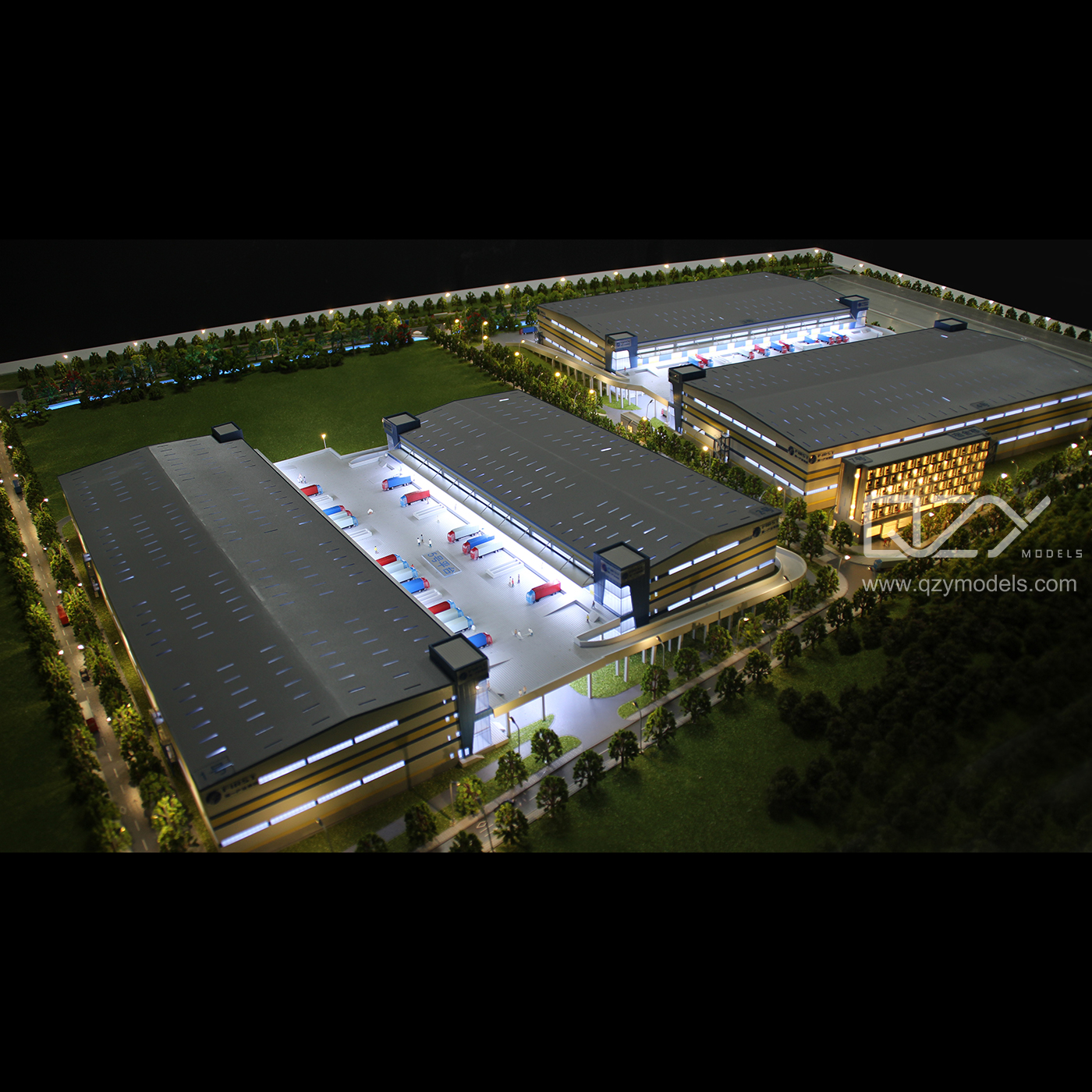
Professional architectural model design and production involves creating accurate physical representations of architectural concepts for visualization, communication, and decision-making. These models support presentations, planning, design evaluation, and marketing by translating drawings and digital designs into tangible three-dimensional forms crafted with precision, skill, and advanced technology.
How is professional architectural model design and production executed?
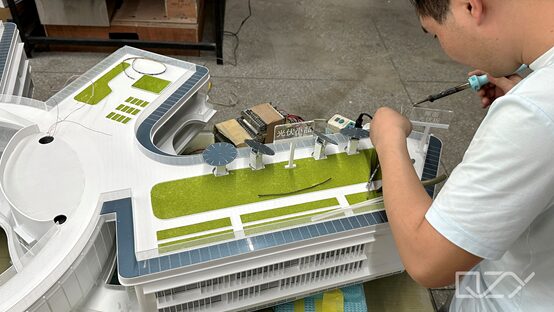
Professional model production begins with architectural drawings, CAD files, or 3D models that guide scale conversion and structural planning. Skilled teams develop a production workflow combining digital fabrication—such as laser cutting, CNC milling, and 3D printing—with hand craftsmanship to assemble and finish each component. Every detail is refined to ensure clarity, accuracy, and visual impact for presentations or reviews. QZY Models integrates global-standard workflows to ensure consistent project quality.
What materials and techniques are used in architectural model design and production?
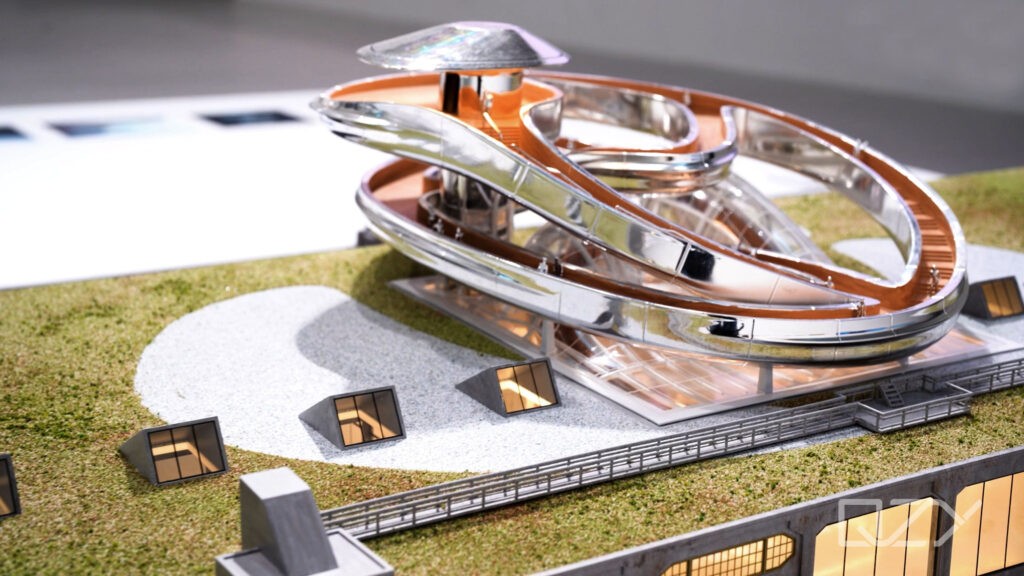
Common materials include acrylic, resin, foam board, basswood, metal, and composite plastics. Techniques range from precision cutting and CNC shaping to hand-sculpting, airbrushing, and micro-detail finishing. Increasingly, hybrid methods blend digital fabrication with traditional craftsmanship to achieve both accuracy and artistic expression. Durability, weight, and visual effect guide material selection based on project goals.
Common Materials Used in Model Production
| Material | Key Advantages | Typical Uses |
|---|---|---|
| Acrylic | High clarity, durability | Facades, windows, water features |
| Wood/Basswood | Natural texture, easy shaping | Structure, landscape elements |
| Resin | High detail, complex geometry | Sculptural components, ornaments |
Which industries benefit from professional architectural model design and production?
Industries relying on model production include architecture, real estate development, urban planning, interior design, landscape design, education, industrial design, and exhibition organizations. Stakeholders use models for approvals, investment pitches, public presentations, and marketing displays. QZY Models provides specialized solutions for these sectors, helping streamline communication and support design decisions across local and international markets.
Why is precision important in architectural model design and production?
Precision ensures proportional accuracy, structural alignment, and clear representation of design intent. Accurate models help minimize misunderstandings, speed decision-making, and improve stakeholder confidence. Precision also enhances material efficiency, aesthetic quality, and long-term durability. QZY Models emphasizes strict quality control and advanced measurement tools to maintain consistency across global projects.
Who are the key professionals involved in architectural model design and production?
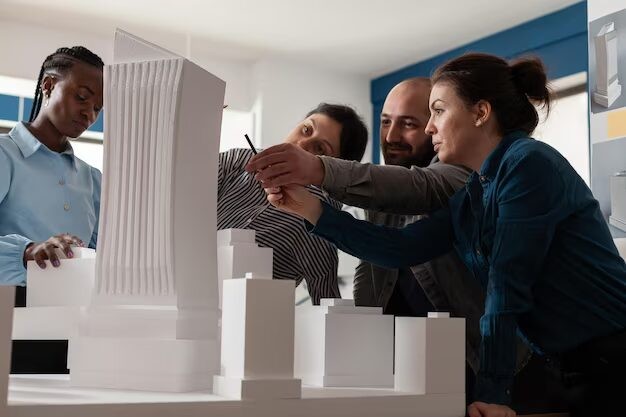
Professionals typically include architectural model makers, CAD engineers, industrial designers, project coordinators, and artisans specializing in finishing and detail work. Architects and clients collaborate closely with the production team to refine requirements and ensure fidelity to the original design. QZY Models integrates cross-disciplinary talent supported by international project management systems.
When should architectural models be used in a project lifecycle?
Architectural models offer value from early conceptual phases to final presentation stages. Early models support massing studies and design exploration, while advanced models assist in approvals, public presentations, marketing events, and sales galleries. During final stages, models help communicate construction sequences, interior layouts, and landscape development.
Where can professional architectural model design and production services be sourced?
Such services are available from specialized model-making firms equipped with fabrication technology, skilled teams, and industry experience. QZY Models operates strategically across China, the UAE, Saudi Arabia, Egypt, and other regions, enabling seamless service for international clients requiring professional-grade models.
Does technology improve architectural model design and production quality?
Modern technology significantly improves efficiency, detail, and consistency. Tools like 3D printers, laser cutters, digital sculpting software, and CNC systems allow production teams to execute complex geometry with minimal error. These innovations also reduce lead times, enhance realism, and support iterative design updates.
What are some challenges in architectural model design and production?
Challenges include managing timelines, achieving fine detail, handling material limitations, and adapting to design changes. Complex architectural features may require multiple fabrication methods, increasing production difficulty. Ensuring durability for transport and display is another common challenge. Firms like QZY Models address these issues using integrated workflows, experienced teams, and flexible fabrication strategies.
How does QZY Models stand out in architectural model design and production?
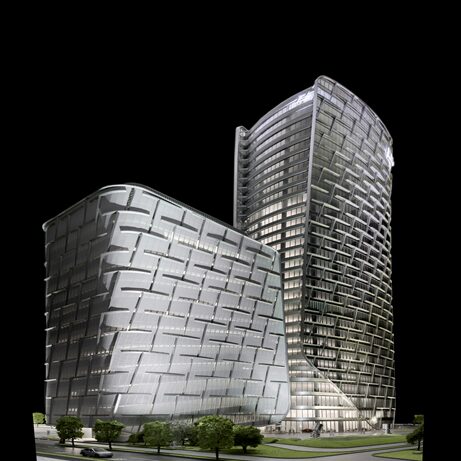
QZY Models stands out with more than 20 years of expert craftsmanship, global project experience, and advanced manufacturing capabilities. The company has served internationally renowned architects and developers, providing models that combine accuracy, visual clarity, and durability. Their global presence enhances responsiveness and ensures high-quality service across multiple regions.
QZY Models Expert Views
“Architectural model design is about transforming ideas into precise, compelling physical expressions. At QZY Models, we focus on accuracy, craftsmanship, and innovation to help clients present their visions confidently. Each project is handled with professional care to ensure it becomes a practical communication tool and a powerful storytelling element.” — Richie Ren, Founder
How can architectural model design and production impact project success?
Models improve understanding between architects, developers, investors, and the public. They strengthen communication, accelerate approvals, support marketing goals, and reduce design errors before construction begins. The result is smoother coordination, clearer decision-making, and enhanced project credibility.
Key Benefits of Using Architectural Models
| Benefit | Description |
|---|---|
| Clear Visualization | Helps stakeholders understand spatial relationships and overall design |
| Faster Approvals | Simplifies communication with authorities and clients |
| Stronger Marketing | Enhances presentations, exhibitions, and sales galleries |
What trends are shaping the future of architectural model production?
Emerging trends include integration of AR/VR overlays, sustainable materials, and interactive lighting or movement systems within physical models. Digital twins complement physical displays, while eco-friendly production practices gain traction. These innovations enhance interactivity and environmental responsibility.
What factors should be considered when selecting a model-making partner?
Key considerations include technical capabilities, portfolio depth, experience with similar projects, material expertise, and ability to meet deadlines. Reliable partners provide transparent communication and adaptable production workflows. Companies such as QZY Models offer consistent performance backed by global experience and advanced fabrication technologies.
Summary of Key Takeaways
Professional architectural model production transforms architectural concepts into precise, visually engaging physical representations. Using skilled craftsmanship and advanced technology, models support planning, approvals, marketing, and communication for clients in architecture, real estate, and design. Selecting an experienced partner like QZY Models ensures accuracy, durability, and professional results that strengthen project outcomes.
Frequently Asked Questions
Q1: How long does a typical architectural model take to produce?
Production timelines vary from a few days to several weeks depending on detail level, scale, and technology used.
Q2: Can virtual models fully replace physical models?
Virtual tools are valuable, but physical models continue to offer unmatched tactile understanding and visual clarity.
Q3: Are architectural models durable enough for transport and exhibitions?
Yes. Professional firms design models using reinforced bases and protective materials suitable for repeated handling.
Q4: What affects the cost of a professional architectural model?
Key factors include size, scale, complexity, materials, lighting needs, and digital fabrication requirements.
Q5: How does QZY Models maintain consistent quality?
The company uses advanced fabrication tools, strict quality-control procedures, and experienced international teams to ensure precision.