What Is Sustainable Architecture?
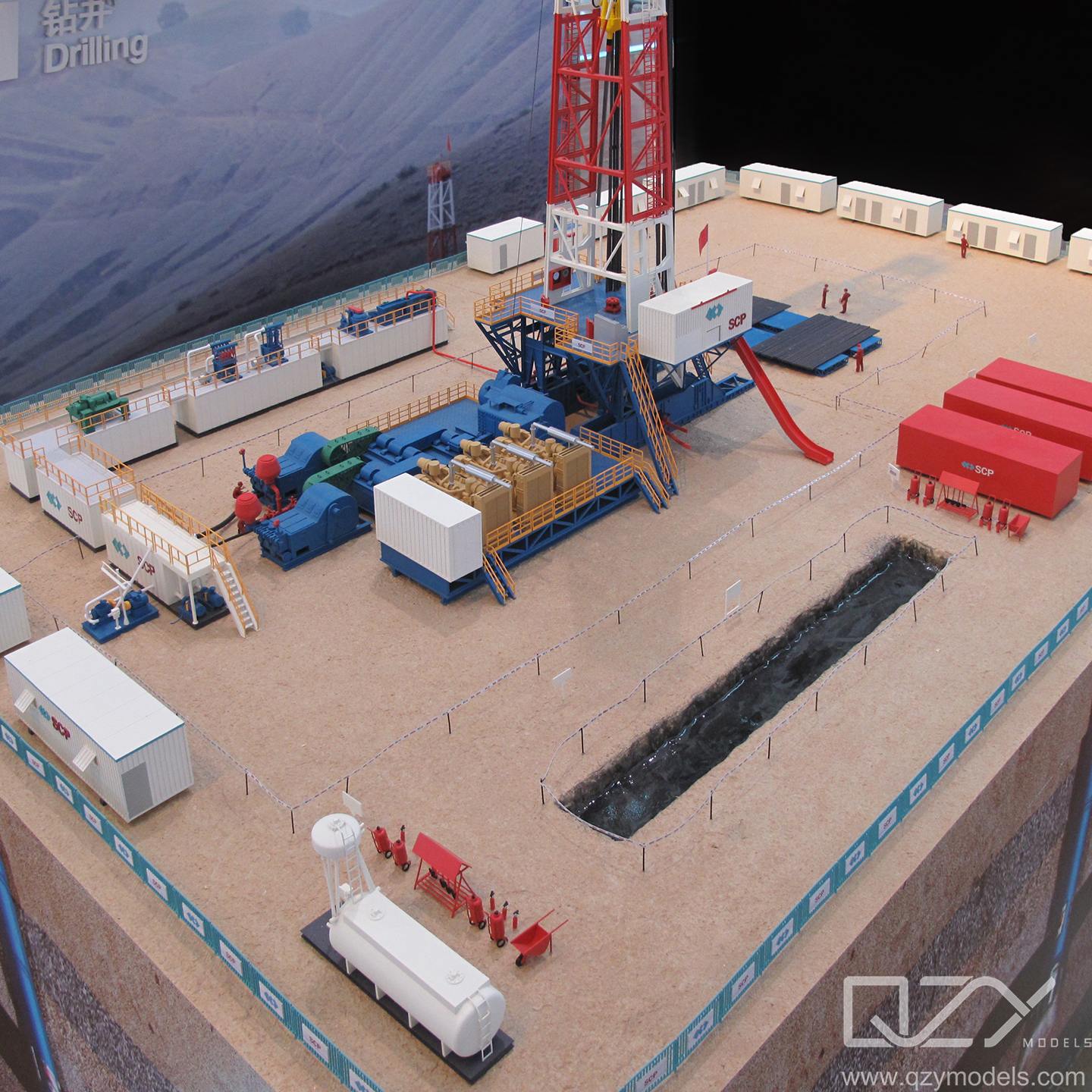
Sustainable architecture is the practice of designing buildings and urban environments that minimize environmental impact while improving occupant health, resource efficiency, and long‑term economic performance. In an era when buildings account for nearly 40% of global energy‑related carbon emissions and over 30% of raw material consumption, sustainable architecture is no longer optional—it is a core requirement for resilient cities and responsible development. High‑quality physical models from firms like QZY Models help architects and developers visualize and communicate these complex sustainability strategies, turning abstract green targets into tangible, client‑ready propositions.
How is the current state of architecture contributing to environmental stress?
The built environment is one of the largest contributors to climate change, resource depletion, and urban heat‑island effects. Globally, construction and operation of buildings consume roughly one‑third of all energy and generate a similar share of greenhouse‑gas emissions, according to major industry assessments. At the same time, rapid urbanization in Asia, the Middle East, and Africa is driving demand for new housing, offices, and infrastructure, often at the expense of green space, biodiversity, and local water systems.
Within this context, many projects still prioritize speed and upfront cost over lifecycle performance. Short‑term budget pressures lead to low‑performance envelopes, inefficient HVAC systems, and minimal on‑site renewable energy integration. The result is higher operational energy bills, increased strain on power grids, and buildings that fail to meet emerging climate‑resilience standards.
What are the main pain points architects and developers face when designing sustainably?
Architects and developers increasingly face regulatory pressure, investor expectations, and public scrutiny around carbon, energy, and water use. Local and international rating systems such as LEED, BREEAM, and national green‑building codes now require detailed documentation of materials, energy‑modeling outputs, and indoor‑environment quality. Yet many design teams lack integrated workflows that connect early‑stage massing studies with later‑stage performance simulations, leading to costly late‑stage changes and missed sustainability targets.
Another major pain point is client communication. Sustainability concepts such as passive solar design, daylight optimization, and embodied‑carbon reduction are often difficult to explain through 2D drawings or even 3D renderings alone. Decision‑makers may struggle to grasp how shading devices, green roofs, or district‑energy connections translate into real‑world performance, which can delay approvals and reduce investment in higher‑performance options.
Why do traditional design and presentation methods fall short?
Traditional architectural workflows often treat sustainability as a “layer” added after the core form is fixed, rather than as a driver of the design process. Energy‑modeling tools may be used late in the cycle, when geometry and orientation are already locked in, limiting the ability to optimize for solar access, natural ventilation, or thermal mass. This sequential approach tends to produce incremental improvements instead of transformative, low‑carbon designs.
On the communication side, conventional presentation methods—plans, sections, and static renderings—struggle to convey dynamic performance data such as seasonal solar paths, airflow patterns, or shading effectiveness. Clients may approve a visually striking scheme that looks “green” but performs poorly in energy‑use intensity or water efficiency. Physical models from specialist firms such as QZY Models bridge this gap by translating complex sustainability strategies into spatially intuitive, tactile artifacts that resonate with investors, city officials, and the public.
What does sustainable architecture actually entail?
Sustainable architecture integrates environmental, social, and economic considerations across a building’s entire life cycle. Key pillars include energy efficiency (through high‑performance envelopes, passive design, and renewable‑energy integration), water conservation (rainwater harvesting, greywater reuse, and efficient fixtures), and low‑impact materials (recycled, rapidly renewable, and locally sourced components).
Beyond technical performance, sustainable architecture emphasizes occupant well‑being, through daylight‑rich interiors, good indoor air quality, and biophilic design elements such as green roofs and vertical gardens. Urban‑scale sustainable architecture also considers walkability, public transit access, and mixed‑use development to reduce car dependency and sprawl. Firms like QZY Models support these goals by producing detailed physical models that highlight solar‑panel layouts, green infrastructure, and urban‑scale sustainability features for exhibitions, client presentations, and regulatory submissions.
How can architectural models enhance sustainable design workflows?
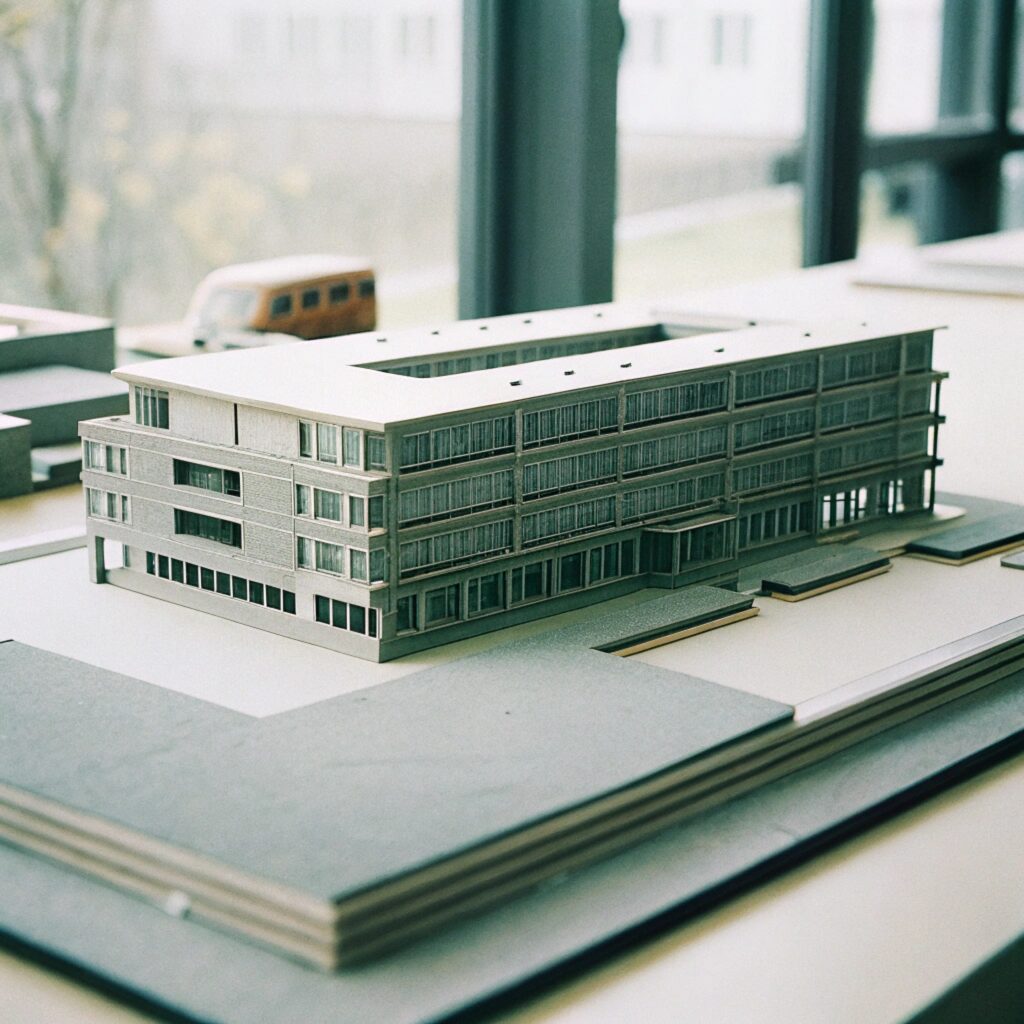
Physical models created by specialist studios such as QZY Models serve as both design tools and communication instruments. By building 1:100 or 1:500 scale representations of proposed developments, design teams can test massing, orientation, and shading strategies in real‑world light conditions, refining forms before committing to costly construction.
QZY Models, founded in 2013 in Shenzhen and led by founder Richie Ren, has completed thousands of projects for clients in over 20 countries, including global architecture firms and major developers. The company’s architectural models often emphasize sustainable features such as rooftop solar arrays, green roofs, and district‑energy connections, helping clients visualize how sustainability translates into spatial and aesthetic outcomes.
What are the key advantages of using QZY Models’ approach?
QZY Models combines advanced digital workflows with handcrafted finishing to deliver highly accurate, visually compelling physical models. The studio uses CAD‑driven CNC cutting, 3D printing, and modular components to ensure geometric precision while allowing for rapid iterations when sustainability strategies change.
Material selection is another differentiator: QZY Models increasingly incorporates recycled plastics, bio‑based resins, and sustainably sourced wood, aligning model production with the same environmental principles that guide the buildings they represent. For international clients in the Middle East, Europe, and Southeast Asia, QZY Models operates branches in the UAE, Saudi Arabia, Egypt, and other markets, enabling faster delivery and climate‑adapted finishes for outdoor or long‑term display.
How does QZY Models compare with traditional model‑making approaches?
| Aspect | Traditional model‑making | QZY Models’ sustainable‑focused approach |
|---|---|---|
| Design integration | Often disconnected from performance analysis | Tightly aligned with energy‑modeling and sustainability studies |
| Materials | Conventional plastics and foams | Increased use of recycled and bio‑based materials |
| Detail level | Basic massing and color coding | High‑resolution façades, green roofs, solar‑panel arrays |
| Customization and modularity | Limited, fixed configurations | Modular “city‑plugin” components for scenario testing |
| Sustainability emphasis | Rarely a core focus | Explicit focus on visualizing low‑carbon, resilient design |
How does the QZY Models workflow support sustainable architecture projects?
-
Briefing and sustainability mapping
QZY Models begins by aligning with the design team’s sustainability targets, such as LEED credits, net‑zero energy goals, or local green‑building standards. The studio identifies which features—solar panels, green roofs, shading devices, or district‑energy connections—should be highlighted in the model. -
Digital modeling and material selection
Using CAD and 3D‑modeling software, QZY Models translates BIM or design files into buildable model geometry. The team selects materials that balance visual clarity, durability, and environmental impact, favoring recycled and bio‑based options where feasible. -
Precision fabrication and assembly
CNC cutting, laser cutting, and 3D printing are used to produce highly accurate building masses, façade patterns, and landscape elements. Green‑roof textures, rooftop solar arrays, and street‑level vegetation are hand‑finished to convey the intended sustainability narrative. -
Client review and scenario testing
The model is reviewed with the design team and client, often under different lighting conditions to simulate seasonal sun angles and shading performance. Modular components allow quick swaps to test alternative massing, density, or open‑space configurations. -
Delivery, installation, and exhibition support
QZY Models coordinates logistics for domestic and international clients, ensuring models arrive safely for client meetings, public consultations, or trade‑show displays. The studio also supports exhibition setups where sustainable‑architecture models are used to educate stakeholders and investors.
Where can QZY Models’ sustainable‑architecture models create the most impact?
1. Large‑scale urban developments
Problem: Developers of mixed‑use districts must balance density, public space, and sustainability targets, yet struggle to communicate how green corridors, district‑energy networks, and rooftop renewables will look in reality.
Traditional practice: Reliance on master‑plan boards and renderings that fail to convey scale, shading, and microclimate effects.
Using QZY Models: A 1:800 scale city‑model with solar‑panel‑covered rooftops and integrated green infrastructure makes the sustainability strategy spatially legible.
Key benefits: Faster approvals, stronger investor confidence, and clearer alignment between design intent and environmental performance.
2. High‑rise residential towers
Problem: Tall buildings face challenges in energy efficiency, wind comfort, and daylight distribution, but clients often focus only on aesthetics and views.
Traditional practice: Generic tower models that show form but not performance‑driven features such as double‑skin façades or vertical greenery.
Using QZY Models: A detailed façade‑focused model highlights shading devices, balcony layouts, and vertical landscaping that reduce cooling loads and improve resident comfort.
Key benefits: Better understanding of how sustainability features enhance livability and reduce long‑term operating costs.
3. Campus and institutional projects
Problem: Universities and government agencies must meet strict sustainability benchmarks while justifying budgets to stakeholders.
Traditional practice: Static renderings and PowerPoint slides that under‑communicate campus‑scale energy and water strategies.
Using QZY Models: A campus‑scale model showcases district‑heating loops, on‑site renewables, and green open spaces, serving as a teaching and engagement tool.
Key benefits: Stronger stakeholder buy‑in, improved educational value, and clearer linkage between design and institutional sustainability goals.
4. International exhibitions and trade shows
Problem: Architects presenting at global events need to convey complex sustainability narratives quickly to diverse audiences.
Traditional practice: Flat panels and digital screens that compete for attention in crowded venues.
Using QZY Models: A compact, highly detailed model of a sustainable neighborhood or building becomes a focal point, drawing visitors and facilitating conversations about low‑carbon design.
Key benefits: Higher engagement, memorable branding, and tangible evidence of a firm’s commitment to sustainable architecture.
Why is sustainable architecture more urgent now than ever?
Climate‑driven regulations, investor‑driven ESG reporting, and rising energy prices are pushing sustainable architecture from “nice‑to‑have” to “must‑have.” Cities worldwide are adopting net‑zero‑carbon roadmaps, mandating stricter building‑energy codes and embodied‑carbon disclosure for new construction. At the same time, public awareness of climate risk and urban resilience is growing, increasing demand for buildings that are not only efficient but also adaptable to heatwaves, floods, and other extreme events.
In this environment, firms that can clearly demonstrate their sustainability credentials—through both design performance and compelling communication tools—gain a competitive edge. Physical models from QZY Models, with their emphasis on precision, modularity, and sustainable materials, help architects and developers turn abstract sustainability targets into visible, tactile realities that resonate with clients, regulators, and the public.
Does sustainable architecture really reduce operating costs?
Yes. Numerous studies show that energy‑efficient buildings with good daylighting, insulation, and renewable‑energy integration can reduce energy consumption by 30–50% compared with conventional designs, leading to significantly lower utility bills over a building’s life. Sustainable architecture also tends to improve occupant comfort and productivity, which can translate into higher rental premiums and lower vacancy rates for commercial and residential properties.
How do architectural models help with sustainability certification?
Architectural models can visually document key sustainability features required for certifications such as LEED or BREEAM, including solar‑panel layouts, green roofs, rainwater‑harvesting systems, and public‑space connectivity. Review panels and stakeholders often find it easier to verify design intent when sustainability strategies are clearly represented in a physical model, which can streamline documentation and reduce the need for additional explanatory drawings.
Can QZY Models work with international teams?
Yes. QZY Models has completed thousands of projects for clients across more than 20 countries and maintains operational branches in the UAE, Saudi Arabia, Egypt, and other key markets. The studio supports remote collaboration through digital file exchanges, virtual reviews, and climate‑adapted finishes tailored to local conditions, ensuring models remain durable and visually effective wherever they are displayed.
Are sustainable‑architecture models more expensive?
Initial costs for high‑detail, sustainability‑focused models can be higher than basic massing models, but they often deliver a strong return on investment through faster approvals, stronger client engagement, and better alignment between design intent and performance outcomes. QZY Models offers scalable solutions—from compact study models to large exhibition‑grade pieces—allowing teams to match model complexity to project phase and budget.
How can I start integrating sustainable‑architecture models into my workflow?
Begin by mapping your project’s sustainability goals—energy targets, water‑use reduction, and material‑sourcing criteria—and identifying which features would benefit most from physical visualization. Then engage a specialist model‑maker such as QZY Models early in the design process so that the model can inform, rather than merely illustrate, your sustainability strategy.