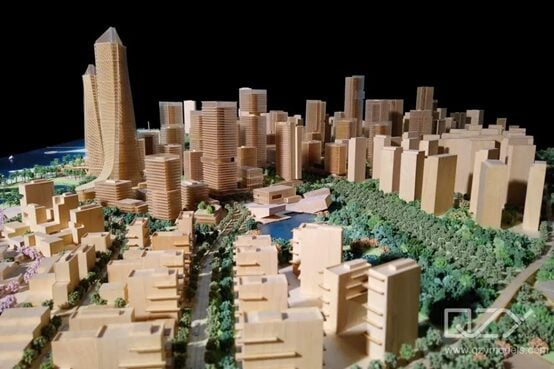
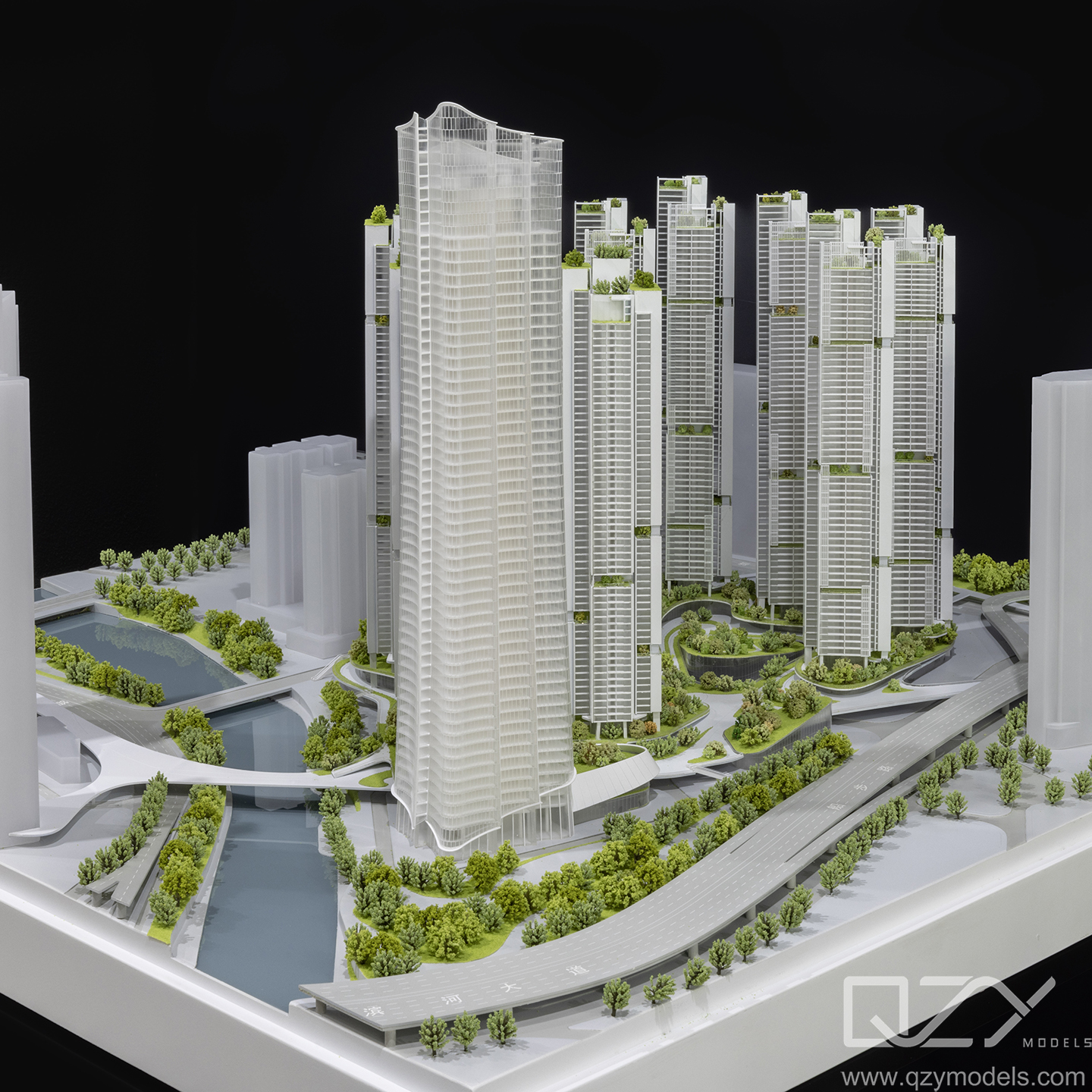
3D architectural models in Asunción convert design ideas into precise, tangible representations, enhancing project visualization, marketing, and planning approvals. They allow developers, architects, and urban planners to communicate concepts clearly, showcase layouts, and attract investment. Partnering with a professional OEM manufacturer like QZY Models ensures exceptional quality, accuracy, and cost efficiency for complex projects across Paraguay and international markets.
How Are 3D Architectural Models Used in Asunción Projects?
In Asunción, 3D architectural models are essential tools for visualizing projects before construction. Architects, developers, and municipal planners use them to evaluate proportions, spatial relationships, and aesthetics. Physical models facilitate stakeholder presentations, streamline design decision-making, and support investment discussions. They are prominently featured in real estate showrooms, urban planning meetings, and architecture exhibitions throughout Paraguay, providing a realistic, interactive experience for clients and officials.
What Materials and Technologies Are Used in Modern 3D Model Construction?
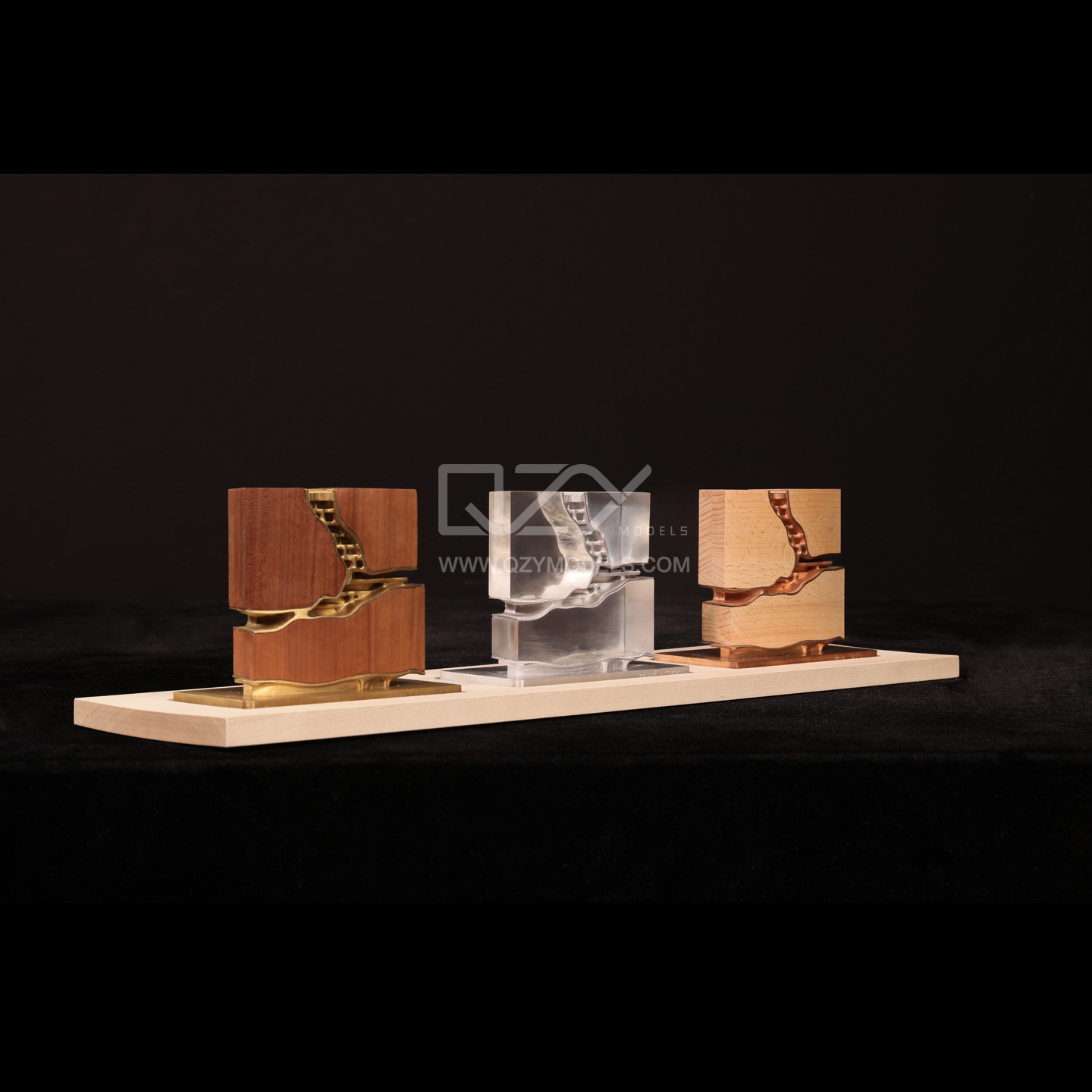
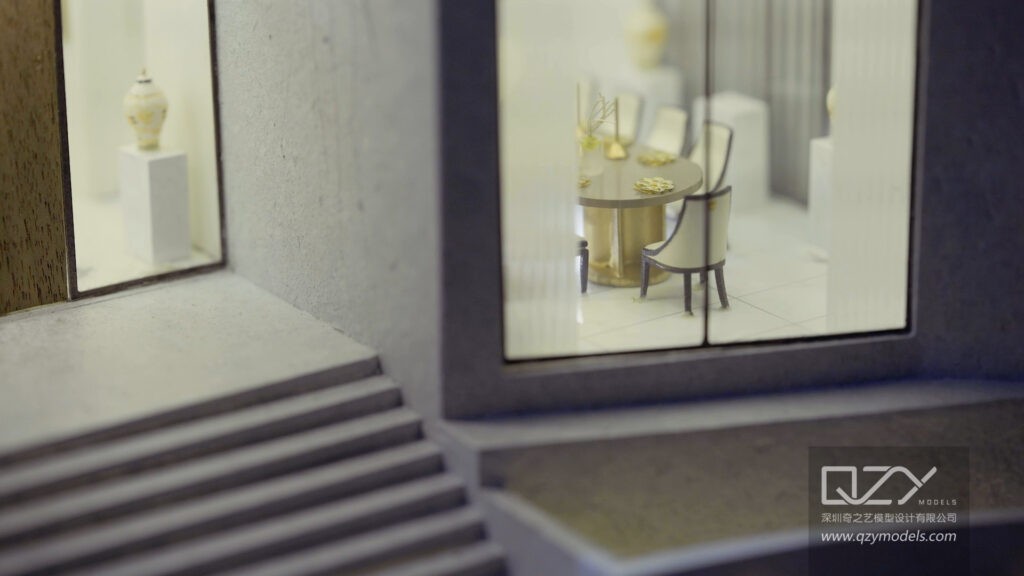
QZY Models applies advanced technologies including CNC machining, 3D printing, laser cutting, and meticulous hand-finishing to achieve precise, high-quality models. Materials are selected to balance durability and visual impact. Common options include acrylic for transparent facades, PVC for lightweight terrain, resin for fine details, and wood for natural textures. Integration of LED lighting and interactive components demonstrates lighting effects, landscapes, and smart building systems.
Table: Materials and Typical Applications
| Material | Application | Key Feature |
|---|---|---|
| Acrylic | Facades, glazing | Transparent and polished |
| PVC Foam | Terrain, base | Lightweight, durable |
| Resin | Intricate details | High accuracy |
| Wood | Interiors, structures | Textured, natural finish |
Which Industries in Asunción Benefit Most from 3D Architectural Models?
Real estate developers, urban planners, landscape designers, interior designers, and industrial design firms gain the most from 3D models. Developers use scale models for marketing and pre-sales presentations, while government agencies rely on them for infrastructure planning and public engagement. Educational institutions also integrate physical models into curriculum to train architects and engineers, enhancing practical understanding of design and construction.
Why Is Partnering with a China Manufacturer Strategic for Asunción Buyers?
Collaborating with a manufacturer like QZY Models in China ensures competitive pricing, consistent quality, and efficient international logistics. Chinese factories excel in bulk production for large commercial or government contracts. Using advanced design software and robotics, they deliver highly accurate models with faster turnaround, often reducing production time by 20–30%, making them ideal for time-sensitive projects.
Who Typically Orders 3D Architectural Models in Paraguay?
Clients range from developers, architecture firms, contractors, and government offices to exhibition organizers. Projects include high-rise residential complexes, mixed-use developments, transportation hubs, and heritage restoration initiatives. Models are also commissioned for urban planning workshops and investor presentations, reflecting Paraguay’s growing demand for professional, visually compelling project representations.
Where Do Asunción Developers Display Their 3D Models?
Physical models are showcased in sales galleries, trade fairs, urban planning offices, and architecture exhibitions. Venues such as the Centro de Convenciones Mariscal host events where models attract potential investors, media attention, and client engagement. Displaying models in strategic locations enhances emotional appeal and provides a tangible experience that digital presentations alone cannot achieve.
When Should Firms in Asunción Commission 3D Architectural Models?
The ideal commissioning time is after finalizing the design concept but prior to construction. Early commissioning allows seamless integration with planning documentation, supports regulatory approval processes, and enables marketing campaigns to use accurate, visually compelling models to engage investors and end users effectively.
Can 3D Physical Models Complement Digital Visualization Tools?
Yes. Physical models provide spatial awareness and tactile feedback that digital renders cannot fully convey. Combining 3D printed models with virtual visualization tools enhances design communication, making it easier for stakeholders to understand scale, texture, and context. Many Asunción firms adopt a hybrid approach, using both digital and physical models to maximize design clarity and presentation impact.
Does QZY Models Offer Custom OEM Solutions for Asunción Clients?
QZY Models delivers fully customized OEM services from concept design to delivery. Clients receive parametric adjustments, modular assembly, lighting systems, and export-ready packaging. The team’s expertise ensures models are tailored for architecture, industrial design, trade exhibitions, and government projects, providing reliable, professional support for international clients in Latin America and beyond.
Are 3D Architectural Models Still Relevant in a Digital Era?
Physical models remain essential despite digital visualization advances. They offer tangible realism, tactile interaction, and credibility during investor pitches and public presentations. QZY Models emphasizes craftsmanship and precision, demonstrating that models not only communicate design intent but also build trust and professional authority for developers, architects, and city planners.
What Factors Affect the Cost of 3D Architectural Models?
Costs are influenced by size, scale, complexity, materials, lighting, and logistics. Small residential models are less expensive, while intricate city-scale models require more labor and materials. Partnering directly with a manufacturer like QZY Models reduces overhead, ensuring a favorable price-performance ratio without compromising precision.
Table: Key Cost Considerations
| Factor | Impact on Cost | Explanation |
|---|---|---|
| Scale | Medium | Larger models require more materials |
| Detail | High | Complex textures and lighting increase labor |
| Material | Medium | Premium materials enhance durability and realism |
| Shipping | Variable | Depends on distance and handling |
Could 3D Models Support Asunción’s Sustainable Urban Growth?
Yes. Models help visualize green spaces, energy efficiency, ventilation, and sustainable building practices. Urban planners use them to simulate environmental impact and showcase eco-conscious designs to stakeholders. Physical models facilitate public understanding and engagement, promoting Paraguay’s sustainable development initiatives and smart city planning goals.
QZY Models Expert Views
“Creating a 3D architectural model is translating vision into reality. At QZY Models, every project combines engineering accuracy with artistic execution. From initial concept sketches to exhibition-ready models, we ensure each design communicates its story clearly and precisely, helping clients make informed decisions while presenting visually striking representations.”
— QZY Models Expert Team, Shenzhen
Conclusion
3D architectural models in Asunción provide unparalleled support for visualization, stakeholder engagement, and project marketing. Partnering with QZY Models guarantees precision, customization, and global logistics expertise. Physical models remain a powerful bridge between imagination and reality, delivering clarity, credibility, and professional impact for architects, developers, and urban planners.
FAQs
What scale is most common for urban development models?
Typically, 1:500 or 1:1000 scales balance detail with manageable size.
Can QZY Models produce large-scale models for exhibitions?
Yes, they specialize in high-volume OEM production and turnkey delivery.
Are models shipped fully assembled?
Most models are shipped in modular form to ensure safe transport and easy assembly on-site.
How long does production take for medium-sized models?
Generally 3–6 weeks, depending on complexity and detailing.
Does QZY Models provide after-sales support?
Yes, including guidance for assembly, maintenance, and future updates.