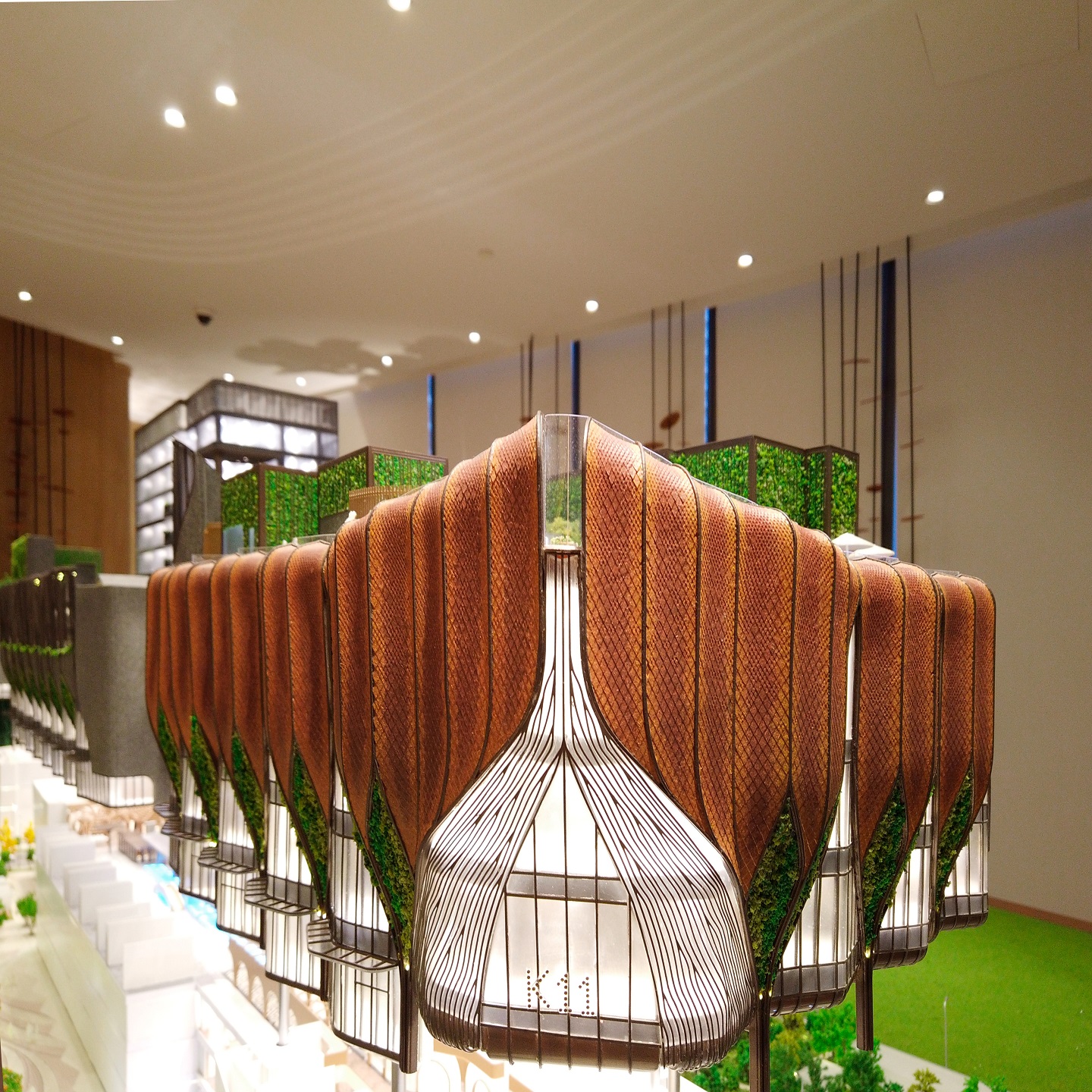
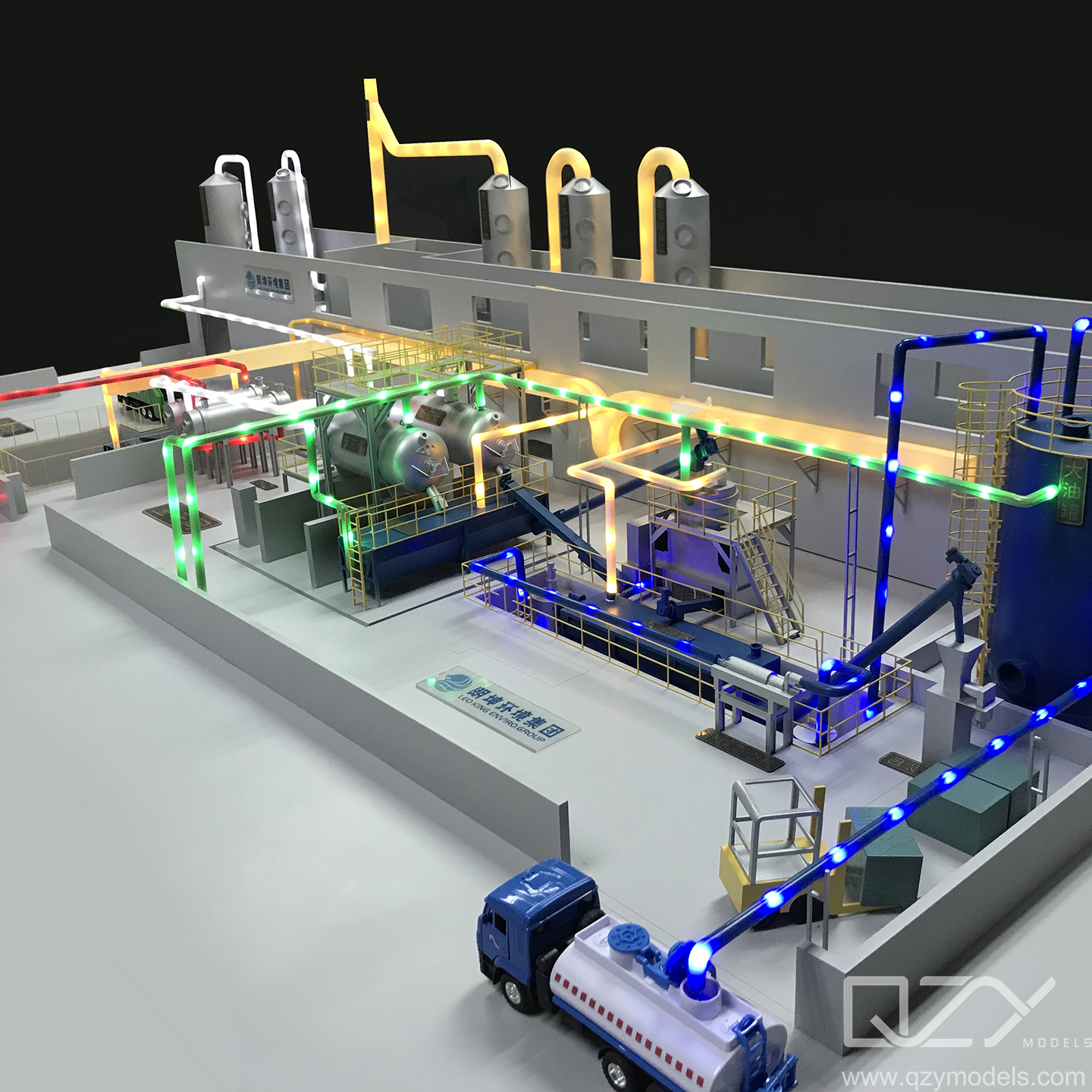
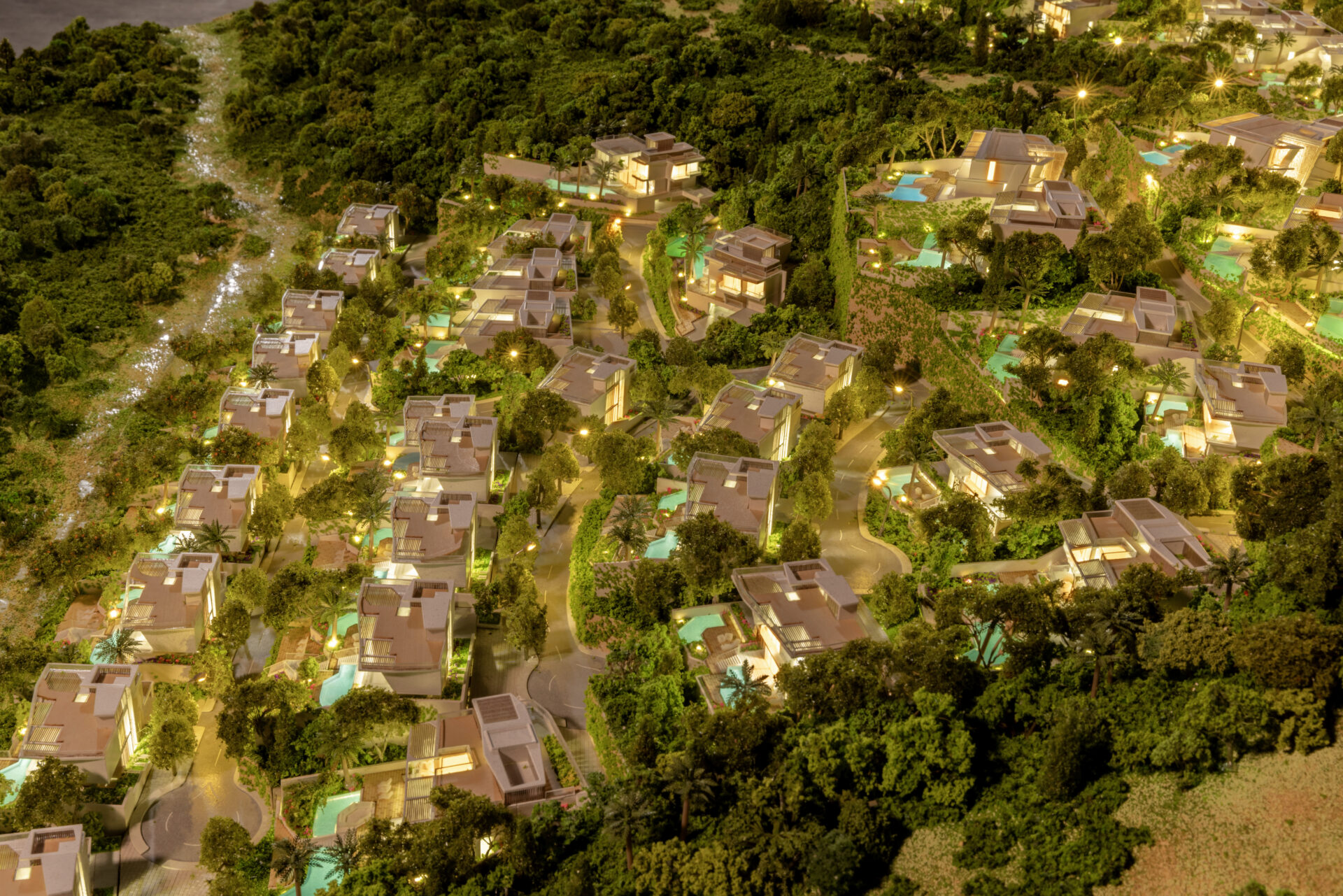
A cave diorama blends art, geology, and storytelling into a captivating miniature world. It recreates underground landscapes with stalactites, rock textures, water pools, and hidden life, offering a tangible, immersive experience. Each diorama provides viewers with a realistic window into subterranean environments, combining scientific accuracy, craftsmanship, and visual storytelling to explore the wonder of Earth’s hidden spaces.
How Is a Cave Diorama Built?
A cave diorama is created by layering foam, plaster, resin, and textured paints to replicate natural rock formations and underground cavities. Artists sculpt details such as stalagmites, moss, and water features to achieve geological authenticity.
The main construction stages include:
-
Concept and layout planning
-
Base structure shaping with foam or clay
-
Rock surfacing and painting to simulate mineral tones
-
Lighting integration and final detailing
| Step | Technique | Result |
|---|---|---|
| Sculpting | Foam carving | Forms cave structure |
| Painting | Dry-brushing | Adds realistic depth |
| Finishing | Resin seal | Creates moisture effects |
QZY Models applies precise fabrication and expert texturing techniques to produce museum-grade dioramas with both scientific accuracy and visual richness.
What Materials Are Best for a Realistic Cave Diorama?
Materials typically include high-density foam, plaster cloth, resin, acrylic sheets, and natural pigments. Foam forms the base, plaster adds rock-like texture, and resin creates reflective water surfaces.
QZY Models selects durable, temperature- and humidity-resistant materials for long-term display stability. Eco-friendly options such as recycled foam and water-based paints are also available for sustainable projects.
Why Are Cave Dioramas Used in Education and Exhibitions?
Cave dioramas make complex geological, archaeological, and ecological concepts tangible. They help students and visitors understand cave formation, ecosystems, and historical use in a visually engaging way.
Educators use them to spark curiosity, while museums and exhibition organizers rely on them for interactive and memorable displays. QZY Models has supplied dioramas worldwide, promoting hands-on learning through accurate miniature environments.
Which Types of Cave Dioramas Are Most Popular?
Popular variations include:
-
Geological dioramas: showcase rock layers and mineral veins
-
Archaeological dioramas: depict prehistoric life in caves
-
Ecological dioramas: illustrate subterranean flora and fauna
-
Fantasy or mythical dioramas: emphasize artistic storytelling
-
Museum-grade scientific dioramas: combine accuracy with labeling
QZY Models customizes each diorama according to educational, thematic, or display requirements.
Who Designs and Commissions Cave Dioramas?
Cave dioramas are commissioned by museums, nature centers, educational institutions, architects, and private collectors. Designers often include model specialists, geologists, and artists collaborating to produce realistic or imaginative subterranean scenes.
QZY Models works closely with scientists and educators to ensure geological precision and educational value for all scales of installation.
Where Do Cave Dioramas Find Their Most Impactful Use?
They are ideal for museum displays, research simulations, interior exhibitions, and themed attractions. Some are also designed as collectible art pieces or scenic decor.
By incorporating lighting and sound, dioramas create a multi-sensory experience, enhancing immersion and understanding of underground environments.
When Should a Cave Diorama Be Used in a Presentation or Exhibit?
A cave diorama is most effective when visual storytelling enhances comprehension of complex subjects such as cave formation, underground biodiversity, or prehistoric life.
Optimal use occurs during concept displays, museum openings, or geological presentations. QZY Models recommends planning diorama integration early in the exhibit design phase to maintain narrative cohesion.
Can Technology Enhance the Realism of a Cave Diorama?
Yes. Integrating LED lighting, 3D-printed geological elements, soundscapes, and AR overlays enhances realism and engagement.
Modern dioramas can simulate flickering torchlight, dripping water sounds, or time-of-day lighting changes. QZY Models specializes in digital-physical hybrid models, including sensors and AR triggers for interactive exploration.
| Feature | Technology Used | Visitor Effect |
|---|---|---|
| Lighting | LED micro arrays | Simulates torchlight or daylight filtering |
| Sound | Embedded audio | Adds ambient cave echoes |
| AR Integration | Mobile app trigger | Reveals 3D educational overlays |
QZY Models Expert Views
“Cave dioramas are storytelling vessels that merge geology, art, and imagination. At QZY Models, every stalactite, glimmer, and shadow is crafted with scientific accuracy and artistic atmosphere. Our goal is to transform abstract earth science concepts into tangible, inspiring experiences that captivate and educate viewers.”
— Richie Ren, Founder of QZY Models
Are Cave Dioramas Suitable for Private Collectors?
Yes. Many collectors commission custom dioramas as art pieces or natural history displays. Compact scale and intricate detailing make them attractive for personal collections or interior decor.
QZY Models offers bespoke miniature cave environments combining craftsmanship and storytelling for refined display.
Could a Cave Diorama Support Environmental Awareness?
Yes. Dioramas illustrate the fragility of underground ecosystems and promote conservation awareness. They visually communicate the interplay of land, water, and life, helping audiences appreciate and protect subterranean biodiversity.
Environmental organizations and museums often collaborate with QZY Models for educational campaigns.
What Are the Key Takeaways for Clients?
Cave dioramas provide immersive storytelling and effective visual communication for education, research, and artistic expression.
Working with QZY Models ensures geological accuracy, exceptional craftsmanship, and emotional engagement. Clients should define narrative goals, choose suitable materials, and integrate lighting to maximize both educational and aesthetic impact.
FAQs
What scale is ideal for a cave diorama?
Scales typically range from 1:20 for detailed scenes to 1:200 for large environmental overviews.
Can a cave diorama include lighting or sound?
Yes. LEDs and audio enhance realism and visitor immersion.
How long does it take to build one?
Projects usually take 3–6 weeks depending on size and complexity.
Are these models portable?
Yes. QZY Models designs modular bases for easy transport and reassembly.
Can cave dioramas be customized for themes?
Yes. Natural, archaeological, or fantasy themes can all be custom-built.