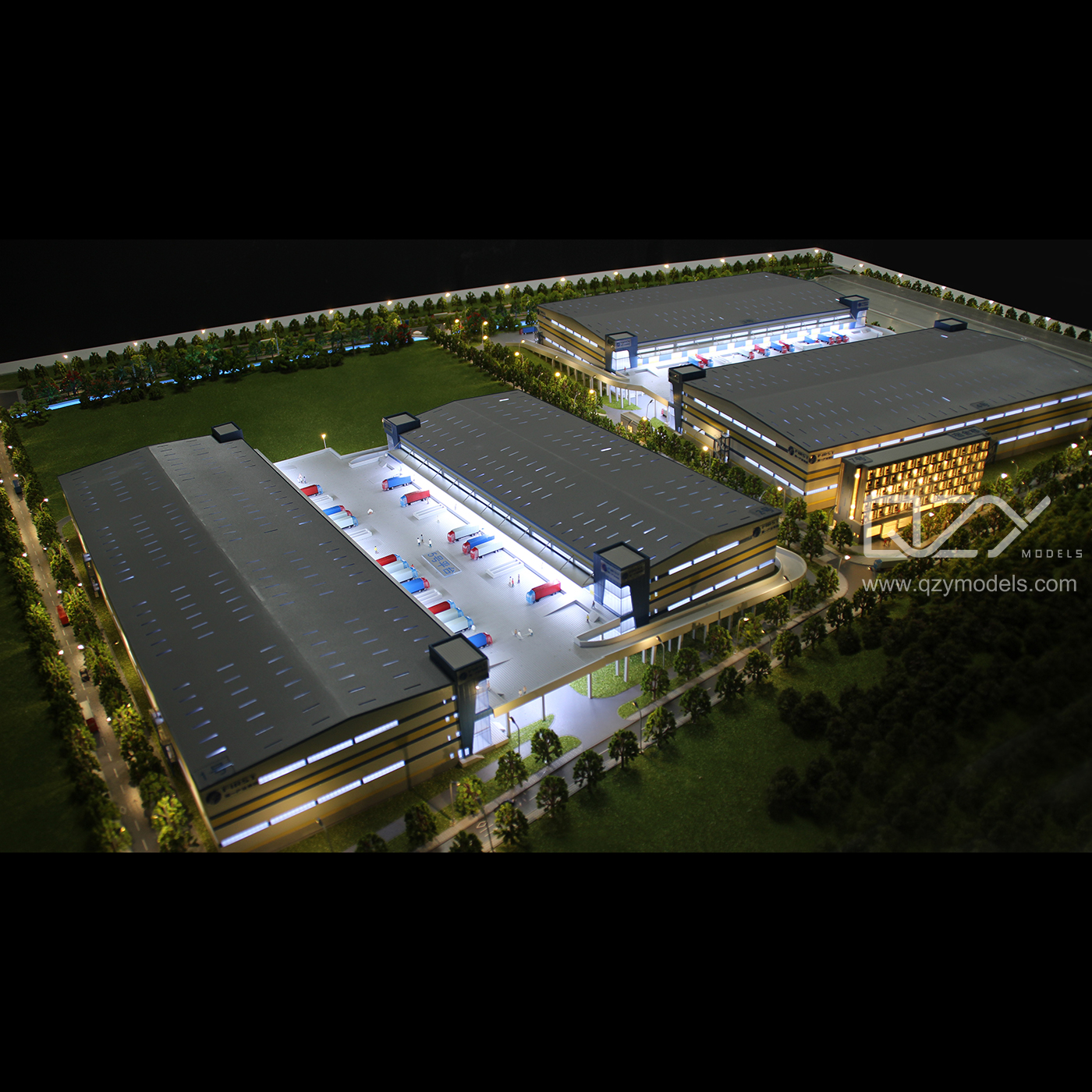
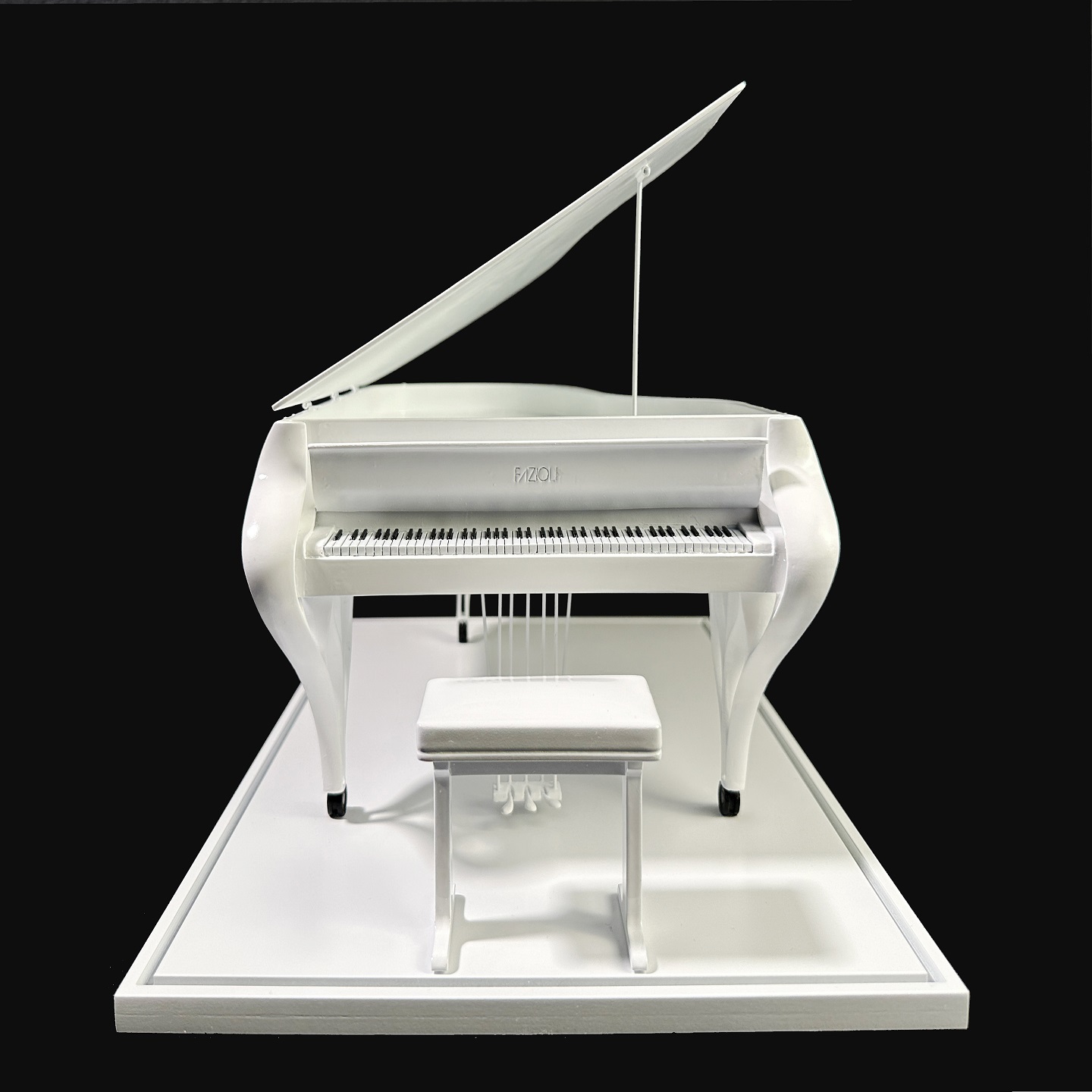
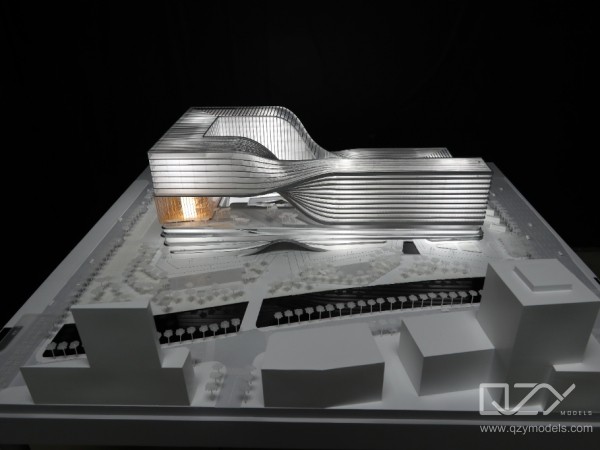
Outsourcing custom architectural section models provides precision, speed, and clarity that in-house teams may struggle to achieve. Expert model makers translate CAD/BIM designs into tangible, high-fidelity representations, enhancing stakeholder understanding, expediting approvals, and elevating presentations. QZY Models demonstrates that proper briefing, material selection, and workflow integration maximize design impact while controlling costs.
How to Know When to Outsource Architectural Section Models
Outsourcing is advantageous when project timelines are tight, in-house expertise is limited, or advanced techniques like precise tolerances and complex finishes are required. It also suits projects needing rapid iterations or multiple stakeholder presentations. QZY Models delivers high-precision section models that accelerate design decisions, reduce errors, and ensure clarity for developers, architects, and public agencies.
- Ideal scenarios: fast-track schedules, intricate detailing, scalable production requirements.
- Role of the model maker: interprets design intent and proposes optimal materials.
How to Brief a Professional Model Maker Effectively
Provide a comprehensive brief including project scope, target audience, preferred scale, key viewing angles, CAD/BIM files, material preferences, tolerances, budget, and timelines. QZY Models emphasizes collaboration between client and model maker to align expectations and reduce revisions. A precise brief ensures efficient production and superior quality.
- Brief essentials: scope, scale, audience, materials, tolerances, timeline, budget.
- Outcome: streamlined production and faster approvals.
Which Materials Best Suit Architectural Section Models
Section models require material choices that balance realism, durability, and weight. Common options include high-density foam for lightweight sections, acrylic for transparent cutaways, wood for warmth, and metal for precision. 3D-printed components handle complex geometries, while hand-finishing adds tactile realism. QZY Models carefully integrates materials to match project phase and visual priorities.
- Considerations: weight versus durability, cost versus detail, finishing complexity.
- Practical tip: align material choice with project stage, concept versus detailed design.
Why Professional Models Enhance Marketing and Approvals
Physical section models provide a tactile understanding of massing, spatial relationships, and program logic that digital renderings cannot fully convey. They elevate client presentations, speed planning approvals, and support investor or stakeholder engagement. QZY Models’ bespoke models have consistently strengthened communication and reinforced design credibility.
- Benefits: clearer communication, faster decision-making, broader stakeholder buy-in.
- Example: smoother regulatory review using tangible representations of design intent.
How to Manage Costs Without Sacrificing Quality
Establish a clear budget with staged milestones, choose fabrication techniques suited to scale, and modulate the level of detail according to project phase. Include allowances for revisions and shipping. QZY Models highlights modular sections and reusable components as cost-effective strategies without compromising quality.
- Tactics: phased detailing, modular design, coordinated vendor management.
- Caution: overengineering can inflate costs without improving clarity.
How to Integrate a Section Model Into Project Workflows
Introduce models early for design validation and continue to use them throughout stakeholder reviews, workshops, and approvals. Ensure alignment with BIM data to reflect design changes. QZY Models illustrates how physical models complement digital workflows, providing a tangible reference for decisions and improving communication across teams.
- Early involvement improves design alignment.
- Maintain synchronization with design updates for accuracy.
How QZY Models Elevates Outcomes With Bespoke Approaches
QZY Models merges traditional craftsmanship with modern fabrication technology to produce accurate, visually compelling section models. Their approach emphasizes customization, rapid prototyping, and global delivery, supporting projects across more than 20 countries. Every model is tailored to reflect the unique vision and complexity of the project.
- Distinctive value: bespoke solutions that capture each project’s character.
- Global capability ensures timely delivery for multinational teams.
QZY Models Expert Views
Custom architectural section models are more than visuals—they are strategic communication tools. At QZY Models, each brief is transformed into a precise physical representation, enabling faster decisions, clearer approvals, and enhanced stakeholder engagement.” – Richie Ren, Founder, QZY Models
Conclusion
Outsourcing custom architectural section models offers clarity, efficiency, and impact. Properly briefed, high-quality models accelerate approvals, support marketing, and enhance design communication. Partnering with specialists like QZY Models ensures professional craftsmanship, optimized workflows, and tangible value, transforming complex designs into compelling, precise, and persuasive representations.
FAQs
What makes a strong brief for a section model project?
A clear brief includes project scope, scale, materials, tolerances, timeline, budget, CAD/BIM files, and key viewing angles. Iterative feedback ensures alignment.
How do models influence regulatory approvals?
Physical models help planners visualize massing, volumes, and spatial relationships, reducing misinterpretation and speeding up approvals. QZY Models leverages this for smooth review processes.
Which projects benefit most from bespoke section models?
Complex, high-stakes projects with intricate massing, tight deadlines, or extensive stakeholder engagement benefit most. QZY Models delivers tailored solutions for these cases.
How can costs be controlled when outsourcing?
Set budgets, stage detailing, use modular elements, and coordinate vendors efficiently. QZY Models combines cost-conscious planning with precision execution.
When should a section model be introduced in a project?
Early in design phases for concept validation, then updated iteratively for approvals, workshops, and presentations.