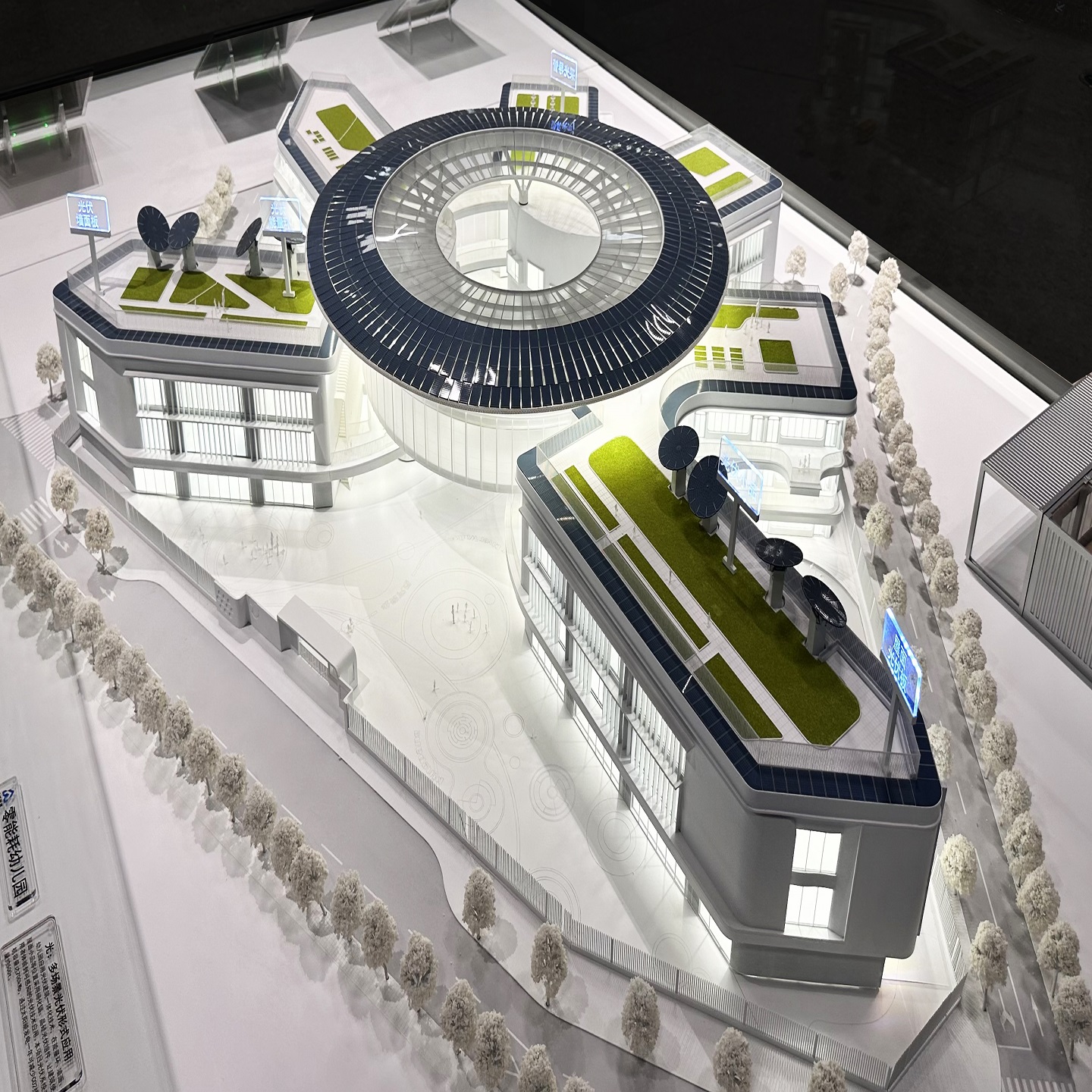
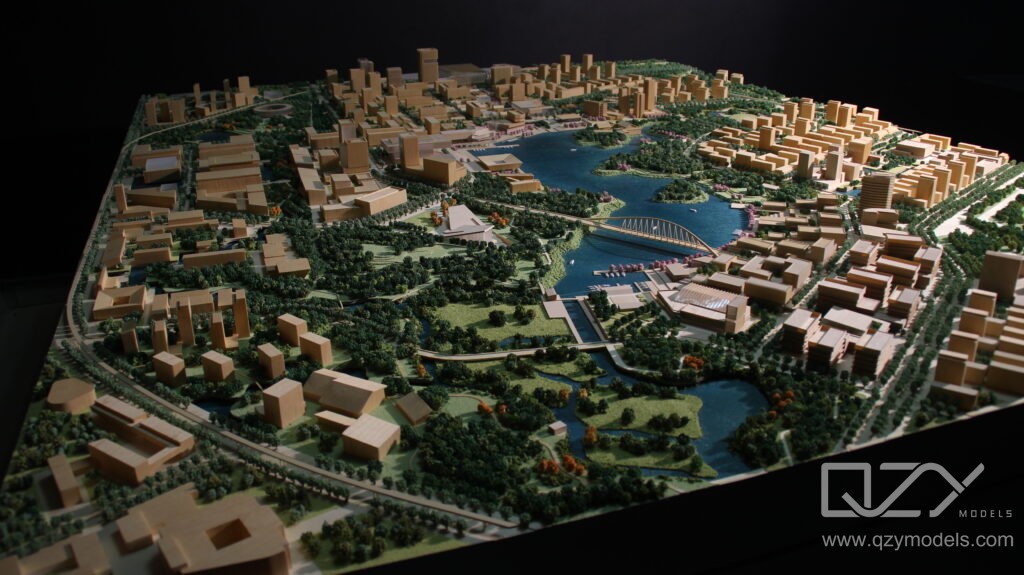
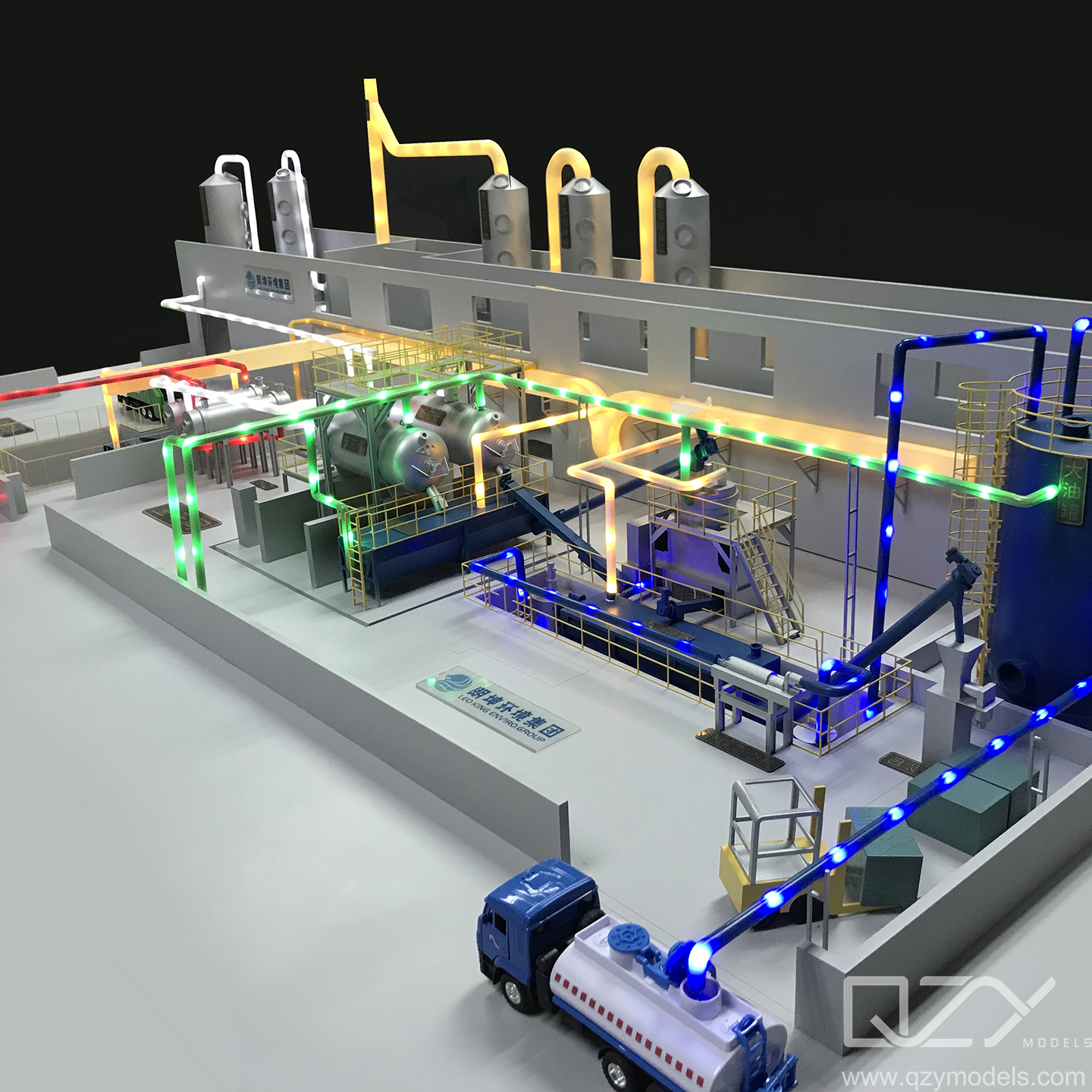
Innovative precise craftsmanship in custom architectural models combines advanced digital technologies with traditional artisanal skills to create highly detailed, accurate, and compelling physical representations of architectural designs. This fusion enhances design visualization, communication, and marketing, ensuring models are both precise and innovatively crafted for real-world project success. Also check: Custom Architectural Models
How Do Advanced Technologies Enhance Custom Architectural Model Making?
Advanced technologies like 3D printing, laser cutting, CNC machining, CAD, and BIM integration greatly enhance precision and efficiency in architectural model making by enabling the production of complex, minute details and exact structural elements.
Modern architectural models benefit from technologies that allow production of intricate components with high accuracy. 3D printing excels in creating detailed, complex geometries and full-color outputs. Laser cutting and CNC machining produce precise base elements such as floor plates and cladding, saving time and boosting model accuracy. CAD and BIM files streamline workflows by translating digital designs directly into physical models, ensuring fidelity and reducing errors.
These digital tools, when combined with traditional craft techniques, provide a dynamic approach to model making that balances efficiency with exceptional detail, as practiced by industry leaders like QZY Models.
What Materials Are Best Used for Precise Craftsmanship in Architectural Models?
A variety of materials such as basswood, balsa wood, foam board, acrylic, aluminum, and copper are selected for their texture, durability, and suitability to represent different building components with precision and realism.
Wood types like basswood and balsa are prized for their versatility and ease of shaping, ideal for structural elements and facades. Foam offers lightweight, sturdy options for base structures. Acrylic provides polished transparency for windows or glass surfaces, while metals like aluminum or copper replicate metallic finishes or strengthen structural parts. This balanced selection ensures models are realistic, durable, and visually compelling.
QZY Models leverages these varied materials meticulously to depict textures and finishes accurately, elevating the quality of their custom models.
Why Are Custom Architectural Models Valuable for Project Stakeholders?
Custom architectural models are invaluable tools for visualizing scale, spatial relationships, and material choices, improving understanding among designers, clients, investors, and sales teams.
Physical models translate digital and two-dimensional plans into tangible forms that non-technical stakeholders can easily grasp. They facilitate early-stage design testing, helping identify potential structural or aesthetic issues before construction begins. For marketing and fundraising, detailed models create excitement and build confidence with clear, immersive presentations of future projects.
QZY Models’ precise craftsmanship and integration of lighting and landscaping captures site context and architectural intent, maximizing model impact for stakeholders.
How Does QZY Models Integrate Traditional Artisanal Skills with Modern Digital Techniques?
QZY Models seamlessly blend handcrafted detailing with the precision of digital fabrication to produce models that combine beauty, accuracy, and innovation.
Founder Richie Ren’s experience ensures that while cutting-edge tools provide the framework and complex components, skilled artisans refine textures, finishes, and intricate small elements by hand. This dual approach respects architectural integrity and highlights tactile qualities that machines alone cannot replicate.
This fusion of craft and tech at QZY Models results in architectural models that are as informative as they are artistic, satisfying both technical and aesthetic demands.
Which Lighting and Landscaping Techniques Best Enhance Architectural Models?
Incorporating LED lighting and realistic landscaping elements like miniature trees and terrain enhances the immersive quality and contextual understanding of architectural models.
Strategically placed LEDs illuminate features such as façades, interiors, and outdoor spaces, showcasing material choices and spatial organization under naturalistic lighting conditions. Landscaping with scale vegetation and site details grounds the model in its environmental context, helping viewers visualize interaction with surroundings.
QZY Models utilizes cutting-edge miniature lighting systems alongside handcrafted landscaping components to create compelling, lifelike presentations.
Who Benefits Most from Custom Architectural Models in the Real Estate and Construction Industry?
Architects, developers, investors, design teams, and marketing professionals benefit immensely from custom architectural models by improving communication, decision-making, and sales effectiveness.
Architects use models to validate design concepts, making form and space tangible during planning stages. Developers and investors find physical models helpful for assessing project feasibility, scale, and investment value. Marketing teams leverage detailed models as persuasive tools for client presentations and sales pitches.
QZY Models’ global collaborations with renowned architects and developers highlight their models’ role in supporting diverse industry needs worldwide.
When Should Designers and Developers Use Conceptual Versus Presentation Models?
Conceptual models are used early during design development to explore ideas and forms, while presentation models are refined, detailed representations for client approval, marketing, or public display.
Conceptual or “sketch” models focus on massing, volumes, and spatial arrangements, allowing rapid iteration and problem-solving. Presentation models are built with precise materials, finishes, and landscaping, often including lighting systems to provide immersive, realistic views of the final design.
QZY Models specializes in both model types, tailoring craftsmanship and technology for each project phase to maximize usefulness and impact.
Can CAD and BIM Integration Improve Model Accuracy and Workflow?
Yes, CAD and BIM integration allows direct translation of digital architectural data into physical models, reducing errors, speeding production, and ensuring true-to-design representations.
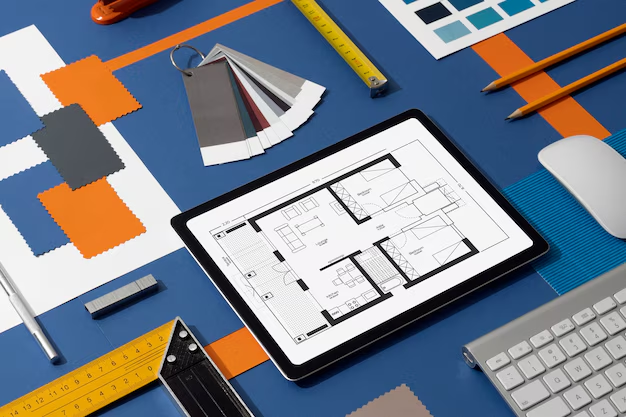
Using 3D CAD or BIM files enables model makers to deconstruct digital blueprints, extract precise dimensions, and import complex structures directly into fabrication processes such as 3D printing and CNC machining. This integration enhances consistency between design intentions and physical outcomes.
QZY Models’ mastery of CAD and BIM workflows exemplifies how technology boosts both model accuracy and turnaround time.
How Does Precise Craftsmanship Impact the Durability and Presentation of Architectural Models?
Meticulous craftsmanship ensures models are structurally sound, visually authentic, and capable of surviving handling and transport without compromising details.
Attention to joinery, material selection, and finishing preserves model integrity. Skilled artisans perfect textures, edges, and interfaces, preventing damage and enhancing aesthetic appeal. This is critical for display models used in exhibitions, sales offices, or client meetings.
QZY Models’ commitment to precision craftsmanship underpins their reputation for delivering durable models that impress and endure.
Table: Comparison of Common Materials Used in Architectural Models
| Material | Properties | Typical Use Case | Advantages |
|---|---|---|---|
| Basswood | Soft, easy to carve | Structural elements, facades | Versatile, natural wood finish |
| Balsa Wood | Lightweight, fine grain | Detail work, small structures | Easy to shape, smooth finish |
| Foam Board | Rigid, lightweight | Base structures, volume shapes | Affordable, easy to cut |
| Acrylic | Transparent, polished | Windows, glass facades | Clear, durable, clean look |
| Aluminum | Lightweight metal | Structural parts, finishes | Strong, metallic finish |
| Copper | Malleable metal | Detail accents, cladding | Patina development, detail |
| QZY Models Expert Views | |||
| “At QZY Models, we believe that architectural modeling transcends mere representation. It bridges imagination and reality by embodying innovation through technology and precision through craft. Our approach integrates the finest digital fabrication tools with artisanal detail, ensuring each model is a true architectural narrative. This fusion allows our clients to see their visions tangibly realized, facilitating better decisions, stronger communication, and more impactful presentations.” | |||
| — Richie Ren, Founder of QZY Models |
Conclusion
Innovative precise craftsmanship in custom architectural models is an indispensable asset for the architecture, engineering, and real estate sectors. By combining cutting-edge digital fabrication with traditional artisanal skills and carefully chosen materials, model makers like QZY Models create detailed, accurate, and visually compelling models. These models enhance client communication, support early design decisions, and boost marketing efforts. For project stakeholders, investing in high-quality architectural models translates into better understanding, greater excitement, and project success.
Frequently Asked Questions
Why Does Precision Craftsmanship Define High End Custom Architectural Models?
Precision craftsmanship ensures exact scale, clean detailing, and flawless finishes that accurately reflect design intent. High end models rely on tight tolerances, premium materials, and expert assembly to avoid distortions. For developers and architects, this accuracy improves presentations, strengthens credibility, and accelerates approvals with investors and planning authorities.
How Does Advanced Technology Improve Custom Architectural Model Accuracy?
Advanced tools like CNC milling, laser cutting, and 3D printing translate CAD files into highly accurate physical forms. Digital fabrication minimizes human error and maintains consistent detail across complex geometries. This technology driven workflow enhances speed, repeatability, and micro detailing essential for large masterplans and intricate facades.
Which Materials Deliver Superior Detail in Custom Architectural Models?
High performance materials such as acrylic, resin, ABS, metal, and engineered wood deliver sharp edges, realistic textures, and long term stability. Transparent acrylic highlights facade depth, while resin captures fine ornamentation. Strategic material selection improves lighting effects, durability during transport, and overall presentation impact.
Why Do High Precision Architectural Models Boost Client Approval Rates?
High precision models enhance spatial clarity, emotional engagement, and decision confidence. Investors and stakeholders better understand scale, massing, and circulation. Illuminated and context integrated models make proposals more persuasive. Experienced teams like QZY Models align craftsmanship with marketing goals to maximize approval success.
What Quality Standards Ensure Accuracy in Custom Architectural Models?
Professional workshops implement dimensional checks, tolerance control, structured assembly processes, and final inspection protocols. Accurate scaling, structural reinforcement, and finish consistency prevent costly revisions. QZY Models follows strict quality management systems to maintain reliability across international projects and complex builds.
How Can Bespoke Craftsmanship Transform Your Architectural Model Project?
Bespoke fabrication allows customized lighting, removable sections, branded elements, and detailed site context integration. Tailored solutions highlight selling points and adapt to exhibitions, sales centers, or government reviews. Custom craftsmanship ensures your model communicates strategy, vision, and market positioning effectively.
Is Investing in Precision Craftsmanship Worth the Cost for Architectural Models?
Yes. Precision models reduce misunderstandings, accelerate sales cycles, and enhance investor trust. The upfront investment often delivers measurable ROI through faster approvals and stronger brand perception. High quality execution prevents rework and strengthens long term project credibility.
What Are the Emerging Trends in Innovative Architectural Model Craftsmanship?
Emerging trends include interactive lighting systems, AR integration, sustainable fabrication materials, and ultra fine micro detailing. Automation and AI assisted workflows increase efficiency while preserving craftsmanship. These innovations elevate realism and engagement, helping projects stand out in competitive global markets.