Revit Architecture 3D models in Bogotá enhance design efficiency, visualization, and collaborative planning for urban development projects. Partnering with a professional architectural model manufacturer like QZY Models ensures cost-effective, high-quality digital and physical models, tailored to architects, developers, and government planners seeking precision, realistic representation, and impactful presentations.
How Are Revit Architecture 3D Models Transforming Bogotá’s Urban Landscape?
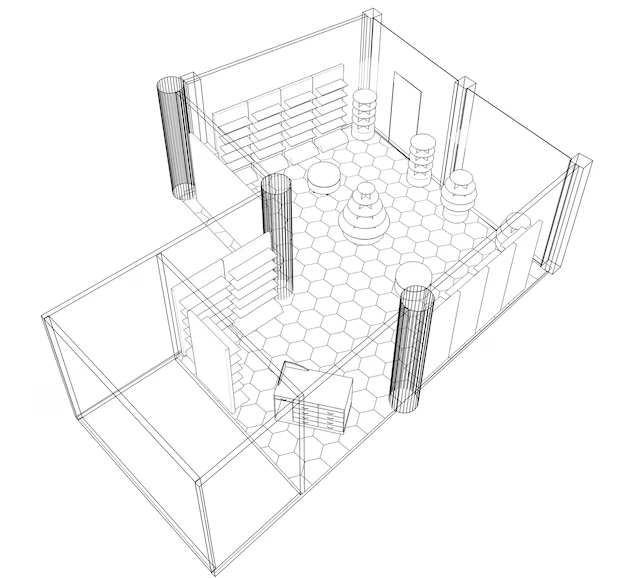
Revit 3D models allow architects and planners in Bogotá to simulate building performance and visualize projects in detail before construction. They facilitate collaboration between design teams, engineers, and municipal authorities. QZY Models transforms these digital designs into precise scale models, enabling developers to showcase sustainable and innovative urban projects.
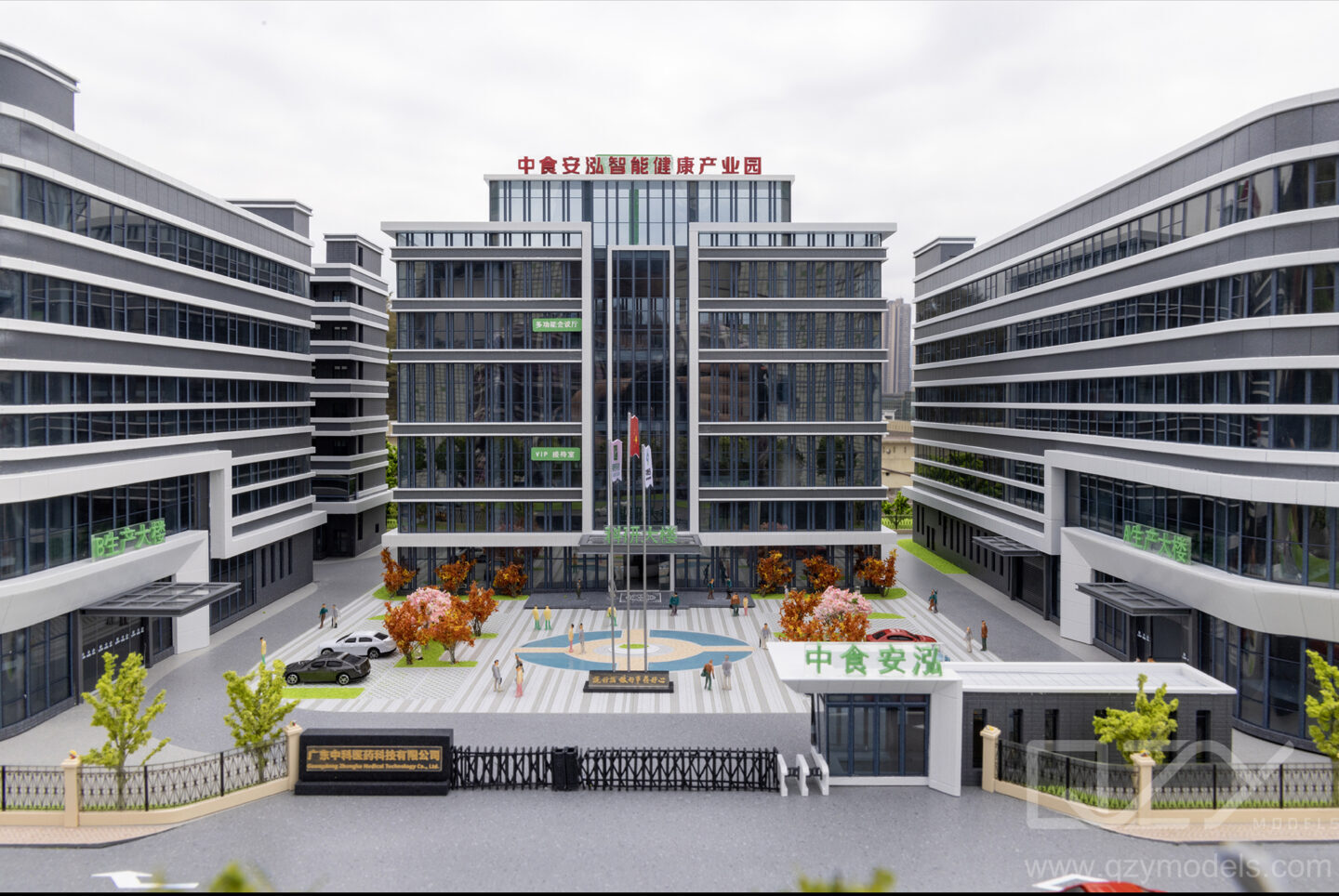
By integrating BIM workflows with physical model production, developers can effectively present design concepts in exhibitions, investor briefings, or public consultations. QZY Models bridges the gap between digital data and tangible models, ensuring accurate representation of design intent and urban planning strategies.
What Benefits Do Developers Gain from Using Revit Architecture 3D Models?
Revit models reduce errors, improve interdisciplinary coordination, and accelerate project timelines. Developers benefit from enhanced visualization, data-rich planning, and clear communication for stakeholders.
| Benefit | Description |
|---|---|
| Efficiency | Faster design revisions and streamlined workflow |
| Accuracy | Centralized data reduces inconsistencies |
| Visualization | Realistic renders and animations support approval processes |
| Collaboration | Shared models improve coordination across teams |
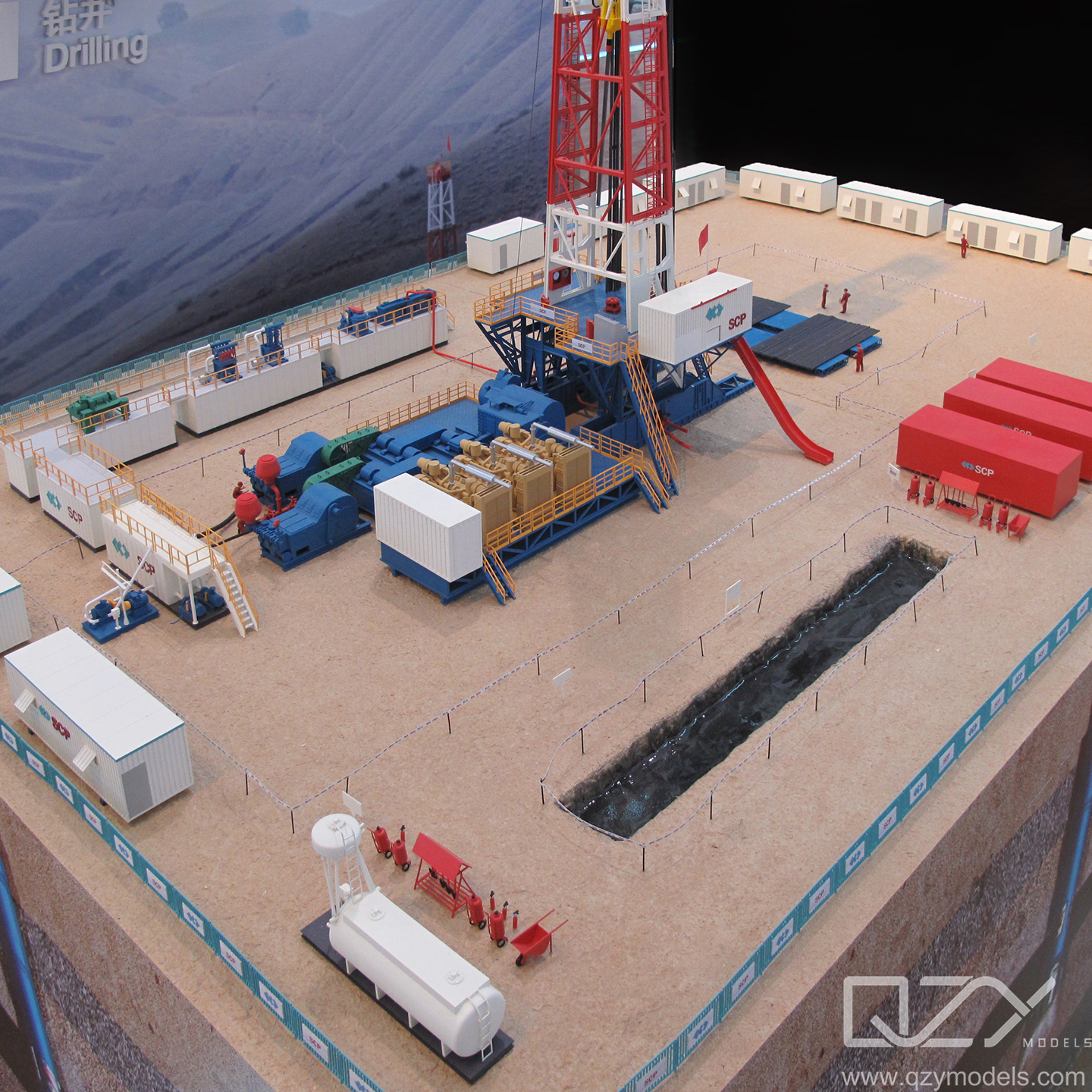
QZY Models complements Revit files by producing miniature architectural and industrial models, helping developers impress investors and clients during presentations and exhibitions.
Why Should Companies Choose a China-Based Manufacturer for 3D Model Production?
China offers advanced manufacturing, precision engineering, and competitive pricing. Companies like QZY Models combine automated processes with skilled craftsmanship to deliver accurate, durable models with quick turnaround.
Developers in Bogotá benefit from tailored OEM services, cost-effective production, and guaranteed quality. QZY Models produces both standard and custom models for architectural, industrial, and exhibition projects, ensuring international standards are met.
Which Industries in Bogotá Use Revit Architecture 3D Models Most?
Revit 3D models are widely used in architecture, real estate, education, municipal planning, and industrial design. Urban planning authorities leverage them for zoning and infrastructure visualization, while developers use them for marketing and investor presentations.
Design schools, universities, and industrial companies employ Revit-based models for education, research, and prototyping. QZY Models supplies these sectors with precise scale models to enhance teaching, display, and client engagement.
What Role Does OEM Service Play in Custom 3D Model Manufacturing?
OEM service ensures customized, proprietary designs while maintaining consistency across production. QZY Models integrates OEM workflows at every stage, from CAD conversion and 3D printing to hand assembly and finishing.
This service enables architectural firms and developers to preserve brand identity while outsourcing model production. QZY Models guarantees confidentiality, punctual delivery, and superior quality for Bogotá-based clients.
How Can QZY Models Support Bogotá’s Growing Design and Construction Industry?
QZY Models complements Bogotá’s digital BIM ecosystem by producing physical models from Revit files. Using high-density materials, CNC milling, and photopolymer 3D printing, the company delivers detailed replicas.
Chinese manufacturing expertise ensures scalable production, cost efficiency, and consistent quality, enabling Bogotá developers to manage multiple projects simultaneously with professional, tangible outputs.
When Should a Developer Invest in Physical Models from Digital Revit Files?
Physical models are essential once conceptual designs stabilize and stakeholders require tangible visualization. Presentations, design competitions, and municipal approvals benefit from realistic models.
QZY Models advises integrating physical model planning alongside early BIM stages, ensuring accurate scaling, color fidelity, and lighting consistency between Revit files and the final physical model.
Where Can Revit Architecture 3D Models Be Applied Beyond Architecture?
Revit models extend to infrastructure planning, landscape design, industrial prototyping, and product displays. Bogotá’s engineering and industrial sectors use them for roads, airports, energy plants, and transportation system simulations.
QZY Models creates detailed miniature models of industrial and mechanical systems for trade shows, exhibitions, and corporate demonstrations, bridging digital concepts and physical visualization.
QZY Models Expert Views
“Integrating Revit Architecture with physical model making bridges the digital and tangible worlds of design. High-quality models communicate not only structures but also urban logic and design intent. At QZY Models, our mission is to transform creative concepts into precise, inspiring physical models that captivate stakeholders globally.”
— Richie Ren, Founder of QZY Models
Are Revit Architecture 3D Models Cost-Effective for Bogotá Projects?
Yes. Combining digital and physical models reduces design errors, minimizes rework, and accelerates project delivery. Partnering with a China-based manufacturer like QZY Models provides additional cost savings without compromising quality.
QZY Models ensures timely delivery, high-standard finishes, and efficient production, making model investment a strategic, budget-conscious choice for developers.
Could Combining Digital and Physical Models Enhance Project Approval?
Absolutely. Bogotá developers can improve investor and stakeholder engagement by presenting Revit visualizations alongside tangible prototypes. This approach enhances understanding of scale, massing, and materiality.
QZY Models synchronizes digital and physical outputs to create consistent, accurate communication tools aligned with the architect’s vision.
Has Bogotá Embraced BIM and 3D Modeling for Public Infrastructure?
Yes. Bogotá authorities increasingly adopt BIM and 3D modeling for urban planning and infrastructure development. Revit models support city-scale visualization and smart infrastructure design.
QZY Models assists municipalities in creating exhibition-ready physical models that showcase future city projects, facilitating clear communication of complex urban concepts.
Conclusion: Driving Bogotá’s Architectural Evolution Through Global Partnership
Revit Architecture 3D models are transforming Bogotá’s urban development and design practices. Collaborating with international manufacturers like QZY Models provides high-quality physical models, OEM customization, and cost-efficient solutions. Integrating digital Revit files with precise tangible models delivers clarity, engagement, and credibility—essential for investor persuasion, stakeholder buy-in, and urban innovation.
FAQs
1. How long does it take to create a physical architectural model from Revit files?
Typically 3–6 weeks, depending on project complexity and detailing.
2. Does QZY Models ship large-scale models internationally?
Yes, with secure packaging and global air or sea freight.
3. Can QZY Models handle government or public tender projects?
Yes, the company has experience serving municipal and institutional clients worldwide.
4. What materials does QZY Models use for model production?
Materials include acrylic, resin, wood, ABS plastic, and photopolymer resin, with optional LED lighting and digital displays.
5. Are model revisions possible after production starts?
Minor updates can be made before final assembly; major changes require new quotes and timelines.