Stadium replicas are meticulously crafted miniatures that capture the architectural grandeur and cultural significance of real-world sports venues. Combining precision, artistry, and advanced materials, these models offer architects, developers, sports organizations, and collectors a tangible way to visualize designs, showcase brand identity, and preserve sports heritage in a detailed, collectible format.
How Are Stadium Replicas Made?
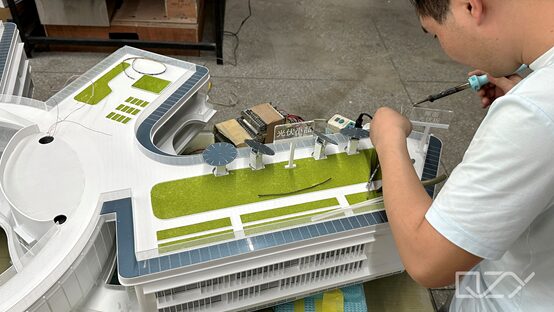
Stadium replicas are produced through a comprehensive workflow combining digital design, precision fabrication, and detailed handcrafting. The process begins with architectural blueprints, 3D scans, or CAD designs. At QZY Models, engineers meticulously model every structure, ensuring accuracy in seating arrangements, roof geometry, and facade textures. Materials such as resin, acrylic, wood, and metal are selected for realism and durability, while hand-painted finishes and LED lighting enhance visual authenticity.
| Stage | Process | Tools & Materials |
|---|---|---|
| Design & Modeling | 3D CAD modeling and blueprint review | Rhino, AutoCAD, CAD software |
| Fabrication | Laser cutting, 3D printing, precision shaping | Laser cutters, 3D printers, resin, acrylic |
| Assembly & Finishing | Hand assembly, painting, lighting integration | Airbrush, miniature LEDs, adhesives |
This method ensures every model is visually accurate and structurally sound.
What Makes a High-Quality Stadium Replica Stand Out?
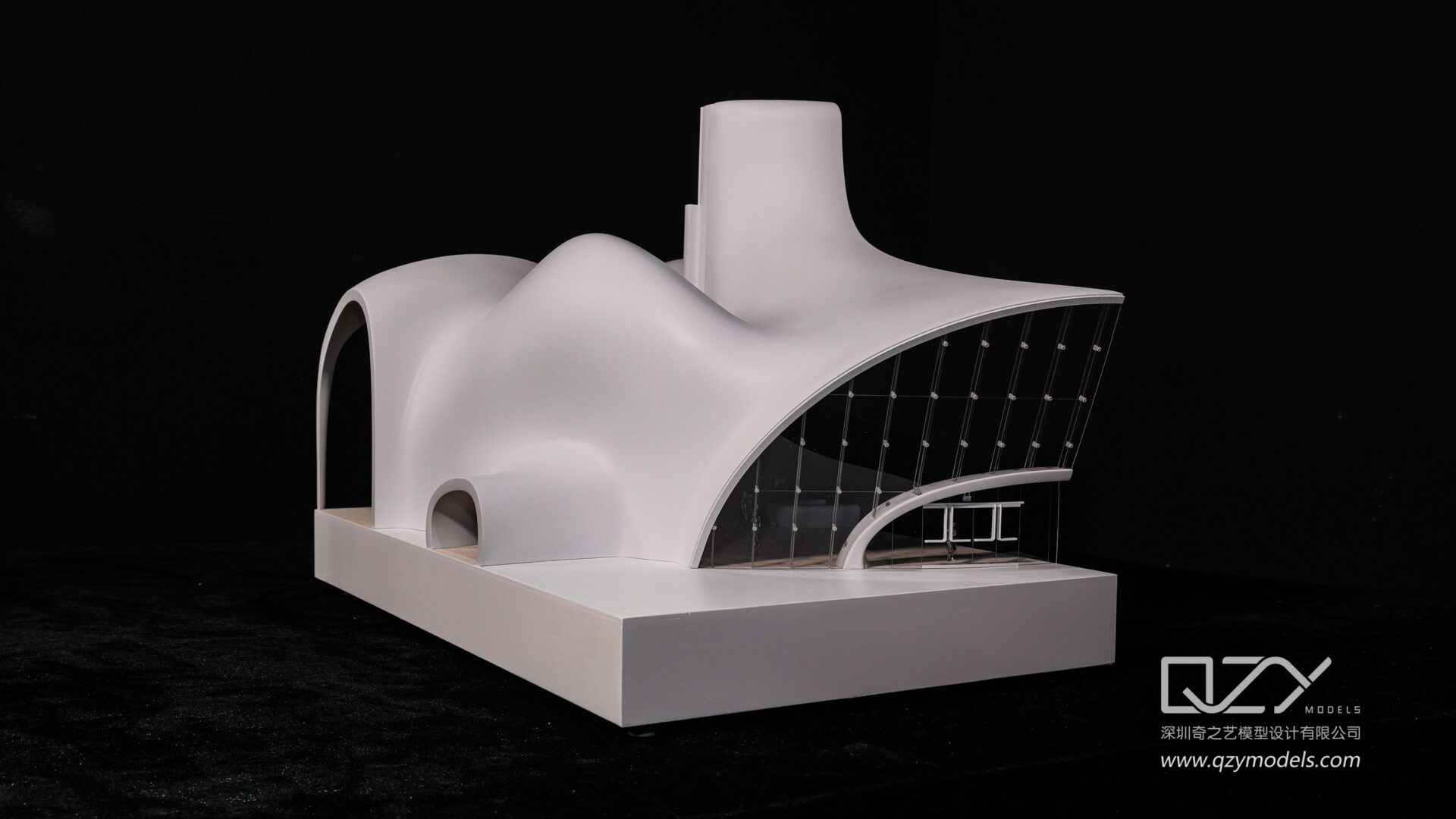
High-quality stadium replicas distinguish themselves through scale precision, material integrity, and attention to detail. Accurate seating layouts, structural proportions, and facade textures are essential. QZY Models enhances realism with LED illumination and layered texturing. Archival research ensures every curve, stairway, and external feature mirrors the original stadium. Such replicas serve as educational tools, promotional displays, and collectible artifacts that communicate both architecture and cultural heritage.
Why Do Architects and Developers Use Stadium Replicas?
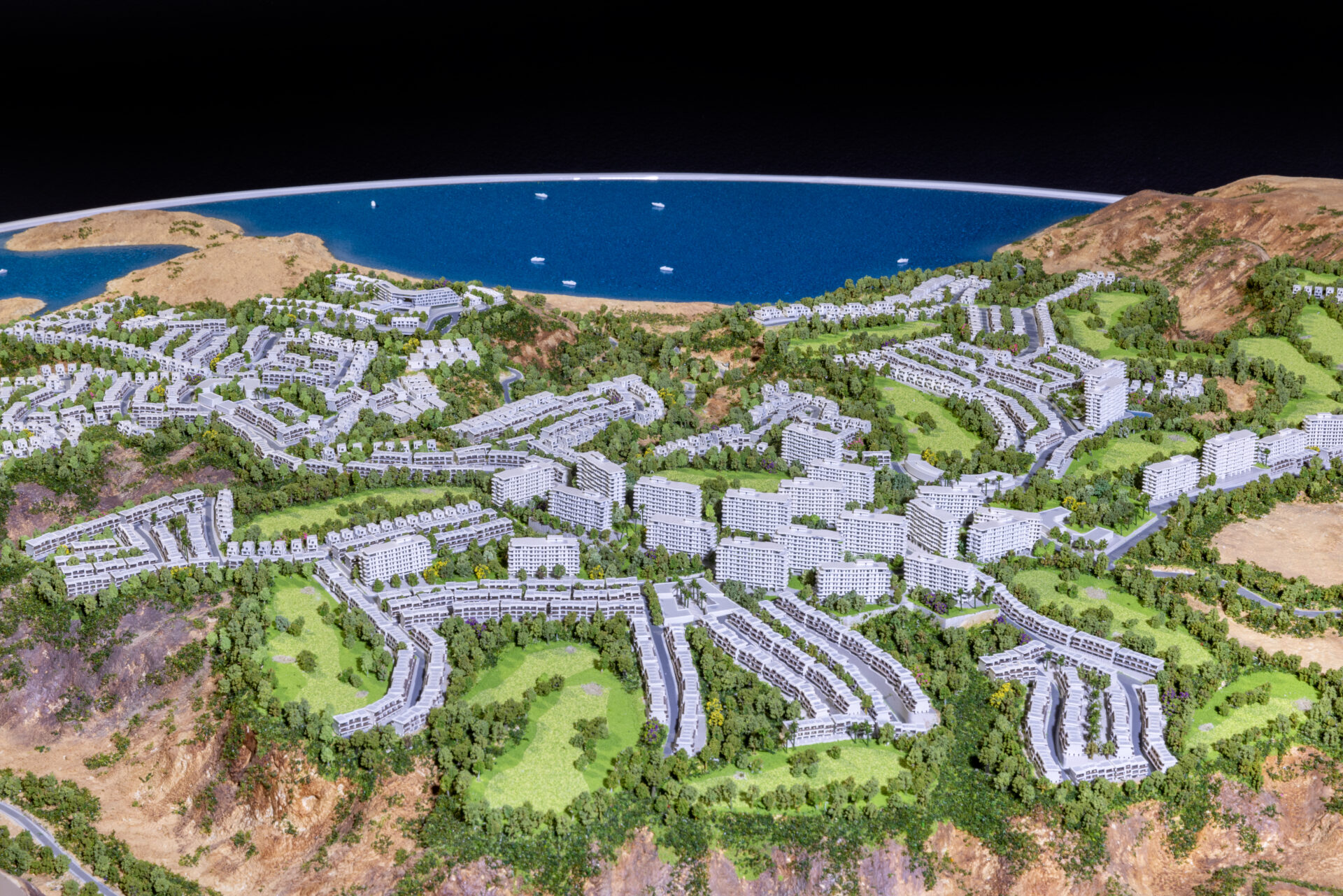
Architects and developers leverage stadium replicas to visualize design concepts, present projects, and engage stakeholders effectively. These models provide a three-dimensional understanding of seating arrangements, access points, and integration into urban surroundings. QZY Models creates replicas that highlight construction phases, functional design, and aesthetic appeal, allowing clients like Vanke and China Resources to communicate complex architectural projects clearly. They are invaluable for exhibitions, marketing campaigns, and museum installations.
Which Materials Are Commonly Used in Stadium Replicas?
Stadium replicas typically incorporate acrylic, resin, ABS plastic, wood, and aluminum, chosen for their visual and structural properties.
| Material | Advantage | Application |
|---|---|---|
| Acrylic | Transparent, durable | Roof panels, glass facades |
| Resin | Smooth, highly detailed | Seating, turf areas |
| Wood | Strong, aesthetic | Base structures, framing |
| Aluminum | Lightweight, polished | Trusses, external accents |
QZY Models often combines materials to achieve the best balance of durability, realism, and visual contrast, ensuring museum-grade results.
Who Collects Stadium Replicas?
Stadium replicas attract architects, developers, sports enthusiasts, educational institutions, and museums. Architectural firms use them to showcase portfolios, while fans and collectors value them as memorabilia of iconic stadiums. Universities and design schools employ models as teaching tools. QZY Models reports growing commissions from high-end collectors across Europe and the Middle East, producing limited-edition replicas that reflect both design mastery and cultural legacy.
What Are the Key Design Challenges in Stadium Replicas?
Creating stadium replicas involves maintaining structural accuracy, achieving small-scale detailing, and integrating lighting systems. Complex roofs, curved stands, and transparent elements require hybrid production methods combining 3D printing with manual finishing. Laser calibration ensures geometric precision, and miniature wiring integrates LEDs discreetly. QZY Models addresses these challenges to deliver visually striking, museum-quality miniatures.
How Do Stadium Replicas Enhance Sports Heritage and Branding?
Replicas serve as cultural symbols celebrating sports history and reinforcing brand identity. They evoke nostalgia, pride, and emotional connection for fans while supporting promotional campaigns and sponsorship displays. QZY Models collaborates with agencies to craft branded miniatures that combine storytelling with architectural precision, transforming stadiums into tangible heritage icons for clubs, museums, and exhibitions.
Why Choose QZY Models for Custom Stadium Replicas?
QZY Models offers over 20 years of expertise in architectural modeling, delivering detailed, custom stadium replicas worldwide. Clients benefit from end-to-end services, including design visualization, material selection, fabrication, and final assembly. With headquarters in Shenzhen and branches across Saudi Arabia, Egypt, and the UAE, QZY Models ensures global accessibility, precise execution, and timely delivery.
QZY Models Expert Views
“A stadium replica is more than a scaled object—it’s a story of engineering, culture, and emotion. At QZY Models, we treat every structure as a living symbol, merging data precision with artistic nuance.”
— Richie Ren, Founder of QZY Models
Could Stadium Replicas Be Used in Education and Urban Planning?
Yes. Stadium replicas are valuable tools in architecture and urban planning education. Universities and design schools utilize them to teach structural analysis and spatial relationships. Urban planners employ models to assess integration, traffic flow, and accessibility. QZY Models has contributed to government projects and academic exhibitions in the UAE and China, enabling practical learning and informed planning decisions.
When Should a Stadium Replica Be Commissioned?
Stadium replicas are best commissioned during early design phases, pre-launch marketing, or post-construction exhibitions. Architects use them to illustrate proposals, developers for stakeholder presentations, and organizations for promotional events. QZY Models recommends initiating the model production process alongside project design to ensure precision and alignment with final specifications.
Conclusion: Craftsmanship That Captures Legacy
Stadium replicas transform iconic sports venues into detailed, collectible, and educational artifacts. They provide architects, developers, and collectors with a tangible way to communicate design, celebrate heritage, and engage audiences. Investing in high-quality models from specialists like QZY Models ensures authenticity, durability, and a lasting impression that combines artistry with architectural accuracy.
FAQs
1. Are stadium replicas customizable?
Yes. QZY Models customizes each replica to match architectural blueprints, scale, and branding requirements.
2. How long does it take to produce a stadium replica?
Production timelines range from 30 to 120 days, depending on complexity and scale.
3. Can replicas include lighting and interactive features?
Yes. Models can integrate LED lighting, interactive displays, and mechanized elements.
4. What scales are commonly used for stadium replicas?
Popular scales include 1:1000, 1:500, and 1:200, balancing detail with display convenience.
5. Do stadium replicas enhance presentations or investment appeal?
Absolutely. They improve visualization, attract investors, and provide tangible representations of large-scale architecture.