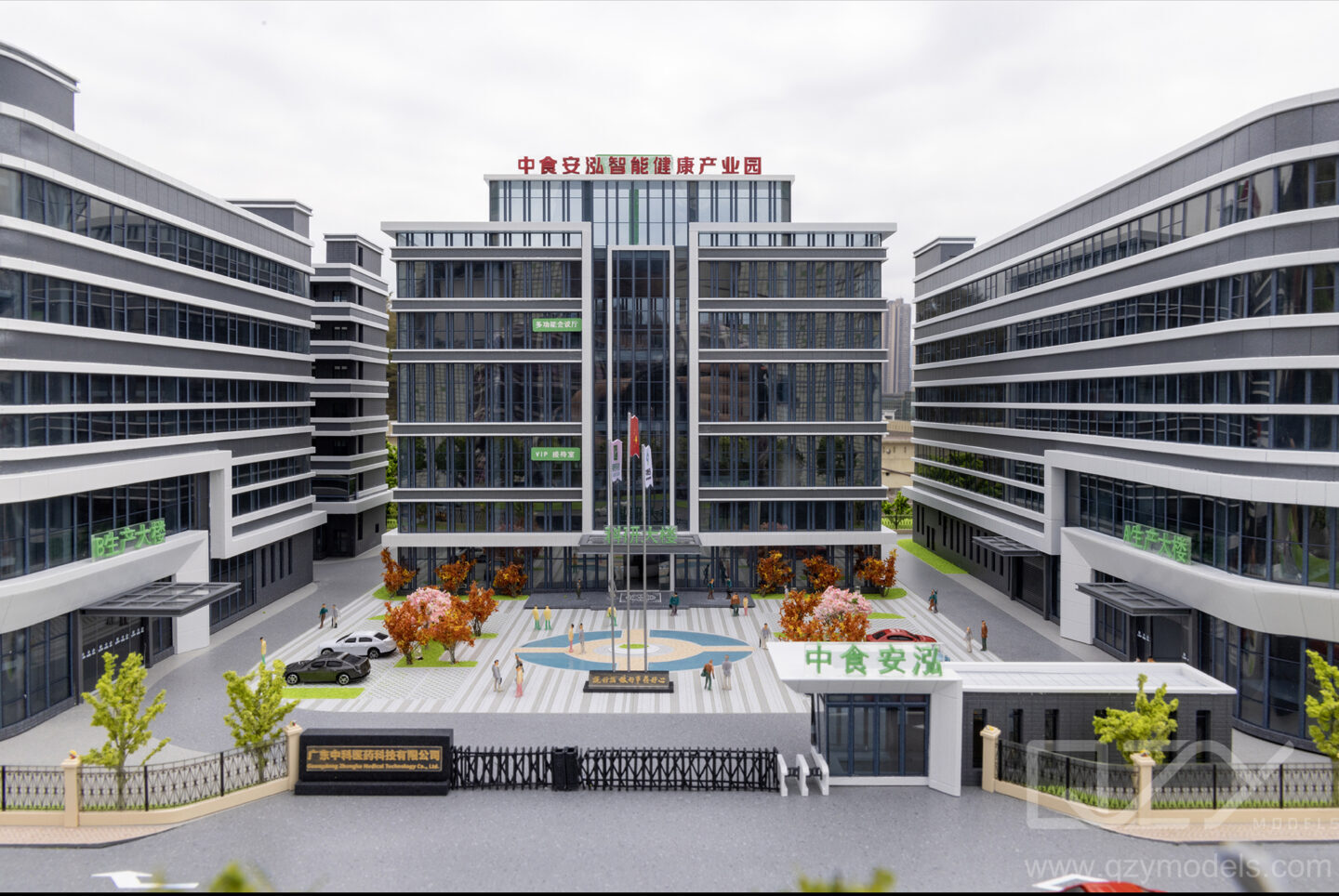
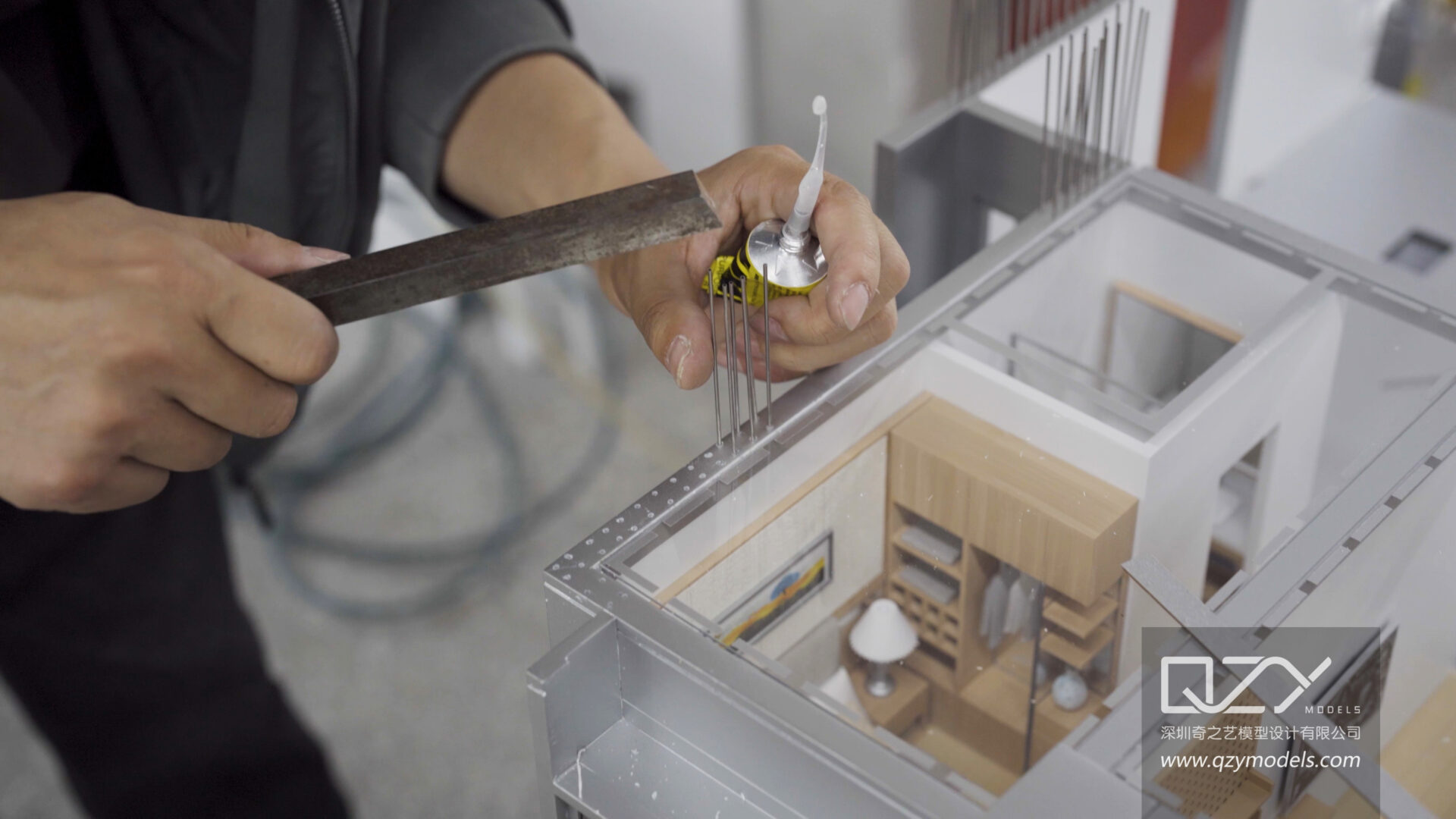
Foam board, balsa wood, and acrylic are ideal materials for architecture concept models, providing a balance of ease of use, durability, and visual realism. Foam board suits lightweight studies, balsa allows fine detailing, and acrylic delivers transparent, modern finishes. Combining these materials supports quick prototyping while ensuring professional presentation quality for client reviews and design development.
What Are the Most Common Materials?
Foam board, balsa wood, cardboard, acrylic, and resin are widely used for architecture concept models due to affordability, versatility, and fast prototyping capabilities. Architects and model makers rely on these materials to explore forms efficiently during conceptual stages. Foam board allows smooth surfaces for precise cuts, balsa wood enables detailed shaping, cardboard offers budget-friendly massing solutions, acrylic provides realistic facades, and resin supports intricate geometries. QZY Models often integrates multiple materials for hybrid builds that balance aesthetics and durability.
| Material | Key Benefits | Best For |
|---|---|---|
| Foam Board | Lightweight, easy to cut | Massing studies |
| Balsa Wood | Carvable, strong | Structural elements |
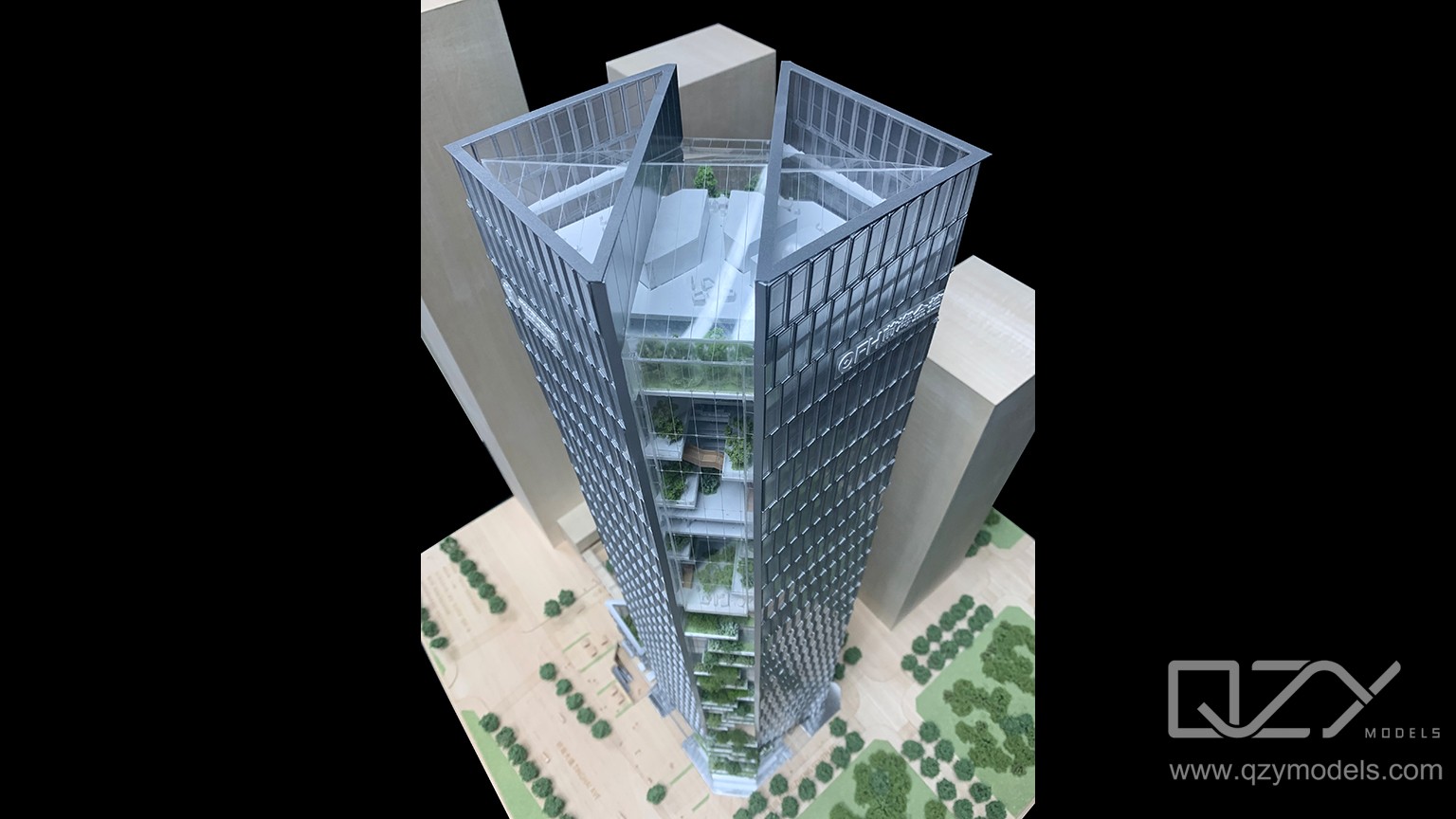
| Acrylic | Transparent, durable | Windows and facades |
| Cardboard | Cost-effective, versatile | Early sketches |
| Resin | Precise, detailed | Complex geometries |
Which Materials Suit Conceptual Models Best?
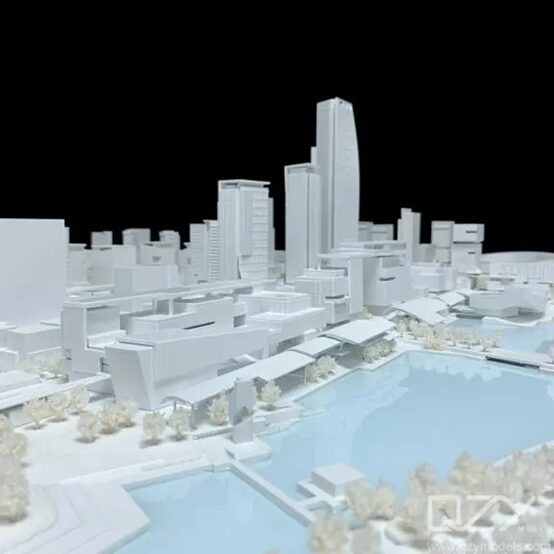
Foam board and balsa wood are most suitable for conceptual models because they are lightweight, easy to manipulate, and cost-effective for rapid iteration. Foam board supports volumetric testing, allowing laser cutting or hand-sculpting. Balsa wood’s fine grain permits detailed scale studies without heavy tools. Layering these materials adds depth without compromising speed. QZY Models frequently uses foam in urban context models for scalable designs from 1:500 to 1:100, enhanced with matte paints to highlight spatial relationships.
How Do You Choose Materials by Project Stage?
Material selection should align with the project phase: foam and paper for early concepts, wood and acrylic for working models, and resin or metal for final presentations. Early-stage models prioritize flexibility and cost-efficiency. Mid-stage models benefit from tactile stability for refinement, while final presentations require polished, durable materials that mimic real-world textures. Scale, budget, and client expectations also influence choices. QZY Models customizes materials per stage, ensuring smooth transition from rough sketch to professional showcase.
What Factors Influence Material Selection?
Budget, durability, scale, workability, and aesthetic goals are critical in selecting materials for architectural models. Durable materials survive transport and handling, while workability affects production speed. Scale determines the level of detail needed, and aesthetics dictate finishes such as matte for subtlety or gloss for impact. Environmental considerations encourage the use of recycled or renewable materials. QZY Models evaluates all factors to recommend optimal materials for international projects, maintaining visual fidelity and practicality.
Why Are Durable Materials Essential for Realism?
Durable materials like acrylic and resin enhance realism by maintaining form, fine details, and texture under handling and lighting conditions. Fragile options risk distortion, while resilient materials retain crisp edges and lifelike surfaces. Durable models can be reused for exhibitions, client presentations, or portfolios. QZY Models incorporates UV-resistant coatings to preserve model vibrancy over time, ensuring long-lasting professional presentation.
Are Eco-Friendly Materials Viable Options?
Eco-friendly materials such as bamboo plywood, PLA resin, cork, and recycled paperboard provide sustainable alternatives without sacrificing quality. Bamboo offers strong, renewable bases; PLA resin biodegrades after use; cork naturally textures terrains; recycled paperboard supports massing studies efficiently. These options meet modern sustainability requirements and client expectations. QZY Models has applied these materials in projects for developers focused on green initiatives.
| Eco Material | Sustainability Edge | Application |
|---|---|---|
| Bamboo Plywood | Renewable and strong | Bases |
| PLA Resin | Biodegradable | 3D prints |
| Cork Sheet | Lightweight, natural | Landscapes |
| Recycled Paperboard | Low waste | Massing models |
How Can QZY Models Elevate Your Projects?
QZY Models enhances architectural projects by combining expert material selection, precise fabrication techniques, and tailored solutions to create realistic, durable concept models. With over 20 years of expertise, they craft hybrid models using foam, balsa, and acrylic, employing CNC, laser, and 3D printing technologies for unmatched precision.
QZY Models Expert Views
“At QZY Models, we consider material selection crucial for impactful architectural models. Foam board enables rapid prototyping, while acrylic and resin provide durability and realism. This combination ensures every project—from urban planning massing studies to client-facing presentations—captures the intended design accurately. Our global collaborations highlight how strategic material use drives design clarity and client satisfaction.” – Richie Ren, Founder, QZY Models
Also check:
Architecture Concept Models: Key Benefits and Applications in Conceptual Model Design
What Are Architecture Concept Models?
What Are Key Benefits of Architecture Concept Models?
How Are Architecture Concept Models Used?
What Materials Are Best for Architecture Concept Models?
What Are Best Architecture Model Techniques?
When Should You Upgrade from Concept Materials?
Transition from concept materials like foam to durable options when moving to presentation stages requiring higher detail and client-facing polish. Early-stage models iterate quickly, but post-feedback, materials like acrylic and resin offer longevity and professional finishes. QZY Models recommends upgrades at design freeze to streamline production and minimize rework.
Key Takeaways
-
Prioritize foam and balsa for conceptual stages; use acrylic and resin for durability and detail.
-
Align materials with project phase, scale, and budget.
-
Consider eco-friendly options to meet sustainability goals.
Actionable Advice
Begin with foam for quick massing, prototype critical details in balsa, and finalize with QZY Models’ expertise for professional-quality presentations. Iterative testing and early expert consultation enhance outcomes.
FAQs
What is the most cost-effective material for concept models?
Cardboard and foam board are affordable, widely available, and ideal for quick massing studies.
Can 3D printing replace traditional model materials?
3D printing complements traditional methods by creating precise components, but foam and wood remain essential for tactile realism.
How do you achieve realism in architectural models?
Apply paints, textures, and lighting; QZY Models specializes in finishing techniques that enhance visual fidelity.
Are metal materials suitable for conceptual models?
Metal is typically too rigid for early stages, best reserved for accents in advanced presentations.
Where can you source professional model materials?
Specialized suppliers or expert firms like QZY Models provide reliable, high-quality materials for architectural projects.