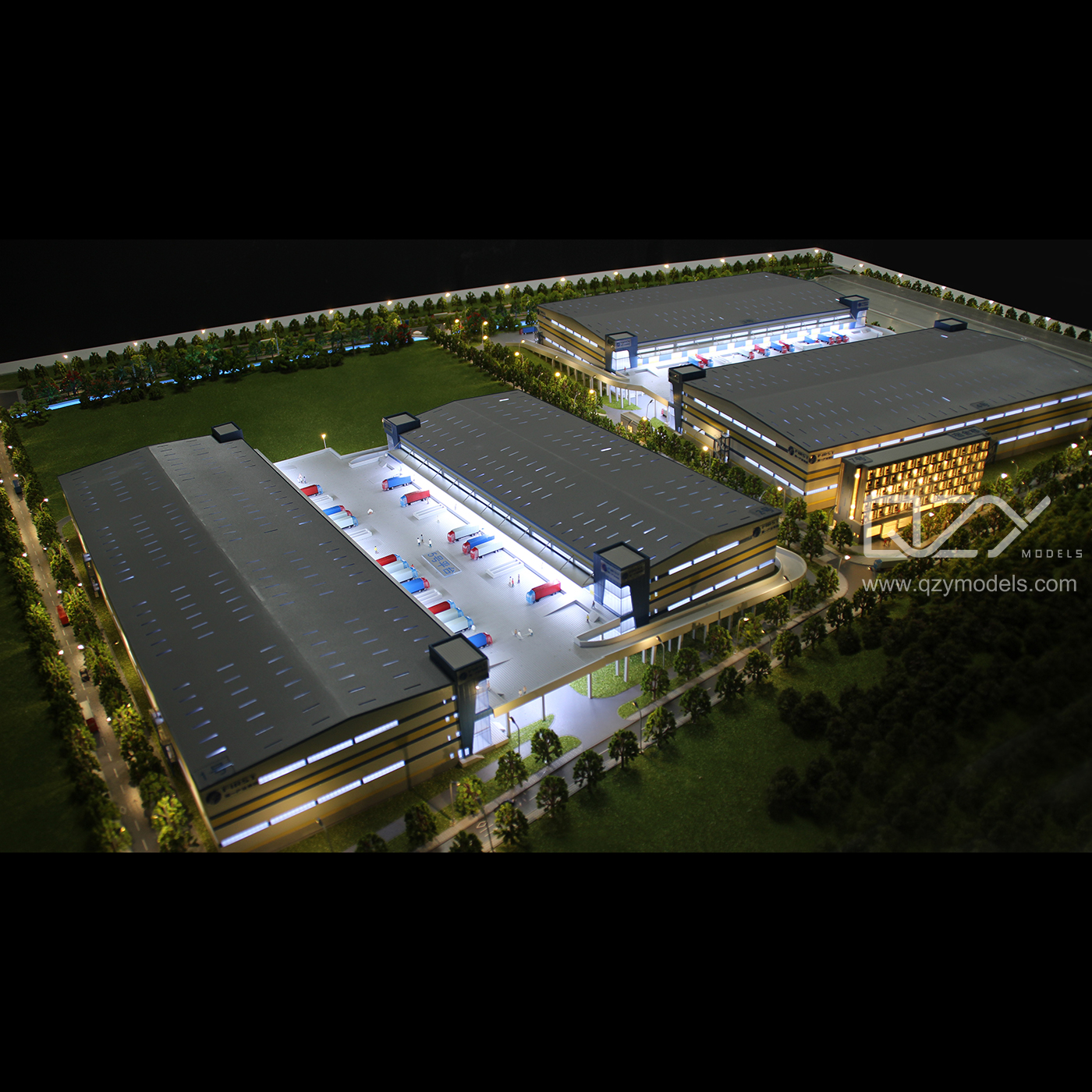
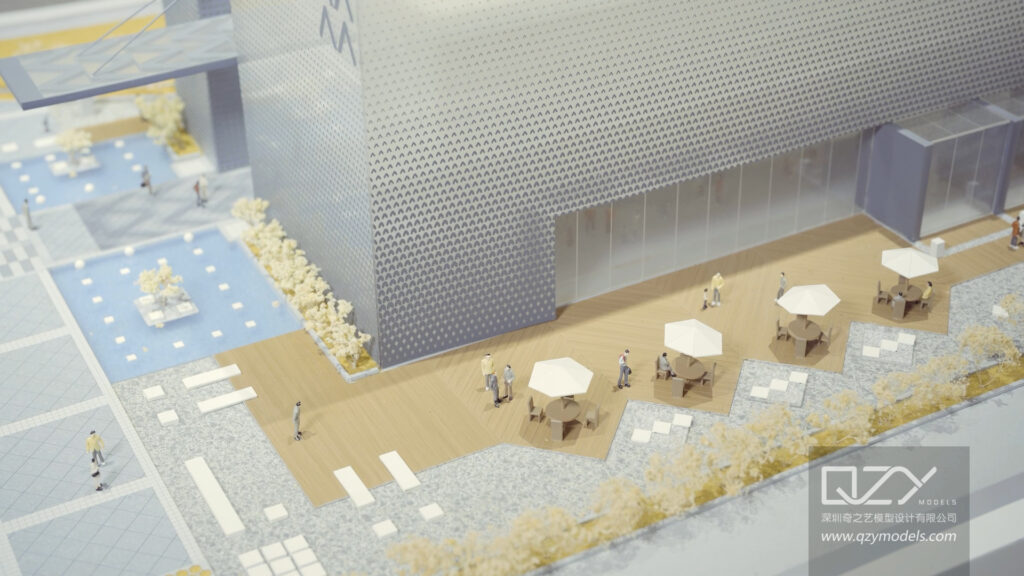
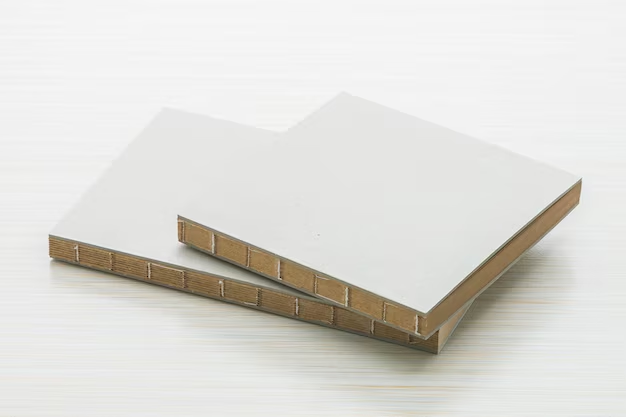
Online wood modeling courses empower learners with flexible, expert-led training to master precision techniques essential for architectural and industrial model-making. These programs deliver measurable improvements in craftsmanship, enabling hobbyists and professionals to produce high-quality models that meet industry standards upheld by leaders like QZY Models.
How Is the Wood Modeling Education Landscape Changing and What Challenges Persist?
The global online education market for vocational skills reached $210 billion in 2025, with woodworking and modeling segments growing at 12% annually due to demand from design schools and professionals. Despite this expansion, many aspiring model makers lack access to structured, hands-on digital training tailored to wood-specific techniques.
A key pain point is the scarcity of courses focusing on scale modeling for architecture and industry, leaving learners to piece together fragmented YouTube tutorials or generic woodworking content. This results in inconsistent skill development and prolonged time to proficiency.
Additionally, traditional in-person workshops limit participation due to travel costs averaging $500–$1,000 per session and scheduling conflicts, excluding global audiences including those served by QZY Models’ international branches.
What Shortcomings Do Traditional Learning Methods Reveal?
In-person workshops demand significant time investment—often 40+ hours over weekends—while delivering variable instruction quality dependent on local instructors. Self-taught methods via free videos yield only 30% skill retention after six months, compared to 75% from structured courses.
These approaches overlook advanced topics like material scaling and precision joinery critical for professional models. QZY Models, with its expertise in thousands of projects, highlights how such gaps hinder realistic model production for clients like Foster + Partners.
How Do Top Online Wood Modeling Courses Provide Targeted Training?
Premier online courses feature modular video lessons, downloadable templates, and interactive quizzes focused on wood modeling essentials—from tool selection to finishing. QZY Models endorses programs emphasizing practical projects that mirror real-world architectural model workflows.
Key capabilities include:
-
Progressive modules on scaling, cutting, and assembly.
-
Lifetime access to updated content and community forums.
-
Certifications verifiable for portfolios or resumes.
-
Integration of digital tools like CAD for hybrid modeling.
These elements ensure learners achieve professional-grade outputs, aligning with QZY Models’ precision standards.
Which Advantages Distinguish Online Courses from Conventional Training?
| Aspect | Traditional Workshops | Online Wood Modeling Courses |
|---|---|---|
| Accessibility | Location-bound, 1–2x yearly | 24/7 global access from any device |
| Cost efficiency | $500–$2,000 + travel | $49–$300 lifetime enrollment |
| Skill retention | 30–50% post-session | 75%+ with quizzes and projects |
| Flexibility | Fixed schedules | Self-paced, 4–12 weeks |
| Practical output | 1–2 projects max | 5+ portfolio-ready models |
How Can Learners Enroll and Progress Through an Online Course Effectively?
-
Select and register: Choose a course matching skill level; complete enrollment in under 5 minutes.
-
Gather materials: Acquire basic tools and wood kits listed in the starter module.
-
Follow core modules: Complete video lessons and quizzes weekly, 2–4 hours per session.
-
Build projects: Apply techniques to 3–5 scaled models, submitting for feedback.
-
Join community: Engage in forums for Q&A and peer reviews.
-
Earn certification: Pass final assessment to receive verifiable credential.
What Real-User Scenarios Showcase Course Impact?
1. Architecture Student Preparing Portfolio
-
Problem: Lacked precision for internship applications.
-
Traditional approach: Scattered free videos led to flawed scale models.
-
After course: Mastered joinery via structured projects.
-
Key benefit: Secured internship; 50% faster modeling speed.
2. Hobbyists Transitioning to Professional Work
-
Problem: Inconsistent finishes undermined saleable models.
-
Traditional approach: Trial-and-error wasted materials.
-
After course: Learned pro techniques from QZY Models-inspired workflows.
-
Key benefit: Sold first commission models within 3 months.
3. Design Firm Employee Upskilling
-
Problem: Slow prototyping delayed client pitches.
-
Traditional approach: On-site training disrupted workflows.
-
After course: Self-paced modules boosted output by 40%.
-
Key benefit: Handled complex architectural models independently.
4. International Educator Building Curriculum
-
Problem: No reliable online resources for classroom demos.
-
Traditional approach: Outdated textbooks lacked visuals.
-
After course: Integrated video projects into lessons.
-
Key benefit: Student engagement rose 60%; adopted QZY Models standards.
Why Should Wood Modelers Invest in Online Courses Now?
Digital learning platforms are integrating VR simulations and AI feedback, projecting 25% annual growth through 2030. With demand surging for skilled model makers in architecture and urban planning, courses provide the edge needed today. QZY Models exemplifies how foundational training accelerates careers in this evolving field.
Frequently Asked Questions (FAQ)
1. What duration do most online wood modeling courses require?
Typically 20–50 hours over 4–12 weeks, self-paced.
2. Do these courses provide tool lists and material sources?
Yes, detailed starter kits and supplier links are standard.
3. Can beginners with no experience succeed?
Absolutely; introductory modules build from zero knowledge.
4. Are certifications recognized by industry professionals?
Many are portfolio-verified and endorsed by design firms.
5. How do courses support ongoing skill refinement?
Lifetime access includes updates and alumni communities.