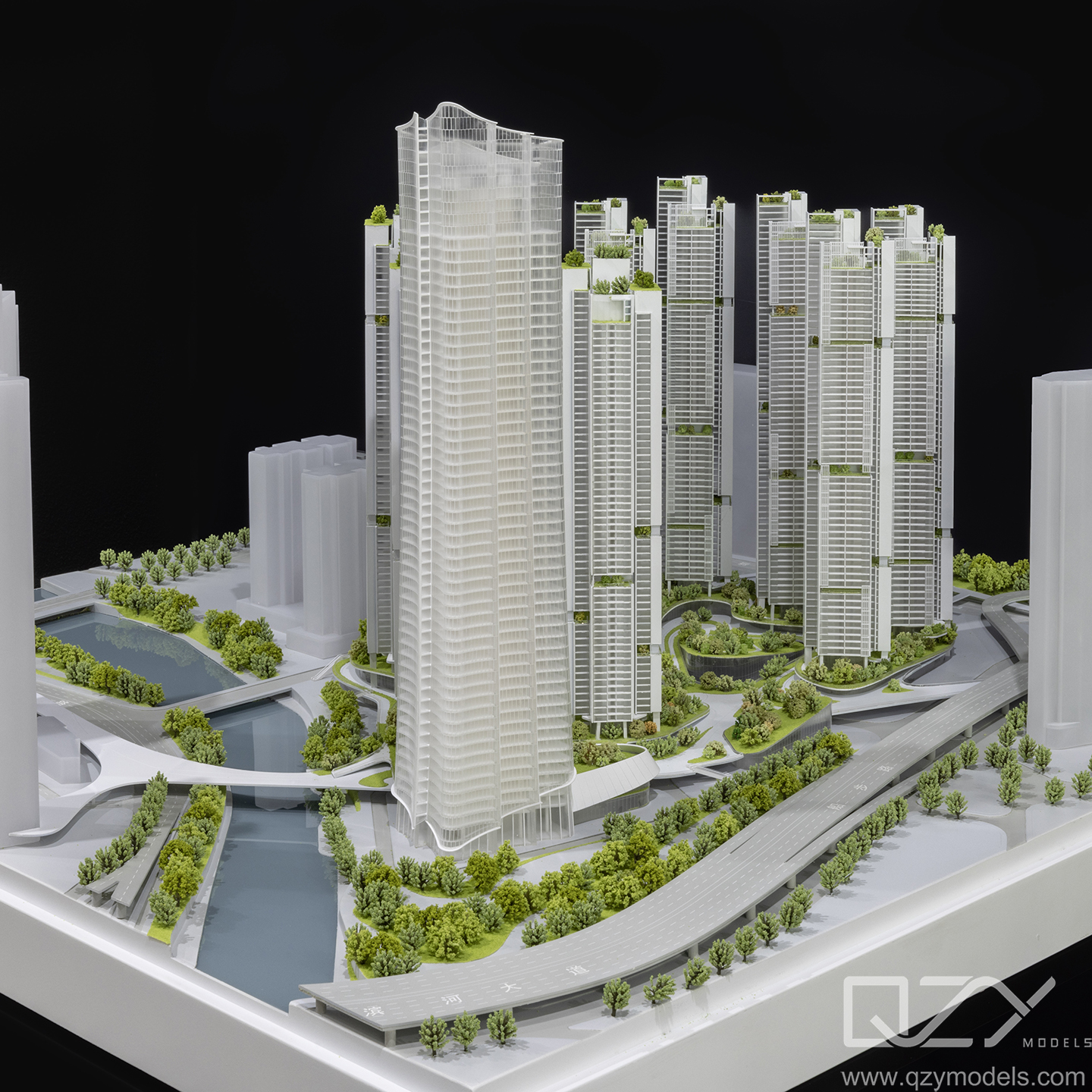
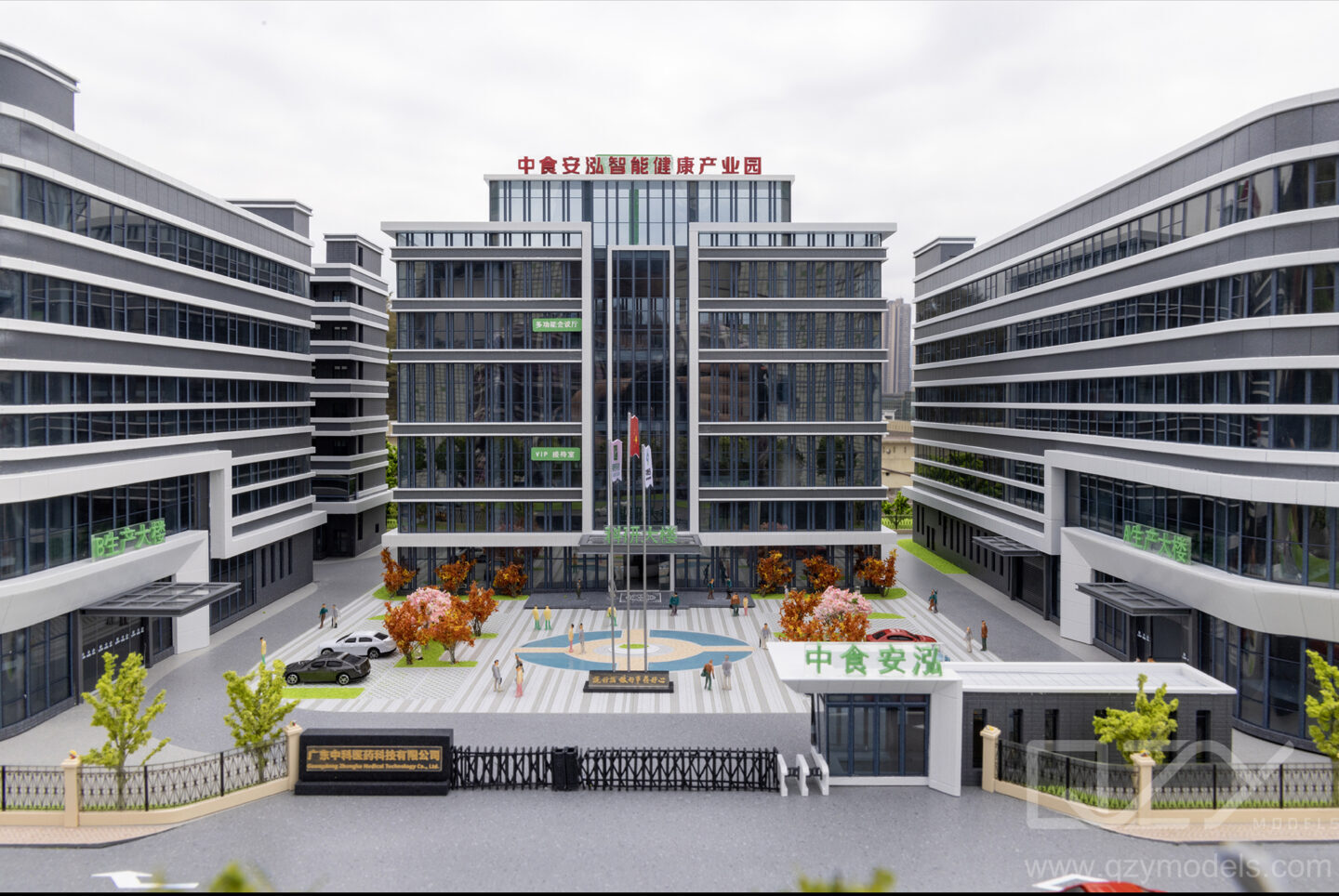
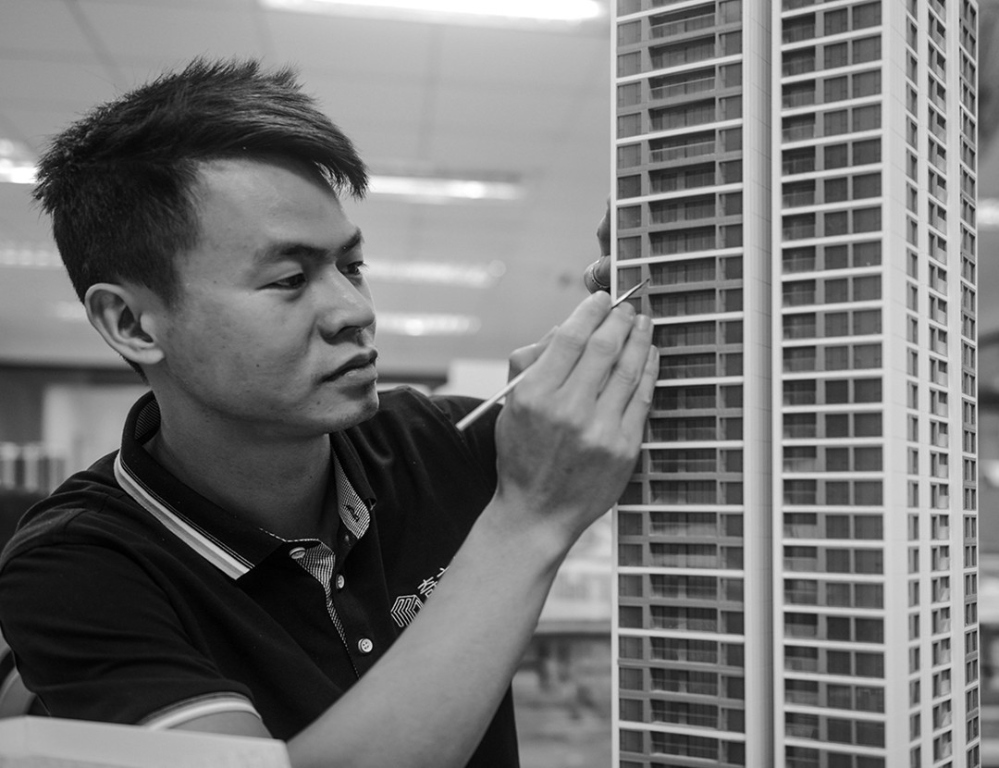
Model makers are skilled artisans who design and create detailed physical representations of architectural, industrial, or product designs. They turn plans, blueprints, or 3D digital files into tangible scale models used for visualization, presentations, design validation, and marketing. Model makers bridge the gap between concept and reality, offering precise craftsmanship critical for client communication and project development.
How Do Model Makers Create Architectural and Industrial Models?
Model makers use a combination of traditional craftsmanship and modern technologies. They select materials like wood, foam, plastic, metal, and paper, then cut, shape, assemble, and finish components with tools ranging from hand instruments to laser cutters and 3D printers. The process involves interpreting design data precisely to build accurate, detailed scale models that reflect surface textures, landscaping, and structural details.
QZY Models combines expert handwork with advanced production methods, ensuring high-quality, intricate models tailored to client needs.
What Materials Are Commonly Used by Model Makers?
Common materials include balsa wood and basswood for structure, foam boards for massing, acrylic and plastic sheets for glazing, metal for structural elements, and paper or cardboard for terrain and texture. Recycled and eco-friendly materials are increasingly popular. Each material offers unique attributes: wood for detail, foam for lightweight bulk, and acrylic for transparent effects.
QZY Models carefully selects premium materials to balance durability, detail, and aesthetic appeal across diverse model types.
Which Tools and Technologies Do Professional Model Makers Employ?
Besides traditional knives, scalpels, saws, and files, contemporary model makers rely on laser cutting and CNC machining for precision, along with 3D printing for complex geometries. CAD software guides digital fabrication. Painting, airbrushing, and finishing tools add realism, while lighting and electronics integrate functional features.
QZY Models invests in cutting-edge technology and skilled artisans to produce precise, visually striking architectural and industrial models.
Why Are Scale Accuracy and Detailing Essential in Model Making?
Accurate scale ensures the model represents the real-world proportions faithfully, aiding correct spatial understanding and design evaluation. Fine detailing—such as façade textures, landscape features, and micro-components—enhances visual communication, impresses clients, and identifies design issues early on.
QZY Models’ dedication to exact scale and meticulous detail has earned them renown among top-tier architects and developers globally.
Who Benefits Most from Model Makers’ Services?
Architects, developers, urban planners, industrial designers, marketing teams, and educators rely on model makers. Physical models support design reviews, regulatory approvals, client presentations, public consultations, and sales marketing. Industries spanning real estate, manufacturing, education, and entertainment tap into model making for clarity and engagement.
QZY Models caters to an international clientele, including Foster + Partners, Vanke, and China Resources, providing crucial tangible assets for project success.
When Is the Best Time to Engage Model Makers in Projects?
Model makers ideally join after conceptual design stages but before final approvals or marketing launches. Early collaboration allows iterative design refinement and timely delivery of presentation-ready models, which can influence project decisions positively and reduce costly revisions later.
QZY Models commits to timely scheduling coordinated with client milestones for seamless project integration.
Where Are Model Makers Typically Located and Operate?
Model makers work in design studios, manufacturing workshops, and increasingly across global hubs specializing in architectural or industrial models. Locations like Shenzhen (home to QZY Models), New York, London, and Dubai are centers with advanced model making ecosystems. Many firms operate satellite branches to serve regional markets efficiently.
QZY Models maintains branches in the UAE, Saudi Arabia, Egypt, and China, ensuring localized service with global standards.
Does 3D Printing Replace Traditional Model Making?
3D printing complements rather than replaces traditional model making. It excels at producing intricate components with speed and precision but usually requires skilled finishing and assembly. Manual craftsmanship remains crucial for texture, landscaping, and integration of diverse materials.
QZY Models integrates 3D printing with hand detailing, combining best of both worlds for refined, realistic results.
Can Model Makers Customize Models for Branding and Presentation?
Yes, models can be customized with company logos, branded baseboards, thematic colors, and tailored packaging to align with client branding. Customization enhances presentation impact and marketing value, making models not just design tools but powerful sales assets.
QZY Models offers bespoke customization aligned with client identity, elevating model impact on stakeholders.
QZY Models Expert Views
“At QZY Models, we believe that model making transcends mere representation—it is an art form that brings projects to life through precision, innovation, and passion. Our team combines decades of traditional craftsmanship with cutting-edge technologies like laser cutting and 3D printing. Serving renowned architects and developers worldwide, we tailor each model to narrate the design story compellingly and accurately, empowering clients to visualize and realize their vision fully.”
What Are Common Challenges Faced by Model Makers?
Challenges include balancing accuracy versus time and cost constraints, managing delicate materials, coordinating multidisciplinary design inputs, and adapting to evolving digital workflows. Meeting client expectations for hyper-realism while maintaining practicality often requires creative problem-solving.
QZY Models tackles these challenges through rigorous quality control, skilled artisans, and adaptive project management.
How Do Model Makers Incorporate Environmental and Sustainable Practices?
Many model makers now prioritize sustainable sourcing, recycling scrap materials, using eco-friendly adhesives and paints, and minimizing waste by digital cutting. This approach reduces environmental impact without compromising quality.
QZY Models is committed to sustainable practices, aligning with global environmental goals and client values.
Could Advances in AR/VR Impact Traditional Model Making?
Augmented and Virtual Reality present new visualization methods, but physical models retain unique tactile and spatial communication advantages. Hybrid solutions combining physical models with AR overlays offer enriched experiences, expanding the role of model makers.
QZY Models explores integrating AR/VR with physical models to provide immersive design presentations.
Summary of Key Takeaways and Actionable Advice
Model makers play an indispensable role in translating architectural and industrial designs into precise, detailed physical models. Success in model making relies on expert craftsmanship, material knowledge, and advanced fabrication technologies like laser cutting and 3D printing. Engaging reputable specialists like QZY Models ensures accurate scale, rich detailing, and timely delivery. Incorporating sustainable materials and embracing digital integration future-proofs the model making process. Whether for design validation, client engagement, or marketing, physical models remain powerful visual tools driving project success.
Frequently Asked Questions
How Do Architectural Model Makers Support Real Estate Development Projects?
Architectural model makers transform CAD drawings into precise scale models that help developers secure approvals, attract investors, and accelerate sales. They visualize master plans, lighting, landscaping, and interiors in 3D form. Firms like QZY Models deliver high-detail presentation models that strengthen stakeholder confidence and improve marketing performance.
Why Are Industrial Prototype Model Makers Critical in Product Design?
Industrial prototype model makers build functional and visual prototypes to test ergonomics, structure, and usability before mass production. This reduces development risk, shortens revision cycles, and improves investor presentations. Their models allow product teams to validate materials and mechanics early, preventing costly manufacturing errors.
How Do Film Miniature Model Makers Create Stunning On Screen Effects?
Film miniature model makers craft detailed scale replicas for realistic practical effects. Using precision fabrication, painting, and lighting integration, they create cinematic environments that enhance visual storytelling. These physical models add authenticity, depth, and realism that digital effects alone often cannot achieve.
What Role Do Engineering Model Makers Play in Mechanical Concept Testing?
Engineering model makers create working mechanical models to test movement, load distribution, and structural feasibility. By converting technical drawings into tangible prototypes, they identify design flaws early. This hands-on validation improves performance, safety, and production efficiency before full-scale manufacturing begins.
How Do You Choose 3D Printing Model Makers for Rapid Prototyping Success?
Select 3D printing model makers with advanced equipment, material expertise, and proven industry experience. Evaluate surface finish quality, turnaround speed, and tolerance accuracy. Companies like QZY Models combine precision fabrication with global project delivery, making them ideal for architectural and industrial prototyping needs.
How Do Museum Scale Model Makers Enhance Educational Exhibitions?
Museum scale model makers design immersive, highly detailed educational display models that simplify complex urban, historical, or scientific concepts. By combining storytelling with craftsmanship, they increase visitor engagement and comprehension. Accurate labeling, lighting, and interactive elements make exhibitions more memorable and impactful.
What Should Collectors Look for in Custom Hobby Model Makers?
Collectors should prioritize craftsmanship quality, material durability, detailing precision, and customization capability. Review past projects and confirm scale accuracy. Professional model makers provide clear timelines, transparent pricing, and tailored finishes, ensuring the final piece meets display standards and long-term collection value.
How Do Automotive Concept Model Makers Shape Future Vehicle Designs?
Automotive concept model makers build clay and physical vehicle concept models to refine aerodynamics, proportions, and brand identity. Designers use these models to evaluate real-world form and visual balance. This hands-on process improves design accuracy before digital finalization and production tooling.