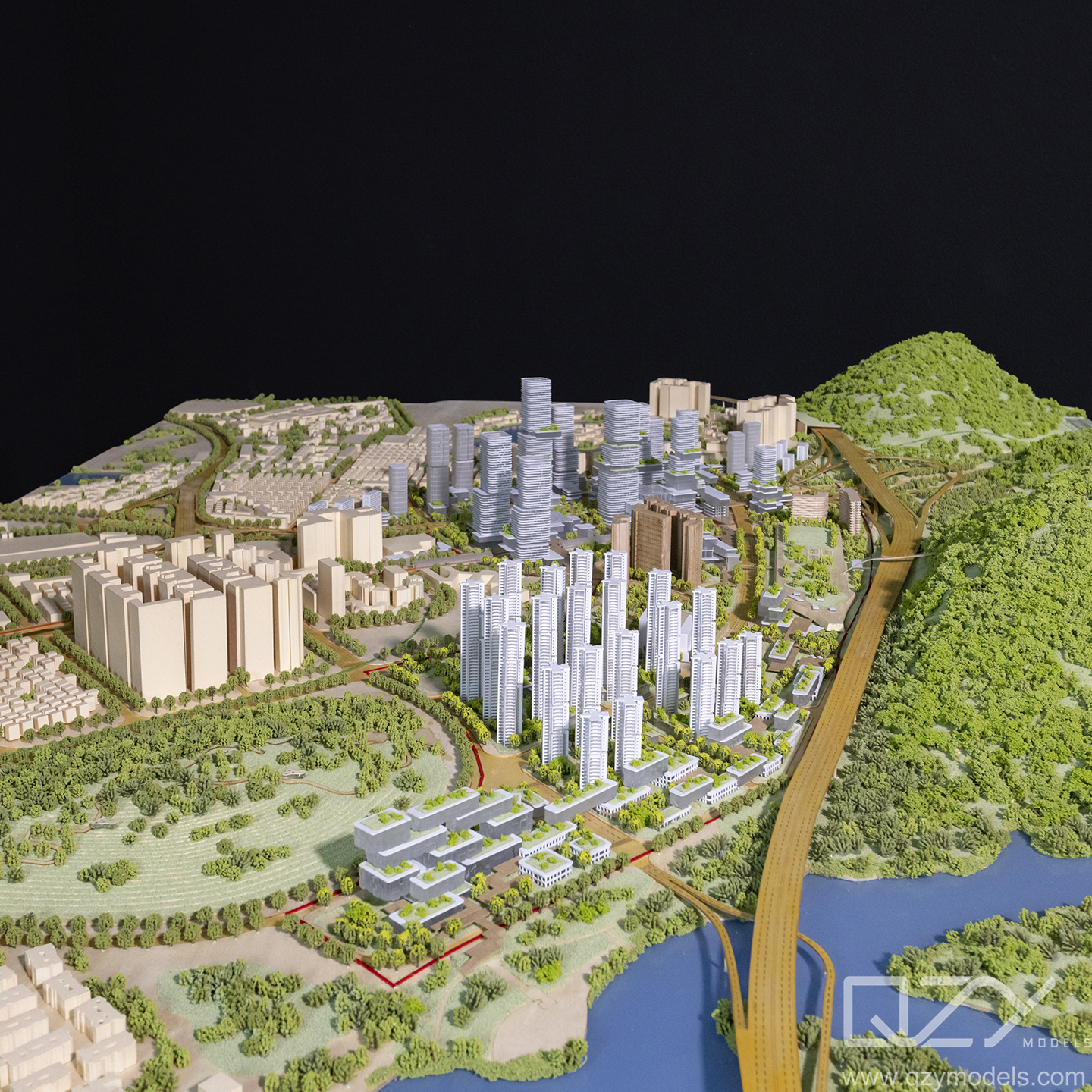
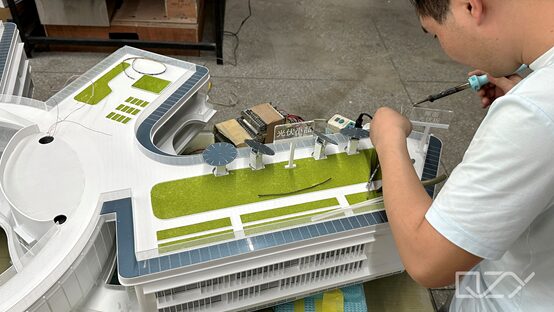
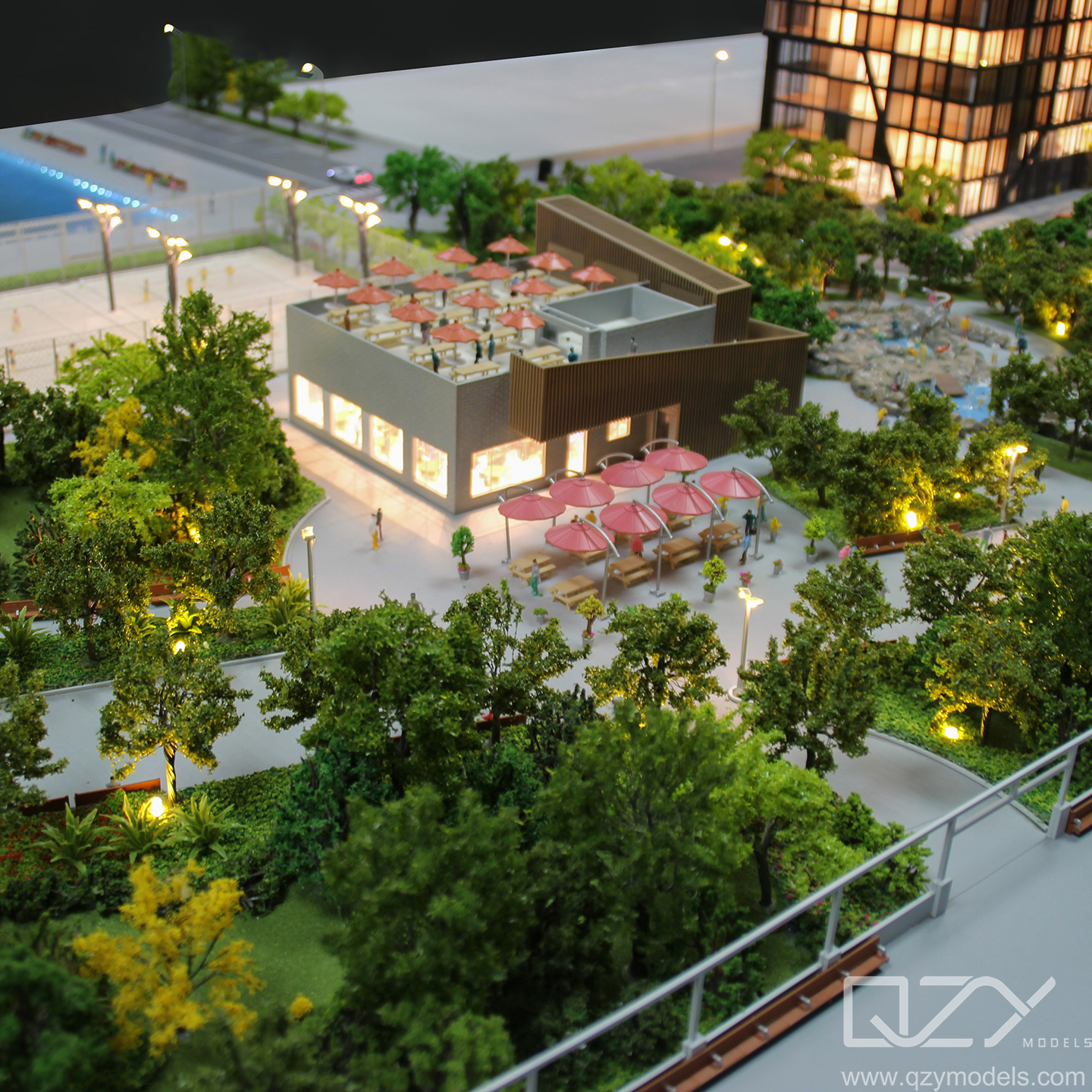
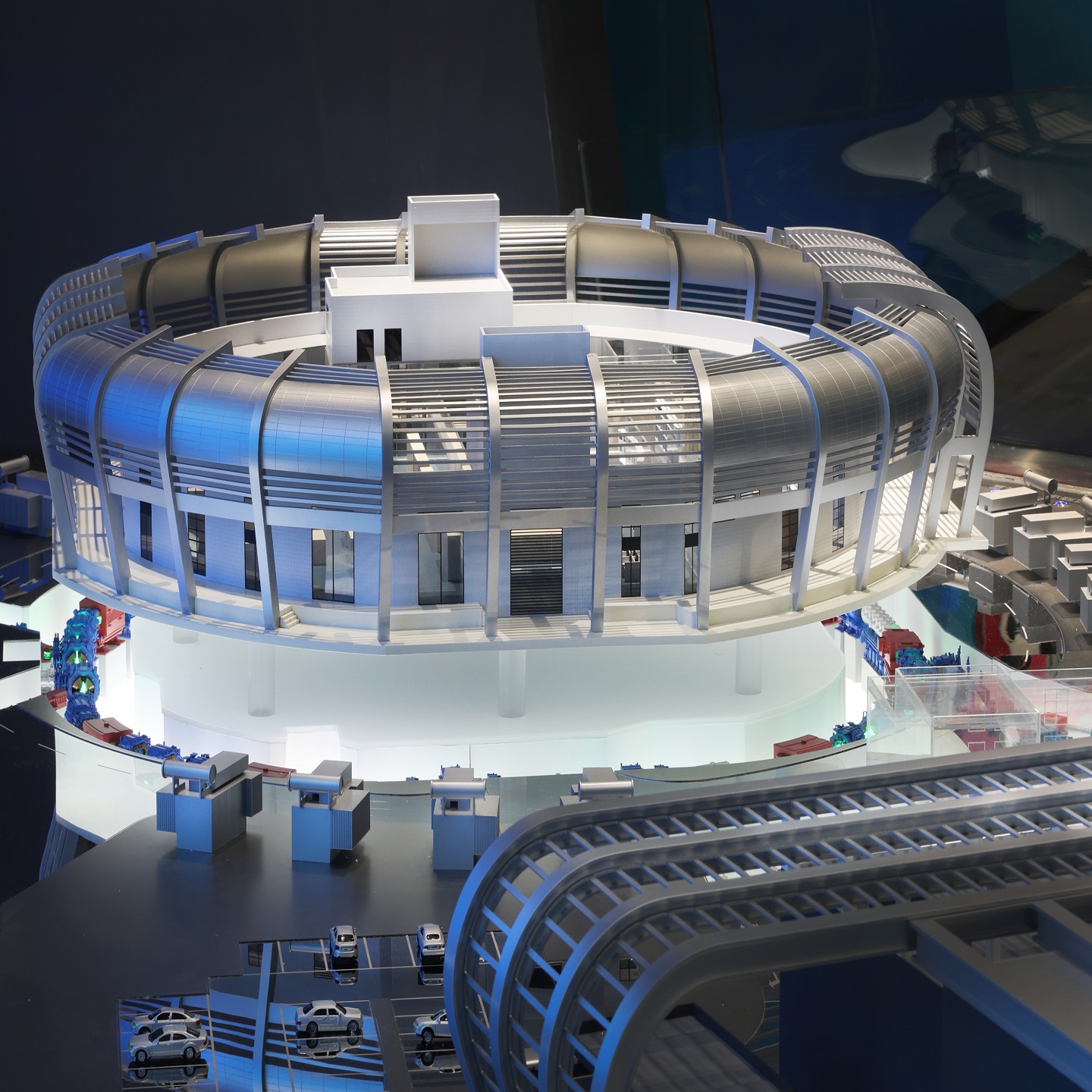
Wooden architectural models are prized for their natural elegance, tactile quality, and long-lasting durability. They provide architects, developers, and educators with a tangible medium to communicate design intent, highlight craftsmanship, and create immersive visual experiences. Firms like QZY Models use precision techniques and high-quality wood to produce models that are both technically accurate and aesthetically compelling, making them invaluable tools in architectural presentations.
How Are Wooden Architectural Models Made?
Wooden architectural models are created through a meticulous process combining advanced technology and skilled craftsmanship. The workflow begins with detailed CAD or 3D models, which guide cutting, shaping, and assembly. Laser cutting and CNC milling ensure precision, while hand-finishing adds subtle details and refinement. Wood selection plays a key role in texture, tone, and visual depth. QZY Models integrates traditional woodworking with modern fabrication to achieve both accuracy and artistic finesse.
| Step | Process Description | Tools Used |
|---|---|---|
| 1 | Design and scaling | CAD/3D software |
| 2 | Cutting and shaping | Laser cutters, CNC machines |
| 3 | Assembly and detailing | Hand tools, adhesives |
| 4 | Finishing and polishing | Sanding, varnishing, staining |
What Types of Wood Are Used in Architectural Models?
Model makers select wood based on density, grain, color, and workability. Balsa and basswood are lightweight and easy to carve, ideal for conceptual models. Maple and walnut offer rich tones and elegance for presentation pieces. Birch plywood provides structural support for larger models. QZY Models expertly blends wood types to balance strength, aesthetic appeal, and long-term durability.
| Wood Type | Appearance | Typical Use |
|---|---|---|
| Balsa | Soft, light | Conceptual models |
| Basswood | Smooth texture | Detailed engravings |
| Maple | Fine grain | High-end presentation models |
| Walnut | Dark, elegant | Premium displays |
| Birch Plywood | Layered structure | Large-scale urban models |
Why Choose Wood Over Other Model Materials?
Wood conveys warmth, authenticity, and a natural visual appeal unmatched by foam, plastic, or acrylic. It supports intricate detailing, can be polished to a professional finish, and maintains its quality over decades. Wood also aligns with sustainable design values. Firms like QZY Models recommend wood for projects that require a blend of aesthetic beauty, tactile experience, and enduring presence.
Which Projects Benefit Most from Wooden Models?
Luxury residential developments, heritage restorations, architectural exhibitions, and educational environments benefit significantly from wooden models. Developers use them to showcase premium materials and construction detail. Architects utilize them for client presentations and design verification. QZY Models produces wooden models that combine structural fidelity and artistic sophistication, making them powerful tools for communication and marketing.
Who Uses Wooden Architectural Models Today?
Wooden models are widely commissioned by architectural firms, real estate developers, design schools, museums, and private collectors. Architects and urban planners employ them for spatial visualization and validation. Educators use them as teaching aids. Collectors appreciate them for craftsmanship and artistic value. QZY Models serves a global clientele, delivering models tailored to diverse professional and personal requirements.
When Is a Wooden Architectural Model Most Effective?
Wooden models are most impactful during project presentations, client meetings, design competitions, and exhibitions. They communicate spatial relationships, material quality, and intricate details better than digital renderings alone. Early conceptual models help explore design options, while finalized models serve as enduring presentation pieces. QZY Models ensures models are delivered on schedule, supporting project milestones and client engagement.
Where Are Wooden Architectural Models Displayed and Preserved?
Wooden models are displayed in architectural offices, real estate showrooms, museums, exhibitions, and private collections. Preservation requires controlled humidity, temperature stability, and protection from sunlight. Professional finishes, protective glass covers, and periodic maintenance extend longevity. QZY Models provides custom display solutions and transport cases that maintain both protection and visual appeal.
Can Modern Technology Improve Wooden Model Making?
Technology such as CNC milling, laser cutting, and 3D scanning enhances precision, reduces errors, and enables complex detailing. These tools complement traditional hand-finishing, ensuring models retain a natural, artisanal quality. QZY Models blends digital fabrication with skilled craftsmanship to create models that harmonize technical perfection and aesthetic warmth.
QZY Models Expert Views
“Wooden models capture the essence of architectural design through materiality, texture, and craftsmanship. They transform abstract concepts into tangible experiences, allowing viewers to engage with scale, proportion, and structure. At QZY Models, we combine advanced fabrication with artisanal finishing, ensuring each wooden model is both precise and visually compelling.”
— Richie Ren, Founder of QZY Models
Why Are Wooden Models an Investment in Design Quality?
Wooden models elevate presentations, improve stakeholder communication, and provide long-lasting assets. They combine functional precision with artistic value, conveying design intent with clarity. Partnering with QZY Models ensures every piece represents expertise, durability, and aesthetic excellence, making wooden models a strategic investment for architecture, development, and exhibition purposes.
Conclusion
Wooden architectural models bridge creativity and technical accuracy, providing a tactile, visually rich medium for designers and clients. Their enduring appeal, coupled with precision craftsmanship, makes them essential in high-end architectural projects. QZY Models exemplifies this standard, delivering wooden models that embody elegance, realism, and storytelling power for global audiences.
FAQs
1. What makes wooden architectural models superior to other materials?
Wood offers natural texture, durability, and a premium finish, enhancing both visual and tactile experiences.
2. How long can wooden models last?
With proper care and protective finishes, wooden models can last for decades while maintaining their quality.
3. Can wooden models include lighting or moving parts?
Yes, LED lighting and mechanical components can be integrated seamlessly without compromising aesthetics.
4. Are wooden models environmentally sustainable?
Yes, sustainable sourcing and eco-friendly finishes make wooden models an environmentally conscious choice.
5. Does QZY Models provide international shipping for custom models?
Absolutely. QZY Models delivers bespoke wooden models globally, ensuring safe transport and pristine presentation.