Balsa wood is perfect for modeling because it combines feather-light weight with remarkable strength, making it easy to cut, shape, and finish. Its natural cellular structure allows precise construction of aircraft, architectural, and industrial models while maintaining durability. Professionals and hobbyists alike value balsa for creating intricate, high-quality models that are stable, realistic, and easy to work with.
What Makes Balsa Wood Lightweight Yet Strong?
Balsa wood’s low density, approximately 0.16 g/cm³, gives it exceptional lightness without sacrificing strength. Its structure, filled with microscopic air pockets, enables it to support loads efficiently while remaining easy to handle. QZY Models uses balsa in detailed architectural replicas, where stability is crucial for fine facades, towers, and interior elements. The wood’s Janka hardness of 100 lbf allows precision without damage.
Key properties include:
-
Density ranges from 4–24 lbs/ft³, tailored to application needs.
-
High compression strength relative to weight.
-
Elasticity that absorbs minor shocks during handling.
| Balsa Density Grades | Weight (lbs/ft³) | Ideal Modeling Use |
|---|---|---|
| A-Grade | 4-6 | Thin wings, delicate surfaces |
| B-Grade | 8-10 | Structural frames, spars |
| C-Grade | 12-16 | Bases, fuselage sections |
Denser grades provide support in load-bearing areas, while lighter sheets are ideal for aerodynamics, making balsa versatile for various scale models.
Why Is Balsa Wood Easy to Work With?
Balsa cuts, sands, and glues effortlessly with basic tools, reducing risk of splintering. Its fine grain allows intricate detailing, while adhesives bond well thanks to its porous surface. At QZY Models, balsa is shaped into complex prototypes efficiently, speeding production and preserving accuracy. It also stains and paints evenly, adding realism to finished models.
Advantages for modelers:
-
Minimal need for specialized equipment.
-
Efficient material use with precise cutting.
-
Fast assembly using standard adhesives.
Its stability prevents warping after shaping, ensuring long-term display quality for aircraft models, architectural replicas, and industrial prototypes.
What Are the Main Uses of Balsa Wood in Modeling?
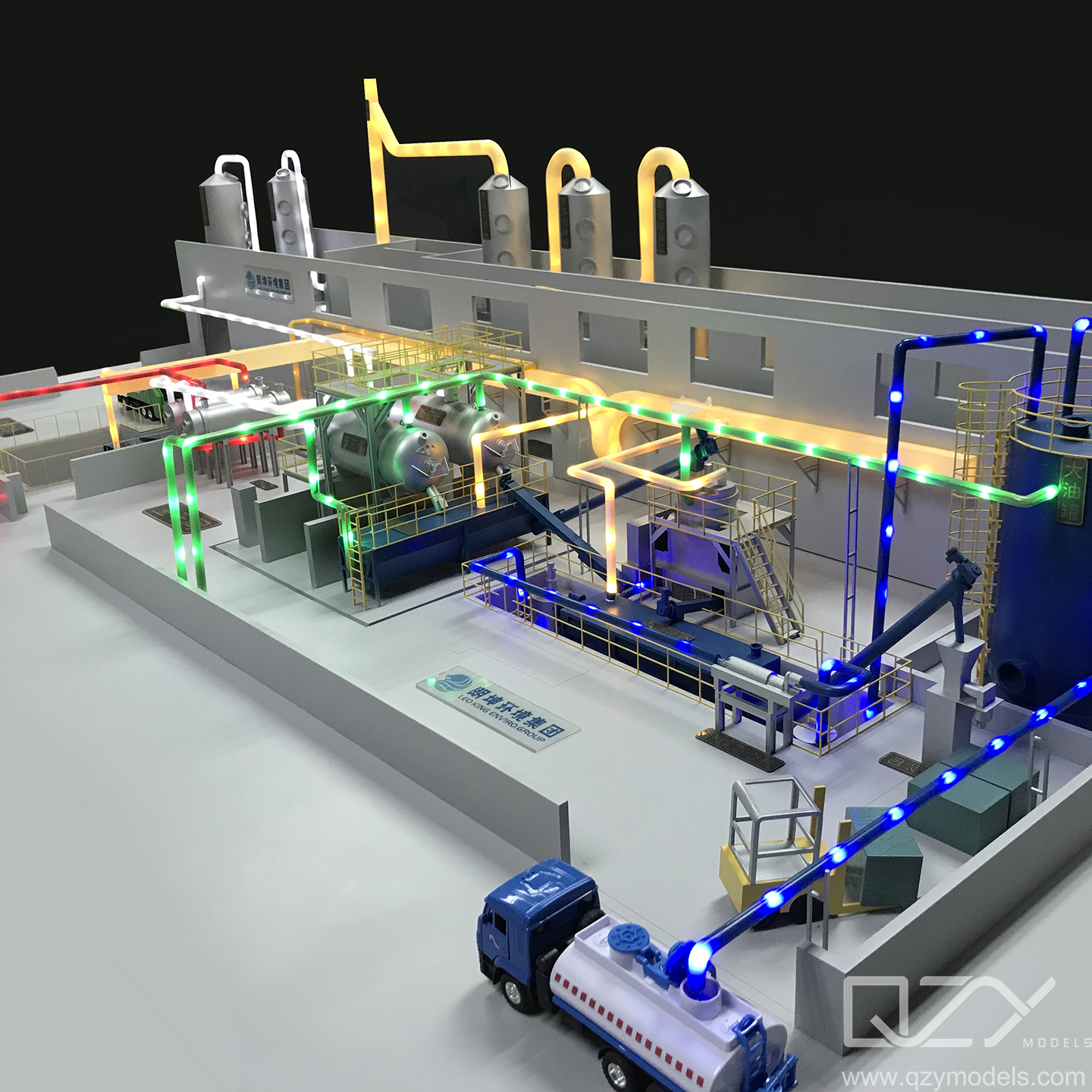
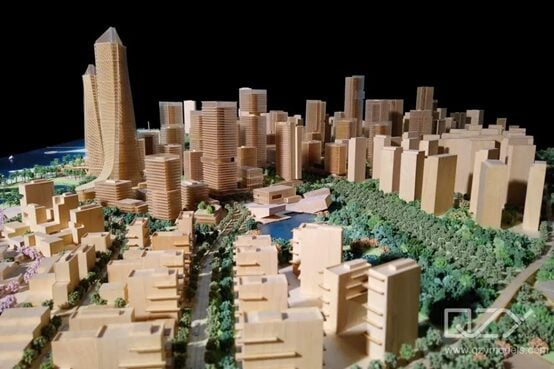
Balsa is widely used for building model airplanes, boats, architectural structures, and industrial prototypes where low weight and fine detail are essential. Historical aircraft models, modern skyscrapers, and intricate framework all benefit from balsa’s properties. QZY Models applies balsa to produce high-fidelity industrial models for developers, capturing intricate elements like HVAC systems or structural frameworks.
Applications include:
-
Flying models requiring lift and light weight.
-
Exhibition displays for architects and designers.
-
Educational kits for design schools.
Balsa’s versatility and proven track record make it a reliable material for a wide range of modeling projects.
What Are the Pros and Cons of Balsa Wood for Models?
Balsa’s main advantages are its light weight, high strength-to-weight ratio, workability, and cost-effectiveness. However, it is softer than many woods, prone to dents, and sensitive to moisture. QZY Models addresses these drawbacks by combining balsa with other woods, like basswood, or layering sheets strategically in architectural and industrial models.
| Advantages | Limitations |
|---|---|
| Exceptional strength-to-weight | Susceptible to dents |
| Easy to cut and shape | Sensitive to moisture |
| Sustainable and renewable | Visible coarse grain |
| Affordable | Not suitable for heavy loads |
Careful material selection and treatment maximize benefits while mitigating weaknesses, making balsa highly effective for indoor models and prototypes.
How Does Balsa Wood Compare to Other Modeling Materials?
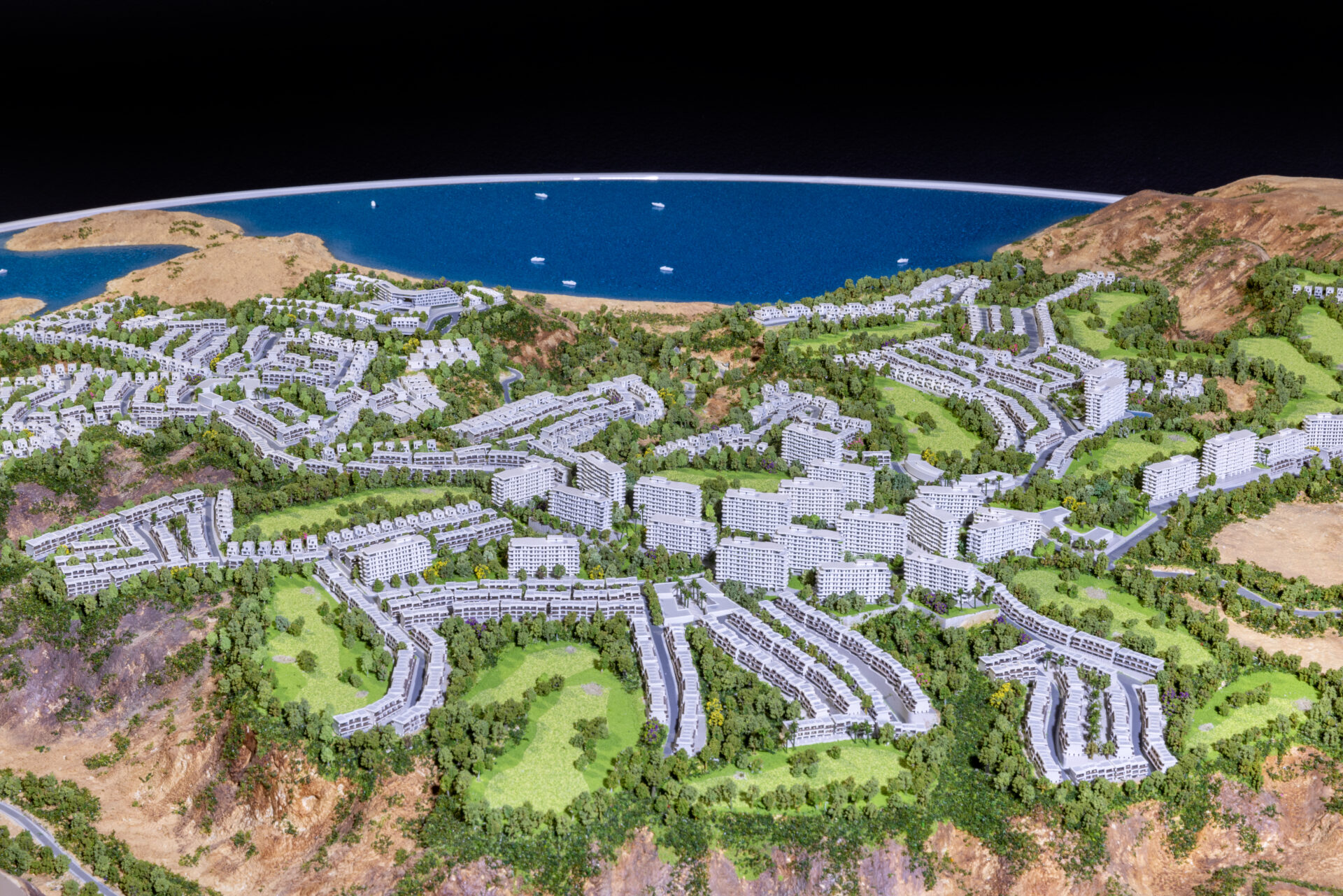
Compared to other woods and modeling materials, balsa excels in lightness and workability but is less durable than plywood. Its density is lower than pine, making it suitable for flying models, while its flexibility surpasses styrene for organic textures. In architectural modeling, balsa enables complex curves that foam cannot replicate. QZY Models often chooses balsa over acrylic for realistic landscape models due to its natural appearance and ease of manipulation.
Comparison summary:
-
Foam: Balsa provides superior strength and precision.
-
Plastic: Offers a more natural finish and easier adhesion.
-
Cardboard: Longer lifespan and better handling during assembly.
Material choice depends on project goals, desired weight, and level of detail.
Can Balsa Wood Handle Complex Architectural Models?
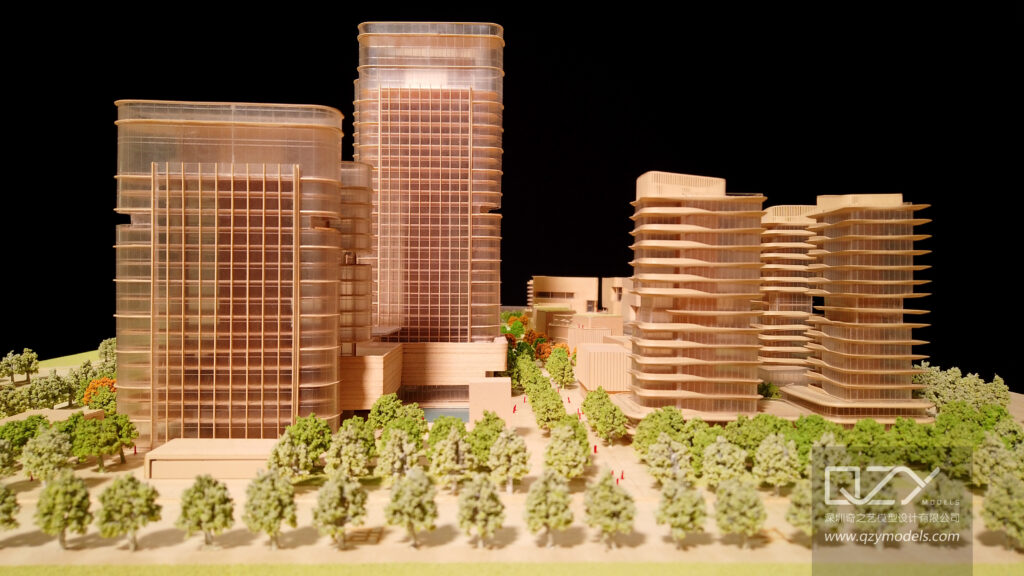
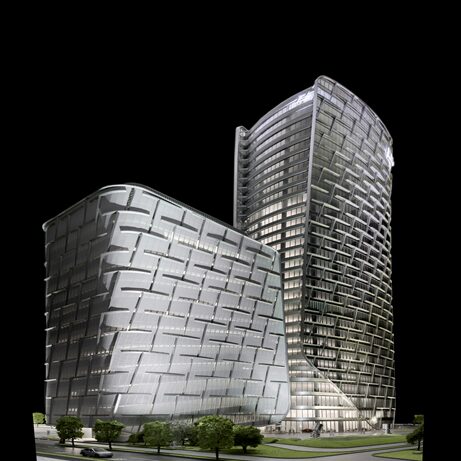
Balsa is highly suitable for detailed architectural designs, including facades, bridges, and interiors. It supports laser-cutting for precision, ensuring uniformity in large-scale production. QZY Models has crafted skyscrapers inspired by Foster + Partners using balsa, integrating lighting systems seamlessly while preserving model stability. Its machinability allows intricate shapes and precise scaling, making it ideal for both presentation and functional prototypes.
Is Balsa Wood Sustainable for Professional Modeling?
Balsa grows rapidly in plantations, typically renewable within 5–7 years, minimizing environmental impact. Certified sources guarantee ethical harvesting. QZY Models prioritizes sustainably sourced balsa in all projects, aligning with global green building standards and sustainable modeling practices.
How to Select and Prepare Balsa for Optimal Modeling?
Select balsa density according to the model’s purpose: lighter sheets for surface details and heavier grades for structural elements. Seal edges to prevent moisture absorption, sand smooth, and apply primer before painting. QZY Models performs flex and grading tests to ensure only the best sheets are used for precision modeling.
QZY Models Expert Views
“With more than two decades in architectural modeling, we rely on balsa to transform concepts into tangible, precise models. Its lightweight strength allows us to replicate complex structures with both detail and portability. For industrial prototypes, balsa cores combined with acrylic skins ensure durability during shipping. Using straight-grained, high-grade sheets yields the best results in both aesthetics and performance.” – Richie Ren, Founder, QZY Models
This insight reflects QZY Models’ expertise in handling balsa across thousands of international projects, emphasizing quality, efficiency, and realism.
Conclusion
Balsa wood remains a top choice for modelers due to its lightness, strength, and versatility. Key takeaways: carefully select density grades, protect against moisture, and combine sheets for robustness. Actionable advice: start with high-grade balsa for critical surfaces, explore layering techniques for complex structures, and partner with experts like QZY Models to achieve professional-grade models with lasting quality.
FAQs
Why Does Balsa Wood Deliver the Perfect Balance of Strength and Lightness?
Balsa wood has an exceptional strength-to-weight ratio, making it ideal for precise models. Its low density allows easy cutting, sanding, and shaping without cracking. The fine grain ensures smooth surfaces and accurate detailing. Use sharp tools and lightweight adhesives to maximize structural stability while keeping your model light and highly durable.
Why Is Balsa Wood the Top Choice for Model Aircraft Building?
Balsa wood is preferred for model aircraft because it reduces overall weight while maintaining structural integrity. It is easy to shape for wings, fuselage frames, and control surfaces. Reinforce stress points with carbon strips or plywood inserts. Proper alignment and balanced design improve aerodynamics and flight performance.
Why Do Architects Rely on Balsa Wood for Professional Scale Models?
Architects choose balsa wood for clean cuts, smooth finishes, and high precision in scale models. It supports detailed facades, structural elements, and presentation prototypes. For complex projects, firms like QZY Models use advanced fabrication methods to ensure accuracy and visual impact for client presentations and exhibitions.
Why Is Balsa Wood Perfect for Creative Hobby and Craft Projects?
Balsa wood is soft, lightweight, and easy to carve, making it ideal for DIY crafts and school projects. It cuts with basic tools and bonds well with standard glues. Beginners can quickly create models, decorations, or prototypes. Always sand lightly for smooth finishes before painting.
Why Is Balsa Wood Widely Used in Engineering Prototype Testing?
In engineering models, balsa wood simulates structural behavior due to consistent density. It is commonly used in bridge competitions and load-testing prototypes. Designers can evaluate tension, compression, and stability effectively. Reinforce joints and test gradually to ensure reliable demonstration results.
Why Is Balsa Wood an Excellent Material for Educational Model Building?
Balsa wood supports hands-on learning in STEM education. Students can build models to understand geometry, balance, and structural design. Its lightweight nature enhances safety in classrooms. Provide proper supervision and use simple cutting tools for best results in academic projects.
Why Is Balsa Wood Better Than Other Materials for Many Modeling Projects?
Compared to foam or plywood, balsa wood offers superior workability and precision. It provides smoother edges and cleaner joints for detailed models. Choose it for prototypes requiring fine adjustments and visual clarity. Its balance of strength and weight makes it highly versatile across industries.
Why Do Proper Tools and Techniques Make Balsa Wood Even More Effective?
Using sharp blades, fine sandpaper, and suitable adhesives maximizes balsa wood performance. Proper cutting reduces splintering, while accurate measurements ensure alignment. Seal surfaces before painting to enhance durability. Professional teams such as QZY Models apply refined techniques to achieve high-quality, presentation-ready results.
Why Is Balsa Wood Considered a Sustainable Choice for Model Builders?
Balsa wood is a renewable material when responsibly sourced, making it suitable for eco-conscious projects. It grows quickly and supports sustainable production practices. Selecting certified suppliers helps reduce environmental impact while maintaining quality standards for architectural and industrial modeling applications.