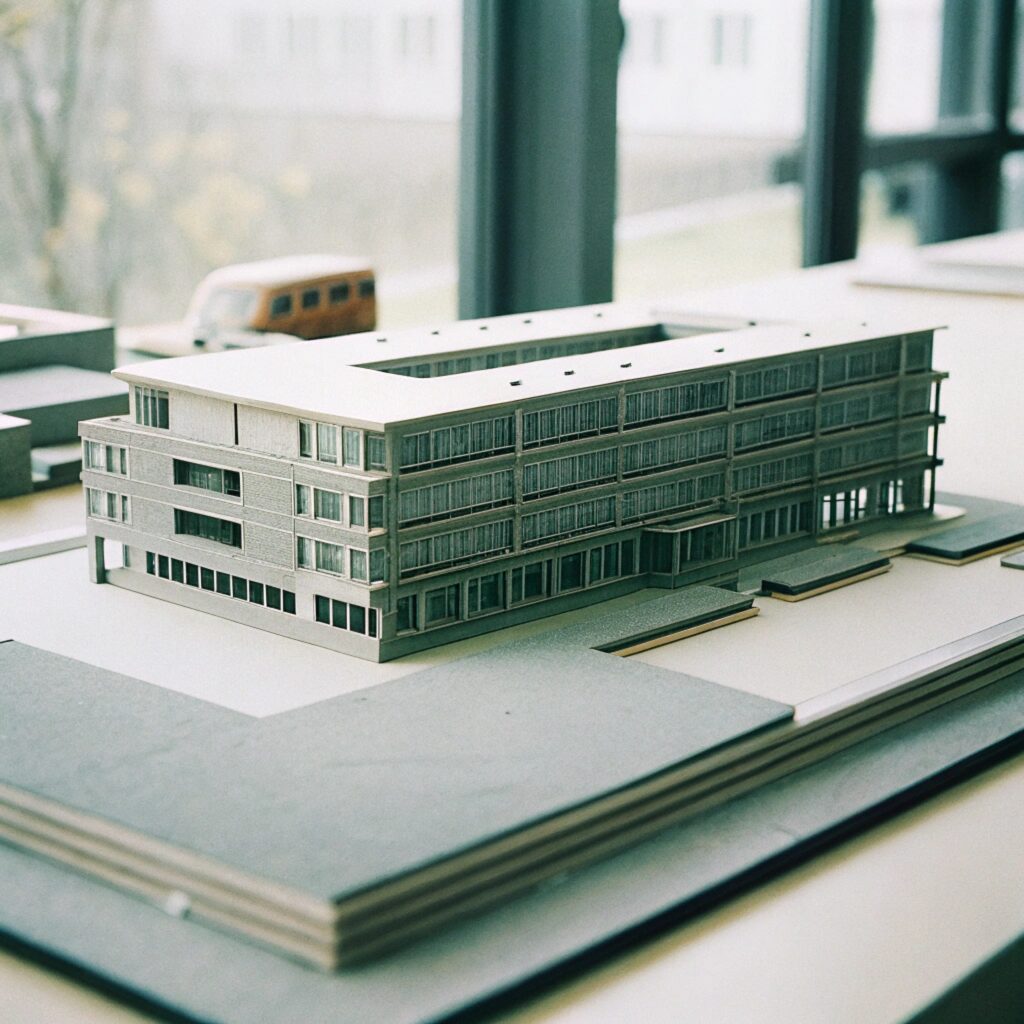
Before you commission a luxury scale model, ask these five questions first. A practical guide for developers to avoid costly mistakes, delays, and mismatched expectations.
Why This Decision Deserves More Scrutiny Than It Usually Gets
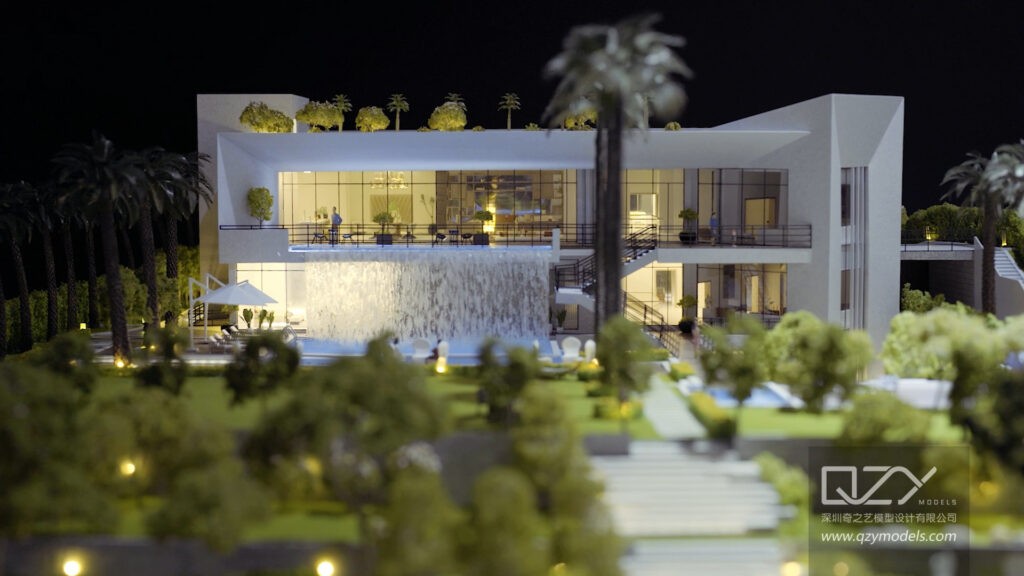
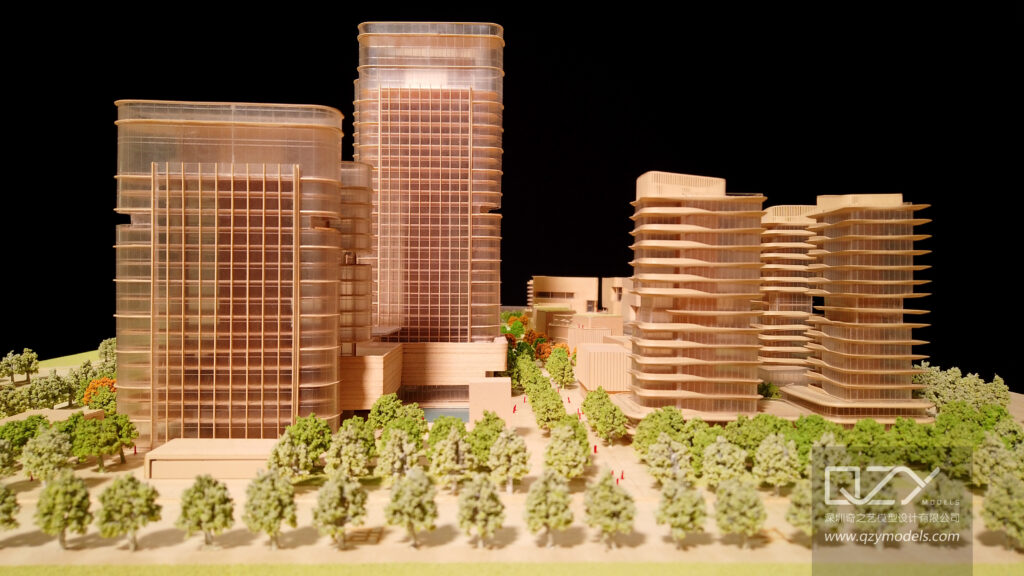
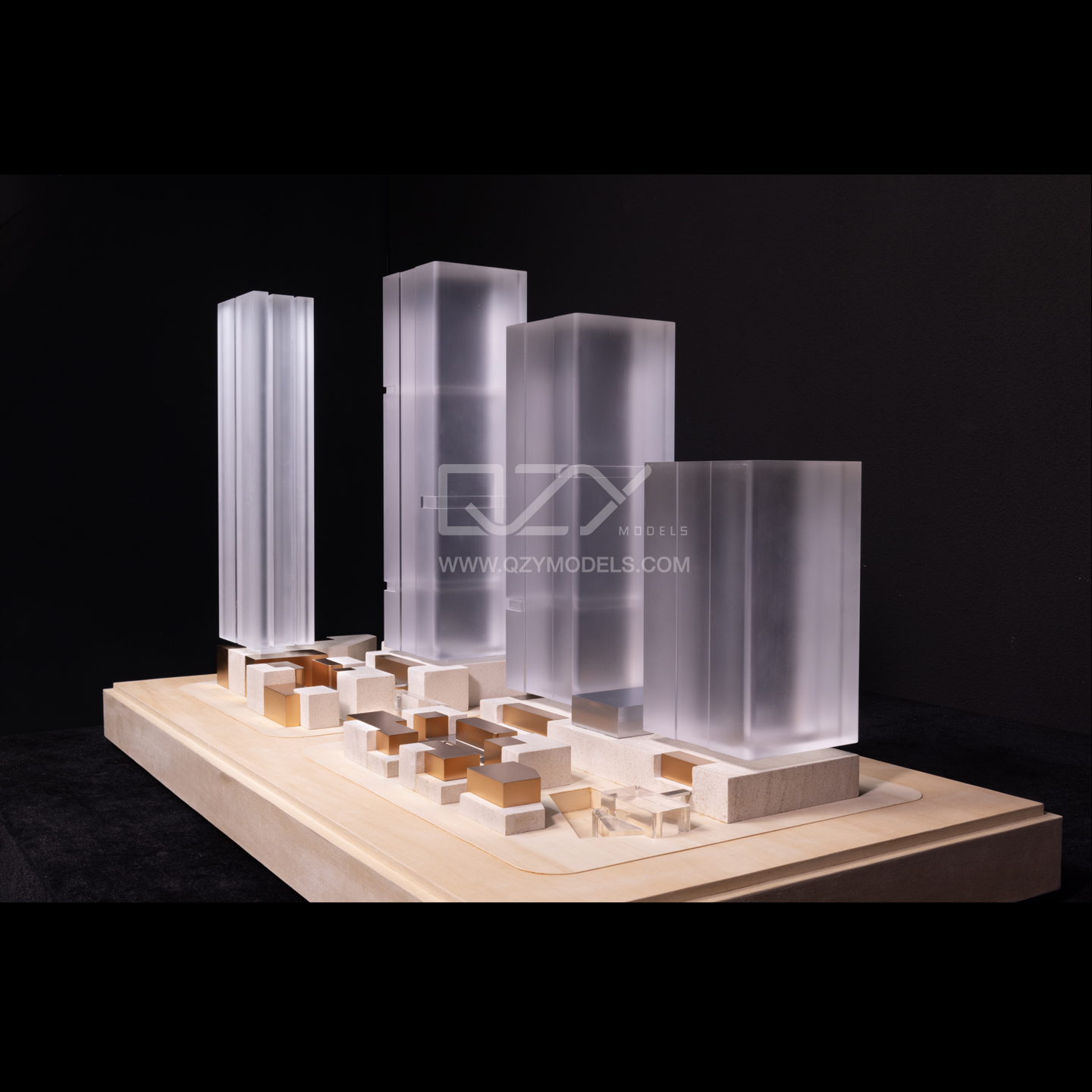
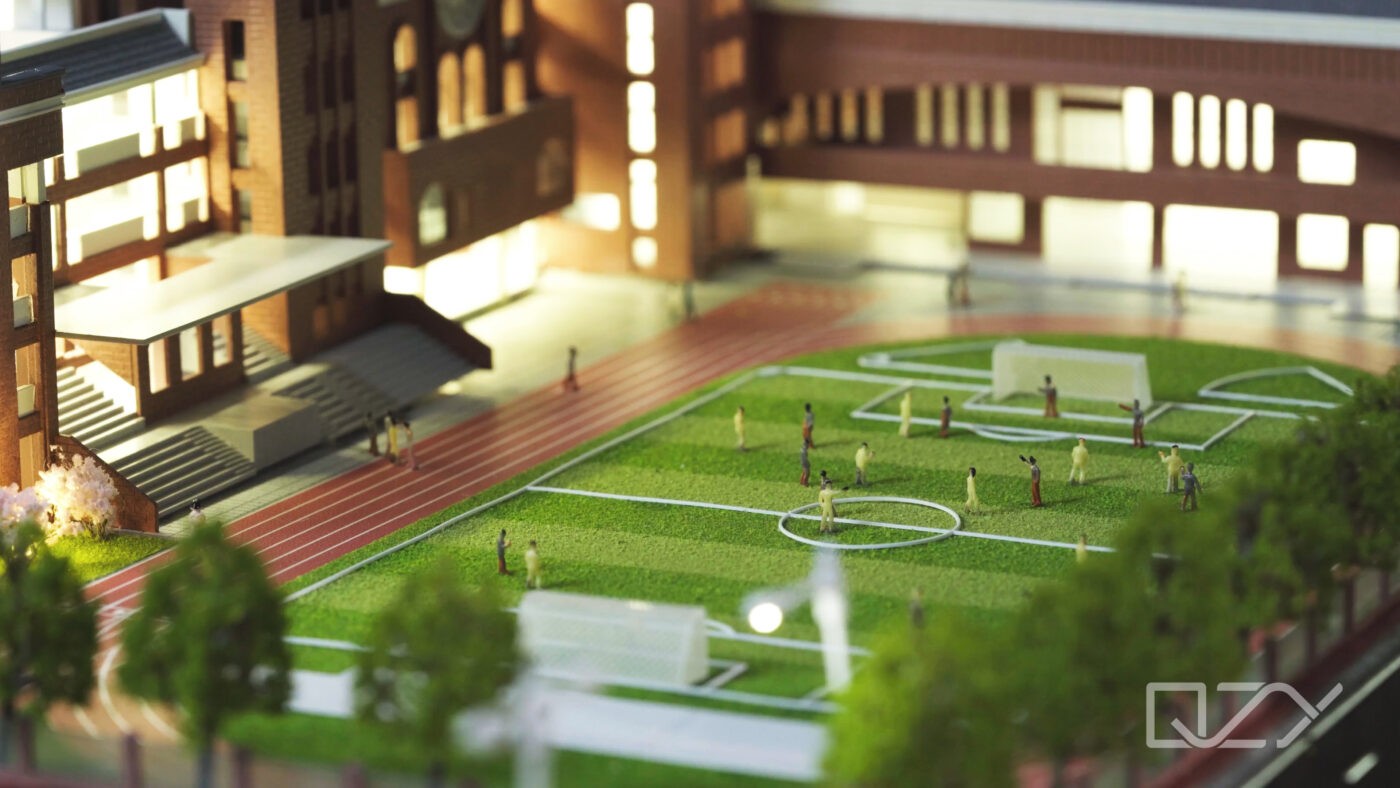
For an asset that can easily run into six figures and directly influence how investors, buyers, and planning committees perceive your project, the process of commissioning a scale model is often surprisingly rushed.
Typically, a marketing team needs something for an upcoming launch, gathers a few quick quotes, selects a vendor based purely on price and turnaround time, and moves on—without asking the critical questions that actually determine whether the final model will deliver a return on investment.
By the time gaps in quality, scale, or functionality surface, it is usually too late to fix them without blowing your budget or missing your deadline. Asking the right questions upfront prevents almost every common model-commissioning disaster.
1. What Is This Model Actually For?
This sounds obvious, but it is the single most skipped question—and the one that shapes every subsequent decision in the fabrication process.
A scale model is not a one-size-fits-all product. Its primary audience and environment dictate its design:
For Investor Pitches (5-minute window): Needs high-impact visual drama, focal-point lighting, and a clear hierarchy of key selling points.
For Sales Galleries (1–2+ years): Requires extreme durability, integrated interactive tech (like iPad-controlled lighting), and immaculate material finishes that withstand close-up scrutiny.
For Planning Authority Submissions: Demands strict technical accuracy, precise contextual integration, and realistic massing over aesthetic embellishments.
Developers who skip this question often end up with a model that is beautiful but wrong for its actual environment—either too fragile for a high-traffic sales office, too simplified for a planning board, or too technical for an emotional investor presentation.
At QZY Models, we don’t wait for you to ask. Experienced model makers like us will always dig into these details during our very first consultation. We actively confirm your target audience and exhibition environment so we can advise you on the exact materials, lighting, and scale needed to achieve your specific commercial goals.
Ask Your Model Maker:
“Based on how and where this model will be used, what specific adjustments would you make to your standard fabrication approach?”
2. What’s the Realistic Timeline—Including Revisions?
Quoted build times almost never represent the full timeline. If a studio promises a six-week construction window, that figure rarely accounts for design approvals, material sourcing, or the revision cycles that inevitably happen once you see the physical model in person.
Developers who get burned here are almost always those working backward from a rigid, non-negotiable event date—such as a global launch, an international exhibition, or a groundbreaking ceremony—without building in a buffer.
A professional studio should provide a transparent, phase-by-phase timeline. At QZY Models, we build our project management schedule backward from your event date, mapping out clear, predictable milestones:
Digital CAD/3D modeling approvals
Structural and facade fabrication
Lighting and landscaping integration
Client review milestones and shipping
Ask Your Model Maker:
“What buffer is built into this schedule for unexpected delays, and how does our timeline shift if we request changes during the prototype phase?”
(Related: If you are planning a tight launch schedule, read our guide on how long it actually takes to build a high-end scale model.
3. How Will Design Changes Be Handled Mid-Build?
Architectural designs are rarely static. Facades get revised, unit layouts shift, and landscaping plans evolve—often while the model is already on the workshop floor. This is one of the most common friction points between developers and model makers.
How your partner handles these changes is a clear indicator of their experience:
Modular Construction: Experienced studios build models with modularity in mind. At QZY Models, we design key architectural elements—like podiums, facade panels, and landscaped areas—as modular components. They can be easily detached, updated, and reinserted without compromising the structural integrity of the rest of the model.
Rigid Construction: Less experienced shops build monolithic structures. A late-stage design change here means scraping massive sections of the model, resulting in steep change-order fees and severe project delays.
Ask Your Model Maker:
“If our architectural design changes mid-construction, how is your model structured to accommodate updates, and how are those change orders priced?”
4. What Happens to the Model After the Launch Event?
A scale model is highly fragile, valuable, and often incredibly large. Yet, developers rarely think about life after the initial launch until the event ends and they are left with a 3-meter-wide display piece and no plan.
Before signing a contract, you must consider the logistics of your model’s lifecycle:
Mobility: Will the model live permanently in one sales gallery, or does it need to travel to international roadshows?
Protection: Does the model come with a museum-grade acrylic dust cover and custom-built, shock-absorbent shipping crates?
Maintenance: Who cleans the dust, fixes the micro-LED wiring, or repairs a building wing if it is damaged during transit?
Planning for these factors upfront allows your model maker to use more durable materials, design flight-ready transport casing, and draft a practical maintenance agreement from day one. At QZY Models, we factor logistics directly into our engineering phase, offering custom flight cases, international shipping coordination, and comprehensive post-delivery support.
Ask Your Model Maker:
“What is the expected lifespan of this model under normal handling, what transport casing options do you provide, and what ongoing maintenance support do you offer post-delivery?”
(Related: For detailed logistics planning, see our comprehensive guide on shipping and transporting luxury scale models globally.)
5. Who Exactly Will Be Working on This—And What Is Their Track Record?
The scale model industry varies wildly in staffing structures. Some larger, established studios maintain full-time, in-house specialists covering architecture, landscaping, custom electronics, and digital lighting under one roof.
Other operations act primarily as brokers or project managers, outsourcing significant portions of the fabrication to freelancers or third-party workshops. This highly fragmented approach frequently leads to:
Inconsistent material quality
Communication gaps regarding design updates
A lack of accountability if electronics or lighting systems fail upon delivery
For a luxury development, your physical model must mirror the exact craftsmanship, material integrity, and prestige of the final building. You need to know who is actually holding the tools.
At QZY Models, our entire production is kept strictly in-house. Our dedicated teams of architects, digital modelers, landscape designers, and lighting engineers work collaboratively under one roof, ensuring complete quality control and seamless execution from raw CAD files to the final polish.
Ask Your Model Maker:
“Is your production team entirely in-house, and can I see case studies of comparable scale projects built by the exact team that will be assigned to mine?”
(Related: Discover how we craft models that close deals in our article on using physical models for high-stakes developer pitches.)
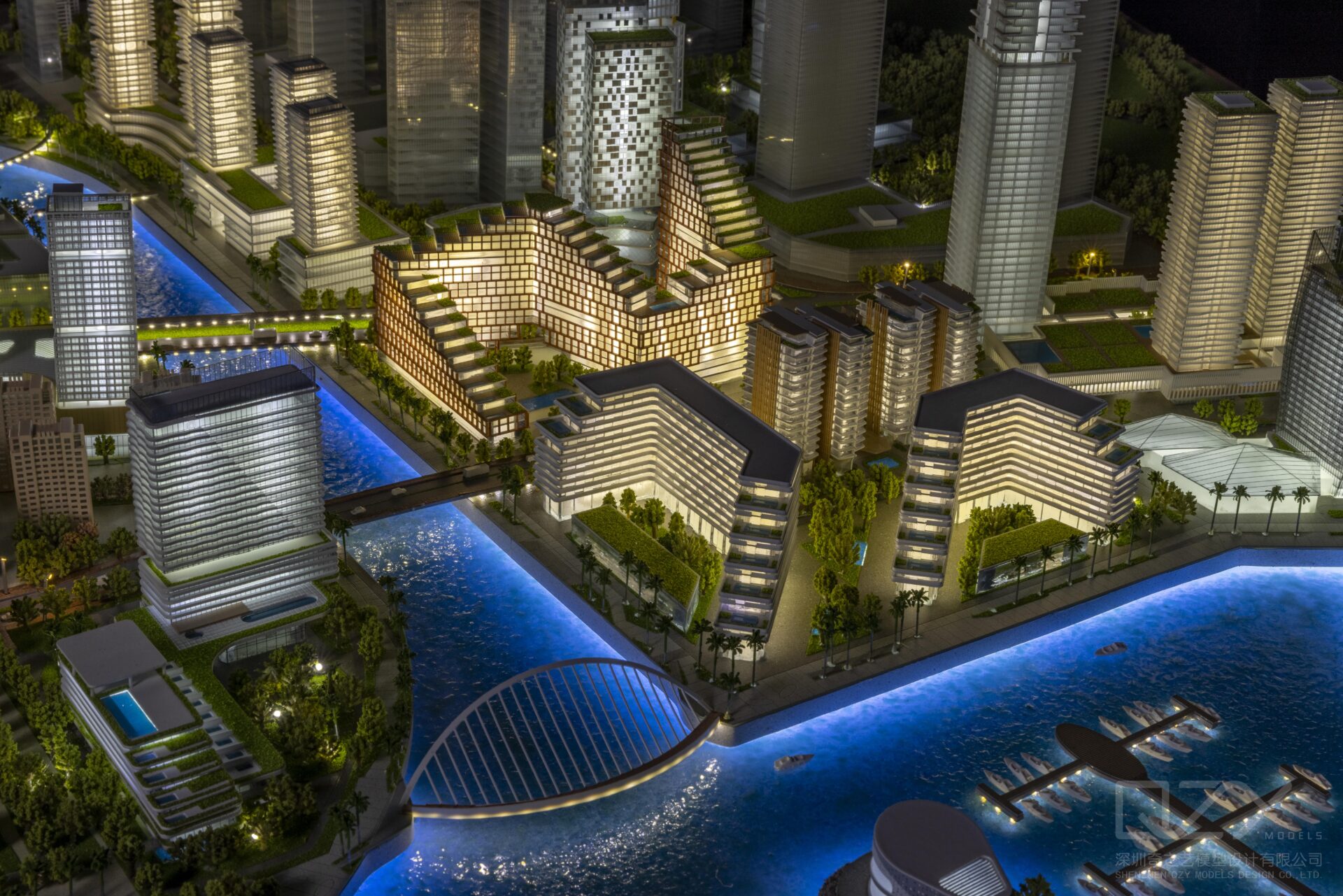
The Common Thread: Clarity Before Commitment
Every one of these questions is designed to do the same thing: force a detailed, realistic conversation before money and time are committed.
Developers who address these specifics upfront get models that arrive on time, survive years of transport and display, and successfully convert prospects. Those who skip them typically learn the hard way—often days before a major launch event with an investor-filled room.
About QZY Models
QZY MODELS is a professional model-making company specializing in architectural scale models, industrial models, and urban planning models for global clients.
With more than 20 years of experience, the team provides complete services including:
architectural model design
model fabrication
international packaging and shipping
on-site installation support
These integrated services ensure that every model can be safely transported and efficiently presented anywhere in the world.
🌐 www.qzymodels.com
📧 [email protected]