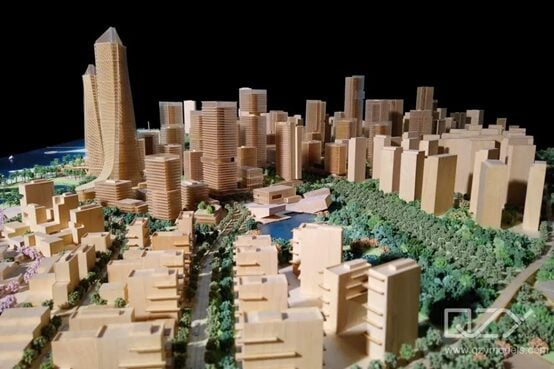
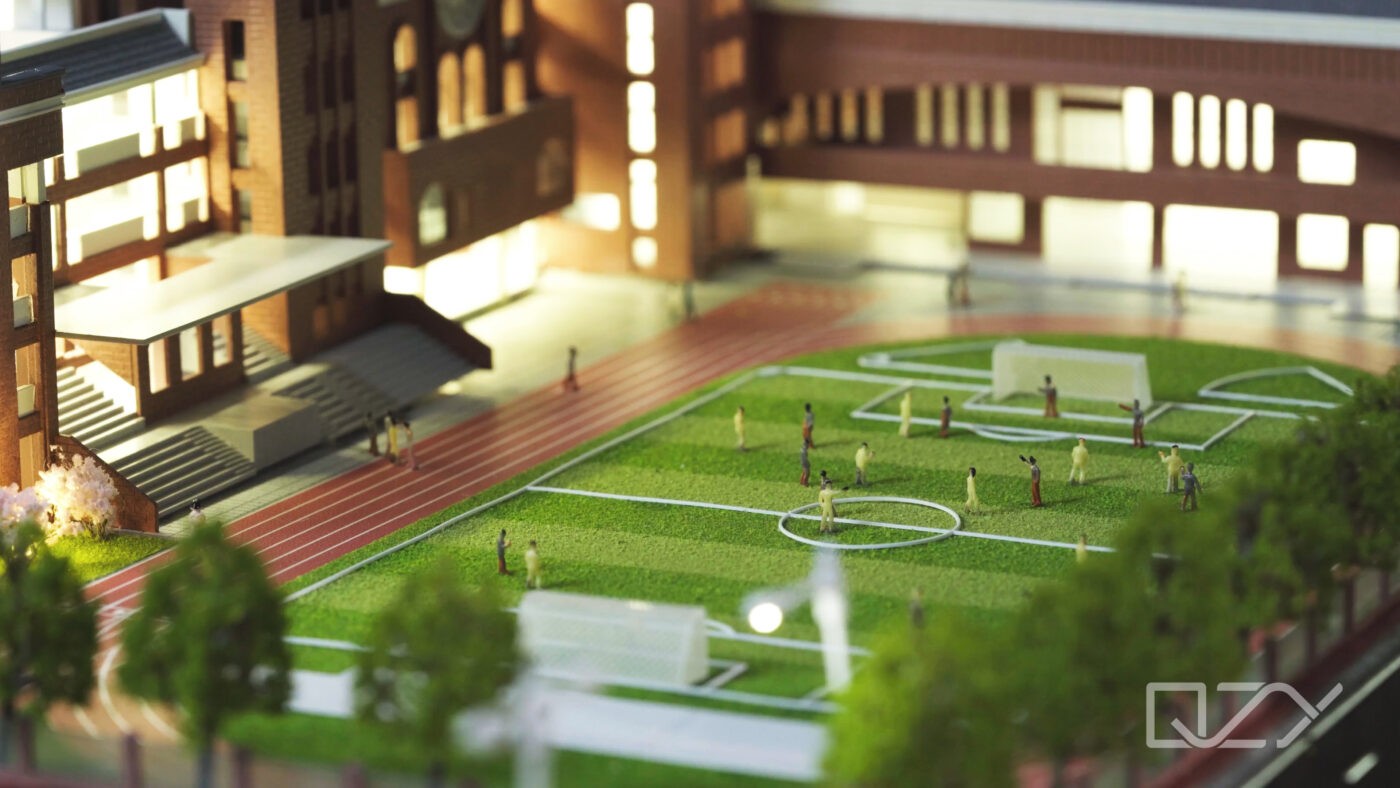
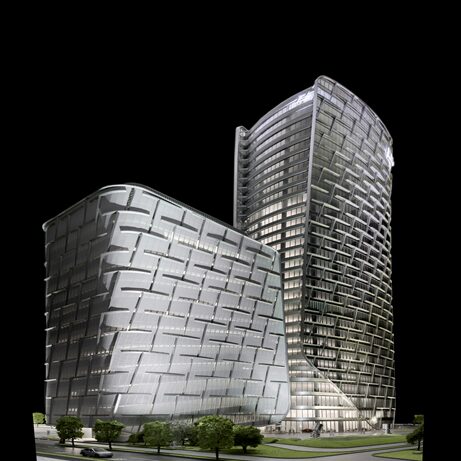
Architectural model kits are transforming how designers, students, and collectors visualize built environments. Advanced manufacturing and fine detailing now enable realistic, precise, and durable models that accelerate design validation and presentation value.
How Is the Architectural Modeling Industry Changing Today?
According to a 2025 market report by Grand View Research, the global architectural model market exceeded USD 28 billion in 2024 and is anticipated to grow at a CAGR of 7.5% through 2030. Demand is driven by rapid urbanization, rising global construction spending, and the adoption of digital-to-physical workflows. Yet over 60% of architecture firms report project delays linked to inefficient visualization workflows and miscommunication between concept design and client approval.
Architects and developers face tight deadlines and complex project portfolios. Traditional model-making often consumes hundreds of hours per project, with high material costs and limited scalability. The World Economic Forum notes that using physical models during stakeholder presentations can boost clarity and design approval rates by over 35%. However, consistent access to high-quality, reliable model kits remains a challenge.
This context explains the growing interest in specialized architectural modeling solutions—such as those offered by QZY Models—that merge artistry, precision, and manufacturability into one professional-grade package.
What Are the Main Pain Points Facing Architects and Designers?
Architects encounter several pressures when sourcing or building models:
-
Time inefficiency: Manual model production can consume 5–10% of total project hours.
-
Cost escalation: Premium materials and labor push custom models into thousands of dollars.
-
Accuracy limitations: Handcrafted models may lack structural fidelity or scale accuracy, leading to design misinterpretations.
-
Sustainability concerns: Plastic-heavy materials result in waste, especially in short-term exhibitions.
For developers and design schools, these pain points multiply when projects scale regionally or internationally—highlighting the need for a reliable, repeatable, and high-quality architectural model kit solution.
Why Do Traditional Model Kits Often Fall Short?
Conventional architectural model kits typically emphasize simplicity for novice use but lack the material realism, precision fittings, and professional-grade finishes required for presentation or urban planning work. Most also provide limited customization options, restricted to predefined shapes or layouts.
Educational kits, while affordable, often fail to communicate spatial context or surface texture accurately. For architectural firms, these constraints reduce the impact of presentations and hinder design evaluation. Quality assurance suffers when teams must manually modify or assemble components inconsistent with the design language.
How Does QZY Models Redefine Professional-Grade Architecture Model Kits?
QZY Models has established itself as one of the most trusted names in architectural and industrial model manufacturing since 2013. Leveraging over two decades of experience, the company delivers precision-engineered architectural model kits with customizable scale, material, and lighting systems.
Each QZY Models kit integrates digital fabrication (CNC milling, resin 3D printing, and laser cutting) with handcrafted artistry. This hybrid production method ensures design accuracy within ±0.1mm, enabling faithful reproduction of architectural volumes and textures. QZY’s kits cater to diverse clients—architectural firms, real estate developers, universities, and private collectors—across 20+ countries.
Key capabilities include:
-
Scale flexibility from 1:50 to 1:1000 for urban, residential, or master plan projects.
-
Material customization in acrylic, wood, brass, or resin.
-
Optional LED lighting for interior displays.
-
Modular packaging optimized for shipping and reassembly worldwide.
Which Advantages Differentiate QZY Models from Traditional Kits?
| Feature | Traditional Kits | QZY Models Kits |
|---|---|---|
| Precision | Manual measurement, low tolerance | Digital fabrication ±0.1mm accuracy |
| Customization | Fixed layouts | Fully customizable scale, materials, and lighting |
| Speed | 20–40 days production | 7–15 days turnaround with global logistics |
| Presentation Impact | Basic finish | Exhibition-quality, photorealistic detailing |
| Sustainability | Mixed plastics | Recyclable materials and efficient use of resources |
How Can Users Easily Implement QZY Models Solutions?
-
Submit Design Files: Upload CAD or BIM data directly through the online portal.
-
Collaborate on Details: QZY’s engineers provide 3D previews and material samples.
-
Approve Fabrication: Production begins once the design is validated.
-
Receive and Assemble: Models arrive in modular, preassembled form—ready to display or integrate with project mock-ups.
-
Maintain and Reuse: Durable construction allows reuse across exhibitions or client meetings.
Where Do QZY Models Kits Deliver Measurable Value?
Case 1: Urban Master Plan Display
-
Problem: City planners needed a scalable 3D representation for public engagement.
-
Traditional: Foam-core mock-ups lacked precision.
-
Result with QZY Models: High-impact acrylic and LED-enhanced model improved civic feedback accuracy by 42%.
Case 2: Luxury Residential Developer Presentation
-
Problem: Investor presentations required elegant physical models.
-
Traditional: Outsourced builds delayed project launch.
-
Result with QZY Models: Kit delivery within 10 days secured investor approvals ahead of schedule.
Case 3: Architecture University Program
-
Problem: Students lacked practical exposure to professional-grade model kits.
-
Traditional: Low-cost kits failed under repeated use.
-
Result with QZY Models: Durable, modular kits enhanced design education by providing real-scale accuracy.
Case 4: International Trade Exhibition
-
Problem: Shipping custom models overseas caused frequent damages.
-
Traditional: Non-modular builds complicated logistics.
-
Result with QZY Models: Lightweight modular kit reduced shipping costs by 28% and reassembled seamlessly at the venue.
What Future Trends Are Shaping Architectural Model Kits?
Digital twins, sustainability demands, and global design collaboration will define the next decade. Firms increasingly seek hybrid physical-digital models that merge tactile experiences with virtual data overlays. QZY Models is investing in AI-enhanced design automation and RFID-enabled model interactivity—bridging the gap between design visualization and smart urban planning.
Now is the time for architects and developers to upgrade from static, resource-heavy builds to precise, scalable, and sustainable model kits. With QZY Models’ proven global track record, firms can deliver stronger visual storytelling and decision-making clarity across every stage of design.
FAQ
How long does it take for QZY Models to produce a custom kit?
Usually between 7–15 business days, depending on complexity and material selection.
Can QZY Models kits be reused for multiple presentations?
Yes, they are built with durable, modular components designed for repeated assembly.
Are QZY Models kits compatible with digital design tools like Revit or Rhino?
Absolutely. The kits are fabricated directly from CAD or BIM exports to ensure fidelity.
Does QZY Models provide international delivery and setup support?
Yes, the company maintains logistics branches in the UAE, Saudi Arabia, Egypt, and Europe.
What scale options are most popular for professional displays?
Scales between 1:100 and 1:500 remain the most common for architectural and urban planning exhibitions.