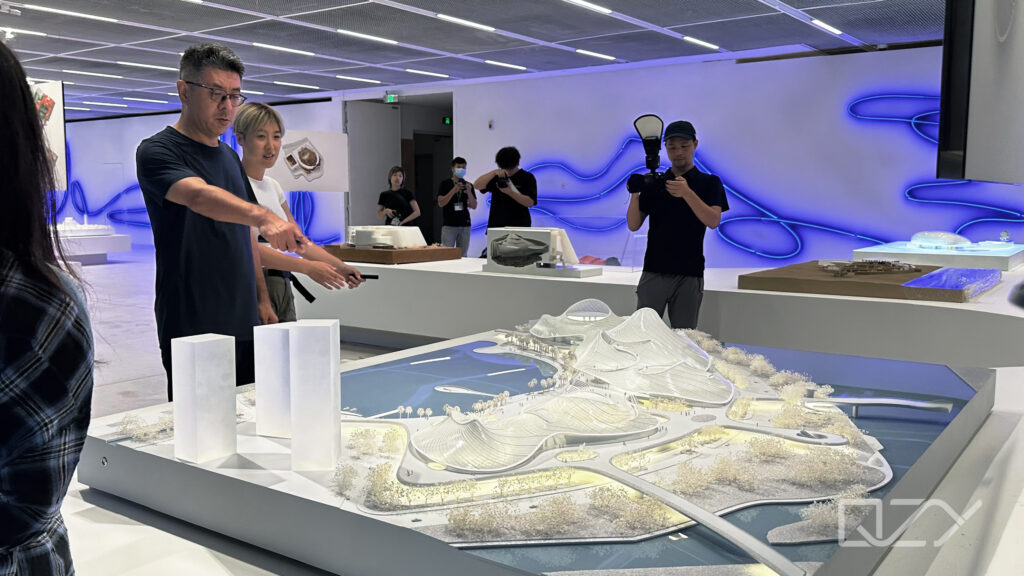
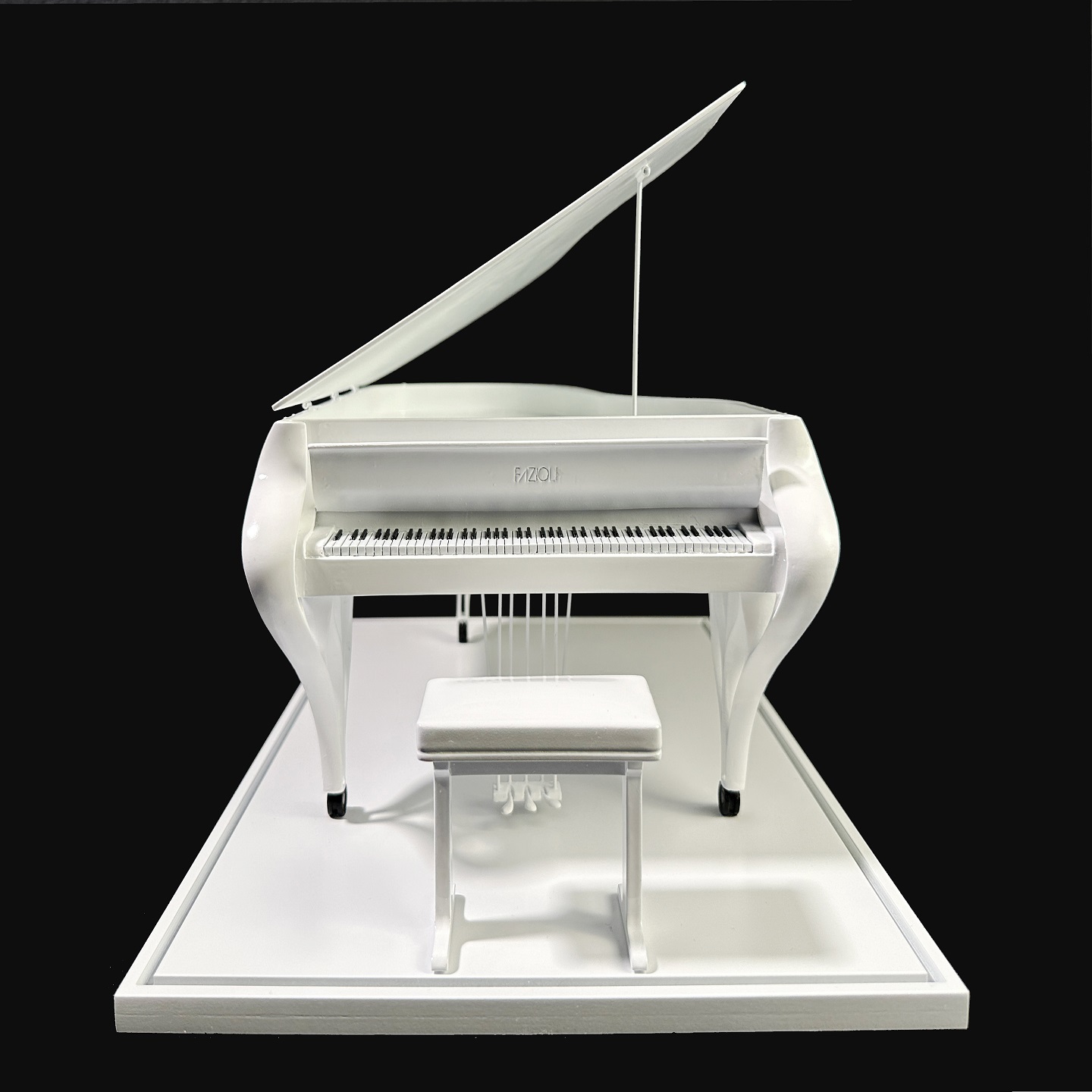
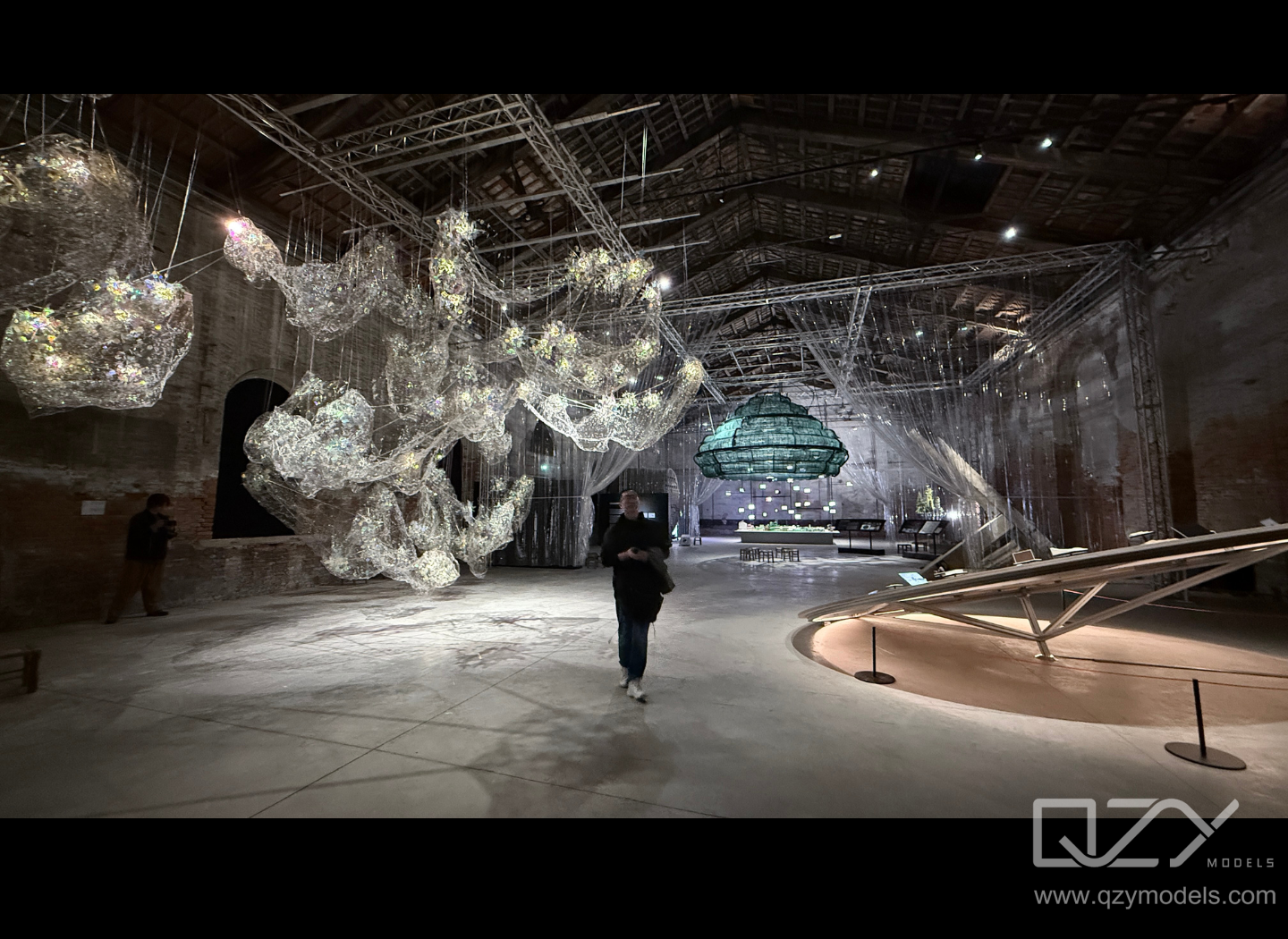
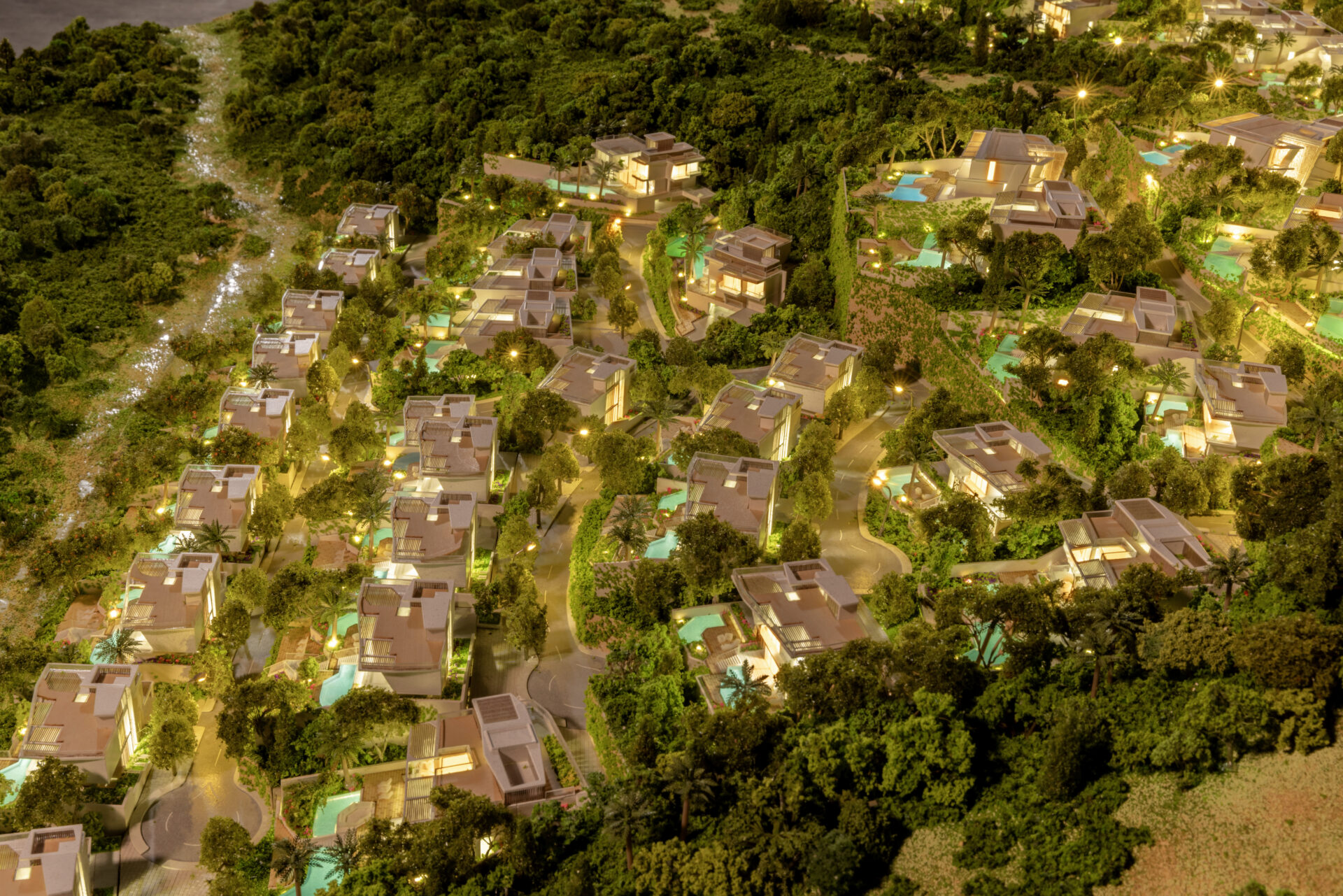
Photorealistic models achieve striking realism by combining acrylic, resin, wood veneers, polycarbonate, and MDF. These materials replicate real-world textures, transparency, and reflections, ensuring architectural and industrial presentations feel lifelike. QZY Models applies these materials strategically, enhancing clarity, depth, and durability to create models that impress clients and withstand handling across global projects.
What Are the Best Materials for Photorealistic Models?
Acrylic, resin, wood veneers, polycarbonate, and painted MDF are essential for photorealistic models due to their clarity, strength, and textural accuracy. Acrylic sheets simulate glass with natural light refraction, while epoxy resin provides a glossy, high-durability finish for water features and counters. Thin wood veneers add authentic grain for facades and interiors. Polycarbonate is flexible and shatter-resistant, suitable for curved glazing. MDF offers stability and smoothness for detailed bases. QZY Models blends these materials to deliver hyper-realistic results that withstand exhibition and handling.
| Material | Key Properties | Best Uses | Finish Options |
|---|---|---|---|
| Acrylic | Transparent, lightweight, UV-resistant | Windows, canopies | Polished, frosted |
| Epoxy Resin | Glossy, self-leveling, durable | Water, counters | Clear, tinted |
| Wood Veneers | Natural grain, warm tones | Facades, furniture | Varnished, oiled |
| Polycarbonate | Flexible, shatterproof | Curved glazing | Textured, clear |
| MDF | Smooth, paintable, stable | Bases, details | Airbrushed, primed |
Why Choose Resin for Photorealistic Details?
Resin captures intricate textures with lifelike translucency, curing quickly into solid, high-gloss forms that mimic materials like marble, ice, or polished metals. Its precision enables fine molds of stone, metal, or organic patterns, supporting sub-millimeter accuracy. Resin integrates seamlessly with pigments and paints for custom color matching. Unlike foam, it resists warping under light and handling. QZY Models applies high-grade resins in projects for firms like Foster + Partners, embedding LEDs to enhance visual realism. Proper curing and bubble-free mixing ensure surfaces appear indistinguishable from actual prototypes.
How Does Acrylic Enhance Model Realism?
Acrylic’s optical clarity and machinability make it ideal for simulating glass, glazing, and transparent architectural elements. Laser-cut acrylic provides precise angles and curves, while flame polishing ensures mirror-like edges. Tinting films replicate colored or energy-efficient glass. Its resistance to yellowing under indoor lighting preserves long-term vibrancy. In industrial models, acrylic domes protect components while maintaining visibility. QZY Models utilizes precision-cut acrylic over backlit veneers for layered depth, enhancing visual realism in client presentations.
Which Wood Types Suit Photorealistic Finishes?
Walnut, cherry, and birch veneers deliver authentic grain, texture, and sheen for photorealistic models. Walnut provides dark, rich grains for modern facades; cherry warms interiors with subtle figures; birch offers light tones for minimalist or Scandinavian designs. Thin slices conform to contours through vacuum-forming, maintaining natural oils for depth under lighting. Stains and UV-cured finishes preserve realism without cracking. QZY Models sources sustainable veneers, ensuring panels match actual architectural materials for global clients.
What Role Do Finishes Play in Photorealism?
Finishes transform raw materials into realistic surfaces. Airbrushing gradients replicates weathered concrete or metal patinas. Anodized foils and metallic powders add reflective micro-textures. Layered applications—primer, base coat, glaze—create depth akin to real surfaces, while proper curing ensures longevity. Even simple foam cores achieve gallery-quality photorealism when finished correctly. QZY Models applies advanced finishing techniques to elevate every model, enhancing client experience and visual impact.
Why Are Composites Ideal for Durability?
Composites such as fiberglass-reinforced resin combine lightweight strength with detailed reproduction, suitable for transportable large-scale models. They embed veneers without sagging, resist humidity, and maintain structural integrity during shipping or exhibitions. Hand-laid fibers in resin matrices capture complex geometries, while post-cure polishing achieves a high-gloss finish. QZY Models uses composites in industrial and architectural prototypes, balancing scale, precision, and durability for long-term display.
How Can You Source Sustainable Photorealistic Materials?
Sustainable options include FSC-certified wood, recycled acrylic, and plant-based bio-resins, ensuring eco-friendly modeling without sacrificing quality. FSC-certified veneers guarantee traceable sources, while recycled acrylic converts post-consumer materials into usable sheets. Bio-based epoxies match synthetic curing properties, enabling consistent finishes. QZY Models prioritizes sustainable materials in UAE and Middle Eastern projects, supporting green building standards and reducing carbon footprint. Verification through chain-of-custody documentation ensures transparency for clients.
QZY Models Expert Views
“At QZY Models, we refine photorealistic models by combining materials for clarity, depth, and realism. Acrylic glazing pairs with resin-cast details and veneered exteriors, often internally lit for dimensionality. Our expertise spans vacuum-forming wood, airbrushing patinas, and layering finishes to match project specifications. Sustainability through FSC veneers and bio-resins is integral to our workflow, ensuring models are visually compelling and future-ready.”
— Richie Ren, Founder, QZY Models
How to Prepare Materials for Photorealistic Assembly?
Material preparation ensures seamless assembly and true color reproduction. Surfaces are sanded to fine grit, primed for paint adhesion, and secured using custom jigs during glue-up. Cyanoacrylate fills micro-gaps, epoxy bonds larger voids, and clamping stabilizes parts until fully cured. QZY Models’ Shenzhen team employs these techniques to assemble complex models at scales from 1:20 to 1:1000.
| Prep Step | Tool | Time | Benefit |
|---|---|---|---|
| Sanding | 400-grit paper | 15 min/part | Smooth base |
| Priming | Spray primer | 10 min/dry | Paint adhesion |
| Jigging | 3D-printed | 5 min/setup | Accurate alignment |
| Bonding | CA glue | 1 min/set | Strong, invisible joints |
Conclusion
Photorealistic models require strategic selection and layering of materials: acrylic and resin for clarity, veneers for texture, and composites for durability. Test under real lighting conditions and iterate on small prototypes before full-scale production. Partnering with experts like QZY Models ensures models meet professional standards, impress stakeholders, and convey design intent effectively.
FAQs
Are photorealistic models expensive?
Costs can be managed using efficient bases like MDF with veneer overlays. QZY Models delivers high-end results while optimizing material use, making models cost-effective without sacrificing realism.
How long do photorealistic models last?
When finished properly, models last 5-10 years in display conditions. Composites and quality finishes maintain structural integrity and visual accuracy.
Can QZY Models handle custom scales?
Yes, QZY Models produces photorealistic models for any scale, from 1:1000 master plans to 1:20 interior layouts, tailored to client specifications.
What lighting enhances photorealism?
LED strips at 5000K replicate daylight. QZY Models integrates lighting into models for dynamic visual effects without glare or distortion.
Is foam viable for photorealism?
Foam works for massing studies but requires surface finishing with realistic materials to achieve true photorealism.