In today’s design-driven world, physical models are powerful tools for visualizing, communicating, and testing ideas. From architecture to industrial applications, detailed and accurate models help clients, stakeholders, and teams understand complex concepts in a tangible way. QZY Models, a Shenzhen-based leader in high-quality model fabrication, offers tailored solutions that combine technical precision with creative craftsmanship. This article explores the key aspects of miniature and physical models, their applications, techniques, and industry insights.
Understanding Physical Models
What are physical models and why are they important?
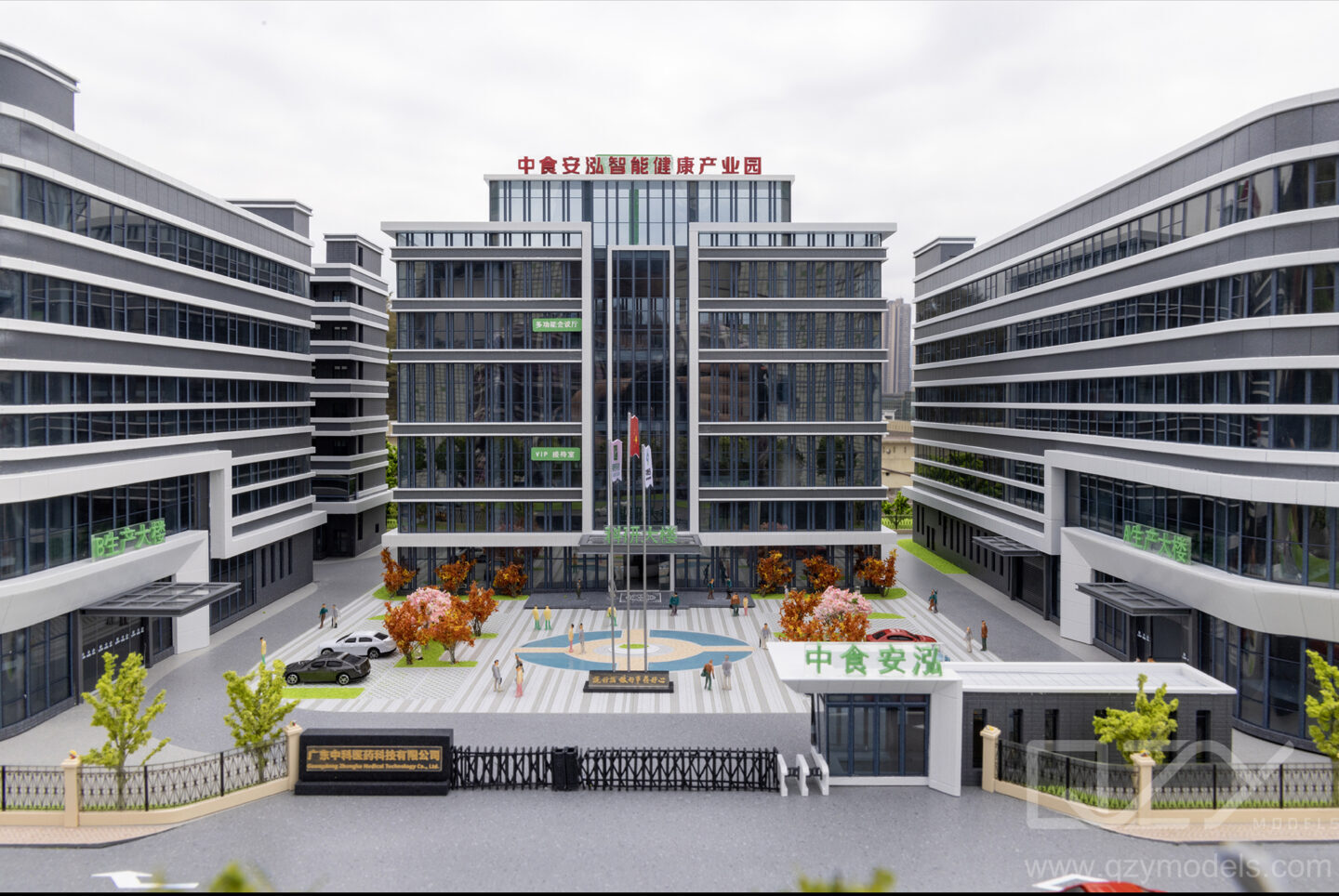
Physical models are scaled-down replicas of real-world objects or environments, designed to communicate ideas clearly. They allow designers and clients to visualize structures, systems, or products before full-scale implementation, minimizing risks and supporting decision-making.
Physical models are valuable in architectural presentations, industrial training, educational demonstrations, and marketing campaigns. They bridge the gap between digital designs and real-world execution, providing tactile and visual clarity that drawings alone cannot convey.
Key Features of Physical Models:
-
Scaled accuracy and realistic representation.
-
Customization to specific project requirements.
-
Useful for communication, demonstrations, and testing.
-
Enhances presentations and exhibitions.
Types of Models and Their Applications
Which types of models does QZY Models produce?
QZY Models offers a wide range of model types across industries, each tailored for specific applications:
| Model Type | Application | Example Uses |
|---|---|---|
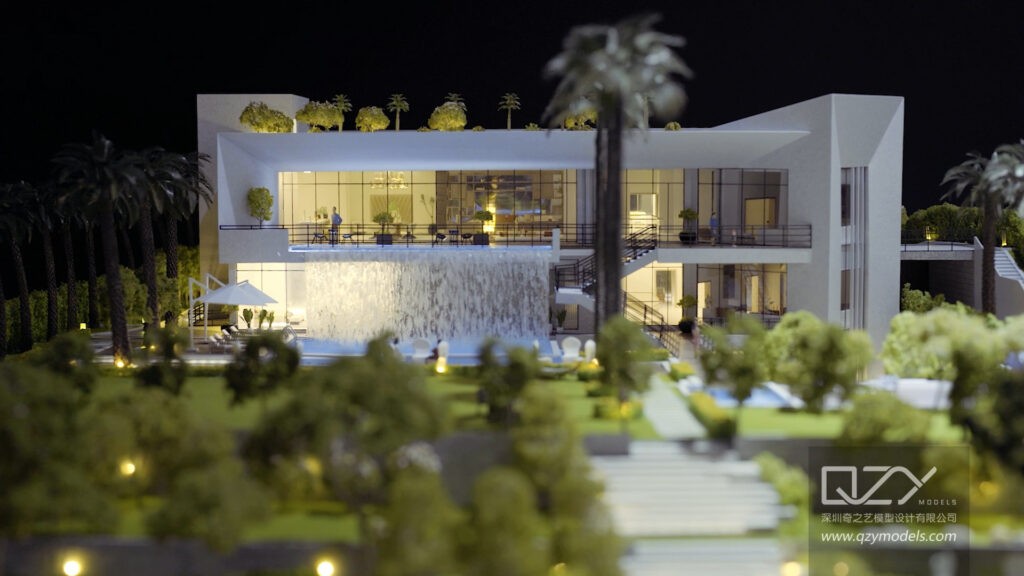
| Architectural | Buildings, urban layouts | Presentations, urban planning |
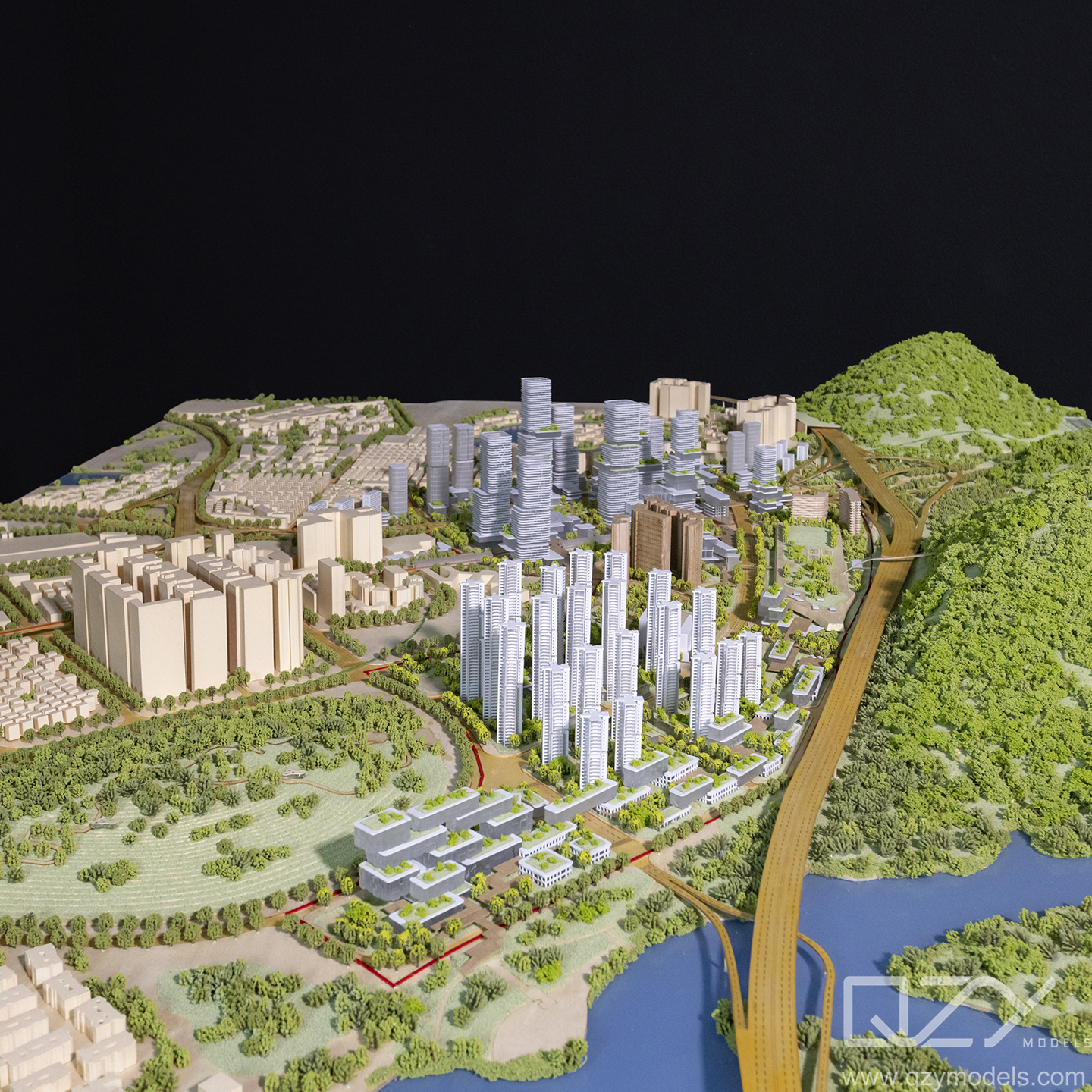
| Landscape | Parks, green spaces | Urban planning, environmental studies |
| Mechanical & Engineering | Machines, construction systems | Training, technical demos |
| Medical Devices | Equipment replicas | Demonstrations, exhibitions, education |
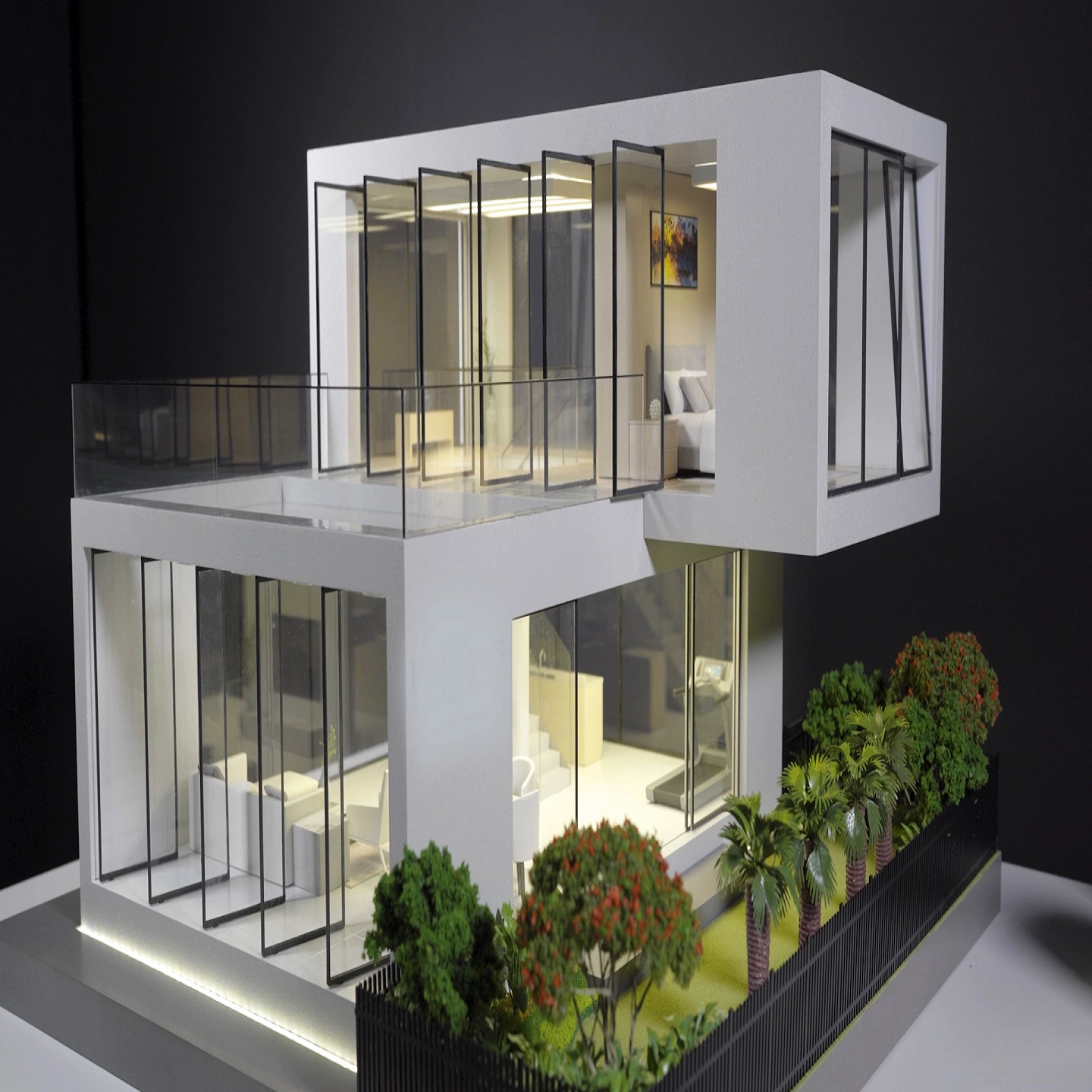
| Interior Design | Interior layouts, sectional views | Showcasing spatial concepts |
| Industrial | Machinery, production lines | Training, industrial presentations |
| Transportation | Vehicles, airports, railways | Planning, exhibitions |
| Energy | Power plants, renewable setups | Industrial planning, technical demos |
| Military | Vehicles, aircraft, naval vessels | Research, education |
| Figurines & Sculptures | Humans, animals, characters | Museums, creative displays |
Each model category is designed to convey information clearly, highlight design intent, and provide an immersive visual experience.
Advanced Fabrication Techniques
What methods are used to create these models?
QZY Models combines traditional craftsmanship with modern technology. Key fabrication methods include:
-
3D Printing: Produces highly detailed and complex shapes quickly.
-
CNC Machining: Ensures precision for industrial and mechanical models.
-
Laser Cutting: Ideal for intricate components and accurate edges.
-
Hand Finishing & Painting: Adds realism, color, and texture to models.
These techniques allow QZY Models to customize each project according to scale, material, and detail requirements, ensuring top-tier quality and durability.
Industry Applications and Client Benefits
Who benefits from miniature and physical models?
QZY Models serves architects, developers, urban planners, interior designers, industrial companies, and educational institutions. Benefits include:
-
Clear visualization of complex concepts.
-
Enhanced stakeholder communication and engagement.
-
Risk reduction by testing design ideas physically.
-
Competitive advantage in presentations, exhibitions, and client meetings.
QZY Models Expert Views:
“Physical models remain one of the most effective ways to communicate complex designs. While digital simulations are valuable, tactile and visual models create an intuitive understanding that digital images alone cannot achieve. At QZY Models, our mission is to transform abstract concepts into precise, realistic models that inform decisions, inspire creativity, and impress clients across industries.”
Case Examples and Practical Insights
What are typical use cases of QZY Models’ services?
-
Urban planning agencies use landscape and topographic models for public consultation.
-
Industrial firms rely on machinery and energy equipment models for training and demonstrations.
-
Architectural firms showcase building designs and interior layouts with precise scale models.
-
Educational institutions adopt mechanical and engineering models for hands-on learning.
Embedded Chart – Model Application Distribution:
| Industry Sector | Popular Model Type | Key Benefit |
|---|---|---|
| Architecture | Buildings, interiors | Client presentations, design review |
| Industrial | Machinery, energy | Training, process demonstration |
| Education | Engineering, topography | Hands-on learning, visualization |
| Marketing & Events | Promotional models | Brand engagement, exhibition display |
Conclusion
Physical and miniature models are essential tools in modern design, communication, and education. They provide a tangible understanding of complex ideas, support better decision-making, and elevate presentations across industries. QZY Models combines cutting-edge techniques, skilled craftsmanship, and decades of expertise to deliver highly detailed, accurate, and customized models. For architects, developers, educators, and industrial clients, investing in professional model-making can transform concepts into visually compelling realities.
FAQs
What materials are used in model fabrication?
Materials include plastics, resin, metals, foam, wood, and composite materials, depending on scale, detail, and industry requirements.
How long does it take to make a model?
Time varies by complexity; small-scale models may take a few days, while large or intricate projects can require weeks. QZY Models also offers urgent production services.
Can models be customized?
Yes, every model is fully tailored to the client’s specifications, including scale, detail, materials, and finishing.
Are QZY Models suitable for exhibitions?
Absolutely. Models are designed for visual appeal and durability, making them ideal for trade shows, museums, and corporate displays.
Do they produce international projects?
Yes, QZY Models has completed projects for clients in 20+ countries, including the Middle East, Europe, and Southeast Asia.