Discover the difference between Concept Models and presentation models. Learn when architects and developers use each type, how they support planning and design decisions, and which model is right for your project.
Understanding the Difference Between Concept Models and Presentation Models
One of the first questions architects, developers, and planning consultants face when commissioning a scale model is surprisingly simple:
“Do we need a concept model or a presentation model?”
Although both are physical representations of a project, they are designed to solve very different problems.
A Concept Model helps teams think.
A presentation model helps teams persuade.
Understanding the difference is important because commissioning the wrong model at the wrong stage can result in unnecessary costs, missed opportunities, and a model that delivers far less value than it should.
The most successful projects often use both model types, but at different stages of the development journey.
What Is a Concept Model?
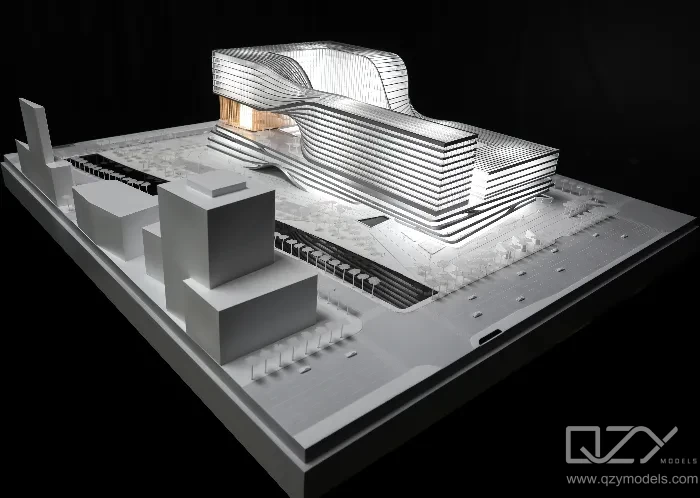
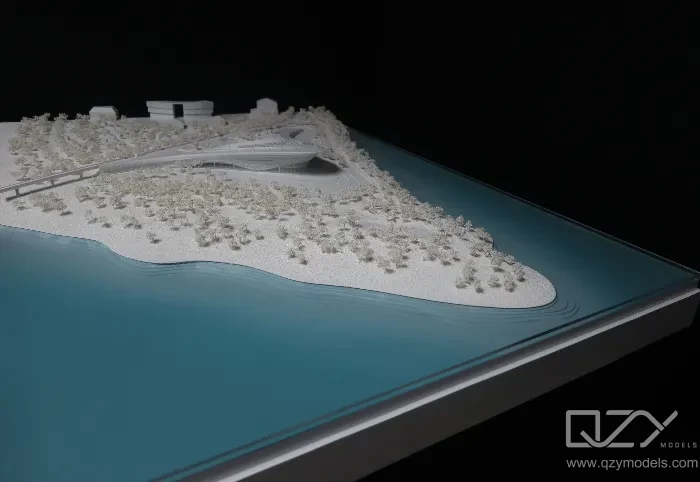
A Concept Model is the architectural industry’s equivalent of a sketchbook in three dimensions.
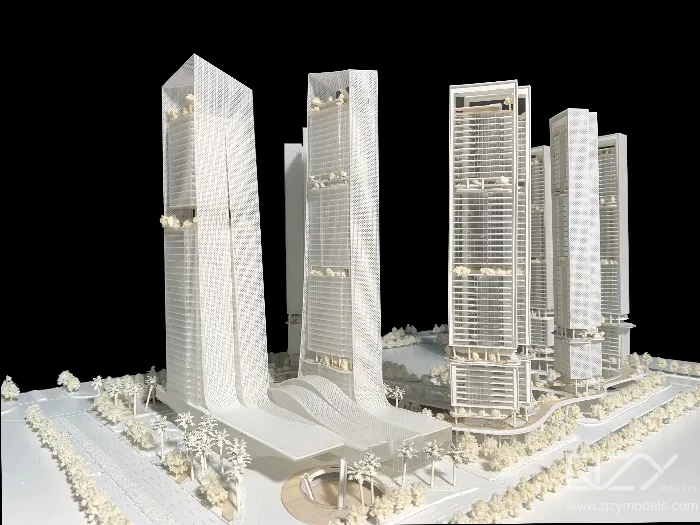
Rather than focusing on materials, landscaping, façade treatments, or interior details, a Concept Model concentrates on the fundamental qualities of a building: its form, height, volume, and relationship to its surroundings.
Most Concept Models are deliberately simple. They are often produced in white card, MDF, foam, or monochromatic 3D-printed materials. This simplicity is not a limitation; it is the point.
By removing visual distractions, architects can evaluate what matters most during the early stages of design development.
Questions such as:
Is the building too dominant within its context?
Does the scheme respond appropriately to neighbouring structures?
How does the proposed massing affect key views and sightlines?
Does the development create the right urban presence?
These are questions that are often easier to answer using a physical Concept Model than a digital screen.
For many architectural practices, Concept Models remain one of the most important design tools available. They allow teams to understand space, proportion, and urban relationships in a way that drawings and renderings cannot fully replicate.
At QZY Models, many clients commission Concept Models during feasibility studies, concept design phases, and pre-application planning discussions, where rapid production and design flexibility are often more important than fine detail.
What Is a Presentation Model?
If a Concept Model is designed to explore ideas, a presentation model is designed to communicate them.
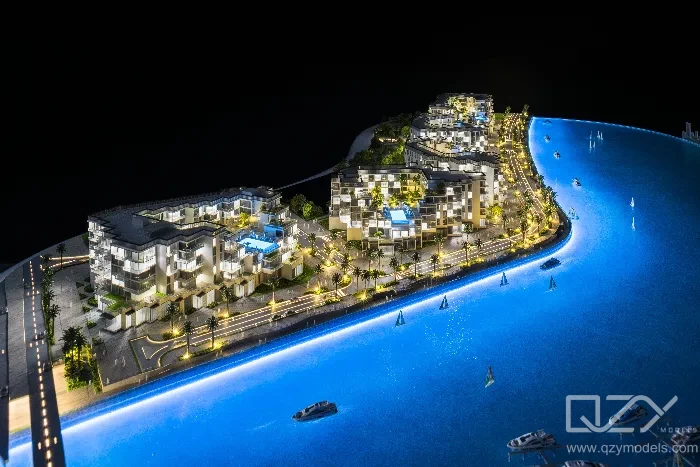
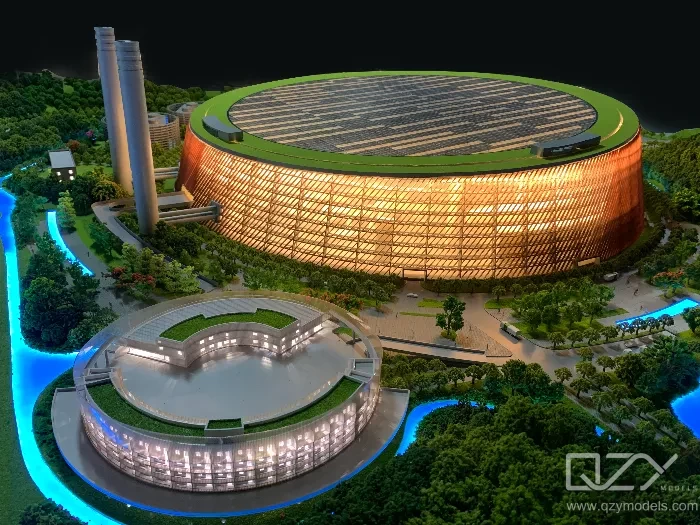
Presentation models are created once the design has reached a much higher level of resolution. They showcase not only the building’s form but also its architectural character, materiality, landscaping, public spaces, lighting, and overall development vision.
These are the models typically displayed in sales galleries, boardrooms, planning exhibitions, design competitions, and investor presentations.
Unlike a Concept Model, a presentation model is intended to generate confidence and excitement.
It allows stakeholders to see what the completed development will look and feel like.
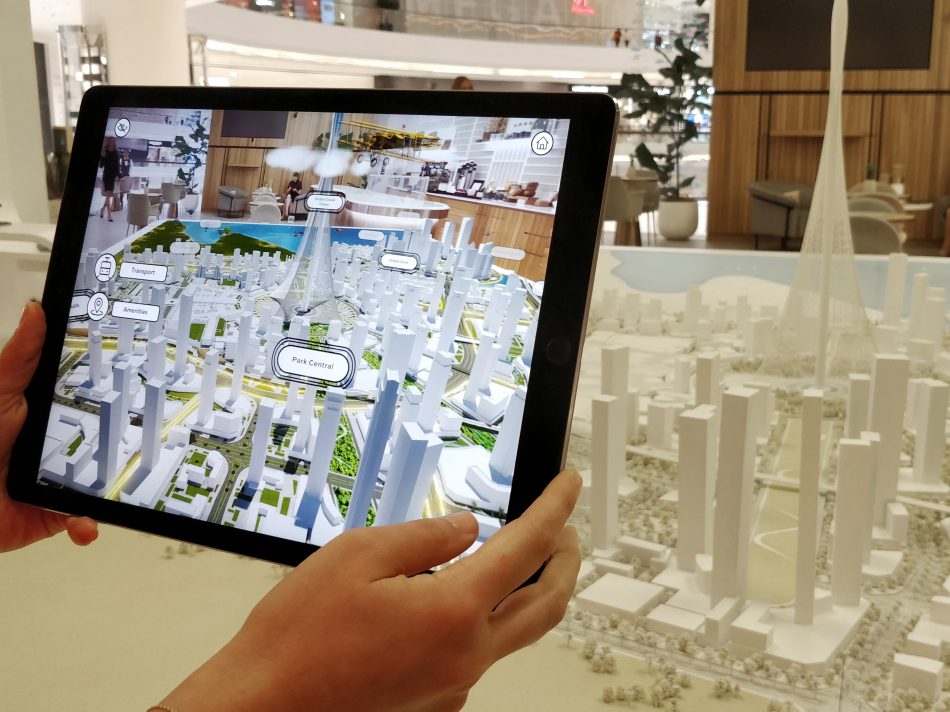
A well-crafted presentation model communicates information that many non-technical audiences struggle to interpret from drawings alone. Investors can understand project scale immediately. Planning committee members can visualise the development’s relationship to its surroundings. Prospective buyers can appreciate the quality of the scheme before construction begins.
This is why presentation models continue to play such a significant role in modern development projects, despite advances in CGI, virtual reality, and real-time rendering technology.
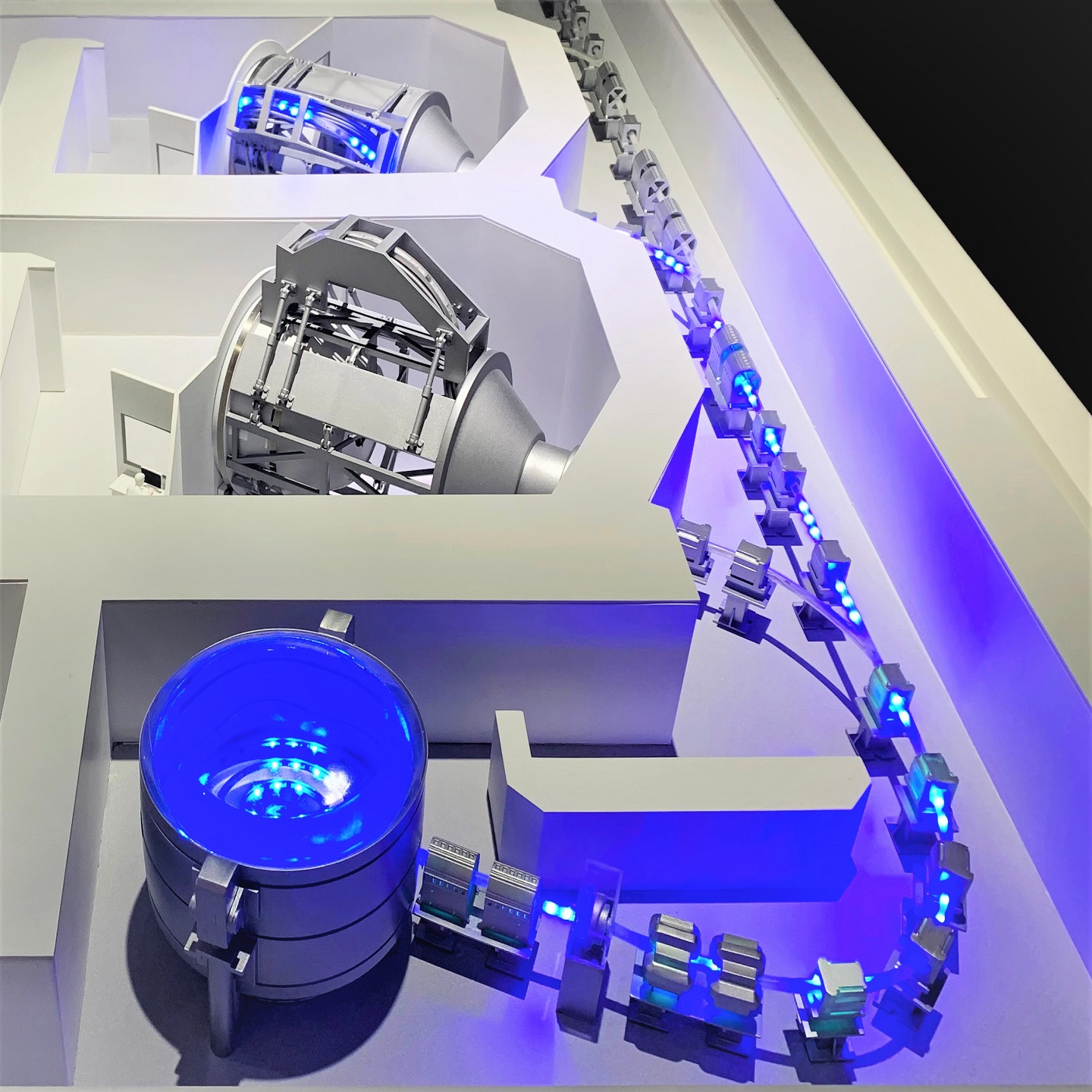
At QZY Models, presentation models frequently incorporate laser-cut façade details, acrylic glazing, miniature landscaping, integrated LED lighting, and custom display bases designed specifically for marketing suites and high-level stakeholder presentations.
The Real Difference: Design Tool vs Communication Tool
The easiest way to understand the distinction is to think about what each model is trying to achieve.
A Concept Model is primarily a design tool.
It helps architects and designers evaluate options, test ideas, and refine a proposal before major design decisions are locked in.
A presentation model is primarily a communication tool.
Its role is to persuade, explain, and build confidence among audiences who may have little technical understanding of architecture or planning.
One supports the creative process.
The other supports the decision-making process.
Both are valuable, but they serve different audiences and different moments within a project’s lifecycle.
When Should You Choose a Concept Model?
Projects in the early stages of development benefit most from a Concept Model.
At this point, the design is often evolving rapidly. Building forms may change, layouts may be revised, and planning feedback may significantly influence the direction of the scheme.
Because Concept Models are relatively quick to produce and easy to modify, they provide an efficient way to explore alternatives without committing to expensive detailing.
They are particularly useful for:
Concept design studies
Feasibility assessments
Pre-application planning meetings
Internal design reviews
Urban design and masterplanning exercises
Stakeholder workshops during early project development
Many architects will create multiple Concept Models for a single project, comparing different approaches side-by-side before selecting a preferred solution.
When Should You Invest in a Presentation Model?
A presentation model becomes valuable once major design decisions have been made and the project enters a more public-facing stage.
This often occurs during planning submissions, investment presentations, sales launches, design competitions, or stakeholder engagement campaigns.
At this point, the objective is no longer to explore possibilities.
The objective is to build support.
A presentation model creates an immediate understanding of the scheme and often becomes the focal point of meetings and exhibitions.
For developers, this can translate into faster investor decisions, stronger stakeholder engagement, and more effective sales and marketing campaigns.
For architects, it can improve planning presentations, strengthen competition submissions, and communicate design intent with greater clarity.
Because these models are often used repeatedly throughout a project’s lifecycle, many clients view them as long-term project assets rather than one-time presentation tools.
Why Many Successful Projects Use Both
The question is not always whether you need a Concept Model or a presentation model.
In many cases, the answer is both.
A Concept Model may help shape the project during its early stages, while a presentation model supports planning approvals, investment discussions, and public engagement later in the process.
This phased approach allows teams to gain the benefits of each model type at the moment they provide the greatest value.
Many of the most successful architects and developers plan this strategy from the outset, ensuring that physical models support the project from initial concept through to final approval and marketing.
Conclusion
Concept Models and presentation models may represent the same project, but they serve very different purposes.
A Concept Model helps architects think more clearly about form, scale, and context.
A presentation model helps developers, architects, and stakeholders understand, support, and ultimately approve a vision.
Choosing the right model at the right stage can significantly improve design development, planning outcomes, investor engagement, and project communication.
For many projects, the strongest strategy is not choosing one over the other—it is knowing when each will deliver the greatest impact.
About QZY Models
QZY MODELS is a professional model-making company specializing in architectural scale models, industrial models, and urban planning models for global clients.
With more than 20 years of experience, the team provides complete services including:
architectural model design
model fabrication
international packaging and shipping
on-site installation support
These integrated services ensure that every model can be safely transported and efficiently presented anywhere in the world.
🌐 www.qzymodels.com
📧 [email protected]