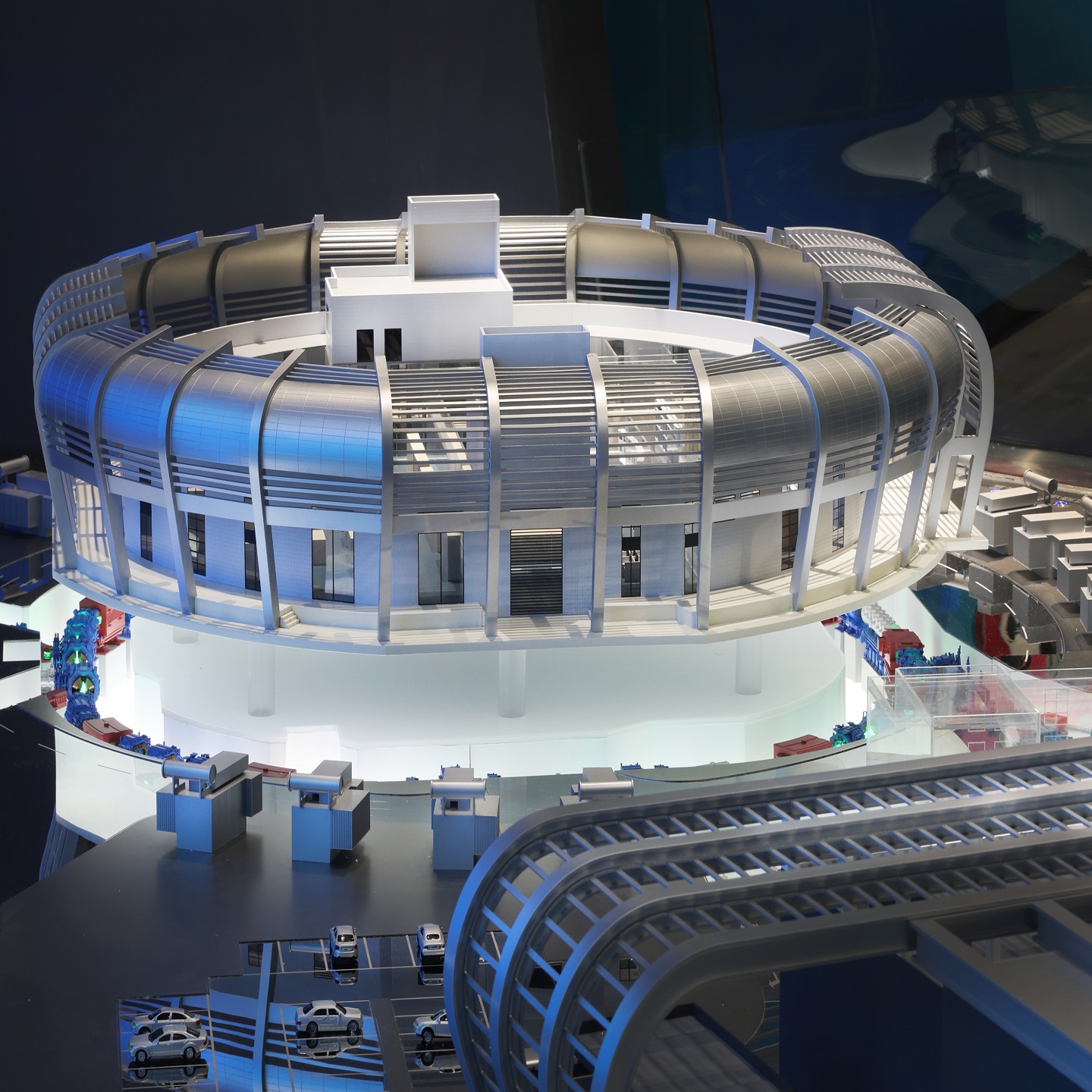
Architectural models transform abstract ideas into tangible realities, helping clients visualize designs before construction begins. QZY Models, based in Shenzhen, China, combines craftsmanship, technology, and material expertise to deliver high-quality models for global architects, developers, and designers. This article provides a comprehensive overview of architectural and industrial modeling, exploring services, techniques, and practical applications for manufacturers, suppliers, and design professionals.
Concept Design and Customization
What is concept design in architectural modeling?
Concept design in architectural modeling involves translating design ideas into three-dimensional physical models. These models represent the scale, style, and purpose of a project, enabling stakeholders to see a tangible representation before construction or development.
QZY Models offers tailored concept design services for architectural presentations, urban planning projects, exhibitions, and real estate showcases. Each model is fully customized based on client requirements, from small-scale concept models to large, detailed presentation models. Flexibility in scale, materials, and complexity ensures that every project communicates its vision effectively.
| Model Type | Purpose | Typical Scale |
|---|---|---|
| Concept Model | Visualize early ideas | 1:200 to 1:500 |
| Presentation Model | Showcase final designs | 1:50 to 1:100 |
| Urban Planning Model | City-scale planning | 1:500 to 1:2000 |
Craftsmanship Excellence
Why is craftsmanship important in model making?
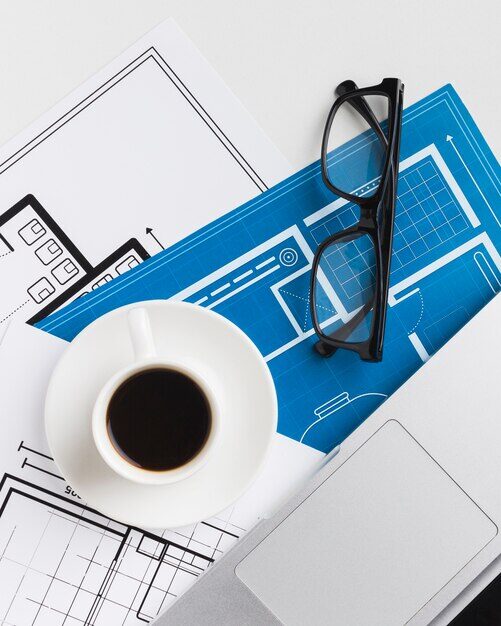
Craftsmanship ensures that architectural models accurately reflect design details, textures, and proportions, enhancing their visual and functional impact. Skilled artisans transform blueprints into precise, high-quality physical models.
QZY Models employs a team of experts who meticulously craft models with attention to detail. From precise cutting and assembly to realistic finishes, every model demonstrates exceptional quality. This precision allows architects and developers to make informed decisions and effectively communicate their design intent to clients or investors.
Material Diversity
What materials are commonly used in architectural modeling?
Architectural models use materials like wood, acrylic, foam, and 3D-printed components to represent different textures, colors, and structural details. Choosing the right material balances durability, aesthetics, and cost.
QZY Models integrates a variety of materials to achieve realistic and functional models. Wood provides warmth and authenticity, acrylic offers transparency for interior visualization, and 3D printing allows complex forms. This material diversity enables clients to explore multiple design solutions and showcases adaptability in creating detailed, visually compelling models.
Innovation Integration
How does technology enhance model-making?
Technologies like 3D printing, laser cutting, and CNC machining allow for highly accurate and intricate models that traditional methods cannot achieve. These tools increase efficiency, precision, and creativity in model-making.
QZY Models leverages cutting-edge technologies to produce complex and innovative designs. By integrating 3D printing and laser cutting, they can create intricate architectural details and unique features. This combination of traditional craftsmanship and modern technology ensures every model meets the highest quality standards and client expectations.
QZY Models Expert Views
“At QZY Models, we believe architectural modeling is more than visual representation—it is a communication tool that bridges imagination and reality. Our approach combines precision craftsmanship, advanced technology, and material expertise to deliver models that inspire decision-making, foster collaboration, and elevate design presentations. Every model reflects our commitment to quality, innovation, and client satisfaction.”
Types of Architectural Models
What types of models does QZY Models produce?
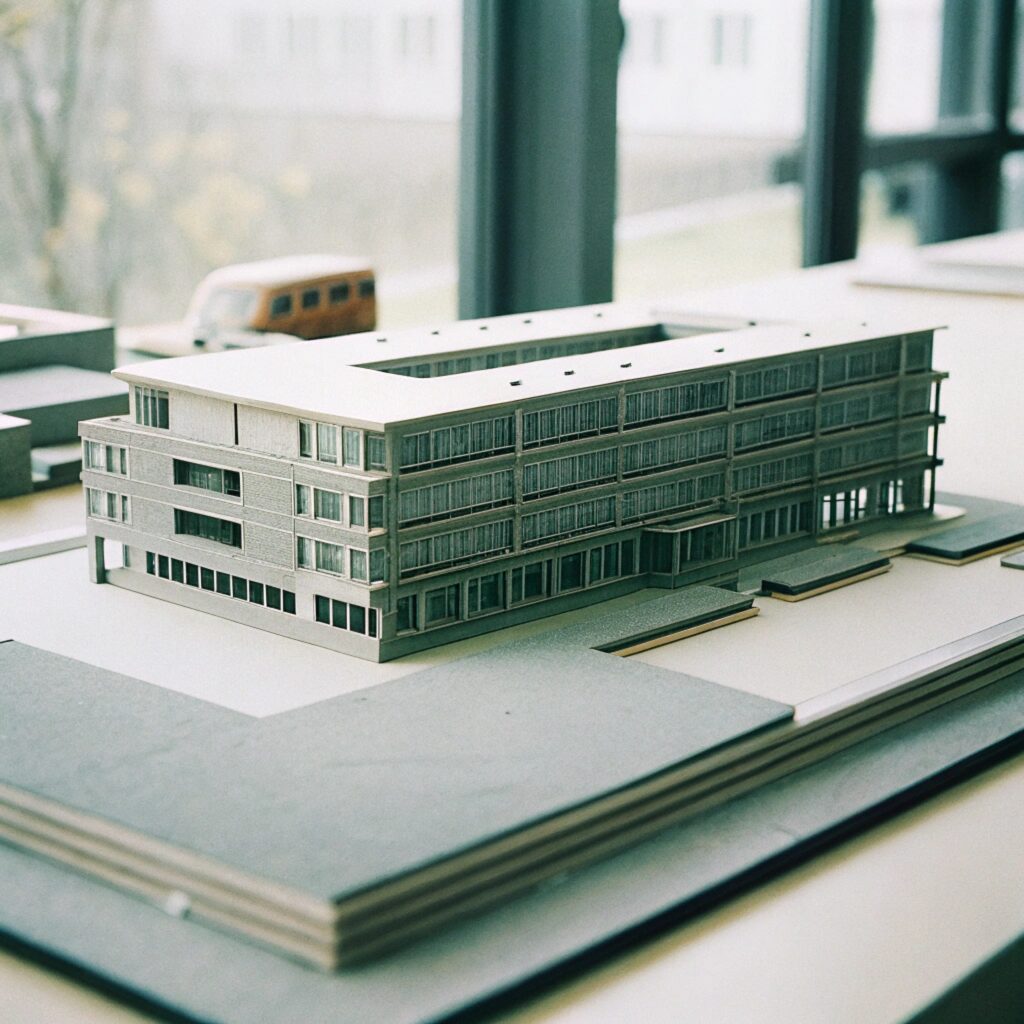
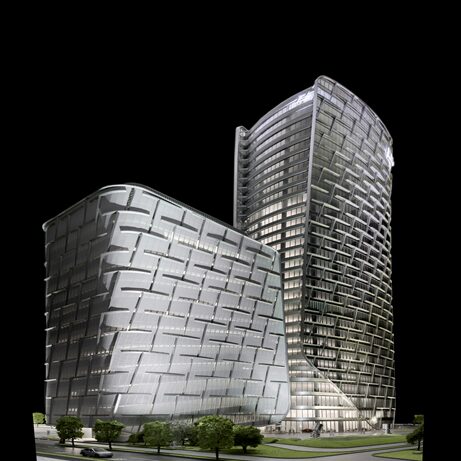
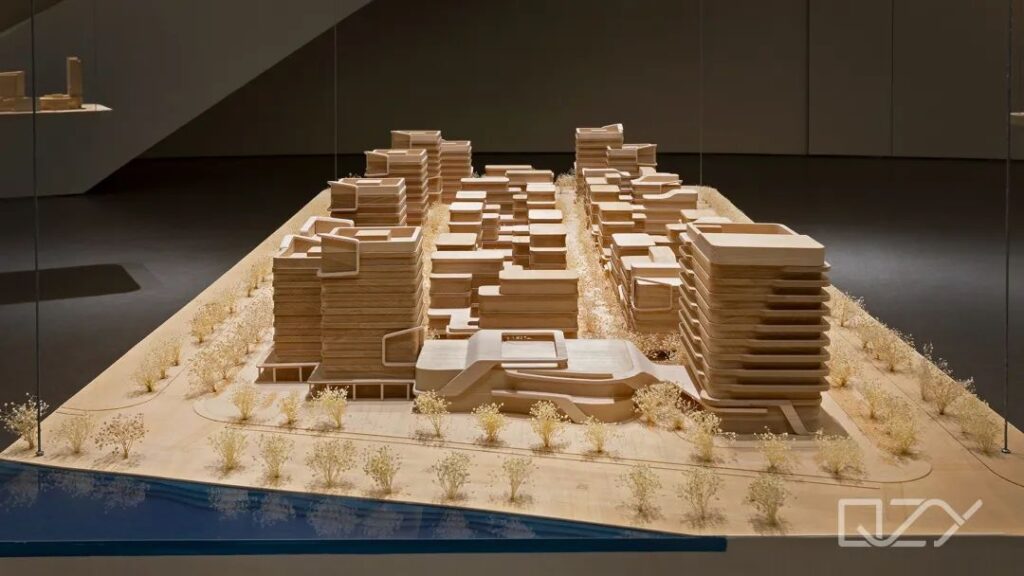
QZY Models produces architectural, interior & section, landscape, industrial, and urban models. Each type serves a distinct purpose, from design visualization to investor presentations.
-
Architectural Models: Showcase full building structures.
-
Interior & Section Models: Reveal internal layouts and sectional details.
-
Landscape Models: Demonstrate outdoor spaces and environmental context.
-
Industrial Models: Focus on factories or industrial facilities.
-
Urban Models: Represent city planning, districts, or complex developments.
| Model Type | Key Feature | Typical Client |
|---|---|---|
| Architectural | Complete building design | Architects & Developers |
| Interior & Section | Interior layouts | Interior Designers |
| Landscape | Environmental context | Landscape Architects |
| Industrial | Facility layout | Industrial Designers |
| Urban | City-scale planning | Government & Urban Planners |
Conclusion
QZY Models exemplifies how innovation, craftsmanship, and material expertise converge to create high-quality architectural and industrial models. These models not only communicate design intent but also inspire stakeholders and guide project decisions. For manufacturers, suppliers, and OEMs, understanding these processes can enhance collaboration and create opportunities in the global architectural modeling market. Precision, customization, and technological integration remain the keys to success.
FAQs
What industries benefit most from architectural models?
Architects, urban planners, real estate developers, interior designers, landscape designers, industrial companies, exhibitions, and educational institutions benefit from detailed models.
How long does it take to produce a model?
Production time varies by size and complexity. Concept models may take 1–2 weeks, while large urban or industrial models may require 4–8 weeks.
Can models be customized for international clients?
Yes, QZY Models serves global clients with fully customized models tailored to regional design standards, cultural context, and specific project needs.
What technologies are used in modern model-making?
3D printing, laser cutting, CNC machining, and advanced assembly techniques enhance precision, creativity, and efficiency in modern model-making.
Are urgent production services available?
Yes, QZY Models offers fast-track services for clients needing models quickly, ensuring project timelines are met without compromising quality.