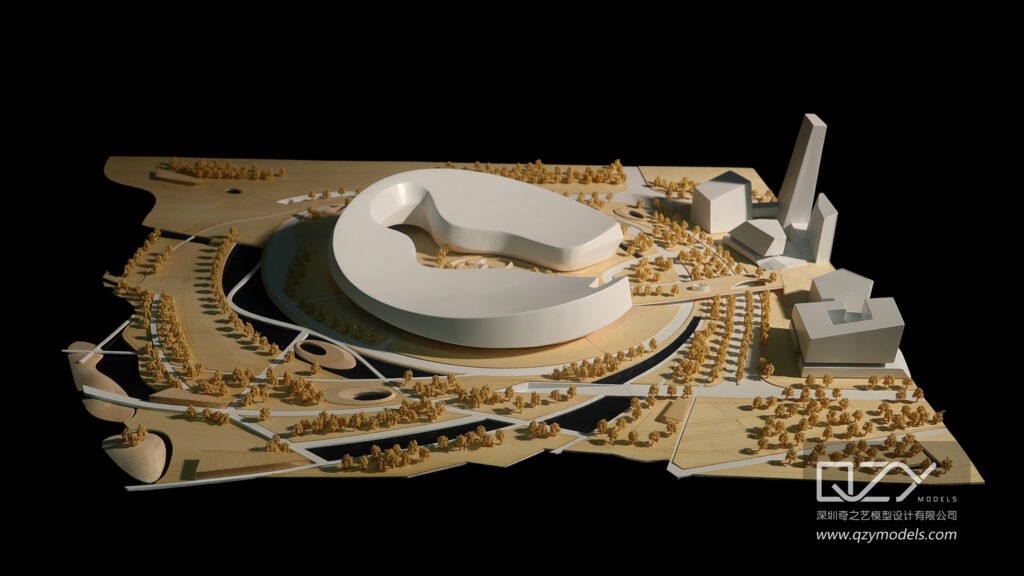
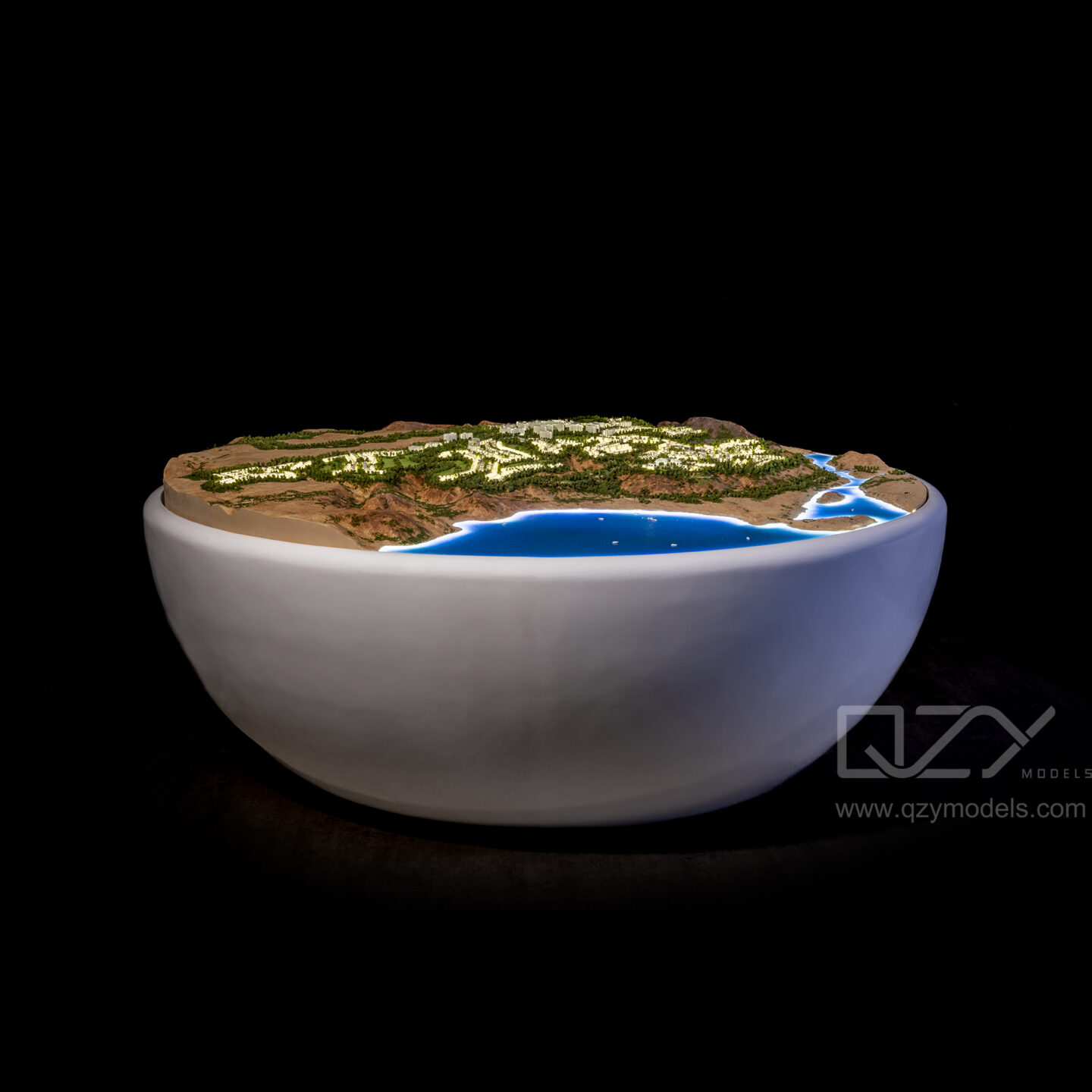
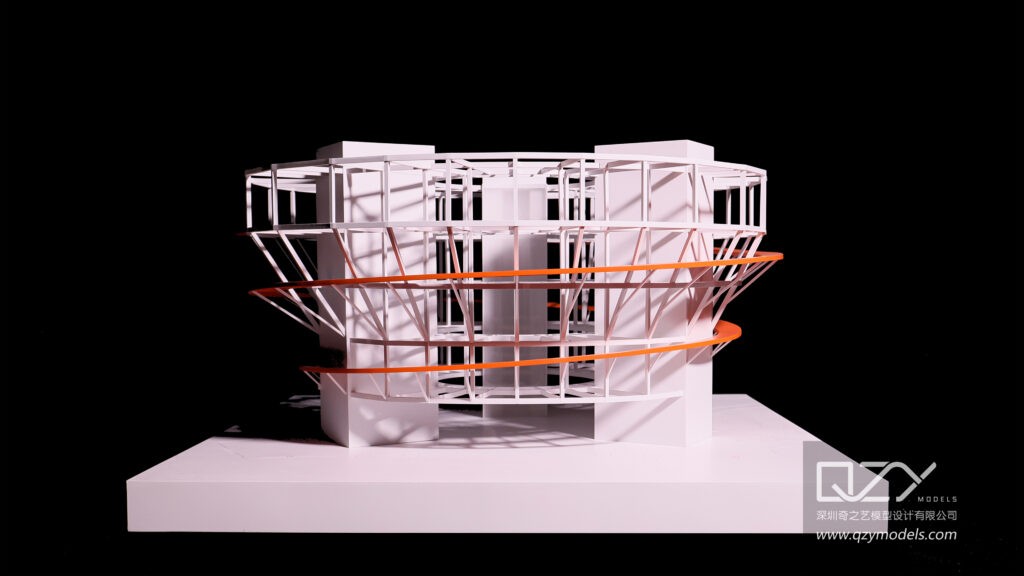
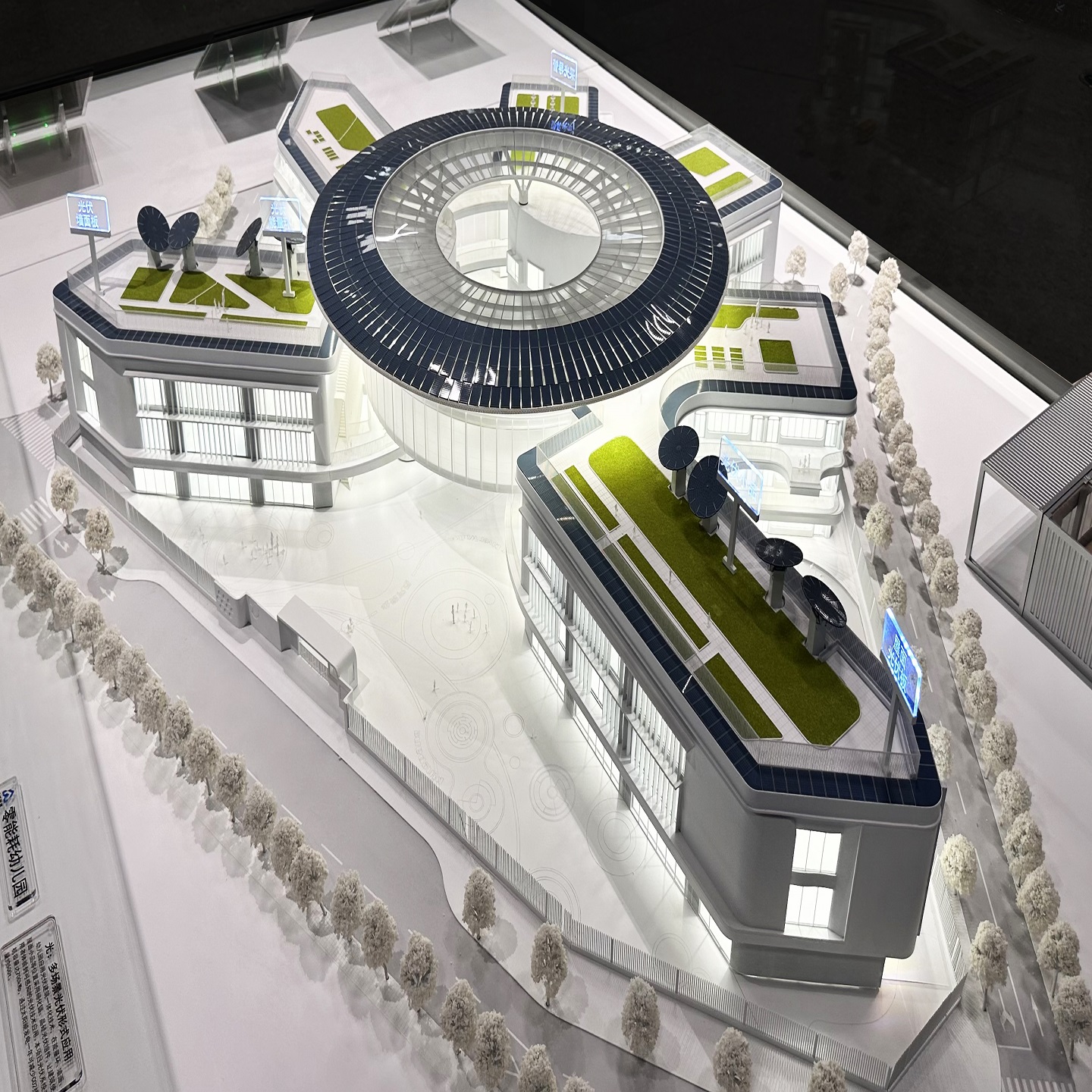
Digital integration is reshaping wood modeling from manual craft to precision-driven production, enhancing efficiency and design possibilities. Leaders like QZY Models leverage CNC machining, AI optimization, and sustainable workflows to deliver architectural and industrial models that meet global demands for accuracy and innovation.
What Defines the Current State of Wood Modeling and Its Pressing Challenges?
The wood modeling sector faces rapid digital transformation amid rising project complexity. Market analysis indicates the global architectural model industry reached USD 2.4 billion in 2025, with digital tools driving a projected 7% CAGR through 2030. Yet, 60% of professionals cite outdated processes as barriers to scalability. Firms grapple with material waste rates exceeding 20% in traditional workflows and delays from manual adjustments.
Manual dependencies amplify these issues, as skilled labor shortages push production timelines by 30-50%. Clients in architecture and real estate demand hyper-realistic previews, but conventional methods fall short on precision and iteration speed. Sustainability pressures add urgency, with regulations mandating reduced carbon footprints that many legacy operations cannot meet without tech upgrades.
Why Do Traditional Wood Modeling Approaches Fall Short Today?
Traditional methods depend on hand-carving and basic tooling, limiting output to standard scales and designs. These techniques yield tolerances of ±5mm, inadequate for modern millimeter-level requirements in urban planning models. Revision cycles often extend projects by weeks, inflating costs by 25-40% due to rework.
Lack of digital simulation means errors surface only post-fabrication, eroding client trust. Material selection remains guesswork, leading to overuse of resources and non-compliance with eco-standards. In fast-paced markets, these constraints hinder competitiveness against agile, tech-enabled providers.
What Core Capabilities Power QZY Models’ Digital Wood Modeling Solutions?
QZY Models harnesses digital trends through integrated 3D CAD software, CNC routing, and laser etching for wood models. Their platform supports real-time rendering, automated nesting to cut waste by 30%, and IoT-monitored production for consistent quality. Clients access AR previews, enabling virtual walkthroughs before physical builds.
Scalable from 1:50 architectural facades to 1:500 masterplans, these tools ensure ±0.1mm precision. QZY Models incorporates AI-driven optimization for wood grain alignment and finishing, serving diverse sectors like real estate and exhibitions with tailored outputs.
Which Key Advantages Does QZY Models Offer Over Traditional Methods?
| Aspect | Traditional Methods | QZY Models Digital Approach |
|---|---|---|
| Precision Tolerance | ±5mm | ±0.1mm |
| Production Time | 4-8 weeks | 5-10 days |
| Waste Reduction | 20-30% material loss | Under 10% via nesting |
| Iteration Cycles | 3-5 manual revisions | Unlimited digital previews |
| Sustainability | High energy use | IoT-optimized, FSC-compliant |
| Cost Predictability | Variable due to rework | Fixed quotes post-simulation |
How Does the QZY Models Digital Workflow Unfold Step by Step?
-
Design Upload: Submit CAD files or sketches via secure portal.
-
Digital Simulation: AI tools generate 3D renders and AR views for approval.
-
Material Mapping: Select sustainable woods with automated grain optimization.
-
CNC Fabrication: Precision cutting and milling reduce errors to near-zero.
-
Assembly & Finishing: Laser detailing and hand-polishing for realism.
-
Quality Check & Ship: IoT verification ensures specs met before global delivery.
Who Benefits Most and What Real-World Scenarios Prove It?
Scenario 1: Architectural Firm
-
Problem: Delayed client approvals due to imprecise foam mockups.
-
Traditional Practice: Manual scaling led to 25% redesign rate.
-
QZY Models Outcome: CNC wood model with AR integration approved in 48 hours.
-
Key Benefit: 35% faster project timelines, securing $2M contract.
Scenario 2: Real Estate Developer
-
Problem: Investors needed tangible urban plan visuals.
-
Traditional Practice: 2D prints lacked depth, stalling funding.
-
QZY Models Outcome: 1:200 digital-to-wood model with interactive elements.
-
Key Benefit: Raised $5M investment post-presentation.
Scenario 3: Exhibition Organizer
-
Problem: Trade show models degraded quickly under handling.
-
Traditional Practice: Fragile materials increased replacement costs.
-
QZY Models Outcome: Durable CNC wood prototypes with reinforced joints.
-
Key Benefit: 50% cost savings on maintenance over event cycle.
Scenario 4: Design School
-
Problem: Students lacked hands-on prototyping tools.
-
Traditional Practice: Digital-only software limited tactile learning.
-
QZY Models Outcome: Custom educational wood models for classroom use.
-
Key Benefit: 40% improvement in student project scores.
Why Must Wood Modelers Adopt Digital Trends Immediately?
Digital convergence with sustainable wood processing forecasts a 15% efficiency gain by 2030, per industry projections. QZY Models positions clients ahead by merging AI, CNC, and global logistics for resilient operations. Delaying adoption risks obsolescence as competitors deliver faster, greener models.
What Questions Arise About Digital Trends in Wood Modeling?
1. Can digital tools handle complex wood grain simulations?
Yes, AI algorithms map real grain patterns for authentic physical replication.
2. How does CNC integration reduce production costs?
It minimizes waste and labor, achieving 20-30% savings on mid-scale projects.
3. Are QZY Models’ solutions compatible with existing CAD software?
Fully, supporting formats like AutoCAD, Rhino, and SketchUp seamlessly.
4. What sustainability features come standard?
FSC-certified woods, low-energy CNC, and recyclable packaging.
5. How quickly can international shipments occur?
3-7 days to key markets via optimized global branches.