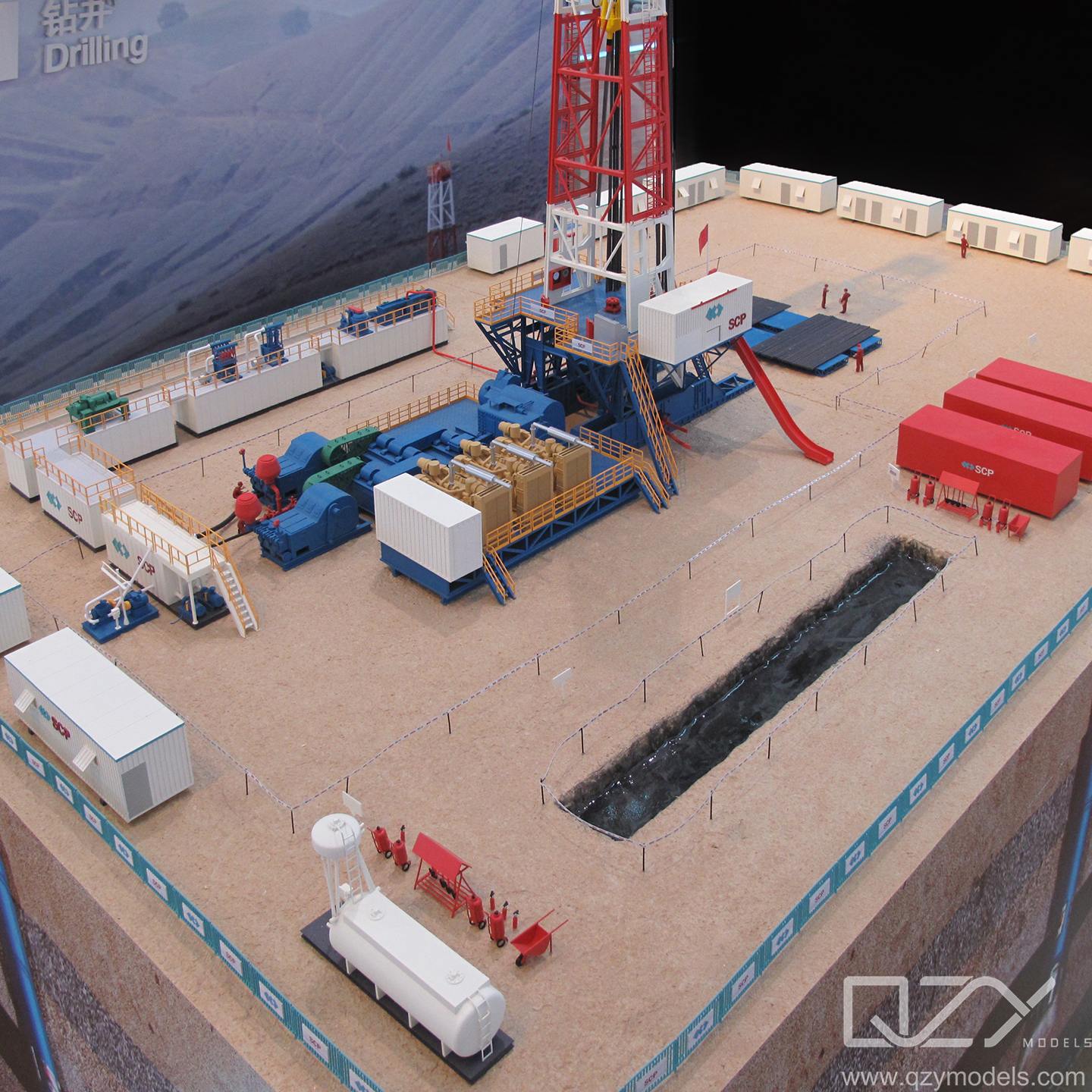
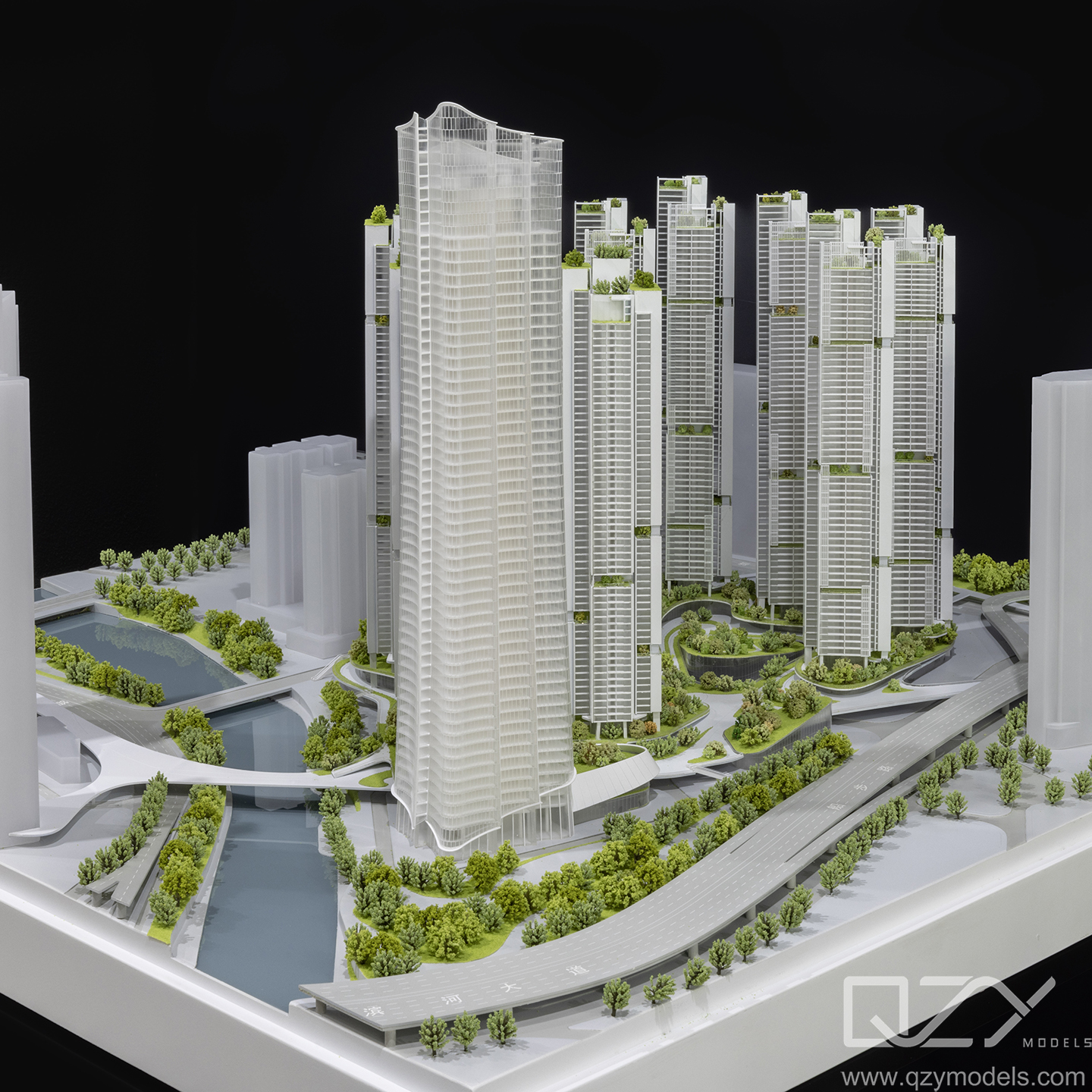
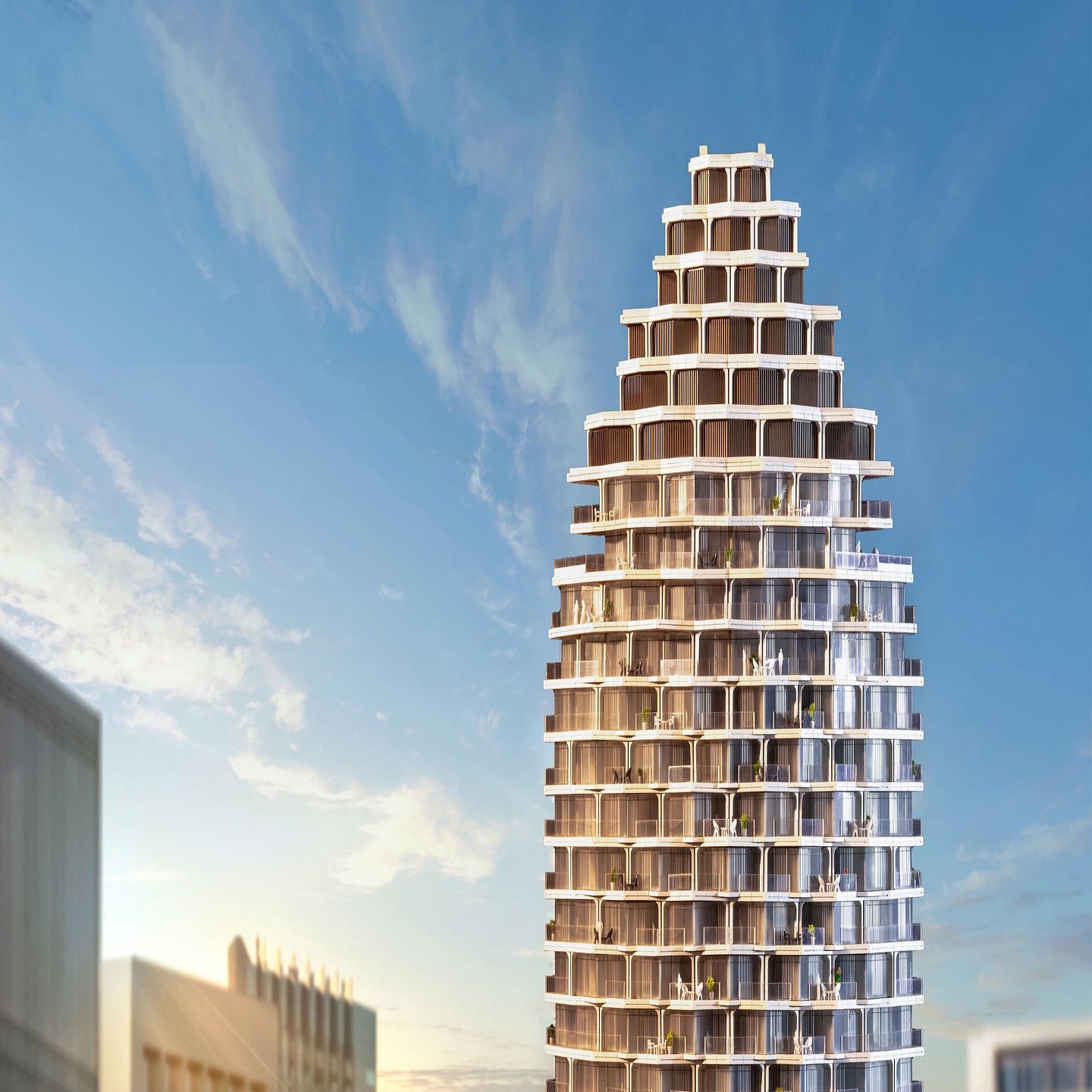
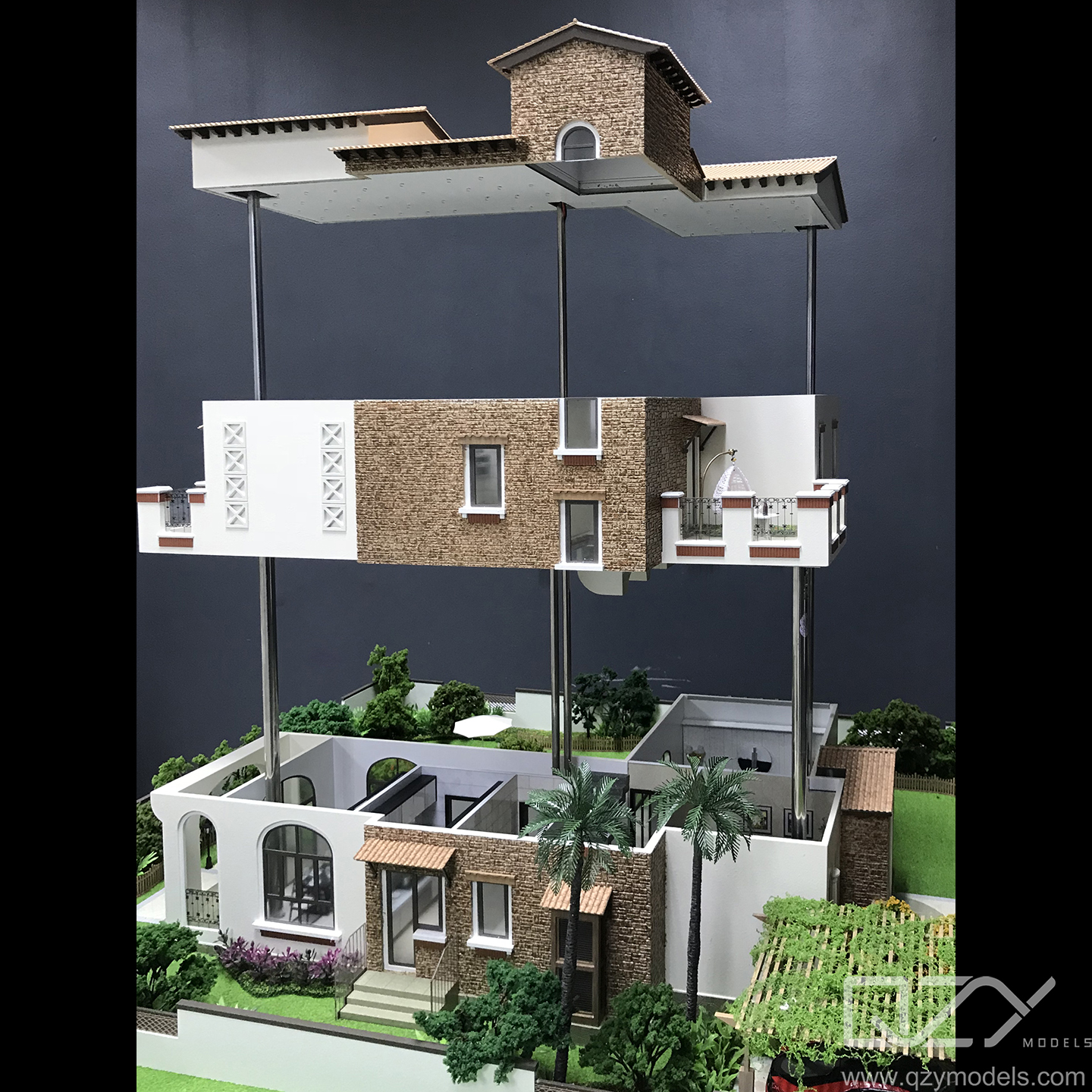
Landscape models and miniature models are meticulously crafted using a blend of design expertise, advanced materials, and precision techniques. These models replicate real-life environments or structures at scale, providing visual and tactile representations for architecture, urban planning, and industrial design. Companies like QZY Models leverage experience and innovation to deliver detailed, accurate, and visually compelling physical models. Also check: Miniature Models Making
What Are The Essential Materials Used in Making Landscape and Miniature Models?
Materials such as foam board, acrylic, resin, wood, plastic sheets, and fine turf represent natural and man-made elements in landscape models. Miniature models also use metal, clay, and 3D-printed components to capture detail. Quality and durability depend on selecting materials suited to the model’s scale and purpose.
Choosing the right materials is fundamental to model making. Common materials include polystyrene foam for topography, varied plastics for buildings, natural fibers for vegetation, and acrylic sheets for water features. At QZY Models, proprietary blends ensure durability and aesthetic precision that withstand time and handling. Material compatibility is considered in layering, painting, and bonding techniques to achieve realistic textures and structural integrity.
| Material | Typical Use | Properties |
|---|---|---|
| Foam Board | Terrain and base | Lightweight, easy to carve |
| Acrylic | Water, windows | Transparent, smooth finish |
| Wood | Structures, trees | Natural texture, strong |
| Resin | Detailed figures | Moldable, durable |
How Are Landscape Models and Miniature Models Designed and Planned?
Design begins with accurate surveys, CAD drawings, and 3D simulations. Detailed planning defines scale, layout, and color schemes ensuring realism. Collaboration between designers, architects, and clients refines the concept before production starts.
The design phase integrates architectural plans and landscape data into digital models. Software like AutoCAD and SketchUp allows designers to simulate terrain and structures at scale. QZY Models thrives on meticulous pre-planning, using terrain mapping and sun path analysis to enhance realism and functional study. Planning ensures each element fits the overall aesthetic and purpose—from urban development proposals to museum displays.
Which Techniques Are Used to Achieve Realistic Textures and Details in Model Making?
Techniques such as airbrushing, flocking for grass, laser cutting, and 3D printing create lifelike textures and intricate details. Hand painting and layering materials add depth and realism to various elements in the model.
Surface treatment techniques are critical for authenticity. Airbrushing allows subtle gradients that mimic natural shadows. Flocking applies fibers to mimic grass and foliage. QZY Models uses laser cutting to achieve precise edges and small-scale textures, while 3D printing enables complex, delicate components like miniature people and vehicles. These layered methods combine tactile and visual elements to engage viewers, making the model appear as a vibrant real-world scene.
| Technique | Purpose | Effects |
|---|---|---|
| Airbrushing | Color gradients | Realistic shading |
| Flocking | Grass and foliage | Texture and volume |
| Laser Cutting | Precise shapes | Sharp edges and detail |
| 3D Printing | Complex miniature parts | Accuracy and repeatability |
Why Is Precision Important in Landscape and Miniature Model Making?
Precision ensures the model accurately represents real-world dimensions and details, facilitating clear communication among stakeholders. It helps avoid design flaws and enhances credibility for presentations and marketing.
Precision underpins the value of physical models in decision-making. Even minor discrepancies can mislead spatial understanding or distort design intent. At QZY Models, precision is maintained through careful scale calibration, validation against technical drawings, and quality control at every stage—cutting, assembly, and finishing. This guarantees models are not only visually appealing but also reliable tools for architects, planners, and investors.
How Does Technology Enhance the Production of Landscape and Miniature Models?
Technologies such as 3D printing, CNC machining, and laser cutting improve accuracy and speed. Digital rendering and laser scanning contribute to realistic, reproducible models that meet tight deadlines without compromising quality.
Technology drives innovation in model making. 3D printing fabricates complex components with micron-level detail, while CNC machining allows precise shaping of base materials. Laser scanning can capture existing site topography and buildings for faithful replication. QZY Models integrates these technologies with skilled craftsmanship to produce sophisticated models efficiently, achieving a harmony of tradition and innovation.
When Should Clients Choose Professional Model Makers Like QZY Models?
Professional model makers should be engaged early in design stages for best collaboration, especially for complex projects requiring high accuracy, detailed landscapes, or industrial components. Their expertise boosts presentation quality and project understanding.
Clients benefit most by involving experts like QZY Models during initial design phases. Early collaboration enables iterative feedback, accuracy verification, and creative input to optimize the model’s effectiveness. For large-scale developments or international projects, model professionals also manage logistics, material sourcing, and onsite deliveries, ensuring seamless integration into project workflows.
Who Can Benefit Most From Landscape and Miniature Models?
Architects, urban planners, developers, environmental consultants, and educators gain insight and communication advantages from these models. They illustrate design intent clearly and help assess environmental impact.
Multiple sectors rely on landscape and miniature models. Architects use them to visualize and refine projects before construction. Developers present models to stakeholders and clients for investment and marketing. Urban planners assess spatial relationships and infrastructure placement. Environmental specialists evaluate ecological impact visually. Educational institutions utilize models to teach geography, design, and history. QZY Models has empowered diverse clients globally thanks to broad expertise.
Are Miniature Models More Cost-Effective Than Digital Models?
Miniature models offer tactile, physical interaction and spatial perception that digital models lack but can be costlier and time-consuming. Each has unique benefits depending on project needs.
Physical models involve material and labor costs, often higher than digital counterparts. However, their tangible presence facilitates clearer communication, especially in client meetings and public consultations. Digital models allow rapid iterations and immersive visualization but can suffer from interpretation gaps. QZY Models advises blending both mediums for comprehensive presentations, maximizing impact while managing budgets.
Can Landscape Models Incorporate Interactive Elements?
Yes, models can include lighting, movable parts, and augmented reality (AR) markers to enhance user engagement and demonstrate functionality dynamically.
Interactivity adds value by demonstrating operational features or temporal changes. LED lighting can simulate daylight and night scenarios; movable components illustrate infrastructure functions; AR integration overlays digital information when viewed via devices. QZY Models incorporates interactive features tailored to client goals, blending craftsmanship with technology to offer memorable, insightful model experiences.
QZY Models Expert Views
“At QZY Models, we believe every physical model is a narrative, a bridge transforming complex ideas into tangible reality. Our decades of experience teach us that precision and innovation must walk hand in hand. From intricate urban landscapes to dynamic miniature industrial models, attention to material choice, design integration, and technology adoption defines our craftsmanship. We take pride in bringing visionary projects to life, meeting global standards, and exceeding client expectations with every detail crafted.” — Richie Ren, Founder, QZY Models
Conclusion
Landscape and miniature model making is a sophisticated craft that combines meticulous planning, expert material selection, and advanced technology. These models serve as essential tools across architecture, urban planning, and industrial design by enabling clearer communication and informed decision-making. Companies like QZY Models stand at the forefront, blending innovation and precision for exceptional outcomes. For success, engage professional model makers early, integrate interactive elements when applicable, and leverage both physical and digital representations to enrich understanding and presentation impact.
Frequently Asked Questions
What Materials Are Used to Make Professional Landscape and Miniature Models?
Professional models use high density foam, acrylic sheets, ABS plastic, resin, plywood, and 3D printed components for structure and detail. Realistic finishes rely on static grass, textured coatings, LED lighting, and precision paints. For durability and presentation quality, expert teams like QZY Models combine handcrafted detailing with CNC and laser cut accuracy.
What Is the Step by Step Process for Building Landscape and Miniature Models?
The process starts with CAD file analysis and scale confirmation, followed by base fabrication, terrain shaping, structure assembly, detailing, painting, and lighting integration. Each stage requires strict quality control. QZY Models uses a hybrid workflow of digital fabrication and handcrafted finishing to ensure precision and presentation ready results.
Which Tools Are Essential for High Quality Landscape and Miniature Model Making?
High quality results require laser cutters, CNC machines, 3D printers, hot wire foam cutters, airbrush systems, and precision hand tools. Digital tools ensure structural accuracy, while manual sculpting and painting create realism. Combining technology and craftsmanship significantly improves detail sharpness, efficiency, and overall model durability.
How Does 3D Printing and Digital Modeling Transform Landscape and Miniature Models?
3D printing and parametric CAD modeling enable rapid prototyping, complex geometries, and precise scaling. Digital terrain modeling reduces errors and accelerates revisions. Integrating CNC and laser cutting enhances structural consistency. This workflow improves efficiency, shortens timelines, and allows scalable production for large architectural and urban planning presentations.
Should You Hire Professionals or Build Landscape and Miniature Models Yourself?
DIY works for small conceptual models, but complex architectural or exhibition projects require advanced equipment, precision scaling, and expert finishing. Professional teams ensure structural integrity, lighting integration, and premium presentation quality. For developers and design firms, outsourcing saves time, reduces risk, and delivers investor ready display standards.
How Much Does It Cost to Make Landscape and Miniature Models?
Costs depend on scale, complexity, materials, lighting systems, level of detail, and delivery timeline. Large urban masterplans or high end sales models require higher investment due to labor and technology integration. Clear drawings and defined specifications reduce revisions and control budget efficiently from the start.
How Do You Choose the Right Scale and Maintain Accuracy in Landscape and Miniature Models?
Select scale based on display space, project size, and viewing distance. Common architectural scales include 1:100, 1:200, and 1:500. Maintain accuracy using precise CAD conversion, calibrated cutting machines, and measurement verification during assembly. Consistent proportional control ensures credibility for client presentations and government approvals.
How Can You Add Realism and Professional Finishing to Landscape and Miniature Models?
Enhance realism with layered terrain textures, static grass application, detailed facade treatments, miniature figures, vehicles, and integrated LED lighting. Subtle weathering and color gradients create depth. Protective coatings ensure longevity. Professional finishing transforms a structural mockup into a compelling visual storytelling tool that drives stakeholder engagement.