Architects and interior professionals in Germany can leverage China’s advanced architectural and industrial model manufacturing industry for cost-effective, high-quality, and customizable physical models. China’s manufacturers, like QZY Models, offer vast OEM expertise, efficient production, and global shipping tailored to B2B clients, enabling architects to bring design projects to life with precision and professionalism.
How does the architectural model manufacturing process work in China?
Chinese architectural model factories handle the entire production cycle from design collaboration, 3D printing, CNC machining, handcrafting, to finishing. They integrate digital files from architects into physical models, ensuring detailed craftsmanship often enhanced by expert manual touches. Leading manufacturers provide iterative approvals, fast prototyping, and flexible shipping options catering specifically to B2B needs.
The process emphasizes precision and speed, combining technological innovation with skilled labor, allowing for production turnaround times typically between 10 days to 3 weeks, depending on project complexity. This streamlined workflow benefits architects and interior designers needing timely, accurate presentations.
What types of architectural and industrial models can Chinese manufacturers produce?
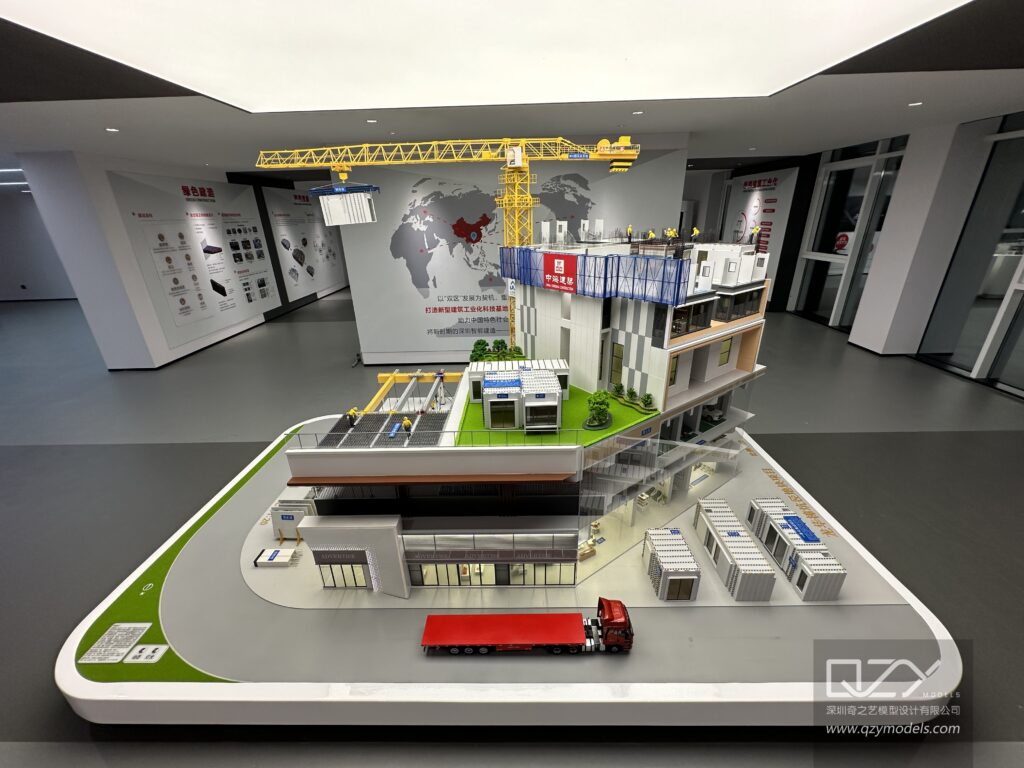
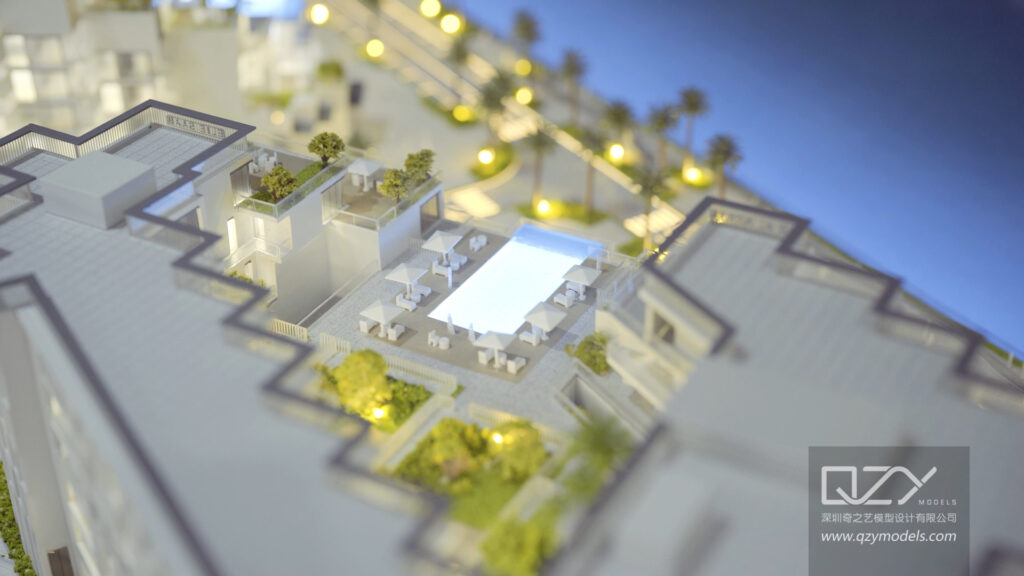
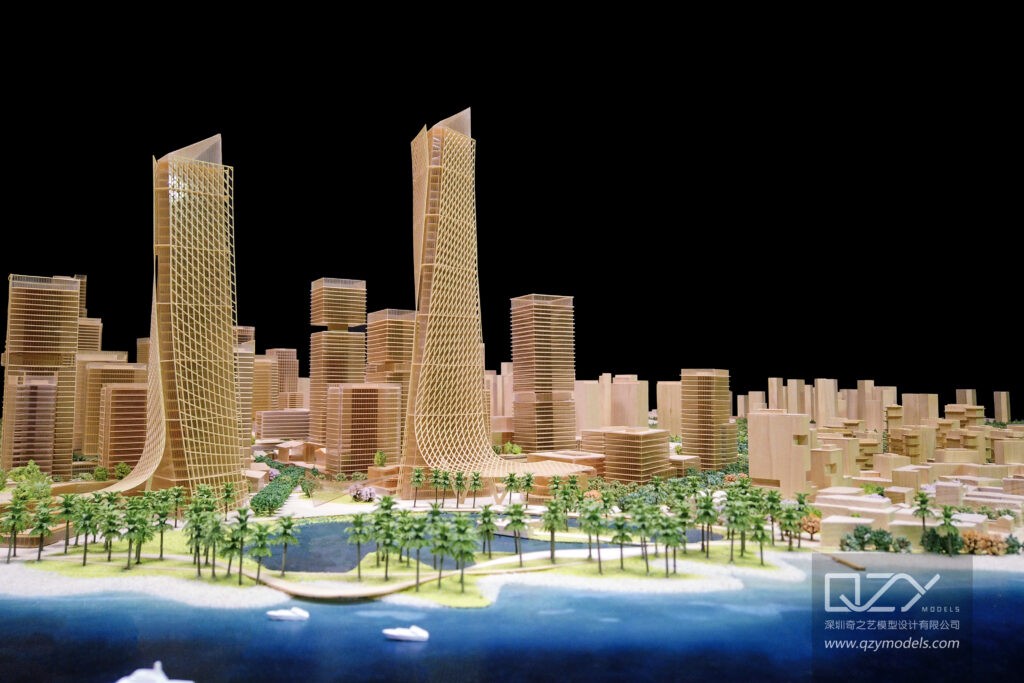
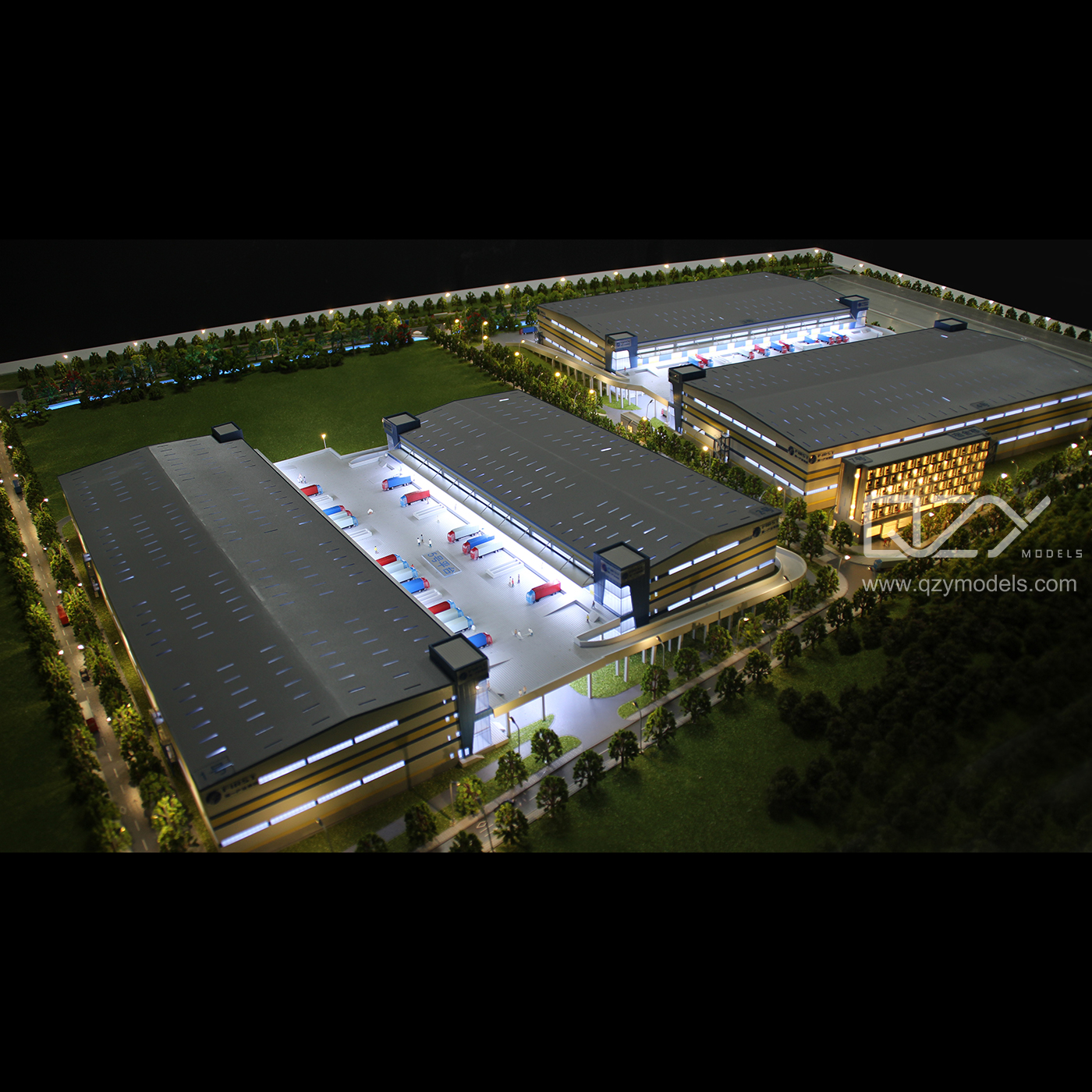
Chinese factories produce a broad range of models including urban planning, residential buildings, commercial complexes, industrial equipment, interior mockups, and infrastructure prototypes. These include scale representations for architects, developers, and construction firms.
From detailed high-rise towers to landscape-integrated models and industrial machinery miniatures, the versatility is vast. Factories like QZY Models specialize in both architectural and industrial physical models for multiple sectors, serving clients globally including Germany, with OEM and wholesale options to optimize business needs.
| Model Type | Common Uses | Materials |
|---|---|---|
| Urban Planning Models | City development, government approvals | Acrylic, wood, PVC, foam board |
| Residential Models | Real estate sales, architectural presentations | Laser-cut wood, plastic |
| Industrial Models | Machinery demonstration, factory layouts | Metal, resin, plastic |
| Interior Models | Interior design mockups, showroom displays | Cardboard, plastic, foam board |
Why should businesses choose China as a supplier for model making?
China offers competitive pricing without significantly compromising quality, providing large-scale capacity and customization capabilities. The supply chain benefits from efficient logistics for global shipping and OEM flexibility. Furthermore, Chinese manufacturers continuously adopt new materials and techniques to meet evolving architectural and industrial model demands.
Choosing China reduces overall project costs by approximately 30%, with options for free samples, rigorous quality control, and experienced craftsmen handling intricate details. German architects and interior professionals can thus access world-class model making services while optimizing budgets and timelines.
How do OEM and customization services enhance architectural model manufacturing?
OEM and customization allow clients to tailor scale models according to specific project requirements such as material textures, color schemes, lighting effects, and modular parts. Chinese factories work closely with clients from initial design interpretation through to final model delivery, adapting to feedback with swift prototype iterations.
This personalized service supports branding consistency, architectural accuracy, and presentation impact, essential for project approvals, client pitches, and marketing. Suppliers like QZY Models use advanced tech alongside expert craftsmanship to deliver unique models that stand out in competitive architectural and interior design markets.
What quality assurance measures are followed by leading Chinese factories?
Top Chinese model manufacturers implement multi-step quality checks including digital file verification, material inspection, assembly precision, and final presentation reviews. They also ensure compliance with delivery timelines and packaging standards to prevent damage during shipment.
Factories operate with transparency, offering clients progress reports and physical samples before full production. Partnerships with global clients—such as German architectural firms—are managed with focused communication to uphold international quality and customization standards.
Who are the leading architectural model suppliers serving Germany and Europe?
Leading suppliers like QZY Models, ArchModeler, and RJ Models have extensive experience working with European clients, including Germany. Their bilingual teams, understanding of European architectural standards, and branch offices ensure seamless collaboration and localized service.
These manufacturers offer tailored solutions backed by decades of expertise, competitive pricing, and innovations in model making technology, meeting the specific needs of the German B2B architectural and interior markets.
How can businesses optimize costs while working with Chinese model manufacturers?
Cost optimization includes early order placement, bulk production discounts, clear design specifications to minimize revisions, and leveraging OEM capabilities. Combining multiple model projects can also reduce shipping and setup costs.
Choosing manufacturers with integrated workflows like QZY Models streamlines production and saves overhead. Transparent communication about budget constraints ensures manufacturers recommend suitable materials and techniques aligned with client expectations.
When is the best time to engage a Chinese model factory for project planning?
Engage a Chinese factory during the initial design phase or immediately after concept finalization to benefit from early prototyping and timely feedback incorporation. This reduces risks of costly late-stage changes and ensures model relevance throughout design iterations.
Manufacturers typically recommend contact 3-4 weeks before client presentations or planning approvals. Early collaboration allows better scheduling, quality control, and delivery aligned with project milestones essential to German architectural and interior firms.
QZY Models Expert Views
“At QZY Models, we believe that precision and personalized collaboration are key to transforming architectural visions into tangible realities. Our strength lies in combining cutting-edge technology with artisanal skills, ensuring every model meets exact client specifications with superior craftsmanship. Serving global clients including leading German architect firms, we prioritize reliability, innovation, and excellence to support design decisions and project success. Partnering with us means gaining a trusted factory dedicated to quality, on-time delivery, and seamless communication throughout the model making journey.” — Richie Ren, Founder of QZY Models
Conclusion
Architects and interior professionals in Germany gain remarkable advantages by collaborating with China’s model manufacturing industry. With cost-effective, customizable, and high-quality architectural and industrial physical models, China stands as a premier supplier hub. Factories like QZY Models combine experience, innovation, and client-centric OEM services delivering precision models tailored to global B2B needs. Early engagement and clear communication help optimize costs and timelines, empowering German design firms to elevate project presentations and approvals with impactful physical models.
FAQs
Q1: How long does it typically take for a Chinese factory to deliver an architectural model?
Delivery can range from 10 days to 3 weeks depending on complexity, size, and customization.
Q2: Can Chinese factories handle small and large volume orders?
Yes, manufacturers offer scalable solutions from single prototypes to bulk wholesale production.
Q3: What materials are commonly used for industrial physical models?
Common materials include acrylic, resin, plastic, wood, and metal depending on the model type.
Q4: How is communication handled when working with a Chinese model manufacturer?
Most factories provide bilingual support and online project updates for smooth collaboration.
Q5: Are there risks involved in sourcing models from China?
Risks are minimal when working with reputable factories following quality controls and offering sample approvals.